How Do You Find the Best College Counselors in Princeton?
Princeton-area families searching for college counseling face a market shaped by the university in the middle of town: everyone advertises elite expertise, and the differences among providers are rarely visible from a website. Solo consultants, test-prep companies with counseling add-ons, national platforms, and team-based strategy firms all compete for the same families. This guide explains what separates the best college counselors in Princeton from the rest, which services actually matter for families targeting selective universities, and the questions that reveal whether a counselor can deliver.
Why Do Princeton Families Hire Private College Counselors?
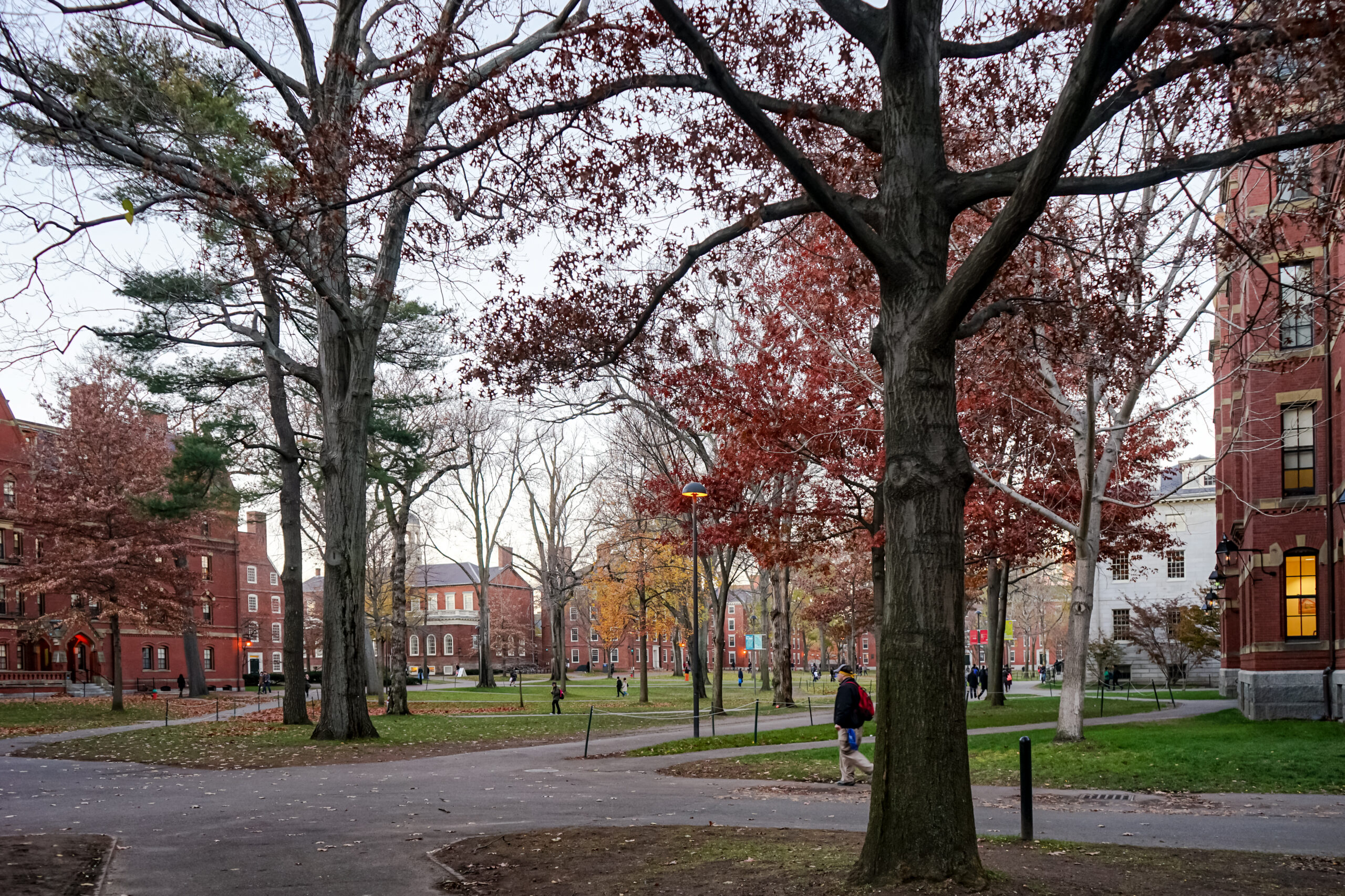
Few places set the bar the way this corridor does. Princeton High School and the West Windsor-Plainsboro district rank among New Jersey’s most rigorous public systems, Montgomery and Hopewell Valley close behind, and the independent layer is unusually deep: The Lawrenceville School, Princeton Day School, The Hun School, and Stuart Country Day all sit within a few miles. Living in a university town adds a quiet pressure of its own, because the reference point for achievement is visible from Nassau Street.
That environment produces exceptional transcripts in volume, which is exactly the problem. Selective universities read a WW-P or Princeton High file against the school’s own profile, so a strong student is compared most directly with classmates who share the same course catalog and the same research and music pipelines. School counseling offices, however capable, carry large caseloads: the American School Counselor Association reports 1,394,971 public school students and 4,812 school counselors in New Jersey in 2024-25, a ratio of 290 to 1, against a national ratio of 372 to 1 and a recommended 250 to 1. In our view, families who want their student to stand out inside these pools bring in private counsel for the strategy layer the school cannot provide.
What Six Criteria Matter Most When Choosing a College Counselor?
First, selective-admissions experience. Reading files for a highly selective university is a specific skill, and counselors who have done it evaluate a student the way the committee will. Second, a team rather than a single generalist. One person cannot be equally strong at list strategy, essays, activities positioning, and financial aid; the best college counselors in Princeton bring specialists to each part of the file. Third, a defined methodology. Ask any counselor to walk you through their process from the first meeting to submitted applications; vague answers predict vague results. Fourth, honest capacity limits. Strong counselors cap their caseloads and will tell you their number. Fifth, outcome transparency without guarantees. Any firm promising admission to a specific university is selling something no counselor controls, because the decision belongs to the university. Sixth, fit with your student. The counselor a neighbor in West Windsor swears by may be wrong for a quieter or more independent teenager, which is why an initial consultation matters more than any brochure.
What Types of College Counseling Services Exist in Princeton?
The local market breaks into four broad models. Solo independent counselors offer a personal relationship and often long familiarity with schools from Princeton High to Lawrenceville, but everything depends on one calendar and one perspective, so ask how they stay current with admissions practice and what ethical standards guide their work. In our experience, test-prep companies that added counseling often treat it as an upsell, and the counseling depth usually shows it. National online platforms offer scale and lower prices, with correspondingly less individual attention. Team-based strategy firms, the model at Oriel Admissions we use from its home base in Princeton, pair each family with a senior counselor supported by essay, activities, and research specialists, and work with a deliberately limited number of students per cycle. For a fuller picture of how the models differ, see our comparison of team-based counseling versus a solo consultant.
What Do the Best College Counselors in Princeton Actually Do?
For Oriel Admissions, real counseling is strategy work, not form-filling. It starts with an honest assessment of the student’s record in the context of their specific school, because a transcript from WW-P South, Princeton High, or Lawrenceville is read against that school’s own profile. It continues with a balanced list built on data rather than prestige reflex, activity positioning that turns scattered involvement into a coherent narrative, essay development that preserves the student’s voice, and application execution that treats every supplemental prompt as a strategic opportunity. For families beginning earlier, the work extends to course selection and summer planning years before applications open; our guide to how counseling works by grade maps that timeline. The counselor’s job is to see the file the way an admissions committee will see it, then close the gap between the two.
What Are the Red Flags When Evaluating College Counselors?
Walk away from guaranteed admissions outcomes, from counselors who volunteer to write any part of an essay, from pricing structures that only become clear after a sales call, and from anyone who cannot explain what they would do differently for your student than for the last one. Be equally cautious with counselors who take unlimited clients, and with recommendations based purely on a single famous outcome; one admitted student is an anecdote, not a methodology.
What Questions Should You Ask During a Consultation?
Ask who exactly will work with your student and how often. Ask how many students the counselor takes per cycle and how many come from Princeton-area schools like yours, since overlap inside one high school matters. Ask how they handle disagreement between parent and student about the list. Ask what their process produces by each deadline. Ask how they measure success beyond a logo list. The best college counselors in Princeton answer all five without hesitation, because the answers are the practice.
When Should You Start Working with a College Counselor?
The honest answer is earlier than most families expect, and later than panic suggests. Ninth and tenth grade engagements shape course rigor, activities, and summers while they can still change; junior year is the most common start and still leaves room for full strategy; senior year work is triage, valuable but constrained. Families weighing the wider region can also see our guides to the best college counselors in New Jersey and the best college counselors in NYC.
Does Princeton Have Its Own Town Guide?
Yes. Our guide to a college admissions consultant in Princeton, NJ is built from the Princeton High School profile and matriculation report and the independent schools Princeton families most often consider, and it goes into the school level detail that this page only summarizes.
Frequently Asked Questions About College Counselors in Princeton
The cost of comprehensive private counseling in the Princeton area depends on scope, start year, and the seniority of the team. Hourly consultations exist at the low end; multi-year strategy engagements sit at the top. Price tracks depth of involvement more than prestige of branding, so compare what is actually delivered per dollar.
In the experience of Oriel Admissions, the highest-leverage start is ninth or tenth grade, while course rigor, activities, and summer plans can still be shaped. Junior year remains the most common entry point and supports a full strategy. Senior-year engagements are triage: useful for essays and list balance, but constrained by decisions already made.
Strong school counseling offices are built for breadth, not selective-admissions strategy. The American School Counselor Association reports a 2024-25 ratio of 290 public school students per school counselor in New Jersey, against a recommended 250. The paradox of a top Princeton-area school is that the applicant pool around your student is deeper, so differentiation inside the school matters more, not less. Private counsel supplies the strategy layer; it does not replace the school office.
No. Selective universities evaluate applicants against their school profile and the full national pool, and proximity confers no preference. What the area does offer is unusual access to research mentors, coursework, and enrichment; the job of a counselor is converting that access into a distinctive application rather than assuming the zip code speaks for itself.
Real counseling is strategy work: an honest assessment of the student in the context of their specific school, a balanced list built on data, activity positioning that forms a coherent narrative, essay development that preserves the voice of the student, and disciplined execution across every application. Administrative form-filling is the smallest part of the job.
Start with an initial consultation rather than a brochure. Evaluate selective-admissions experience, team depth, a defined process, honest capacity limits, and fit with your student, then compare two or three providers against the same criteria. The right counselor will describe what they would do differently for your student, not just what they do in general.
In our view, it depends on the target list and the depth of engagement. For families aiming at highly selective universities from competitive Princeton-area schools, individualized strategy addresses exactly the differentiation problem the school office cannot, and value scales with an early start. For a list centered on less selective options, a lighter engagement often suffices.
Five questions reveal the most: who exactly will work with your student and how often, how many students they take per cycle, how they handle disagreement between parent and student, what their process produces by each deadline, and how they measure success beyond a logo list. Confident, specific answers are the mark of a real practice.
What Is the Bottom Line on Choosing a College Counselor in Princeton?
The best college counselors in Princeton share the same traits everywhere: selective-admissions experience, a real team, a defined process, honest limits, and genuine fit with your student. Evaluate against those criteria rather than marketing polish, press for specifics, and start the conversation earlier than feels necessary.
About Oriel Admissions
Oriel Admissions is a college admissions consulting firm with offices in Princeton, New Jersey and New York, advising families nationwide on elite university admissions strategy, beginning with the families in our own backyard. Our senior team brings deep experience from the most selective admissions environments in the country and a distinctive 360 approach that covers strategy, activities, essays, and execution. To discuss your strategy, schedule a consultation.