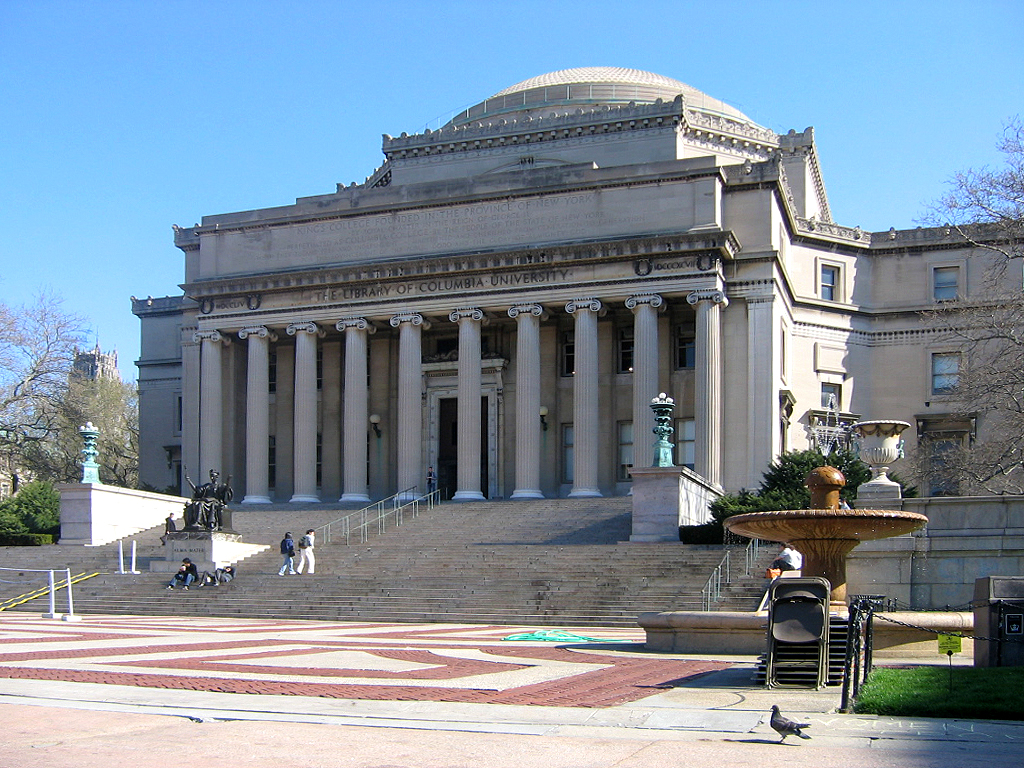
TL;DR: The Columbia transfer acceptance rate was 9.2 percent for fall 2025: Columbia College and Columbia Engineering admitted 453 of 4,909 transfer applicants and enrolled 357, according to the Columbia Common Data Set 2025-26 (Oriel Admissions calculation), and Columbia says it typically admits fewer than 10 percent. The deadline is March 1 for fall entry only, transfers apply through the Coalition Application on Scoir rather than the Common App, and Columbia College applicants who have taken more than a full year away from school, other than for required national military service, or who want to study part time should consider the School of General Studies instead. Community college transfers are explicitly welcome, the Core Curriculum gives every transfer essay its natural subject, and, in our experience, the strongest files pair a ceiling-level college record with a case for why the Core and New York are the education you have been building toward.
Sources: Columbia Undergraduate Admissions, Transfer Applicants; Columbia Common Data Set 2025-26 (Columbia College and Columbia Engineering).
How Big Is the Columbia Transfer Door?
Columbia says it welcomes over 125 transfer students a year into Columbia College and Columbia Engineering from two- and four-year institutions, and for fall 2025 it admitted 453 and enrolled 357, a sizable class by elite standards. At about 9 percent the gate is still selective, and Columbia sets clear expectations: potential transfers are expected to have a minimum overall GPA of 3.5, and Columbia Engineering candidates are strongly encouraged to have at least a 3.5 in mathematics and science courses. In the view of Oriel Admissions, that changes how a serious candidate should allocate effort: at Columbia, the marginal hour spent perfecting the file has actual expected value.
Columbia Transfer: Two Doors, One Deadline
| Component | Columbia’s Rule | Note |
|---|---|---|
| Application deadline | March 1 | Fall entry only; decisions released by June 1 |
| Typical pool | 4,909 applicants for fall 2025 | 453 admitted, 357 enrolled |
| Rate | 9.2% for fall 2025 | Columbia says it typically admits fewer than 10 percent |
| Nontraditional path | School of General Studies | For Columbia College applicants with a break of more than a full year (other than required national military service) or who want part-time study; Engineering applicants use the transfer application regardless |
| Community college applicants | Welcome | Columbia enrolls transfers from two- and four-year institutions |
| Core materials | Coalition Application on Scoir, a 400 to 600 word essay on why you are transferring, the Columbia Supplement, college transcripts, a Transfer Report, a Curriculum Report, and two recommendations from college professors | Testing optional for fall 2027 entry; required from the 2027-28 cycle |
The General Studies distinction matters enough to state plainly. Columbia College transfer applicants who have taken a break in their education of more than a full year, for any reason other than required national military service, or who wish to attend part time, should consider applying to the School of General Studies instead, while Columbia Engineering transfer applicants use the standard transfer application regardless of any break. Filing into the wrong door is a common unforced error in Columbia transfer planning. Note the platform too: transfer applicants must use the Coalition Application on Scoir, with the Columbia Supplement, because the Common Application is for first-year applicants only. The eight school comparison sits in our Ivy League transfer acceptance rates guide.
Writing Toward the Core
Every Columbia transfer essay has the same natural engine, and most applicants underuse it: the Core Curriculum is a concrete, nameable academic reason to move that no other elite school can replicate, and a candidate who can talk about Contemporary Civilization or Literature Humanities with specific appetite, connecting the Core’s texts to work already done at the first school, sounds like a Columbia student before the decision. Around that center, the winning file shows a top record in demanding courses, professors who write from real acquaintance, engagement that will survive transplanting to Morningside Heights, and an honest account of why New York is infrastructure for your plans rather than scenery. Pair the Columbia bid with our Cornell transfer guide to plan a two school Ivy transfer strategy.
Frequently Asked Questions About the Columbia Transfer Process
About 9 percent: Columbia College and Columbia Engineering admitted 453 of 4,909 transfer applicants for fall 2025 and enrolled 357, and Columbia says it typically admits fewer than 10 percent of transfer applicants each year.
March 1 for fall entry into Columbia College or Columbia Engineering; all transfer admission is for the fall semester, and decisions are released by June 1. The Curriculum Report on courses in progress is accepted until April 15, so the spring semester in progress still carries weight.
It depends on your history. Columbia College applicants who have taken more than a full year away from school, other than for required national military service, or who want to study part time should consider the School of General Studies, a full Columbia degree with its own admission process. Columbia Engineering applicants use the transfer application regardless of any break.
Yes. Columbia says it welcomes transfer students from two- and four-year institutions, and in the experience of Oriel Admissions a ceiling-level community college transcript with demanding coursework competes well in this pool. The Core Curriculum essay is where those candidates most often win the file.
The required 400 to 600 word essay asks why you want to leave your current institution, and the Columbia Supplement is where the Core Curriculum belongs: naming what Contemporary Civilization or Literature Humanities would do for work you have already started is the academic reason no other school can replicate. Around it, Oriel Admissions advises showing why New York functions as infrastructure for your plans rather than backdrop.
Sources: Columbia Undergraduate Admissions, Transfer Applicants and Testing Policy Update; Columbia Common Data Set 2025-26, section D2.
About Oriel Admissions
Oriel Admissions is a college admissions consulting firm advising families nationwide on elite university admissions strategy, with offices in Princeton, New Jersey and New York. Our strength is a deeply experienced team and a distinctive 360 approach that treats every part of the application (academics, testing, activities, essays, and interviews) as one connected strategy. To discuss your strategy, schedule a consultation.