TL;DR: The Congressional App Challenge is the official computer science competition of the U.S. House of Representatives, open to middle and high school students who compete only within a single congressional district – the one where they live or the one where they attend school. The 2026 cycle launched May 1, submissions close Monday, October 26, 2026 at 12:00 PM Eastern, judging runs from October 28 to November 23, and district winners are announced by December 31. Each winning app is displayed for one year in the U.S. Capitol, featured on the competition website, and its creators are invited to the #HouseOfCode celebration in Washington. Sources: Congressional App Challenge official rules and 2026 congressional toolkit; U.S. House of Representatives member offices, 2026.
Because the field is district-sized rather than national, this is one of the most winnable official credentials in computer science – and one of the most misread. To discuss your strategy, schedule a consultation with Oriel Admissions.
What Is the Congressional App Challenge?
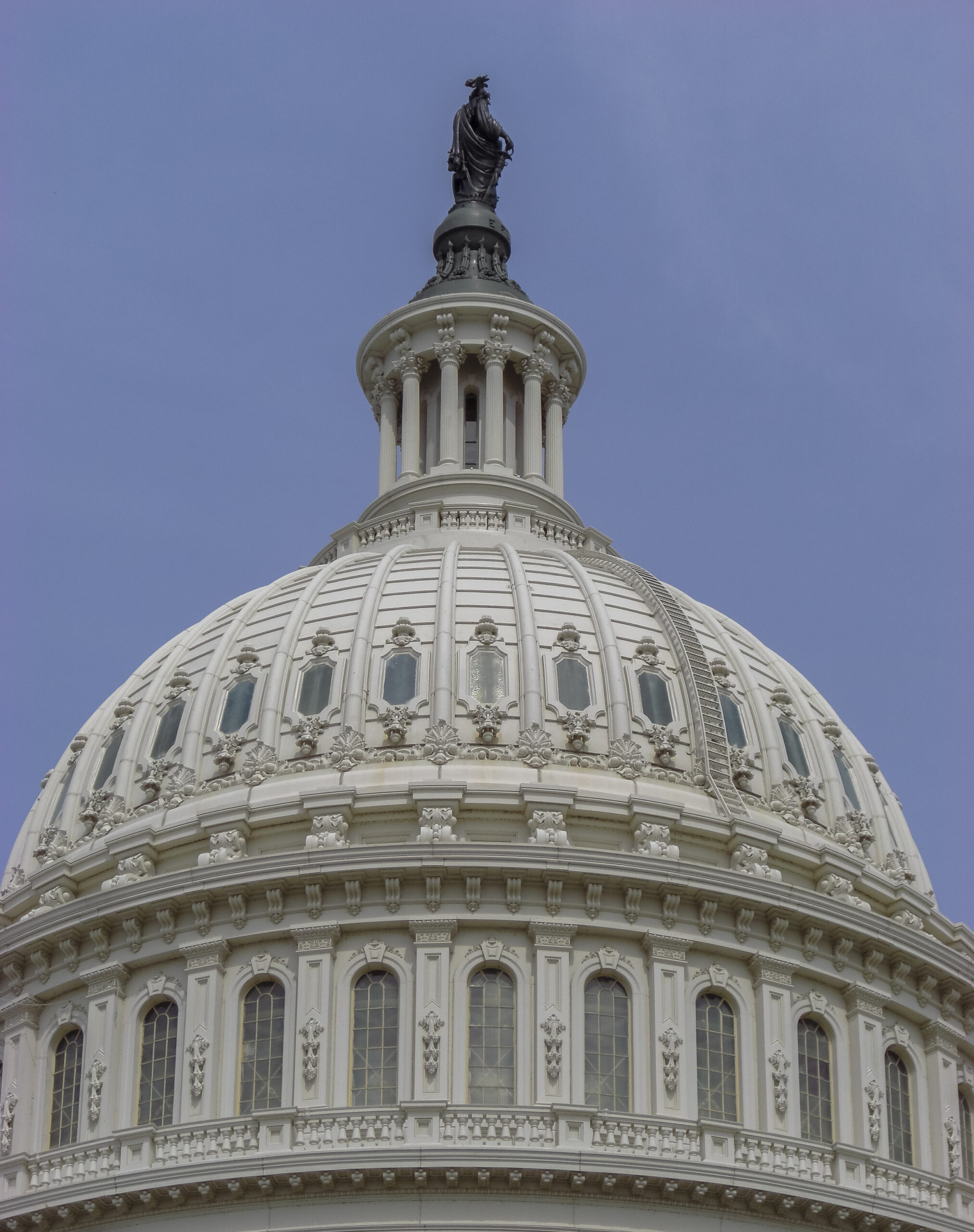
The Congressional App Challenge is a district-by-district coding competition hosted by individual Members of Congress. Students design and build an original application on any platform, in any programming language, and submit it with a short demonstration video and written responses about the development process. Judges appointed by each participating congressional office select one winning app per district, and the recognition arrives with an unusually official imprimatur: a display in the U.S. Capitol, a feature on the competition and House.gov pages, a copyright fee waiver under the ARTS Act, and an invitation to the #HouseOfCode celebration.
The structural quirk families should understand first: there is no national judging round. A student competes against however many entrants their own district produces, which varies enormously from district to district. That makes the challenge dramatically more accessible than national competitions, and it is also exactly why admissions readers weigh it the way they do – a point covered below. The challenge is unrelated to the Congressional Award, a non-competitive program that recognizes hours of service, personal development, and fitness.
The 2026 Timeline and Deadlines
| Milestone | 2026 Date |
|---|---|
| Challenge launches; student registration and submissions open | May 1, 2026 |
| Deadline for Members of Congress to register their district to host | September 15, 2026 |
| Student registration and app submissions close | October 26, 2026, 12:00 PM ET |
| District judging window | October 28 to November 23, 2026 |
| District winners announced | By December 31, 2026 |
| Computer Science Education Week celebrations | December 8 to 14, 2026 |
Source: Congressional App Challenge official 2026 schedule and congressional toolkit.
The deadline detail that catches students every year is the hour: submissions close at noon Eastern, not midnight. A West Coast student planning to submit on deadline day has until 9:00 AM local time. Build the calendar around an October 19 personal deadline and the real one stops mattering.
Eligibility and the District Rule
Any middle or high school student who is a U.S. resident at the time of submission may enter; there is no citizenship requirement. Students compete individually or in teams of up to four, and each student or team submits one app to a single district. The district rule is the strategic center of the competition: a student may compete either in the district where they live or the district where they attend school, and for teams, at least half of the teammates must be eligible in the chosen district.
Participation is at each congressional office’s discretion, and Members had until September 15, 2026 to register their district as a host. If a student’s Member of Congress is not hosting, that student cannot enter in that district – which makes checking the participating districts list the actual first step, before a line of code is written. Students whose home and school districts differ hold a legitimate choice, and where both districts host, it is worth making that choice deliberately.
What You Submit and How Judging Works
Submissions run through the competition website and consist of the app itself, a demonstration video of roughly one to three minutes, and written responses about the development process. Any language and any platform qualify – a mobile app, a web tool, a game, a data project. Judging is local: each congressional office appoints its own judges, typically drawing on local technologists and educators, and enters its winner into the competition portal by November 23.
Two practical implications follow. First, a finished, working, modest app beats an ambitious broken one; judges spend most of their attention on the video, so a clear demonstration of a real problem being solved carries the submission. Second, because judging panels are local and non-specialist more often than not, the written responses and video should explain the problem and the build in plain language rather than assuming a technical reader.
What a District Win Means for College Admissions
Admissions readers know the structure, so honesty about the signal serves families better than inflation. A Congressional App Challenge win is a district-level distinction with an official government imprimatur, not a national title, and its weight depends heavily on what surrounds it. For an applicant building a computer science or civic-technology narrative, it functions as external validation of initiative and shipping ability – the rare high school credential that says a project was completed, judged, and publicly recognized. Our guide to computer science admissions strategy covers where competition credentials sit in a CS applicant profile.
On the application itself, the win belongs in the Common App Honors section, while the app itself – the sustained project behind it – usually earns a separate line in the Activities section, which is where the real narrative value lives. The calendar cooperates: winners are announced by December 31, so a senior who wins can still fold the result into regular decision applications through the additional information channel or a counselor update, and a junior who wins carries it into the following cycle intact. Paired with sustained work such as selective summer programs or the national contests in our overview of academic competitions, it reads as one proof point in a coherent record rather than a standalone trophy.
Frequently Asked Questions About the Congressional App Challenge
The Congressional App Challenge is the official computer science competition of the U.S. House of Representatives. Middle and high school students build an original app on any platform, submit it with a short demonstration video and written responses, and compete for a single winning slot in one congressional district.
Student registration and app submissions close on Monday, October 26, 2026 at 12:00 PM Eastern – noon, not midnight. Judging runs from October 28 to November 23, and district winners are announced by December 31, 2026.
Any middle or high school student who is a U.S. resident at the time of submission may enter; there is no citizenship requirement. Students compete individually or in teams of up to four, in either the district where they live or the district where they attend school, provided that district is hosting a challenge.
A district win is an official congressional recognition, and it is strongest as evidence of initiative and a completed, externally judged project inside a coherent computer science or civic technology narrative. Admissions readers know it is a district-level rather than national distinction, so the surrounding record determines how much it moves.
Each winning app is displayed for one year in the U.S. Capitol, featured on the competition website and the House of Representatives page, and covered by a copyright fee waiver under the ARTS Act. Winners are also invited to the #HouseOfCode celebration in Washington, D.C.
No. Participation is at each congressional office discretion, and Members had until September 15, 2026 to register as hosts. Students whose home district is not participating may still be able to enter through the district where they attend school if that district hosts.
Submissions consist of the app itself, a demonstration video of roughly one to three minutes, and written responses about the development process. Any programming language and any platform are allowed, and completed, working projects are expected.
Yes. Teams of up to four students may enter together, and at least half of the teammates must be eligible to compete in the chosen district. Each student or team may submit one app to a single district.
Sources: Congressional App Challenge Official Rules, Congressional App Challenge Student Registration, Congressional App Challenge 2026 Congressional Toolkit, Rep. Deborah Ross – Congressional App Challenge, Rep. John Mannion – Congressional App Challenge
About Oriel Admissions
Oriel Admissions is a Princeton-based college admissions consulting firm advising families nationwide on elite university admissions strategy. Our team pairs deep admissions expertise with a distinctive 360 approach spanning positioning, testing strategy, essays and application execution. To discuss your strategy, schedule a consultation.