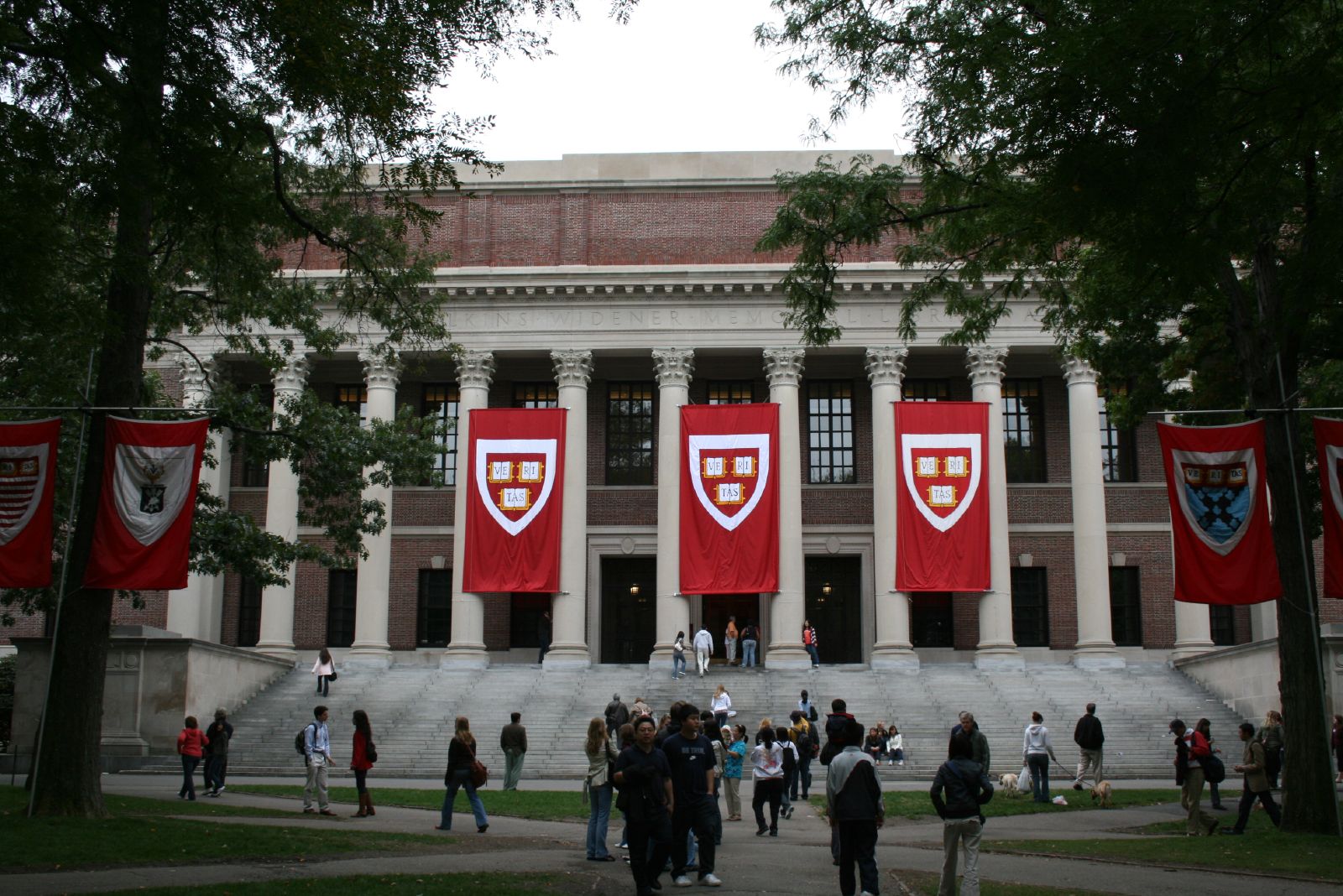
What Is Harvard’s Acceptance Rate for the Class of 2030?
Harvard has not released an official acceptance rate for the Class of 2030. The university notified Regular Decision applicants on March 26, 2026 but withheld applicant totals, admit counts, and acceptance rate data for the second consecutive year (Harvard College Office of Admissions). Class of 2030 figures will be published in October 2026 alongside Harvard’s mandatory U.S. Department of Education filing through the IPEDS fall admissions survey and the Common Data Set.
Harvard adopted this annual-release policy ahead of the Class of 2029, citing the 2023 Supreme Court decision in Students for Fair Admissions v. Harvard as the operative reason. The university’s stated rationale is that consolidating disclosure into a single fall release provides the most complete view of the newly enrolled class, reducing confusion and offering a predictable timeline.
For families needing a working planning estimate during the interim, the most reasonable expectation falls in the 3.2% to 4.2% range, consistent with the past five cycles. Application volume is the primary swing variable – admit counts have remained virtually constant. Following the SAT and ACT requirement reinstatement in 2024, applications fell from 54,008 (Class of 2028) to 47,893 (Class of 2029). Whether Class of 2030 application volume rebounded or stabilized further determines the final rate.
What Were Harvard’s Class of 2029 Admissions Numbers?
Harvard’s last fully released overall acceptance rate is 4.2% for the Class of 2029, based on 2,003 admitted students from 47,893 applications (Harvard Magazine, November 2025). The yield rate, meaning the share of admitted students who matriculated, was 83.6%, producing a final enrolled class of 1,675 students from 50 U.S. states and 92 countries.
The Class of 2029 was the first cohort required to submit SAT or ACT scores after the Faculty of Arts and Sciences reinstated mandatory testing in spring 2024. Application volume declined approximately 11% year-over-year as a direct consequence, from 54,008 to 47,893. With admit counts held nearly constant near the 2,000 target, the smaller applicant denominator produced a slightly higher overall acceptance rate than the prior cycle.
International students made up 15% of the enrolled Class of 2029, first-generation students 20%, and an estimated 21% of students were eligible for federal Pell grants, a modest increase from 20.6% in the Class of 2028.
How Has Harvard’s Acceptance Rate Changed Over Time?
Harvard’s overall acceptance rate has trended downward across the past decade, driven almost entirely by application volume increases rather than changes in class size. The university maintains a tight target of approximately 1,650 to 1,700 enrolled students each year and consistently extends offers to roughly 2,000 applicants to achieve that yield-adjusted enrollment (NCES College Navigator).
| Class | Applications | Admitted | Acceptance Rate | Yield Rate |
|---|---|---|---|---|
| 2030 | Not released | Not released | Not released | Not released |
| 2029 | 47,893 | 2,003 | 4.2% | 83.6% |
| 2028 | 54,008 | 1,970 | 3.6% | 83.6% |
| 2027 | 56,937 | 1,965 | 3.5% | 83.7% |
| 2026 | 61,221 | 1,984 | 3.2% | 83.0% |
| 2025 | 57,786 | 2,318 | 4.0% | 84.2% |
| 2024 | 40,248 | 2,015 | 5.0% | 69.8% |
| 2023 | 43,330 | 1,950 | 4.5% | 82.1% |
| 2022 | 42,749 | 1,962 | 4.6% | 82.0% |
| 2021 | 39,506 | 2,037 | 5.2% | 84.0% |
Source: Harvard Common Data Set (multiple years), Harvard Magazine, and Harvard College Office of Admissions. Class of 2030 figures will be released in October 2026.
Application volume peaked at 61,221 for the Class of 2026 during the pandemic-era test-optional surge, a 55% increase over the Class of 2021’s 39,506 applications. The post-peak decline tracks two distinct events: Harvard’s 2024 reinstatement of standardized testing requirements, and applicant self-selection following the 2023 Students for Fair Admissions v. Harvard Supreme Court decision. Despite the recent decline, Class of 2029 application volume remained 21% higher than the pre-pandemic Class of 2021.
The yield rate, historically Harvard’s most stable admissions metric, has held above 83% for every cycle since 2021, one of the highest in American higher education and a significant constraint on waitlist activity.
How Does Restrictive Early Action Compare to Regular Decision at Harvard?
Harvard offers Restrictive Early Action, a non-binding early program that prohibits applicants from applying early decision or early action to other private universities, with limited exceptions for public universities and foreign institutions. Admitted REA applicants have until May 1 to commit.
Harvard has not released split data for the Class of 2029 or Class of 2030 under its new disclosure policy. The most recent fully reported cycle is the Class of 2028:
| Round | Applications | Admitted | Acceptance Rate |
|---|---|---|---|
| Restrictive Early Action | 7,921 | 692 | 8.74% |
| Regular Decision | 46,087 | 1,278 | 2.77% |
| Overall | 54,008 | 1,970 | 3.6% |
Source: Harvard University Common Data Set 2024-2025 (Class of 2028).
The REA rate has historically been roughly three times the Regular Decision rate. For the Class of 2027, the split was 7.56% REA versus an estimated 2.62% RD. For the Class of 2026, REA admitted 7.87%.
The structural advantage is real but commonly misunderstood. The REA pool is smaller and self-selected; it includes a higher concentration of recruited athletes, legacy applicants, and exceptionally prepared students. Harvard’s admissions office has consistently stated that applying REA does not grant a boost to a borderline candidate; the higher admit rate reflects the quality of the pool, not preferential treatment. Early admits typically fill 40% to 44% of the enrolling class, which compresses the Regular Decision pool against a smaller share of remaining seats.
For families weighing the early decision, see our Harvard admissions strategy guide for full guidance on when REA is the right choice.
What Is the Transfer Acceptance Rate at Harvard?
Harvard’s most recent reported transfer acceptance rate is 0.71% for Fall 2024 admissions (Harvard Common Data Set 2024-2025). That figure is dramatically lower than the first-year overall rate, reflecting both Harvard’s high yield, which produces few open seats, and a small institutional target for transfer admits.
Harvard transfer applicants must have completed one full year of college coursework before matriculation. The university does not publish a target transfer class size, but historical data suggests roughly 10 to 15 students are typically admitted per cycle out of applicant pools of 1,400 to 1,800.
How Does Harvard’s Waitlist Work?
Harvard does not publish complete waitlist statistics, and the school’s official position is that waitlist outcomes vary year-to-year based on yield. The most recent confirmed figures, drawn from press coverage and Common Data Set filings:
- Class of 2029: 75 students admitted from the waitlist
- Class of 2028: 41 students admitted from the waitlist
- Class of 2027: approximately 60 students admitted
Harvard’s official statement, repeated in admissions communications and the Common Data Set, is that in some years the school has admitted no one from the wait list, while in others, more than 200 candidates have earned admission. The waitlist is unranked, and decisions begin in May after the May 1 enrollment deadline (NACAC).
For a yield-driven institution, the waitlist functions as a precision tool to fill institutional priorities such as specific academic departments, geographic distribution, and financial aid balance, rather than a meaningful second-chance pool for the average waitlisted candidate.
If you have been waitlisted, see our Harvard waitlist guide for the strategic framework on Letter of Continued Interest, mid-year academic updates, and timing.
How Does Harvard’s Acceptance Rate Compare to Peer Schools?
Harvard sits among the most selective universities in American higher education, but is no longer alone at the very top of the selectivity spectrum. For the Class of 2030, several peer institutions have posted comparable or lower admit rates:
| School | Class of 2030 Acceptance Rate |
|---|---|
| Caltech | ~3% |
| Harvard | Not released (est. 3-4%) |
| Princeton | ~4% |
| MIT | ~4% |
| Stanford | ~3-4% |
| Columbia | ~4% |
| Yale | 4.2% |
| Brown | ~5% |
| Penn | ~5% |
| Duke | ~5% |
Source: Institutional press releases and Common Data Set filings, Class of 2030 data.
For the full ranked comparison across all top-25 universities, see our Class of 2030 acceptance rates analysis and our Ivy League acceptance rates breakdown.
Why Does not Harvard Release Official Admissions Data on Ivy Day?
Harvard’s policy shift, adopted ahead of the Class of 2029, consolidates all admissions data into a single annual release in October or November. The university provides two reasons:
Operational rationale: Harvard states that the 2023 Supreme Court decision in Students for Fair Admissions v. Harvard prevents the admissions office from accessing complete demographic and applicant information until enrollment is finalized. A single post-cycle release allows the most complete and verified data to be published.
Strategic context: Harvard has faced sustained external scrutiny since 2023, including federal investigations, congressional hearings on antisemitism, and political pressure related to DEI initiatives, as covered extensively by The Harvard Crimson. Reduced mid-cycle disclosure limits reactive media coverage and limits the data set available to litigants and federal regulators during active review. Princeton adopted a similar consolidated-release policy several years earlier; Harvard appears to have followed that template.
The practical effect for prospective applicants is that working with the most recent available data (Class of 2029) is now the only verified path until October each year. Industry estimates and projections fill the gap during the interim, but should be treated as estimates rather than confirmed figures.
What These Numbers Mean for Your Family’s Harvard Application
The headline acceptance rate, whether 3.2% or 4.2%, is the wrong number to plan against. The single rate obscures three distinct realities that matter much more for application strategy:
The applied rate for a typical strong applicant is much lower than the published rate. Harvard’s class is built around a small number of institutional priority categories. Recruited athletes (roughly 10% of admits), legacies (where the preference still operates), faculty children, and development-priority applicants together account for a meaningful share of admits. For an unhooked applicant in the regular pool, the effective acceptance rate is closer to 2% to 3%.
REA is not a strategic tilt for borderline candidates. Applying early to Harvard makes sense only if Harvard is your demonstrated first choice, your application is fully ready by November 1, and you would commit if admitted. The pool’s strength, not preferential treatment, drives the higher REA admit rate.
Yield economics constrain waitlist movement. With yield consistently above 83%, Harvard rarely needs to draw heavily from the waitlist. Plan as though waitlist admission is a low-probability outcome rather than a meaningful second chance.
For families considering Harvard, the work that matters is not gaming acceptance rate variation year-over-year but building an application that survives the comparative read against the strongest 5,000 to 8,000 applicants in the pool. For complete strategic guidance, see our Harvard admissions guide, Harvard financial aid for high-earning families, and Harvard versus Stanford comparison.
Frequently Asked Questions About Harvard Admissions
Harvard is in Cambridge, Massachusetts, just across the Charles River from Boston, with some professional schools on the Boston side. The setting combines a historic campus with access to a major city. Applicants drawn to Harvard often value its blend of a classic collegiate environment in Cambridge and the cultural, research, and internship opportunities of the greater Boston area, since the location shapes much of the academic and social experience available to undergraduates there.
Harvard is known for its global academic prestige, distinguished faculty and research, vast resources and endowment, and an influential alumni network across virtually every field. It combines historic reputation with strength across the liberal arts, sciences, and professional schools. Applicants drawn to its scholarly depth, name recognition, and extensive opportunities often see these as Harvard’s defining qualities, since few universities match its combination of history, resources, and worldwide influence.
Where scores are submitted, Harvard has generally considered an applicant’s best section results across test dates, a superscoring approach, allowing the strongest combined result to be shown. Because testing policies shift, applicants should confirm both the current requirement and the superscoring practice on Harvard’s admissions website before deciding which dates to report, since this affects how to present the most competitive score profile when choosing to submit scores.
No; Harvard meets full demonstrated financial need through need-based aid and does not award merit scholarships based on academic, athletic, or other achievement alone. Support is determined entirely by a family’s financial circumstances. Families hoping for merit money should understand Harvard’s model is purely need-based, so the focus belongs on the financial aid application, while those seeking non-need-based awards may need to consider institutions that offer merit scholarships instead.
It plays a limited role; like many of the most selective universities, Harvard focuses on academic strength, character, and fit rather than tracking every interaction, though genuine, specific engagement comes through in essays. Authentic interest still strengthens an application. Applicants should write thoughtfully about why Harvard suits them and engage sincerely where opportunities arise, since informed, specific interest improves an application even where its formal weight in the decision is modest.
When available, interviews at Harvard are typically conducted by alumni, depending on capacity in a given region, and not every applicant will be offered one. They are an opportunity rather than a requirement. Applicants should take advantage of an interview if offered to add dimension to their application, but should not worry if none is available, since not interviewing generally does not disadvantage a candidate in Harvard’s holistic review.
Harvard accepts the Common Application and the Coalition Application, along with its required supplements, and applicants may use either without advantage. The choice is a matter of convenience. Applicants should complete whichever platform they find easier and focus on the substance of essays and supplements, since the admissions outcome depends on the strength of the application itself rather than which accepted system a student uses to submit it.
Yes; Harvard practices need-blind admission for all applicants, including international students, and meets the full demonstrated need of those admitted, making it one of a small number of schools offering this to non-citizens. Ability to pay does not affect the decision. International applicants should apply confident that requesting aid will not count against them, since Harvard evaluates candidates without regard to financial need and then meets the demonstrated need of those it admits.
About Oriel Admissions
Oriel Admissions is a Princeton-based college admissions consulting firm advising families nationwide on elite university admissions strategy, pairing each student with a dedicated team of counselors and coaches. To discuss your strategy, schedule a consultation.