Maryland Honors College: The Living-Learning Programs, Admission, and Whether It Is Worth It
By Rona Aydin
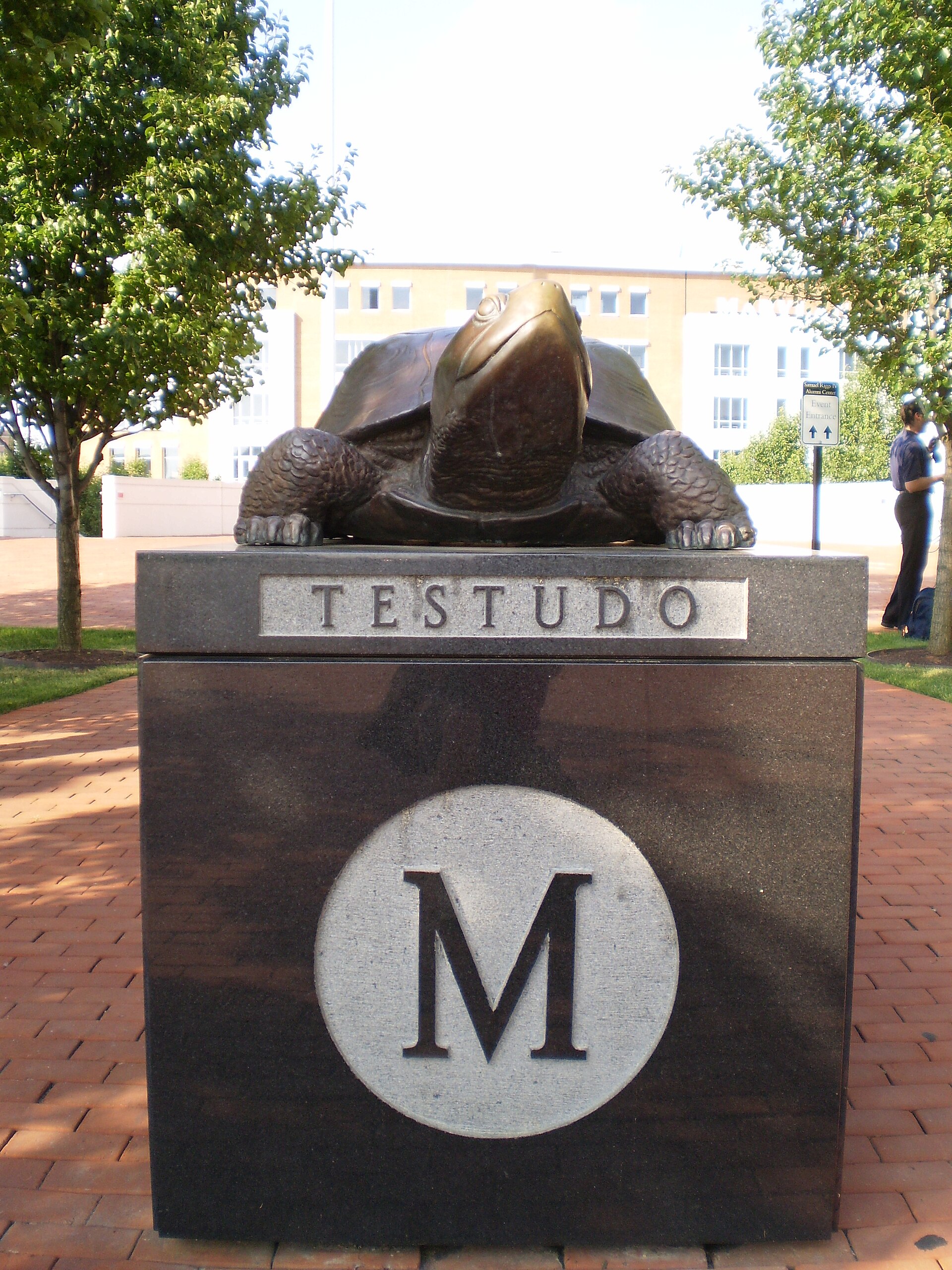
TL;DR: The UMD Honors College is not one program but a federation: every student invited is placed into one of eight living-learning programs, from the four-year Gemstone research program to the cybersecurity-focused ACES, and admission runs entirely through the Maryland application – apply by the November 1 early action deadline, and the Honors College invitation, if it comes, arrives inside the UMD acceptance letter by February 1, with no separate honors application at any point (University of Maryland Honors College). Invited students then rank the living-learning programs on a preferencing form due in mid-February, with placements following in early spring. The same November 1 pool feeds automatic merit review for the Banneker/Key, President’s, and Dean’s Scholarships. The mechanics, the eight-program map, and the honest value math. To position an application, schedule a consultation with Oriel Admissions.
Does UMD Have an Honors College – and What It Actually Is
Yes – and its structure is the most distinctive in this cluster. The UMD Honors College operates as an umbrella over eight living-learning programs, and every invited student joins the college by being placed into one of them. The programs are deliberately unconnected to majors: an engineering admit can spend two years in Honors Humanities, and a biology student can build in Design Cultures and Creativity. Most programs run two years and culminate in an honors citation; Gemstone, the four-year team-research program, is the exception and the flagship. The result is that the question is UMD Honors College worth it always resolves into a second question – which program – because the college’s value is delivered almost entirely through the living-learning program that houses, teaches, and communities each cohort.
| Living-Learning Program | Shape |
|---|---|
| Gemstone (GEMS) | Four-year multidisciplinary team research program – the flagship |
| ACES | Advanced Cybersecurity Experience for Students – about 65 students per cohort, two years in Prince Frederick Hall, a 15-credit curriculum |
| Integrated Life Sciences (ILS) | Focused two-year program for the life sciences |
| Design Cultures & Creativity (DCC) | Focused two-year program at the intersection of design, media, and technology |
| Honors Humanities (HH) | Focused two-year program in the arts and humanities |
| University Honors (UH) | The broad multidisciplinary two-year program – the largest door |
| Interdisciplinary Business Honors (IBH) | Two-year multidisciplinary program with a business lens |
| Honors Global Communities (HGC) | Two-year multidisciplinary program built around global engagement |
How to Get Into the UMD Honors College
There is nothing extra to file, which makes the mechanics unforgiving in one specific way: apply to Maryland with a complete application by the November 1 early action deadline, and you are automatically considered for the Honors College invitation – and for merit scholarships – with no separate honors application at any point. Miss November 1 and the honors question is closed for the cycle. Selection is a holistic read of the whole Maryland application; the university does not publish a formula, and admitted-student experience confirms that near-identical profiles can split between the Honors College and College Park Scholars invitations. The answer arrives inside the UMD acceptance letter itself, with admissions letters going out by February 1 – which means the searched question of when the UMD Honors College comes out has a clean answer: with the admission, by the first of February. One more mechanism worth knowing: approved deferrals through the Office of Undergraduate Admissions hold both the Honors College invitation and the living-learning placement for a full year.
The Preferencing Form: How LLP Placement Works
The invitation starts a second, smaller admissions process that most families discover in real time. Invited students complete the Honors College Living-Learning Preferencing Form – it appears in the UMD application checklist – ranking the programs they would genuinely accept, with the form due in mid-February and placements announced in early spring. Every form submitted by the deadline receives equal consideration; there is no first-come advantage, and submitting does not commit you to attending Maryland. Placement runs on stated preference, space, and fit, and the honest answer to the searched appeal question is that no formal placement-appeal channel is published: the preference form is the lever, which makes ranking only programs you would actually join the entire strategy – a student who lists Gemstone alone is not guaranteed Gemstone, and a student placed in a program they ranked reluctantly has little recourse beyond a conversation with the Honors College. Completing the form is also what converts the invitation into membership: it places you into one of the eight programs, though it confirms neither enrollment nor housing on its own.
Honors College vs College Park Scholars
The other persistent search confusion: College Park Scholars is not the honors program. Scholars is Maryland’s separate invitation-based living-learning community, running its own two-year thematic programs, and the two invitations travel independently – both arrive by invitation with the admission decision, both are holistic calls the university does not fully explain, and neither affects admission to a major or to Maryland’s limited enrollment programs. A student invited to Scholars rather than the Honors College has been offered a real community with a different selectivity band, not a consolation version of the same thing – and for families comparing offers, the practical difference lives in the living-learning program curricula and the honors citation, not in the campus housing experience, which both provide.
Is the UMD Honors College Worth It
The ledger, honestly kept: membership itself carries no automatic check – the college states plainly that admission does not guarantee a scholarship – but the same November 1 application feeds automatic review for Maryland’s merit tier, including the Banneker/Key Scholarships, the President’s Scholarship, and the Dean’s Scholarship, with merit decisions typically landing by early April. The durable return is structural: a two-year living-learning cohort that shrinks a 30,000-undergraduate flagship to seminar scale exactly when it matters, and in Gemstone’s case a four-year team research arc that functions as a genuine credential. For Maryland families the in-state math closes the case; for out-of-state families inside the D.C. orbit, ACES’s pipeline into the capital’s cybersecurity employers is the single strongest professional argument in this cluster’s southern half. Compare the invitation model with its close cousin at the Rutgers Honors College – one checkbox and essay there, pure automatic review here – and against Schreyer’s scholarship-carrying cohort, then read it beside our Maryland acceptance rate analysis, since the November 1 deadline governs both admission odds and every dollar of merit. For the full structure-versus-dollars board, our merit aid finder and the financial aid strategy guide for upper-middle-class families carry the comparison.
Frequently Asked Questions About the UMD Honors College
Yes – the University of Maryland Honors College, structured as an umbrella over eight living-learning programs ranging from the four-year Gemstone research program to two-year programs like ACES, Integrated Life Sciences, and University Honors. Every invited student joins by being placed into one of the eight.
By applying to Maryland itself: submit a complete application by the November 1 early action deadline and you are automatically considered – there is no separate honors application. Selection is a holistic review of the full Maryland application, and the invitation, if extended, arrives inside the UMD acceptance letter.
With the admission itself: Honors College invitations are included in the UMD acceptance letter, and admissions letters go out by February 1. Invited students then complete the living-learning preferencing form due in mid-February, with program placements announced in early spring.
Invited students rank the living-learning programs they would genuinely accept on a form in the UMD application checklist, due in mid-February. Every on-time form gets equal consideration, submitting does not commit you to Maryland, and placement runs on preference, space, and fit – no formal placement-appeal channel is published, so the ranking itself is the strategy.
No – College Park Scholars is a separate invitation-based living-learning community with its own two-year programs. The Scholars and Honors College invitations travel independently, both arrive with the admission decision, and neither affects entry to a major or to limited enrollment programs.
Not automatically – the college states that admission does not guarantee an award. But the same November 1 application feeds automatic merit review, including the Banneker/Key, President, and Dean Scholarships, with merit decisions typically made by early April, and the FAFSA governs need-based aid.
Yes, narrowly: students who have completed one year of Maryland coursework can apply, but the college describes current-student admission as highly competitive with extremely limited space. Approved deferrals, by contrast, hold both the invitation and the LLP placement for a full year.
For most invitees, yes: a living-learning cohort that shrinks a 30,000-undergraduate flagship to seminar scale in the first two years, Gemstone as a genuine four-year research credential, and ACES as a direct pipeline into Washington cybersecurity employers – with the November 1 application doubling as the merit scholarship entry. The invitation costs nothing extra to earn beyond applying early.
Sources: University of Maryland Honors College, First-Year Admissions, University of Maryland Honors College, Advanced Cybersecurity Experience for Students, UMD, University of Maryland College of Arts and Humanities, NCES College Navigator.
About Oriel Admissions
Oriel Admissions is a Princeton-based college admissions consulting firm advising families nationwide on elite university admissions strategy. Our team pairs deep admissions expertise with a distinctive 360 approach spanning academic planning, extracurricular strategy, essays and application execution. To discuss your strategy, schedule a consultation.