Is the National Student Leadership Conference (NSLC) Worth It? 2026 Honest Review
By Rona Aydin
What Is the National Student Leadership Conference and What Does It Actually Offer?
The National Student Leadership Conference (NSLC) is a for-profit summer program that offers career-focused leadership conferences for high school students on college campuses across the United States. Programs run 6 days, 9 days, or 18 days and cover specific career tracks including medicine, law, business, engineering, journalism, theater, international diplomacy, and many others. Students live in college dorms during the program, attend lectures and workshops, participate in career-specific simulations, and engage in structured social and team-building activities.
| National Student Leadership Conference at a Glance | Detail |
|---|---|
| Organization | NSLC (for-profit leadership conference provider) |
| Format | Residential on college campuses; some commuter options |
| Eligibility | High school students grades 9-12 (some middle school programs available) |
| Admission process | Open admission; “nominations” mass-mailed to thousands of students |
| Selectivity reality | Effectively any student who can pay tuition is accepted |
| Program length options | 6-day, 9-day, and 18-day programs available |
| Tuition (6-day) | $2,595 |
| Tuition (9-day) | $2,995 – $3,295 |
| Tuition (18-day) | $5,495 – $5,795 |
| Career tracks offered | Medicine, law, business, engineering, journalism, theater, and others |
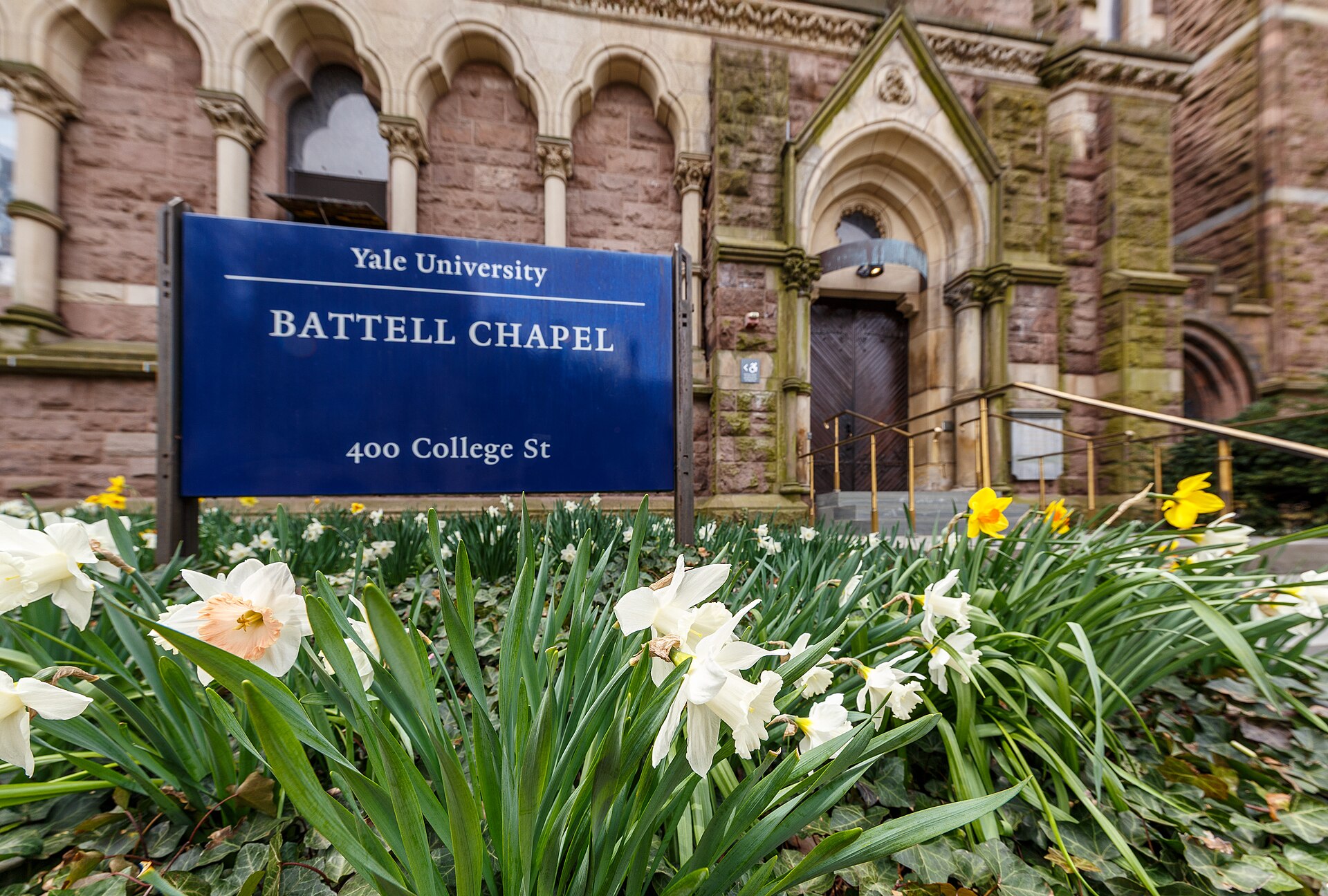
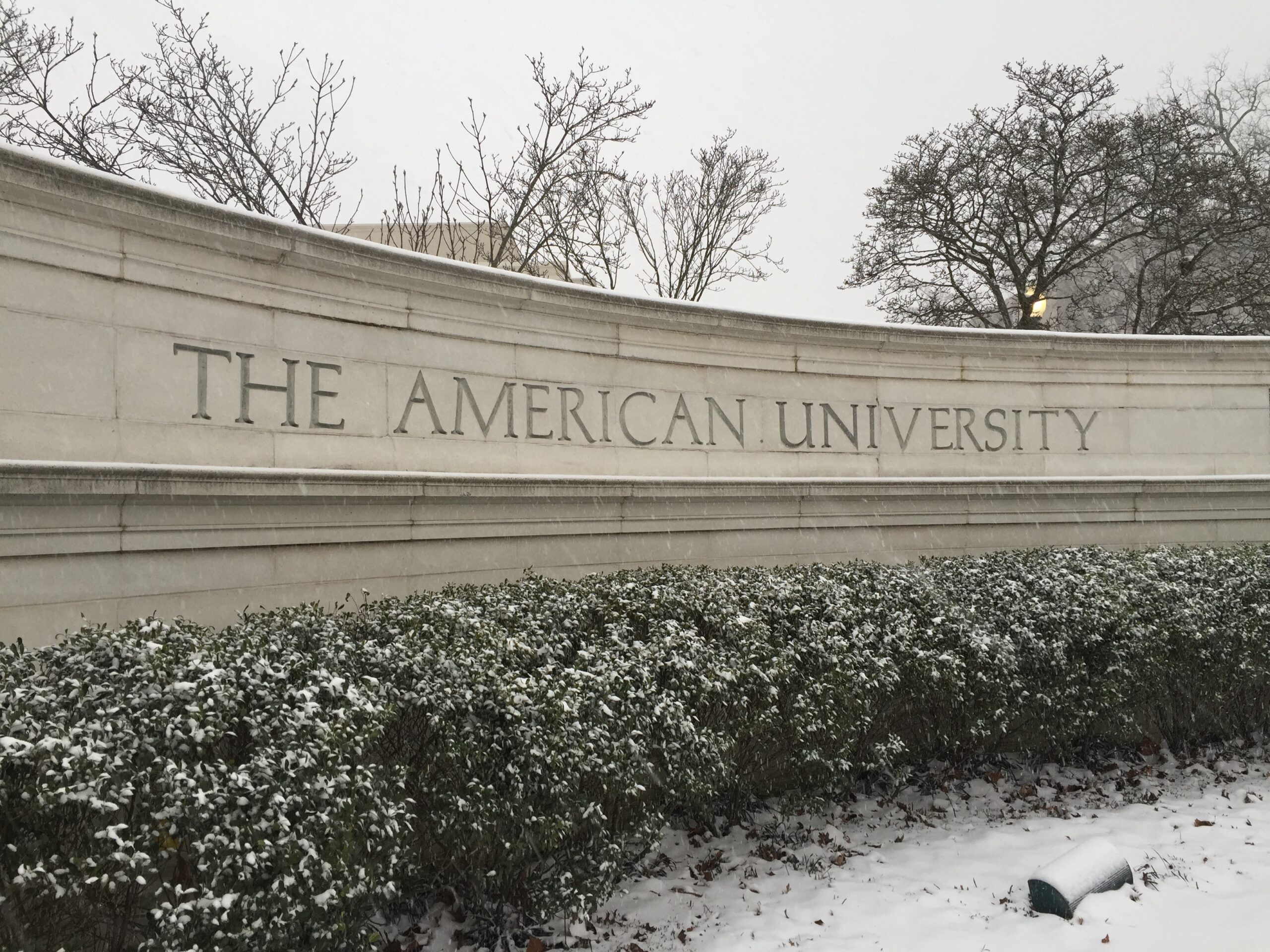
| Host campuses | American University, UC Berkeley, Northwestern, Yale, Duke, others |
| Optional college credit add-on | Available for additional fee |
| Letter of recommendation | Provided at program end (boilerplate, not personalized) |
| Financial aid | Limited scholarships available; most students pay full tuition |
| Admissions impact at competitive universities | None; widely recognized as pay-to-play credential |
NSLC operates programs at well-known universities including American University, UC Berkeley, Northwestern, Yale, Duke, and others. The campus association creates the impression that NSLC programs are operated by or affiliated with these universities, but this is misleading. NSLC rents dorm space and conference facilities from these universities during summer months when the campuses have excess capacity. The host universities do not review NSLC applications, do not endorse NSLC programs, and do not weight NSLC participation in their own admissions processes.
For students with genuine interest in career exploration, NSLC programs can provide useful exposure to specific professions through hands-on simulations, guest lectures from industry professionals, and field trips to relevant organizations. The career-specific content has substantive value when the student’s primary motivation is learning about a potential career path rather than building an admissions credential. Multiple parent and student testimonials describe positive experiential outcomes for genuinely interested participants.
How Selective Is NSLC, Really?
NSLC markets itself extensively as a “highly selective” program where students must be “nominated” to attend. This marketing is misleading in two specific ways. First, NSLC nominations are mass-mailed to thousands of students each year based on standardized test score data, PSAT participation lists, and similar broad criteria, not based on individual evaluation of student leadership qualifications. Receiving an NSLC nomination signals participation in the broad academic mainstream, not exceptional leadership or academic merit.
Second, NSLC nominations are not required to attend. Any high school student can self-nominate or apply directly through the NSLC website without ever receiving a mailed invitation. The application itself takes approximately ten minutes to complete and requires no recommendation letters, no essays of substantive length, and no demonstration of leadership experience. As long as the family pays the tuition or deposit, the student is accepted.
Industry analysis from PrepScholar, CollegeVine, and independent admissions consulting firms confirms that NSLC operates as a functionally open-admission program despite its selectivity marketing. The for-profit operator has commercial incentive to maximize enrollment, which is fundamentally incompatible with genuine selectivity. NSLC may decline applications that arrive after a specific program reaches capacity, but this is space-constrained rather than merit-based filtering. Effective acceptance rate for students who apply and can pay is essentially 100%.
Does NSLC Help College Admissions?
No. Admissions officers at competitive universities widely recognize NSLC as a pay-to-play credential that primarily signals family ability to pay rather than student leadership merit. The 2024 NACAC State of College Admission survey, combined with extensive independent admissions consulting analysis, confirms that NSLC participation carries minimal weight in admissions decisions at selective institutions.
NSLC’s strongest claimed admissions signal is the “letter of recommendation” students receive at program end. This document is functionally boilerplate, generated for all program participants, and recognizable as such to admissions readers who see hundreds of similar letters each cycle. A boilerplate recommendation from a paid program does not carry equivalent weight to a substantive recommendation from a teacher, counselor, or mentor who knows the student personally.
For students applying to highly selective universities, NSLC participation may have a marginal counterproductive effect. The combination of a paid pre-college credential plus a boilerplate recommendation reads as commercial credentialing rather than genuine intellectual development. Admissions officers reviewing thousands of applications can distinguish substantive leadership credentials (elected positions, sustained organizational impact, demonstrated initiative) from purchased participation experiences.
When NSLC Actually Makes Sense
NSLC creates real value for one specific student profile: students with genuine career exploration goals whose primary motivation is learning about a specific profession rather than building an admissions credential. For a student seriously considering medicine, the NSLC Medicine Intensive program provides hospital tours, physician interactions, hands-on medical simulations, and exposure to multiple medical specialties over 9-18 days. For a student exploring law, the NSLC Law program includes mock trials, court visits, and interactions with practicing attorneys.
These experiential elements have real value when the student approaches the program as a structured career exploration opportunity rather than as a college admissions investment. Students who finish NSLC programs with substantive new understanding of their chosen field, and who can articulate that learning in subsequent application essays, may benefit from the experience even though the credential itself carries no admissions weight.
For families with budget flexibility and a student with genuine career interest, NSLC’s career exploration content is more substantive than the marketing suggests. The program is not a scam; it delivers what it offers, which is structured career exposure with college campus immersion. The strategic mistake is interpreting that as admissions advantage.
When NSLC Is the Wrong Investment
For families viewing NSLC primarily as a college admissions accelerant, the $2,595-$5,795 cost is misallocated. The same investment, or substantially less, redirected toward more substantive credentials produces better admissions outcomes. Free competitive programs (RSI, TASS, PROMYS, Summer Science Program, Telluride Association Summer Seminar) confer real admissions advantage. Local internships, sustained volunteer work, independent projects, and skill-building programs (such as coding bootcamps or research mentorship programs) produce stronger application material than a generic leadership conference credential.
For students without genuine career interest in the specific NSLC track, the program adds little value. The career exploration content requires student engagement and curiosity to produce meaningful learning; passive attendance produces minimal benefit beyond a generic “I attended a leadership program” credential that admissions officers discount heavily.
For families paying primarily because NSLC sent a “selective” nomination letter, the decision rationale itself is flawed. The nomination is mass-mailed marketing material, not a recognition of merit. Students who would not have attended NSLC absent the nomination letter should reconsider whether the program serves their actual goals or whether the marketing has manufactured demand that the family’s underlying strategy does not justify.
How NSLC Compares to Other Pre-College Programs
NSLC sits in the open-admission, for-profit pre-college category alongside Envision’s National Youth Leadership Forum (NYLF), various career-themed summer camps, and similar commercial leadership conference providers. These programs share key characteristics: campus-based residential format on host university grounds, career-themed content, “selective” marketing that obscures effective open admission, and minimal admissions weight at competitive institutions.
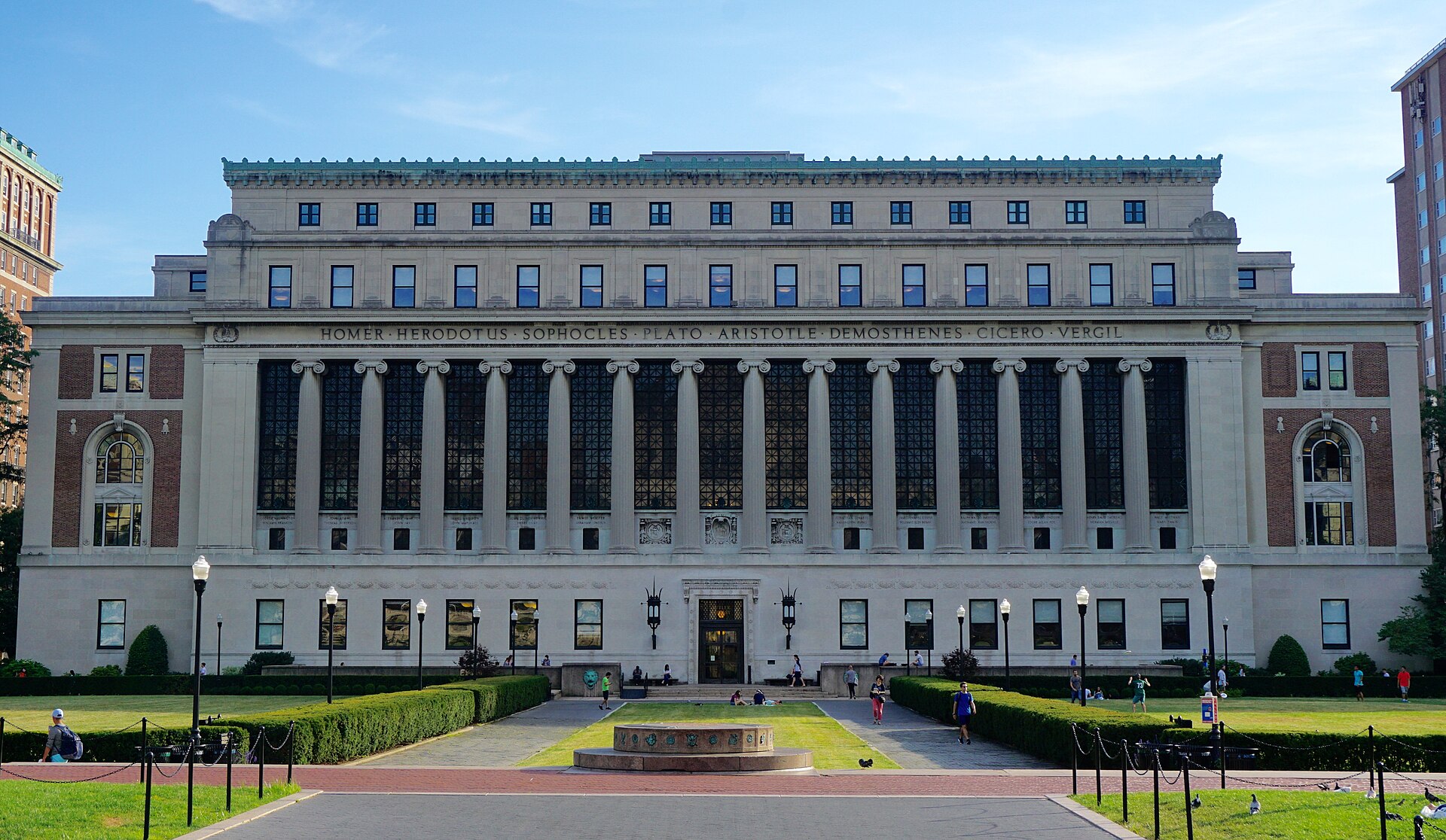
Compared to genuine university pre-college programs (Wharton Global Youth, Stanford Pre-Collegiate Summer Institutes, Brown Pre-College, Columbia Summer Immersion, Yale Summer Session Pre-College), NSLC is structurally different. University-operated programs are run by the host institution’s academic administration, even when admissions weight is limited. NSLC is run by a third-party for-profit company that rents campus space. The Wharton Global Youth Program is operated by The Wharton School; NSLC at Wharton would be a hypothetical example of NSLC renting Penn dorm space for an NSLC-branded program, which is fundamentally different.
For students seeking genuine admissions signal at low or zero cost, the alternatives are well-documented: Tier 1 free programs (RSI, TASS, PROMYS, Summer Science Program, Telluride), competitive national competitions (Intel ISEF, Regeneron STS, USAMO, USACO Platinum), sustained independent research, and local internships at research institutions, financial firms, or law offices. Each of these produces stronger admissions material than NSLC at lower cost. For a broader comparison across all the most prestigious summer programs for high school students, see our complete rankings and how to get in guide.
The Bottom Line for Families
NSLC is a legitimate experiential program that delivers career exploration content for students with genuine interest in specific professions. It is not a scam, and many students report positive experiential outcomes. The strategic mistake families make is paying $2,595-$5,795 expecting college admissions advantage that does not exist, often in response to “nomination” marketing that suggests selectivity the program does not actually have.
For families with genuine career exploration goals, modest budgets, and students approaching the program as a structured learning opportunity rather than an admissions investment, NSLC can be the right choice. For families paying primarily to strengthen college applications, the capital is better deployed toward free competitive credentials, local internships, sustained independent work, or broader application strategy support.
The honest framing is this: NSLC is a paid career exploration experience marketed misleadingly as a selective leadership credential. Treat the purchase decision based on what the program actually delivers (career content) rather than what its marketing implies (admissions advantage). For affluent families specifically, the $2,595-$5,795 expenditure is more strategically deployed elsewhere unless the career exploration value is the primary motivation.
Frequently Asked Questions About National Student Leadership Conference
Cancellation and refund terms are set by the organization and usually depend on timing, with deadlines after which deposits or tuition may be non-refundable. Policies vary by year. Families should read the current cancellation and refund policy carefully before paying, since withdrawing after certain dates often forfeits part of the cost, and understanding the schedule in advance prevents an unexpected financial loss if plans change before the program begins.
Enrolled students receive specific guidance, but generally they should prepare for a supervised residential stay with appropriate clothing, including business-casual attire for some sessions, plus study materials and personal essentials. Families should follow the official packing list provided after registration, since requirements vary by track and location, and arriving prepared for both structured activities and residential living helps a student participate fully.
It is unlikely to look bad, but it may simply carry little weight; admissions readers often recognize that such programs are paid and open to many applicants, so listing it adds little unless the student gained something genuine. It will not actively harm an application. Families should view it as a neutral-to-modest line rather than a differentiator, since what matters is authentic growth or initiative a student can show, not the program’s name alone.
Participants typically receive a certificate of completion, but a certificate of attendance carries little admissions weight on its own, since it reflects participation rather than selective achievement. It is not a meaningful credential to colleges. Families should not treat the certificate as a significant application asset, since admissions officers value demonstrated skill, initiative, and genuine accomplishment far more than documentation that a student attended a paid program for a week or two.
Programs like NSLC operate as supervised residential experiences with staff overseeing students, structured schedules, and standard safety procedures for minors away from home. Specific arrangements vary by site. Families should review the current supervision, housing, and safety policies and ask the organization directly about staffing and protocols, since a clear understanding of how students are monitored helps parents feel confident before sending a teenager to a multi-day residential program.
As a structured residential program, NSLC sets expectations around device and phone use to keep students engaged during sessions and activities, with specifics provided to enrolled families. Policies can vary by program. Families should review the current technology guidelines after registering, since understanding when and how students may use phones helps set expectations for both the participant and parents who want to stay in contact during the program.
Many paid pre-college and leadership programs, including ones like NSLC, offer installment or payment-plan options to spread the cost, and any available financial assistance is typically limited. Details vary by year. Families for whom the price is a stretch should ask the organization directly about payment plans and any aid, since spreading payments can ease the burden, though the program remains a substantial paid expense rather than a funded opportunity.
Admission to programs like NSLC is generally far less competitive than selective free programs, often based on a nomination or invitation plus enrollment rather than a rigorous essay or interview screen. The process is closer to registration than selective admission. Families should understand that a nomination does not signal selectivity, since these programs admit large numbers of paying students, and the limited screening is part of why the credential carries modest admissions weight.
Sources: National Student Leadership Conference official site, American University (a primary NSLC host campus), UC Berkeley Summer Sessions (another NSLC host site), NACAC 2024 State of College Admission, College Board BigFuture, and independent admissions consulting analysis of NSLC admissions value.
About Oriel Admissions
Oriel Admissions is a Princeton-based college admissions consulting firm advising families nationwide on elite university admissions strategy. Our team brings deep expertise across every dimension of the application, and our distinctive 360 approach develops strategy, positioning, activities, essays, and interviews as one coherent whole. To discuss your family’s admissions strategy, schedule a consultation.