Pomona Supplemental Essays Strategy: Prompts, Approach, and Strategy for 2025-2026
By Rona Aydin
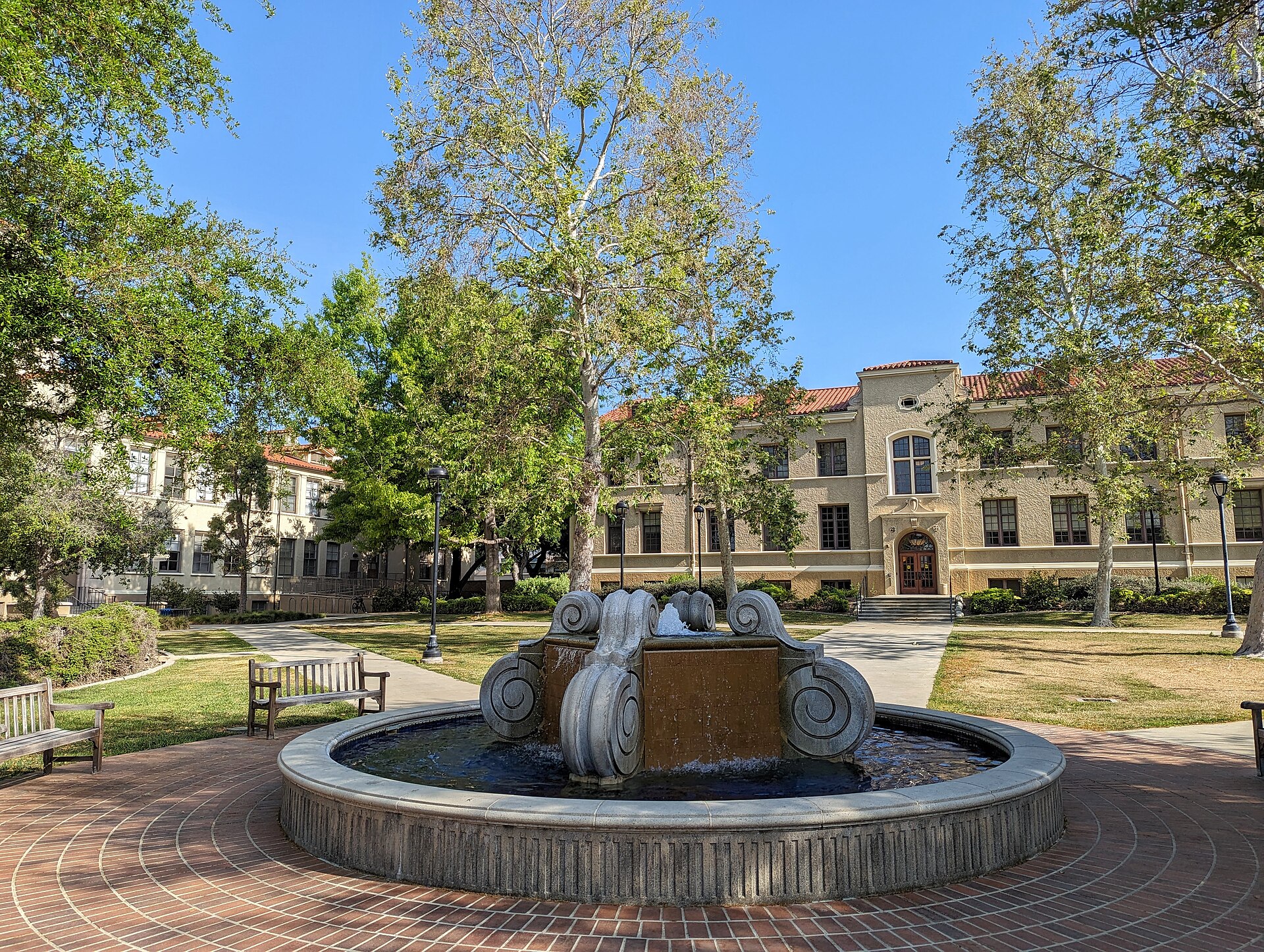
TL;DR: Pomona’s supplemental essays for 2025-2026 require several short essays totaling roughly 600 words, covering academic interest, community contribution, and personal voice (Pomona Admissions, 2025-2026). With a Class of 2029 acceptance rate near 6.9%, Pomona is distinctive for its membership in the Claremont Consortium of five undergraduate colleges, rewarding applicants who understand that structure and articulate fit with its small-LAC culture.
What Are the Pomona Supplemental Essay Prompts for 2025-2026?
The Pomona supplemental essays for the 2025-2026 cycle consist of several short essays totaling roughly 600 words, each with its own official word limit.
Pomona requires multiple short supplemental essays for the 2025-2026 admissions cycle. The prompts typically include a Why Pomona essay, an academic interest essay, a community contribution essay, and short-answer questions covering personal voice and perspective. Pomona’s membership in the Claremont Consortium – with Claremont McKenna, Harvey Mudd, Scripps, Pitzer, and two graduate institutions – is central to the undergraduate experience and is worth referencing specifically. For broader context on Pomona admissions strategy, see our how to get into Pomona guide and Pomona acceptance rate analysis.
| Prompt | Question | Limit |
|---|---|---|
| Essay 1 (Why Pomona) | Pomona is a member of the Claremont Colleges Consortium. What attracts you to the Claremont Colleges Consortium and to Pomona specifically? | ~200 words |
| Essay 2 (Academic Interest) | Pomona’s curriculum supports students in exploring across disciplines. What academic areas excite you and how might Pomona support your intellectual exploration? | ~200 words |
| Essay 3 (Community) | Pomona seeks students who will contribute to a diverse and engaged community. Tell us about an aspect of your identity, background, or perspective that you would bring to Pomona. | ~150 words |
How Should Applicants Approach Pomona’s Why Pomona Essay?
Pomona’s 200-word Why Pomona essay explicitly asks about both the Claremont Colleges Consortium and Pomona specifically. The dual structure means applicants must address two things in 200 words: what appeals about the consortium and what appeals about Pomona within it. Strong responses allocate roughly equal weight to both and demonstrate that the applicant understands how the consortium structure shapes Pomona’s distinctive culture.
Pomona is the founding institution of the Claremont Colleges and remains the largest of the five undergraduate colleges. Pomona students can cross-register at Claremont McKenna (focused on government, economics, and public policy), Harvey Mudd (focused on STEM), Scripps (historically a women’s college), and Pitzer (focused on interdisciplinary and progressive education). Strong essays name specific consortium resources the applicant would use – particular Mudd courses for STEM-interested Pomona students, particular CMC government courses for policy-interested students, particular Scripps gender studies courses.
Pomona-specific features worth referencing include the residential college system (sponsor groups for first-year students), the Sagehen mascot and athletic tradition, specific Pomona departments like Politics or Cognitive Science, the Pomona College Museum of Art, or the Robert J. Bernard Field Station for environmental research. Strong essays balance consortium awareness with specific Pomona engagement.
How Should Applicants Approach Pomona’s Academic Interest Essay?
Strong responses to the Pomona supplemental essays demonstrate genuine engagement with the school’s distinctive features rather than generic praise.
Pomona’s 200-word academic interest essay asks what academic areas excite the applicant and how Pomona might support their exploration. Strong responses identify specific intellectual questions within fields, demonstrate prior engagement, and connect to specific Pomona departments, professors, or interdisciplinary programs. The Claremont Consortium expands the curricular possibilities significantly, so strong essays often reference cross-campus resources alongside Pomona-specific ones.
Pomona’s small size (roughly 1,700 students) means students have direct access to faculty across departments. Strong essays name specific faculty whose research the applicant has read or specific courses they would want to take. For STEM-interested applicants, the Claremont Consortium offers significant flexibility – Harvey Mudd’s strong STEM offerings supplement Pomona’s own departments, and joint programs between Pomona and Mudd in fields like neuroscience or applied mathematics exist.
Generic praise of Pomona’s flexibility or liberal arts approach fails. The strongest essays describe specific intellectual questions and specific Pomona or consortium resources for pursuing them. The 200-word format rewards concrete depth over breadth.
How Should Applicants Approach Pomona’s Community Essay?
Pomona’s 150-word community essay asks about an aspect of identity, background, or perspective the applicant would bring to Pomona. After Students for Fair Admissions v. Harvard in 2023, this prompt has become Pomona’s primary mechanism for applicants to discuss identity and lived experience. The 150-word budget is tight – applicants must anchor in specific aspects of perspective and connect to specific Pomona contributions.
Strong responses identify one specific aspect of identity, background, or perspective and trace how it has shaped how the applicant engages with community. The contribution clause should name specific Pomona spaces – particular sponsor groups, specific student organizations, particular kinds of conversations the applicant would start. Generic claims about bringing diversity to Pomona’s community fail; specific anchored contributions succeed.
Pomona’s small size and California location shape the kind of community contribution applicants can make. Strong applicants signal awareness that Pomona is residentially intense (sponsor groups continue throughout the four years), socially integrated across the five consortium colleges, and shaped by California cultural and geographic context.
Why the Claremont Colleges Consortium Matters for Applicants
The Claremont Colleges Consortium is one of the most distinctive academic structures in American higher education. Five undergraduate colleges (Pomona, Claremont McKenna, Harvey Mudd, Scripps, Pitzer) and two graduate institutions (Claremont Graduate University, Keck Graduate Institute) share resources within walking distance of each other in Claremont, California. Students at any of the five undergraduate colleges can cross-register at the other four, use shared libraries and dining halls, and participate in shared student organizations.
Each undergraduate college has a distinct culture and focus. Pomona is the largest and most traditional liberal arts college. Claremont McKenna focuses on government, economics, and public policy with a more pre-professional orientation. Harvey Mudd is one of the top STEM-focused colleges in the country with required core curriculum. Scripps is historically a women’s college focused on humanities and arts. Pitzer is interdisciplinary and progressive with an emphasis on social responsibility.
Strong Pomona applicants understand the consortium structure and explain why Pomona specifically appeals over the other consortium options. Applicants whose Why Pomona essays could equally apply to CMC or Scripps signal that they have not engaged with what makes Pomona distinct within the consortium.
How Should Applicants Approach Pomona’s California Context?
Pomona is located in Claremont, California, approximately 35 miles east of Los Angeles. The California context shapes Pomona’s culture in ways that East Coast LACs do not match – the climate, the proximity to Los Angeles’s cultural and economic ecosystem, the geographic diversity of nearby outdoor spaces (mountains, deserts, coast), and the West Coast academic and professional networks all influence student experience.
Strong Pomona applicants signal awareness of how California context shapes the college without performing California identity they do not have. For applicants from California, naming specific California-focused programs or research opportunities can be appropriate. For applicants from other regions, signaling awareness without claiming expertise works better than ignoring the California setting entirely.
Pomona’s specific California-related opportunities include partnerships with Caltech and JPL for STEM research, internship access to Los Angeles institutions in entertainment, finance, and policy, and proximity to specific California ecosystems for environmental research. Strong applicants reference specific opportunities relevant to their interests rather than generic California enthusiasm.
When Should Applicants Start Drafting the Pomona Supplement?
Drafting the Pomona supplemental essays typically begins in mid-July to mid-August of the summer before senior year, depending on application round.
Pomona’s Early Decision I deadline is November 15 and Early Decision II/Regular Decision deadlines are January 8. Given the volume of writing required (approximately 600 words across multiple short essays), strong Pomona applicants typically begin drafting in mid-August of the summer before senior year for ED I, allowing six to eight weeks for brainstorming, drafting, revising, and polish. For broader senior-year application timing, see our Common App essay timeline.
The Why Pomona essay typically requires five to seven drafts because the dual structure (consortium + Pomona) is unusually demanding in 200 words. The academic interest essay typically requires four to six drafts. The community essay typically requires three to five drafts. Pomona’s short total supplement allows applicants to invest deeply in each essay rather than spreading effort across many prompts.
Pomona’s Apply page provides the canonical reference for current prompts and deadlines. Common Data Set data and admissions statistics are available through the NCES College Navigator.
What Most Commonly Causes Pomona Supplement Rejection?
The most common patterns in unsuccessful Pomona supplemental essays are generic praise without specific institutional references and treating the prompts as interchangeable with peer schools.
The single most common rejection pattern in Pomona supplements is failing to engage with the Claremont Consortium structure. Essays that praise Pomona without explaining how the consortium shapes Pomona’s distinctive culture signal that the applicant has not researched what makes Pomona different from other small LACs. The fix is naming specific consortium resources and explaining how the consortium structure appeals to the applicant specifically.
The second most common pattern is generic Pomona references. Praising Pomona’s ‘beautiful California campus’ or ‘small intimate community’ without naming specific departments, professors, sponsor groups, or programs fails. The fix is naming particular Pomona resources by name and explaining how they fit the applicant.
The third pattern is using all three essays to discuss the same dimension. Strong Pomona applicants map their full application before writing and ensure the three essays reveal three different dimensions – one academic, one community, one personal voice. Applicants who use the academic essay, the Why Pomona essay, and the community essay to discuss the same theme waste two of three opportunities.
Frequently Asked Questions About Pomona Supplemental Essays
Very. At roughly 6.9 percent admit rate, the supplement is the main differentiator among academically qualified applicants, and Pomona reads it for genuine fit with its specific consortium-based, California liberal arts culture. Strong numbers get you considered; an essay that could be sent to any small college is what gets you cut.
The Claremont Colleges are a cluster of five undergraduate colleges plus two graduate institutions sharing a campus, courses, and dining within walking distance, so a Pomona student can take classes and build a life across all of them. Pomona references it because that shared ecosystem is central to the experience; a strong essay names specific cross-college resources you would actually use rather than the consortium in the abstract.
Very specific, because 200 words leaves no room for filler. Anchor on concrete Pomona features (a particular program, a specific consortium resource, a distinctive aspect of the college) and tie them to your direction. Generic praise of the campus or California weather fails; the essay must prove you researched Pomona specifically and understand its place within the consortium.
Pomona is the most selective and traditionally the flagship liberal arts college of the consortium, with a broad, classic curriculum. The others each have distinct identities, from policy-focused to STEM-focused to arts-focused. The takeaway for your essay: make clear you want Pomona specifically, with its particular character, rather than simply a spot somewhere in the Claremont cluster.
Pomona offers a comparable academic intensity to top East Coast LACs but in a different setting: a sunnier, more open California campus and a consortium that widens its reach beyond a single small college. Applicants drawn to that combination should say so. The point for your essay is to lean into what Pomona uniquely offers rather than treating it as an interchangeable elite LAC.
At 150 words, every sentence has to earn its place. Choose one specific community and show both its character and your concrete role in it. Avoid the largest, most obvious identities unless your engagement is genuinely personal; a smaller, sharply defined community where your contribution is unmistakable produces a stronger short essay than a broad category.
Begin by mid-August before senior year if applying early. The Why Pomona essay needs several drafts to move from generic to specific, and the 150-word community piece needs multiple passes because compression is hard. The modest total length is an advantage: it lets you invest deeply in each prompt rather than spreading effort across many essays.
The recurring failures: a Why Pomona essay that praises the school or consortium broadly with no specific resources, treating Pomona as interchangeable with other consortium or East Coast colleges, a throwaway community essay, and generic references to the Claremont Colleges without genuine use cases. The fix is specific engagement with what makes Pomona distinct, anchored in something genuinely yours.
Sources: Pomona College Office of Admissions, Pomona College Office of Institutional Research, NCES College Navigator, National Association for College Admission Counseling (NACAC), and Common Application First-Year Requirements.
About Oriel Admissions
Oriel Admissions is a Princeton-based college admissions consulting firm advising families nationwide on elite university admissions strategy. Our team brings deep experience from the most selective admissions environments in the country. To discuss your family’s admissions strategy and supplemental essay coaching, schedule a consultation.