Rejected from Every College? Here Are 7 Steps to Take Right Now and the Data on Why It’s Not Over
By Rona Aydin

How Common Is It to Be Rejected from Every College?
Being shut out entirely is rare but not as uncommon as families assume, particularly among high-achieving students who applied exclusively to highly selective schools. Industry data suggests a small share of applicants who apply to many schools receive zero acceptances. The primary cause is a list with no realistic match or safety schools – a student who applies to 12 schools all with sub-15% acceptance rates has roughly a 14% chance of being rejected from all of them, even with a competitive profile (statistical modeling based on independent admissions probabilities). The reach, match, and safety framework exists specifically to prevent this scenario.
Step 1: Apply to Schools with Rolling Admissions Immediately
Many strong universities accept applications on a rolling basis well into the summer. These schools evaluate applications as they arrive and issue decisions within 4-6 weeks, meaning you can receive an acceptance in April or May and still enroll for the fall semester. This is the fastest path to a resolution. Common App allows you to add rolling-admissions schools to your existing application even after the traditional deadline cycle ends (Common App Help Center, 2025).
| Rolling Admissions School | U.S. News Rank | Acceptance Rate | Application Deadline |
|---|---|---|---|
| Penn State (University Park) | ~60 | ~55% | Rolling (space available) |
| Michigan State | ~77 | ~72% | Rolling through July |
| University of Pittsburgh | ~62 | ~57% | Rolling |
| Indiana University (Bloomington) | ~73 | ~80% | Rolling through summer |
| Arizona State | ~105 | ~88% | Rolling (virtually open) |
| University of Minnesota (Twin Cities) | ~53 | ~70% | Rolling |
| Rutgers University | ~40 | ~67% | Rolling through May |
Sources: U.S. News Rankings 2025; respective university admissions offices. Acceptance rates and deadlines are approximate and subject to change.
Step 2: Consider Community College as a Transfer Pathway
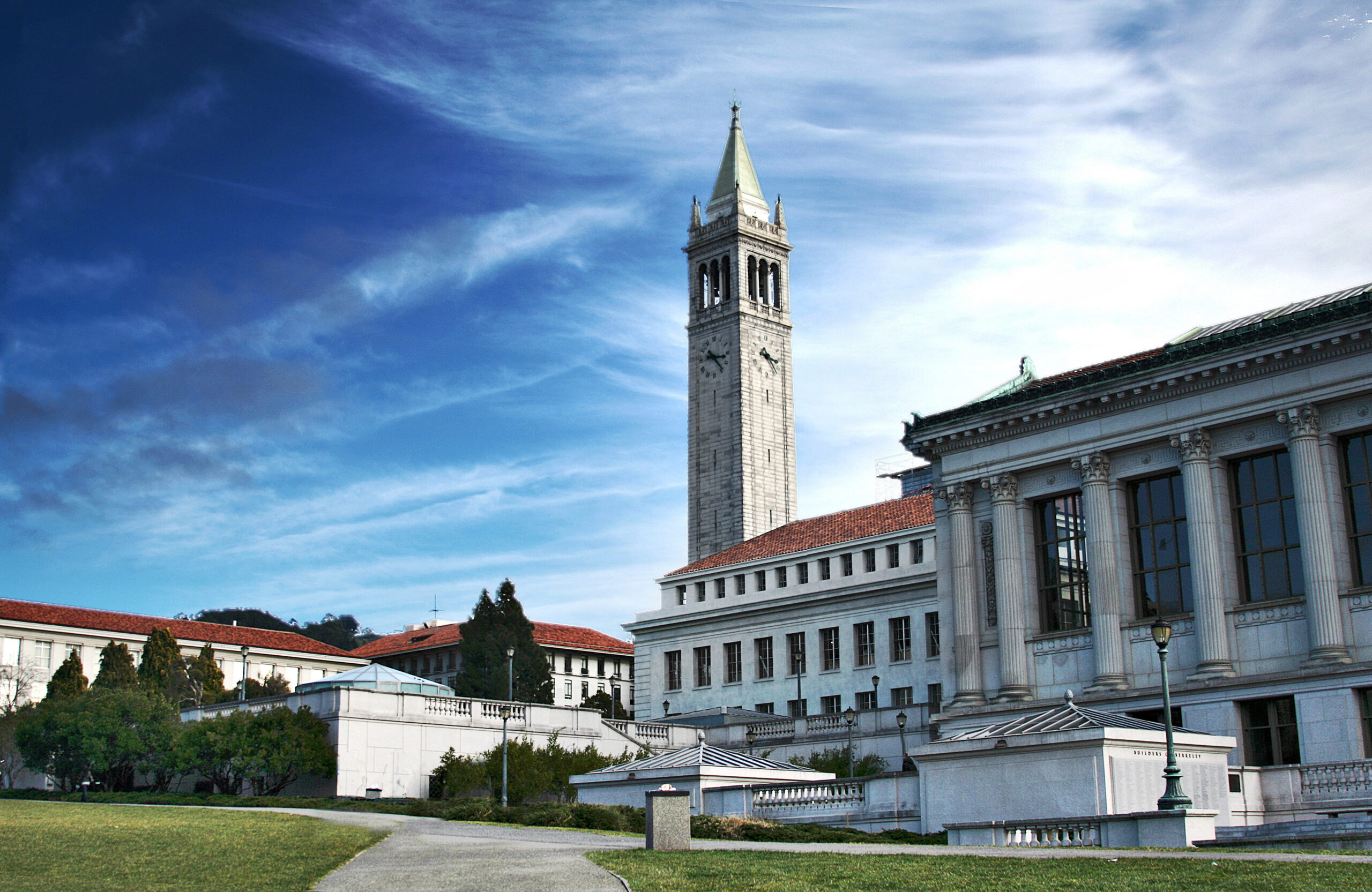
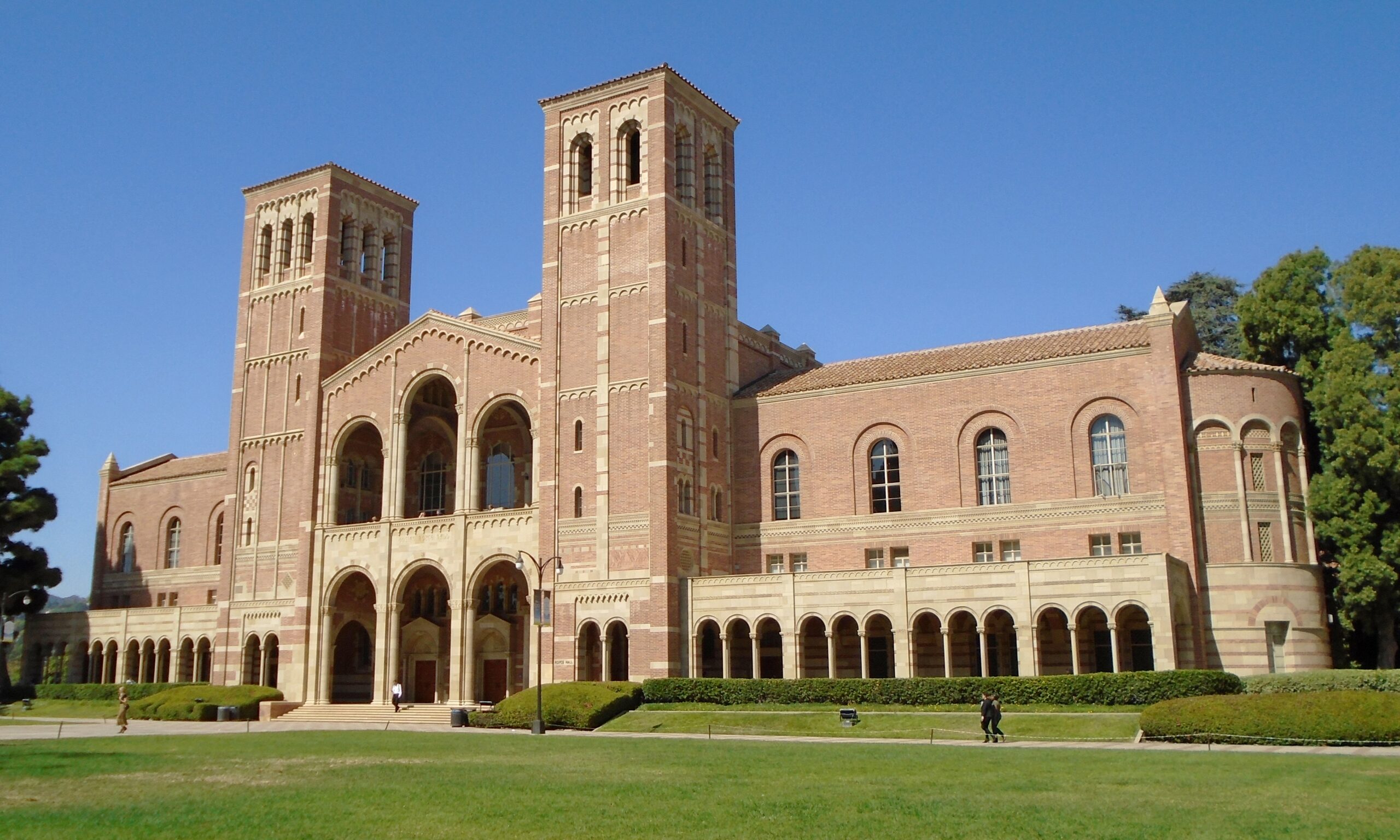
Community college is not a consolation prize – it is a strategically viable pathway to selective four-year universities. UC Berkeley admits approximately 5,500 transfer students annually, primarily from California Community Colleges, with transfer acceptance rates significantly higher than freshman rates (UC Berkeley Office of Planning and Analysis). UCLA’s transfer acceptance rate is approximately 23% compared to its 8.9% freshman rate (UCLA Admissions data, 2024). Virginia, Michigan, and several other flagship public universities have structured transfer agreements with community colleges. The financial benefit is also substantial: two years at a community college followed by two years at a four-year school can reduce total educational costs by $50,000-$100,000 (College Board Trends in College Pricing, 2024).
Step 3: Evaluate Gap Year Programs
A structured gap year allows you to strengthen your profile before reapplying. Harvard, MIT, Princeton, and many other selective schools actively encourage admitted students to defer for a gap year, signaling that a year of meaningful experience between high school and college is valued, not stigmatized (Harvard Admissions website; MIT Admissions blog). During a gap year, you can complete internships, research positions, or service programs that add genuine depth to your application. Organizations like Global Citizen Year, City Year, and AmeriCorps offer structured gap year experiences with college credit or stipend components. The key is intentionality – a gap year spent working part-time with no clear direction does not strengthen a reapplication.
Step 4: Analyze What Went Wrong with Your Original List
Before reapplying or moving forward, conduct an honest assessment of why every application resulted in a rejection. The three most common causes, per admissions counselors: an unbalanced list with too many reaches and no true safeties (the reach, match, and safety framework should include 2-3 schools with 35%+ acceptance rates where your credentials exceed the median), weak Common App essays that failed to differentiate you from the applicant pool, and a lack of demonstrated interest at schools that track it. A fourth less common cause is an application red flag – a disciplinary record, unexplained grade drop, or problematic social media presence – that may have triggered rejection across the board.
Step 5: Prepare a Stronger Reapplication for Next Cycle
If you choose to take a gap year and reapply, the reapplication must show meaningful growth since your original submission. Admissions officers at selective schools can see that you applied previously (colleges share applicant data with the Common App clearinghouse). Schools expect reapplicants to demonstrate what changed – new extracurricular depth, improved test scores (at schools that are not test-optional), stronger essays, and a more thoughtful college list. Consider working with a professional admissions consultant who can objectively assess your previous application and identify specific weaknesses. Reapplicants with genuine growth in their profile are admitted regularly – this is not a black mark. Oriel Admissions works with reapplicants to rebuild their strategy from the ground up.
Step 6: Consider Schools Still Accepting Applications
Beyond rolling admissions, many schools have extended deadlines or are still accepting applications after April 1. NACAC maintains a list of colleges with openings after the standard decision cycle each year (NACAC Space Availability Survey, published annually). This list typically includes 200+ accredited four-year schools with available seats. Additionally, some selective schools that experienced unexpectedly low yield may reopen applications or pull heavily from their waitlists. Check individual school admissions pages in April and May – some may accept late applications on a case-by-case basis.
Step 7: Build a Better College List for Next Time
Whether you are applying to rolling schools now, planning a gap year reapplication, or exploring transfer pathways, the fundamental lesson is list construction. A properly balanced list includes 2-4 reach schools (acceptance rate under 15%), 3-5 target schools (15-35% where your credentials are at or above the median), and 2-3 likely schools (35%+ where you are above the 75th percentile). Use our guide to how many colleges to apply to and the reach, match, and safety categorization framework to build a list that prevents a total shutout. Review yield rate data to understand which schools are most likely to admit applicants who demonstrate genuine interest.
Does Being Rejected from Every School Ruin Your Future?
No. The Dale-Krueger NBER research demonstrates that long-term career outcomes are driven by student quality, not institutional prestige. Students who attend community colleges and transfer to four-year universities earn comparable salaries to those who attended four-year schools from the start, when adjusted for ability and motivation (Belfield and Bailey, Community College Research Center, 2011). Employers care about skills, experience, and work ethic – not whether your college journey started with a rejection letter. The students who recover strongest from a total shutout are those who treat it as a data point, not a verdict – they analyze what went wrong, make strategic adjustments, and execute a better plan.
What Resources Are Available Right Now?
| Resource | What It Offers | Timeline |
|---|---|---|
| NACAC Space Availability Survey | List of 200+ schools still accepting applications | Published annually in May |
| Common App (rolling schools) | Submit to rolling-admission schools through summer | Immediate |
| Community College enrollment | Guaranteed admission with transfer pathways | Open enrollment through August |
| Gap Year Association | Directory of structured gap year programs | Rolling applications |
| Oriel Admissions | Reapplication strategy, list building, essay coaching | Immediate consultations available |
Final Thoughts
Being rejected from every school on your list is a painful experience, but it is not a permanent setback. The data shows that 3-5% of applicants find themselves in this situation, almost always due to an unbalanced college list rather than a fundamentally weak candidacy. Rolling admissions schools, community college transfer pathways, and gap year reapplication are all viable paths to excellent outcomes. The families who navigate this successfully are those who move quickly, analyze what went wrong honestly, and build a more strategic plan for the next step. For immediate guidance, schedule a consultation with Oriel Admissions – we work with families in exactly this situation and have helped students recover from total shutouts to secure admission at top schools through reapplication and transfer.
Frequently Asked Questions
Fully recoverable. Approximately 3-5% of college applicants receive zero acceptances from their original list, almost always because the list was unbalanced – too many reach schools and not enough matches or safeties. Several strong options remain: rolling admissions schools accept applications through the summer (many with acceptance rates above 50%), community colleges offer guaranteed admission with structured transfer pathways to selective universities, and a gap year with strategic reapplication often produces dramatically better outcomes the second time around.
Several well-regarded schools accept rolling or late applications: Penn State, Michigan State, University of Pittsburgh, Indiana University, Arizona State, University of Minnesota, and many state flagship universities. These are not consolation prizes – they are large research universities with strong programs, active alumni networks, and legitimate career pipelines. Penn State’s Smeal College of Business, Pitt’s engineering program, and Indiana’s Kelley School of Business are nationally ranked. For students who can regroup quickly, a strong match at a rolling school is far better than taking a gap year purely out of frustration.
A structured gap year does not look bad – it can significantly strengthen a reapplication. Admissions officers view gap years positively when the time is used meaningfully: working, conducting research, pursuing a structured program (City Year, AmeriCorps, Global Citizen Year), or developing a specific skill or project. A gap year spent without direction or growth does not help. The reapplication advantage comes from having additional material for essays, a more mature perspective, and the ability to address weaknesses in the original application – whether that was testing, extracurricular depth, or essay quality.
If the first application cycle produced zero acceptances, something was fundamentally wrong with the strategy – the school list, the essays, the positioning, or some combination. A qualified consultant with direct admissions office experience can diagnose what went wrong and rebuild the strategy for a reapplication or gap year plan. The ROI is highest for families where the student has strong credentials but the application execution was weak, which is the most common cause of total rejection. A consultant is less helpful if the underlying academic profile (GPA, testing) is genuinely below the threshold for the student’s target schools.
Yes, and at some schools the transfer acceptance rate from community college is actually higher than the freshman acceptance rate. UC Berkeley, UCLA, and the entire UC system have structured TAG (Transfer Admission Guarantee) agreements with California community colleges. Cornell has a strong transfer tradition, particularly into the College of Agriculture and Life Sciences. The key is performing exceptionally well in community college (3.8+ GPA) and building a compelling transfer narrative that explains your path. This route requires patience and discipline, but it is a legitimate pathway to a highly selective degree.
This is one of the most painful experiences in the college process, and it is more common than most families realize. First, separate the child’s self-worth from admissions outcomes – rejection at 3-10% acceptance rate schools is the statistically expected result for the vast majority of qualified applicants. Second, move to action quickly: research rolling admissions options, evaluate the gap year path, and create a forward plan within 1-2 weeks. The emotional recovery accelerates once there is a concrete next step. Many families who go through this experience report that the alternative path their child took – whether a gap year, a different school, or a transfer – ultimately produced a better outcome than the original plan would have.