Vanderbilt New York City Campus: The Chelsea Opening, the Semester Program and What It Means for Applicants
By Rona Aydin
TL;DR: Vanderbilt University opens its first campus outside Nashville in fall 2026: the Vanderbilt New York City campus, spanning 13 buildings on 2.7 acres in Chelsea and hosting a planned Undergraduate Semester Program of about 100 students per term alongside a new Master of Science in Business and Technology (Vanderbilt University, November 2025). The New York Board of Regents unanimously approved the academic programming, clearing the final regulatory hurdle. There is no separate undergraduate application – admission still runs through Nashville, where Regular Decision admitted 2.8% for the Class of 2030. To pressure-test your Vanderbilt strategy, schedule a consultation with Oriel Admissions.
What Vanderbilt Opened in New York City
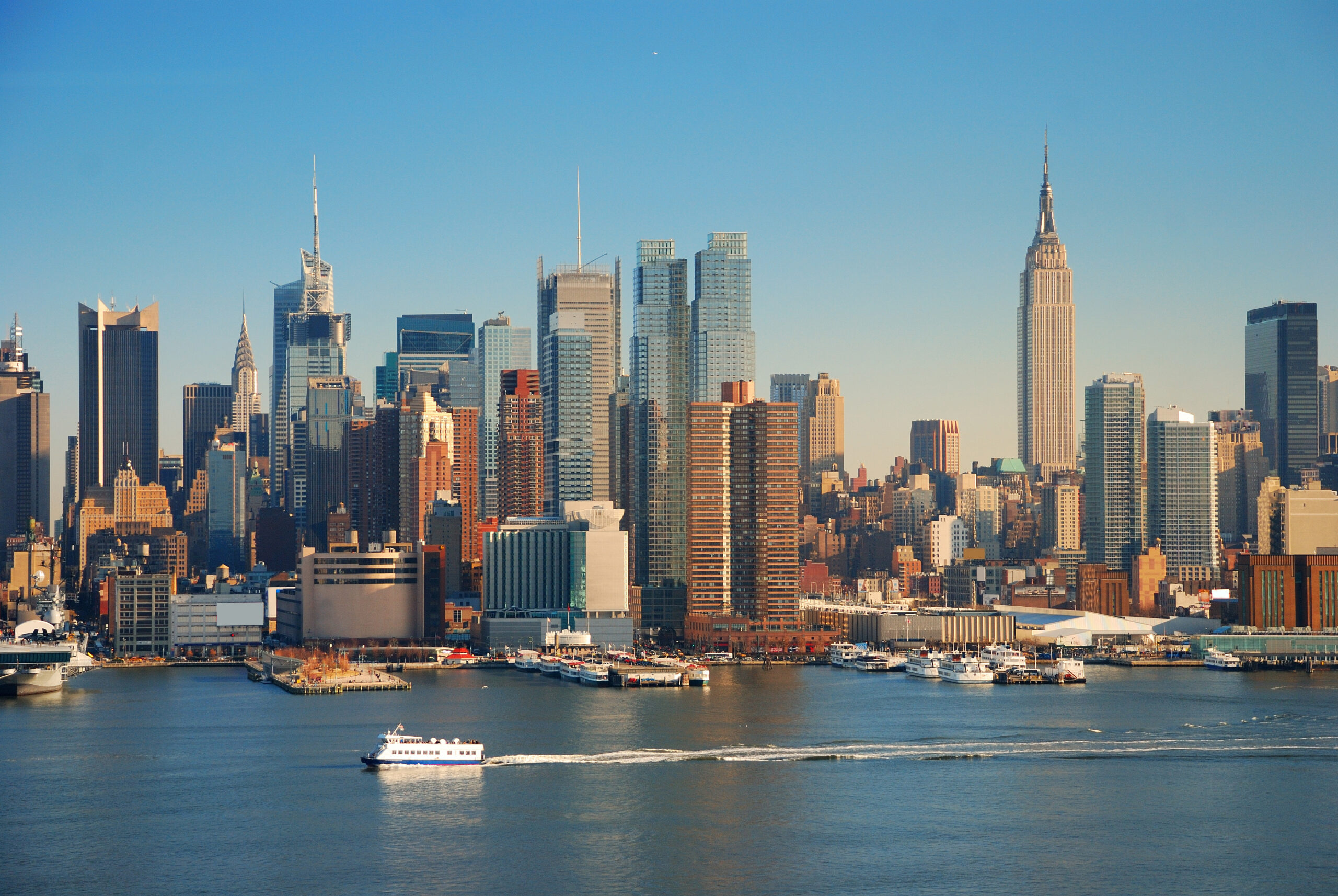
In November 2025, the New York Board of Regents unanimously approved Vanderbilt academic programming in the state, clearing the final regulatory hurdle for the university to establish its first campus outside Nashville. Vanderbilt University – New York City occupies nearly a full city block in Chelsea: 13 buildings on 2.7 acres, the former campus of the General Theological Seminary, secured under a long-term lease. It is a purpose-built collegiate quad in the middle of Manhattan rather than leased office floors, and that distinction shapes everything about the student experience Vanderbilt is designing there.
The campus welcomes its inaugural cohort in fall 2026 with two offerings: an Undergraduate Semester Program for enrolled Vanderbilt students and a new Master of Science in Business and Technology. Additional undergraduate summer programming and shorter intensives are expected to launch in the years ahead.
Inside the Undergraduate Semester Program
The semester program is a study-away experience, not a separate degree track. Participants – predominantly juniors and seniors – live in residence halls on the Chelsea campus and pair coursework with internships, research positions and project-based learning across the sectors New York runs at scale: finance, technology, media and the arts. Vanderbilt has estimated capacity at about 100 undergraduates per semester, pending approval by its accreditor, the Southern Association of Colleges and Schools Commission on Colleges.
Programming is shaped by a faculty advisory committee established in 2024, chaired by Vice Provost for Undergraduate Education Tiffiny Tung and co-chaired by Professor Jonathan Metzl. New York is also home to the largest Vanderbilt alumni community outside Nashville, which is the quiet asset in this launch: internship pipelines and mentorship density tend to follow alumni concentration, and Vanderbilt is building where its network is already thickest.
Vanderbilt New York City at a Glance
| Detail | Status |
|---|---|
| Location | Chelsea, Manhattan (former General Theological Seminary campus) |
| Footprint | 13 buildings on 2.7 acres, nearly a full city block |
| Opening | Fall 2026, inaugural cohort |
| Regulatory status | New York Board of Regents approval received November 2025 |
| Undergraduate offering | Semester Program, about 100 students per term (pending accreditor approval) |
| Graduate offering | Master of Science in Business and Technology |
| Focus sectors | Finance, technology, media and the arts |
The MS in Business and Technology: A First-Cohort Window
For graduate candidates, the more interesting story is the new degree. First cohorts are structurally the most accessible cycle a program ever runs: there is no published class profile to screen against, no entrenched applicant base competing for seats, and an admissions team building a class from a standing start while the program proves itself. That window narrows quickly as employment outcomes and word of mouth accumulate. Candidates targeting business-and-technology roles in New York who want a Vanderbilt credential should evaluate the inaugural and second cohorts seriously, applying the standard first-cohort diligence: scrutinize the faculty roster, the employer partnerships and the concrete commitments on career support before enrolling.
How New York Fits the National Expansion
New York is the first move in a three-city buildout. Vanderbilt is developing a graduate campus in West Palm Beach reported at roughly 300,000 square feet and about 1,000 students, focused on finance and technology degrees, on land conveyed by the city. In 2027, the university plans to open its San Francisco campus, anchored by the Huang College of Art, Architecture and Design. Chancellor Daniel Diermeier has said the New York campus began with a phone call from an alumna flagging that the seminary block had become available. The pattern across all three cities is consistent: plant the brand where talent, capital and industry concentrate, and let the Nashville admissions engine absorb the resulting demand.
What This Means for Applicants
The critical clarification first: there is no separate undergraduate application to the Vanderbilt New York City campus. Admission runs through the Nashville process, and the New York semester is something admitted students access once enrolled. Families comparing schools should read the campus as added value on the existing admission, not a second door in.
| Cycle | Total applications | Early Decision | Regular Decision | Overall |
|---|---|---|---|---|
| Class of 2029 | 48,681 | 13.2% | 3.3% | 4.7% |
| Class of 2030 | 56,447 (record) | 11.9% | 2.8% | Pending fall census |
For the Class of 2030, Regular Decision admitted 1,382 students from 48,720 applications (2.8%), while combined Early Decision admitted 11.9% of a record 7,727 applicants (Vanderbilt Office of Undergraduate Admissions). Yield reached 63.1% for the Class of 2029 and continues to climb (The Vanderbilt Hustler). A Manhattan campus in the headlines tends to push application volume higher still – visibility converts to applications much faster than it converts to seats.
For the full statistical history, see our Vanderbilt acceptance rate tracker. For round-by-round strategy, essays and the merit scholarship layer, see How to Get Into Vanderbilt.
How to Use New York in a Vanderbilt Strategy
For applicants, specificity wins essays. A why-Vanderbilt response that names the Chelsea semester, a target sector and the shape of a junior-year plan reads very differently than brand admiration – especially for students whose ambitions run through finance, media or technology. For graduate candidates, the move is timing: the MS in Business and Technology first-cohort window will not stay open long if the program lands well. For everyone, the documents worth watching are the accreditor decision on undergraduate capacity and the first full program details published for the opening academic year. Anchor the application on Nashville; use New York as proof of what the admission actually buys. Vanderbilt is not alone in the move east: Northeastern closed its own Manhattan merger with Marymount, and our Northeastern New York City campus guide covers that half of the story.
Frequently Asked Questions About the Vanderbilt New York City Campus
The campus welcomes its inaugural cohort in fall 2026. The New York Board of Regents unanimously approved the academic programming in November 2025, clearing the final regulatory hurdle for the first Vanderbilt campus outside Nashville.
The campus occupies the former General Theological Seminary block in Chelsea, Manhattan: 13 buildings on 2.7 acres, nearly a full city block, secured under a long-term lease.
Undergraduates cannot. Admission runs through the standard Vanderbilt process in Nashville, and the New York semester is an option for enrolled students. Graduate candidates can apply directly to the Master of Science in Business and Technology offered on the New York campus.
Enrolled Vanderbilt undergraduates, predominantly juniors and seniors. Students live in residence halls on the Chelsea campus and combine coursework with internships, research positions and project-based learning. Capacity is estimated at about 100 students per semester, pending accreditor approval.
It is a new graduate program launching with its inaugural cohort in fall 2026 on the Chelsea campus, built around the intersection of business and technology. First cohorts typically face the least competitive admissions cycle a program ever runs, because no established applicant base or published class profile exists yet.
No. Undergraduate admission still runs through Nashville, where Regular Decision admitted 2.8 percent for the Class of 2030 and combined Early Decision admitted 11.9 percent. Added national visibility tends to increase application volume, which pushes acceptance rates down rather than up.
Under Chancellor Daniel Diermeier, Vanderbilt is pursuing deliberate national growth: the New York City campus is the first outside Nashville, a graduate campus focused on finance and technology is planned in West Palm Beach, and a San Francisco campus anchored by the Huang College of Art, Architecture and Design is planned for 2027. The strategy places the brand where talent, capital and industry concentrate.
Treat it as concrete added value on a Vanderbilt admission rather than a separate destination. A Manhattan semester with structured internships in finance, technology, media and the arts is a tangible career asset, and it strengthens the case for Vanderbilt among students whose ambitions run through those sectors.
Sources: Vanderbilt University News, Vanderbilt Office of the Chancellor, Vanderbilt Office of Undergraduate Admissions, The Vanderbilt Hustler, NCES College Navigator, WSMV News4 Nashville.
About Oriel Admissions
Oriel Admissions is a Princeton-based college admissions consulting firm advising families nationwide on elite university admissions strategy. Our team pairs deep admissions expertise with a distinctive 360 approach spanning academic planning, extracurricular strategy, essays and application execution. To discuss your strategy, schedule a consultation.