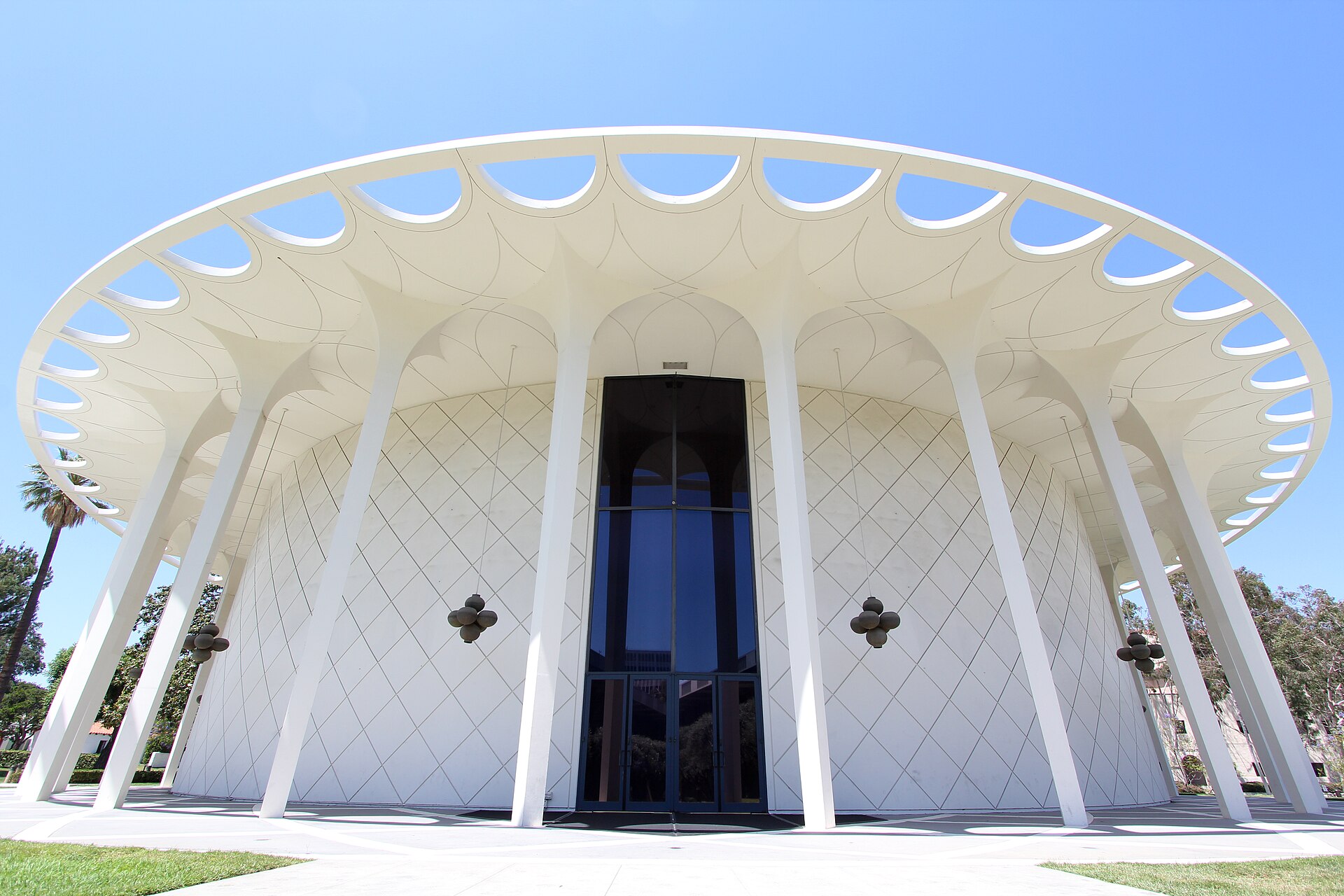
California Institute of Technology at a glance: California Institute of Technology is a private research university in Pasadena, California, founded in 1891. It is best known for its intense focus on science and engineering, a very small student body, world-leading research, and a rare concentration of Nobel laureates and top scientists. Families weighing Caltech against peer schools can schedule a consultation to build a targeted college list.
Source: California Institute of Technology (www.caltech.edu).
What Is California Institute of Technology Known For?
Caltech is known, above all, for being one of the most focused and rigorous science and engineering universities in the world. Founded in 1891 and based in Pasadena, the California Institute of Technology enrolls only a small number of undergraduates, yet it stands among the most influential research institutions anywhere. It is especially known for physics, engineering, computer science, chemistry, and the planetary sciences, along with its close ties to NASA’s Jet Propulsion Laboratory. For many families, Caltech’s appeal lies in the chance to work directly with world-leading scientists in an environment built entirely around discovery, rigor, and quantitative excellence.
What sets Caltech apart is the intensity and purity of its scientific mission. The university is known for an extraordinarily demanding curriculum, a very low student-to-faculty ratio, and a culture in which nearly every undergraduate takes part in serious research. Its faculty and alumni include a remarkable number of Nobel laureates relative to its tiny size. Caltech is also known for its honor code and collaborative problem-solving culture. Prospective students are usually drawn by the promise of studying science and engineering at the highest level, surrounded by peers and mentors who share an uncommon passion for how the world works.
Which Academic Programs Is Caltech Best Known For?
Physics and Astronomy. Caltech is a global leader in physics and astronomy, home to groundbreaking research and a faculty that includes numerous Nobel laureates.
Engineering. The institute is renowned for engineering, including aerospace, electrical, and mechanical engineering, with strong ties to the Jet Propulsion Laboratory.
Computer Science. Caltech’s computer science program is small but highly regarded, with strengths in theory, machine learning, and computation.
Chemistry and Chemical Engineering. The institute is known for pioneering work in chemistry and chemical engineering, areas in which it has produced landmark discoveries.
Planetary and Earth Sciences. Through its management of the Jet Propulsion Laboratory, Caltech is a leader in planetary science, geology, and space exploration.
Applied Mathematics. Strong programs in applied mathematics and quantitative science underpin the institute’s research across every field.
| Category | What Caltech Is Known For |
|---|---|
| Type | Private research university |
| Location | Pasadena, California |
| Founded | 1891 |
| Best known for | Science, engineering, and world-leading research |
| Signature strengths | Physics, engineering, chemistry, and planetary science |
| Distinction | Manages NASA’s Jet Propulsion Laboratory; many Nobel laureates |
| Campus life | Very small and close-knit, honor-code-driven and research-focused |
What Is Caltech Known For Beyond the Classroom?
Beyond the classroom, Caltech is known for a close-knit, quirky campus culture shaped by its small size and shared intensity. Students take part in famous traditions, elaborate pranks, and a strong house system that organizes social life. Undergraduate research is nearly universal, and many students contribute to projects at the Jet Propulsion Laboratory, which Caltech manages for NASA. The campus is small and collaborative, with students often working through demanding problem sets together late into the night. Athletics are Division III and low-key, and the culture prizes intellectual play as much as rigor. This blend of seriousness and eccentric fun gives Caltech a character all its own.
What Is Caltech’s Campus Culture Like?
Caltech’s campus culture is known for being intensely intellectual, collaborative, and tightly knit. With one of the smallest student bodies of any major research university, nearly everyone knows one another, and the house system creates lasting community. The academics are famously demanding, and the honor code fosters a culture of trust that shapes how students take exams and work together. Students tend to be deeply passionate about science and mathematics, and collaboration on difficult problems is the norm rather than the exception. While the workload is heavy, the environment is supportive and playful, with beloved traditions and a shared sense of purpose that binds the community together.
What Career Outcomes Is Caltech Known For?
Caltech is known for exceptional outcomes in science, engineering, technology, and academia. A large share of its graduates go on to top doctoral programs and research careers, and the institute produces an outsized number of scientists, engineers, and founders relative to its size. Those entering industry are recruited by leading technology, aerospace, and research organizations, while others pursue influential roles in academia and national laboratories. The institute’s research reputation and close faculty mentorship give students a powerful foundation for graduate study and discovery. For families focused on careers at the frontier of science and technology, Caltech offers some of the most rigorous preparation available anywhere.
What Type of Student Thrives at Caltech?
The students who thrive at Caltech tend to be exceptionally strong in mathematics and science and genuinely driven by a love of discovery. They are prepared for an extremely demanding workload and drawn to a small, collaborative community focused almost entirely on science and engineering. Strong candidates typically show outstanding achievement in rigorous quantitative coursework, deep intellectual curiosity, and often real research or competition experience. Caltech looks for students who will flourish in its intense, honor-code-driven environment. Applicants who convey authentic passion for science and the resilience to handle its rigor tend to stand out in an extraordinarily selective pool that values substance over polish.
If Caltech’s strengths line up with your goals, the next step is turning interest into a plan. Our college admissions timeline, along with How to Get Into Caltech for Engineering, and Caltech Supplemental Essays Strategy: Prompts, Approach, and Strategy for 2025-2026, can help you map testing, activities, and essays around a Caltech-level target.
How Does Caltech Compare to Its Peers?
Compared to its peers, Caltech stands out for its singular focus and small scale. It competes for students with MIT, Stanford, and the Ivy League, but it distinguishes itself through its almost exclusive concentration on science and engineering and its unusually small student body. Where some peers offer broad academics or larger communities, Caltech is known for depth, rigor, and an intimate research environment. Its faculty-to-student ratio and research intensity are difficult to match. For students weighing similar institutions, the deciding factor is often whether they want the breadth and size of a school like MIT or the tightly focused, small-community experience that defines Caltech. Those who want the deepest possible immersion in science and engineering, rather than a broad university experience, tend to feel most at home here.
Related reading: As you weigh where Caltech fits among your options, see our guide on how to build a college list and use the College List Builder to sort your targets into reach, match, and safety schools.
Frequently Asked Questions About Caltech
Yes, for students genuinely passionate about science and engineering. Caltech offers unmatched research access, world-class faculty, and rigorous preparation that lead to exceptional graduate-school and research outcomes.
Caltech is best known for physics, engineering, chemistry, computer science, and planetary science, along with its management of NASA’s Jet Propulsion Laboratory and its concentration of Nobel laureates.
Admission is extraordinarily selective. Successful applicants typically show outstanding achievement in rigorous math and science coursework, deep intellectual curiosity, and often research or competition experience.
Caltech is known for one of the most demanding curricula in the country. The workload is intense, but the honor code and a collaborative culture of working through problems together help students manage the rigor.
Both are elite science and engineering universities. Caltech is far smaller and more narrowly focused, with an intimate research community, while MIT is larger with broader offerings. The better fit depends on the size and breadth a student wants.
Research is nearly universal at Caltech. Most undergraduates take part in serious research, often through programs on campus or at the Jet Propulsion Laboratory, working closely with world-leading faculty.
Caltech fits students who are exceptionally strong in math and science, driven by discovery, and ready for a demanding workload in a small, collaborative community. Authentic passion for science matters more than polish.
A strong application demonstrates genuine, substantive achievement in science and mathematics, real intellectual curiosity, and often research or competition work. Caltech values depth and substance over broad resume-building.
Sources: California Institute of Technology, NASA Jet Propulsion Laboratory, NCES College Navigator, College Board BigFuture, College Scorecard.
About Oriel Admissions
Oriel Admissions is a Princeton-based college admissions consulting firm advising families nationwide on elite university admissions strategy. Our strength is a deeply experienced team and a distinctive 360 approach that treats every part of the application – academics, testing, activities, essays, and interviews – as one connected strategy. To discuss your strategy, schedule a consultation.