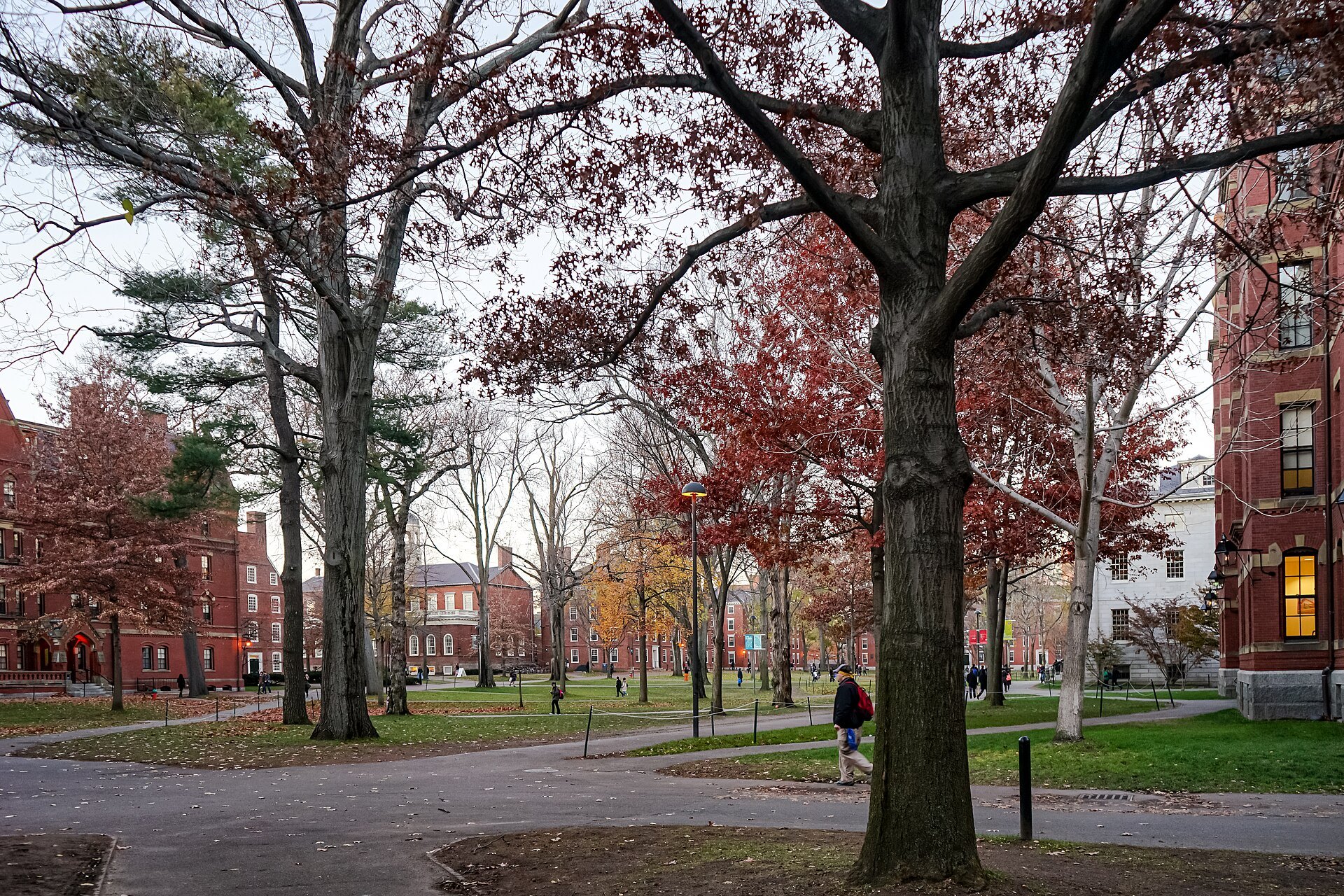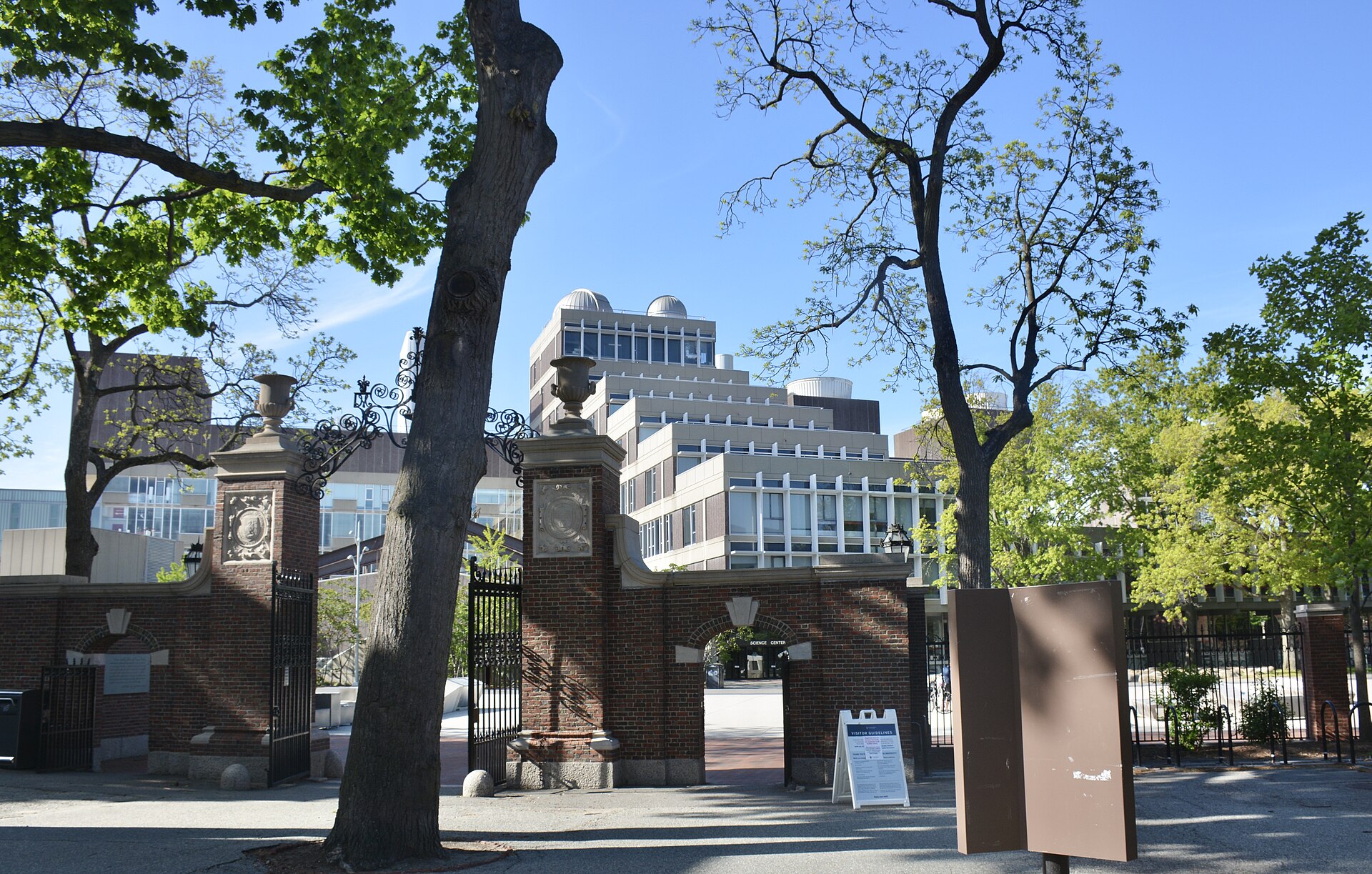
Harvard University at a glance: Harvard University is a private Ivy League research university in Cambridge, Massachusetts, founded in 1636. It is best known for being the oldest university in the United States and one of the most prestigious in the world, with global strength in law, business, medicine, government, and economics and the largest academic endowment of any university. Families weighing Harvard against peer schools can schedule a consultation to build a targeted college list.
Source: Harvard University (www.harvard.edu).
What Is Harvard University Known For?
Harvard is known, above all, for prestige and influence. Founded in 1636, it is the oldest institution of higher education in the United States and consistently ranks among the very top universities in the world. Over nearly four centuries it has built a reputation that turns its name into shorthand for academic excellence, and its graduates fill the highest ranks of government, law, medicine, finance, academia, and technology. For most families researching elite admissions, Harvard is the reference point against which every other school is measured.
Beyond reputation, Harvard is known for the sheer depth of its resources. It holds the largest academic endowment of any university in the world, which funds generous need-based financial aid, world-class libraries and laboratories, and a faculty of leading scholars and Nobel laureates across nearly every discipline. That combination of history, wealth, and talent lets Harvard sustain top-tier programs at every level, from an undergraduate liberal arts and sciences education in Harvard College through a set of professional schools whose influence extends well beyond the campus.
Which Academic Programs Is Harvard Best Known For?
Harvard Business School. One of the most influential business schools in the world, known for pioneering the case method and for shaping generations of executives, investors, and founders, though its celebrated MBA is a graduate program.
Harvard Law School. Among the most prestigious law schools anywhere, with an outsized presence on the federal bench, in government, and at the country’s leading law firms.
Harvard Medical School. A global leader in medical education and biomedical research, anchored by an unrivaled network of affiliated Boston teaching hospitals.
Economics, government, and public policy. A powerhouse in the social sciences, reinforced by the Kennedy School, that feeds careers in government, finance, think tanks, and international institutions.
Sciences, mathematics, and engineering. Deep programs in the life sciences, chemistry, physics, and applied mathematics, with a growing engineering presence through the Paulson School.
The liberal arts core of Harvard College. At the undergraduate level, a broad liberal arts and sciences model that lets students explore widely before specializing, taught by senior faculty.
| Category | What Harvard Is Known For |
|---|---|
| Founded | 1636, the oldest university in the United States |
| Signature professional schools | Business, Law, Medicine, and the Kennedy School of Government |
| Undergraduate strengths | Economics, government, computer science, the life sciences, and history |
| Financial resources | The largest academic endowment of any university, funding need-based aid |
| Athletics | Ivy League competition and the historic Harvard-Yale rivalry known as The Game |
| Campus culture | Ambitious and tradition-rich, organized around the residential House system |
| Setting | Cambridge, Massachusetts, across the Charles River from Boston |
What Is Harvard Known For Beyond the Classroom?
Beyond the classroom, Harvard is known for traditions and institutions that carry national weight. Its teams compete in the Ivy League, and the annual Harvard-Yale football game, known simply as The Game, is one of the oldest rivalries in American college sports. Student life runs through an enormous range of organizations, including one of the oldest college newspapers in the country and hundreds of clubs spanning the arts, service, and entrepreneurship. Harvard is also known for producing an extraordinary number of influential alumni, among them United States presidents, Supreme Court justices, Nobel laureates, and founders of major companies.
What Is Harvard’s Campus Culture Like?
Harvard is known for an intense, high-achieving culture where students arrive as leaders in their fields and keep pushing themselves once they get there. Undergraduate life is organized around the residential House system, which places students in a smaller community with its own dining hall, traditions, and support staff within the larger university. The atmosphere is undeniably ambitious, but students also describe deep friendships and a collaborative spirit built through House life, extracurriculars, and shared academic intensity. For many, that mix of serious scholarship, historic surroundings, and driven peers is what defines the Harvard experience.
What Career Outcomes Is Harvard Known For?
Harvard is known for outcomes that sit at the very top of almost every field. Graduates move into finance, consulting, technology, law, medicine, government, and academia, and the university sends an unusually high share of students on to elite graduate and professional programs. Employers recruit heavily on campus, and the strength of the alumni network, combined with the immediate recognition of the Harvard name, gives graduates access to mentors, introductions, and opportunities that can shape an entire career. For families weighing the return on an elite education, that durable network and its reach across industries and generations are a central part of what makes admission so competitive.
What Type of Student Thrives at Harvard?
Harvard tends to fit students who are not only academically exceptional but also show genuine impact outside the classroom, whether through leadership, original research, a launched project, or a distinctive talent pursued at a high level. Admissions is famously holistic and among the most selective in the country, so top grades and scores are treated as a starting point rather than a guarantee. The strongest applicants pair that academic record with a clear sense of purpose and convincing evidence that they will take full advantage of Harvard’s resources, contribute to its community, and continue the kind of achievement that defined them in high school.
If Harvard’s strengths line up with your goals, the next step is turning interest into a plan. Our college admissions timeline, along with Is Harvard Pre-College Worth It? 2026 Cost, Credit and Strategy, Harvard vs Yale: Admissions, Cost, and Outcomes Compared, and Harvard vs Princeton: Admissions, Aid, and Fit Compared, can help you map testing, activities, and essays around a Harvard-level target.
How Does Harvard Compare to Its Peers?
Harvard is most often compared to Yale, Princeton, and Stanford, peers at the very top of national and global rankings that open remarkably similar doors. What distinguishes Harvard is its combination of the oldest history in American higher education, the deepest financial resources of any university, and professional schools whose influence reaches across law, business, medicine, and government. Princeton is known for its undergraduate focus, Yale for its residential colleges and the arts, and Stanford for its ties to technology and entrepreneurship, while Harvard blends elite undergraduate education with unmatched graduate and professional strength. For many applicants the final decision comes down to fit and culture rather than prestige.
Related reading: As you weigh where Harvard fits among your options, see our guide on how to build a college list and use the College List Builder to sort your targets into reach, match, and safety schools.
Frequently Asked Questions About Harvard
Harvard is best known as the oldest and one of the most prestigious universities in the world. Its reputation rests on global strength in law, business, medicine, government, and economics, the largest academic endowment of any university, and an alumni network that reaches the top of nearly every field.
Harvard is among the most selective universities in the country, with a very low single-digit acceptance rate. Admission is holistic, so outstanding grades and test scores are expected but are not enough on their own without evidence of real impact and a distinctive personal story.
At the undergraduate level, Harvard is especially known for economics, government, computer science, the life sciences, and history, all taught within a broad liberal arts and sciences framework that encourages students to explore across fields before choosing a concentration.
Yes. A Harvard degree carries exceptional brand recognition and a powerful, active alumni network, which can open doors in finance, consulting, law, medicine, technology, and academia and can strengthen applications to the most competitive graduate and professional programs.
For many families it is. Harvard meets full demonstrated financial need without loans, so a large share of students pay well below the sticker price, and the combination of academic quality, network, and long-term outcomes tends to justify the investment for students who use its resources fully.
Harvard looks for students who combine top academics with genuine impact outside the classroom, such as leadership, original work, or a talent pursued at a high level, along with intellectual curiosity, strong character, and a clear sense of how they would contribute.
All four sit at the very top of the rankings and open similar doors, so the choice usually comes down to fit. Harvard stands out for its history, its endowment, and the influence of its professional schools, while its peers are known for undergraduate focus, residential college life, or ties to technology.
Yes. Harvard uses a liberal arts and sciences model with broad distribution requirements and an enormous course catalog, giving undecided students real room to sample disciplines, work closely with advisers, and choose a concentration after they have explored their options.
Sources: Harvard University, Harvard Business School, Harvard Law School, Harvard Medical School, NCES College Navigator, College Board BigFuture.
About Oriel Admissions
Oriel Admissions is a Princeton-based college admissions consulting firm advising families nationwide on elite university admissions strategy. Our strength is a deeply experienced team and a distinctive 360 approach that treats every part of the application – academics, testing, activities, essays, and interviews – as one connected strategy. To discuss your strategy, schedule a consultation.