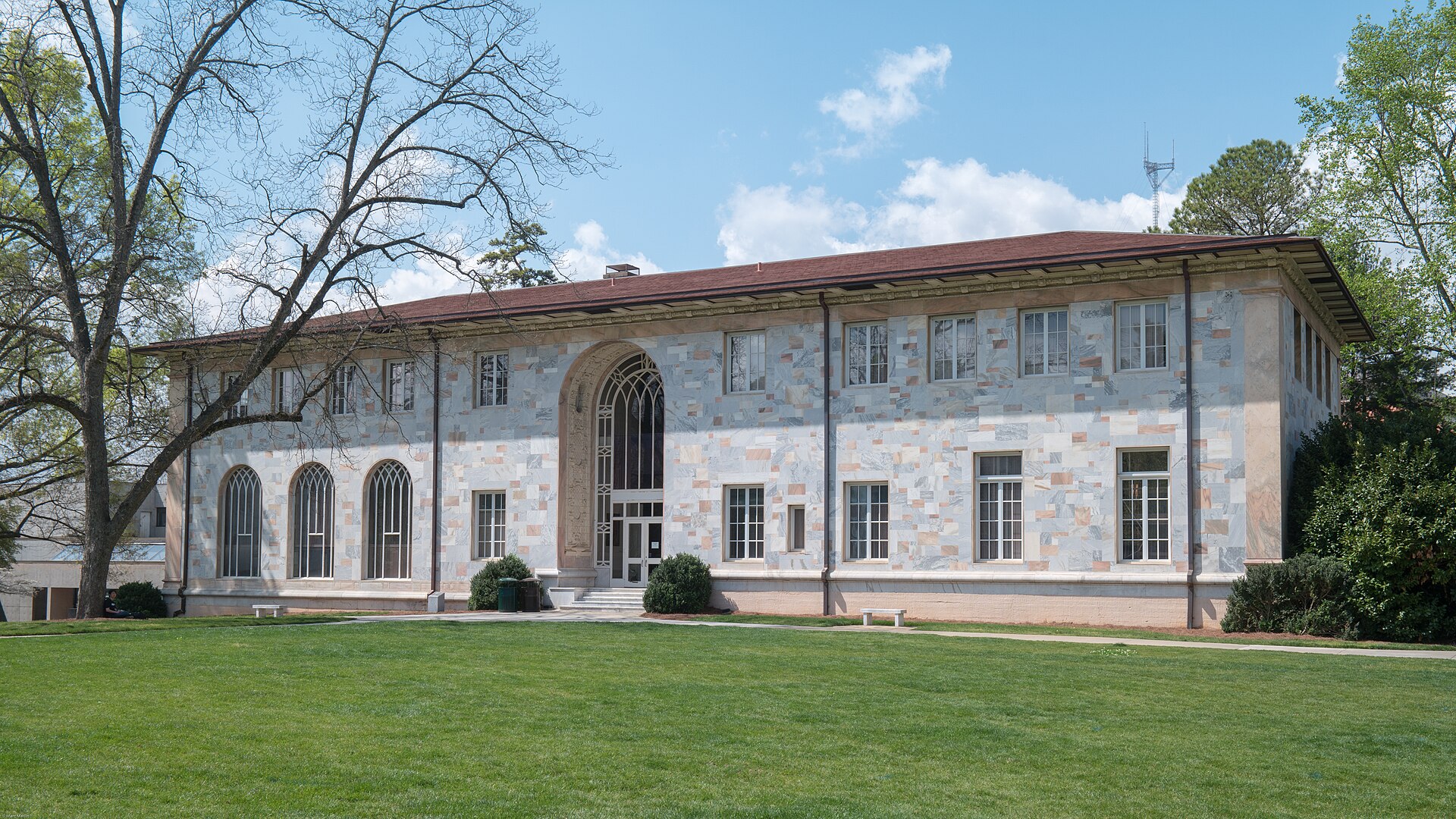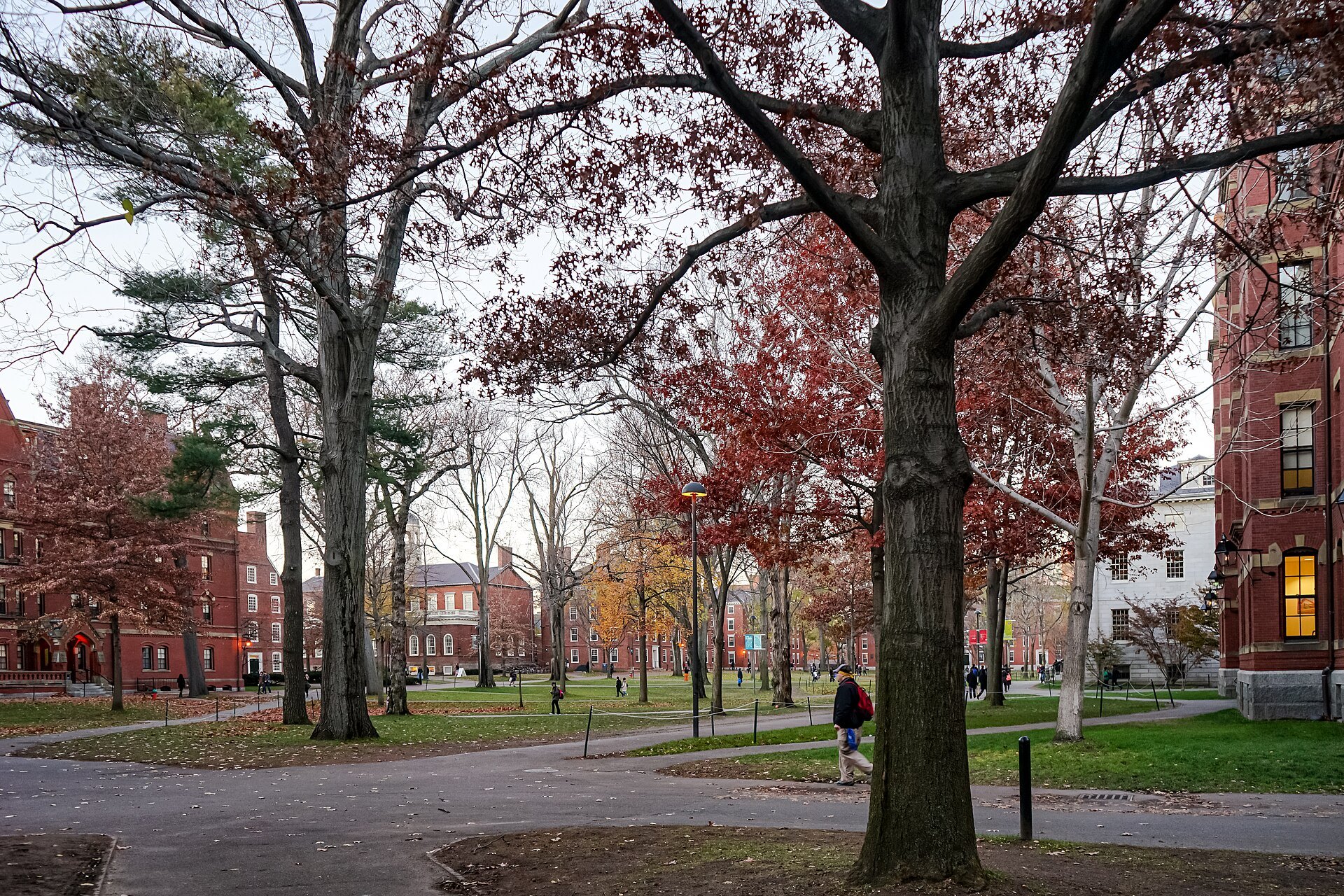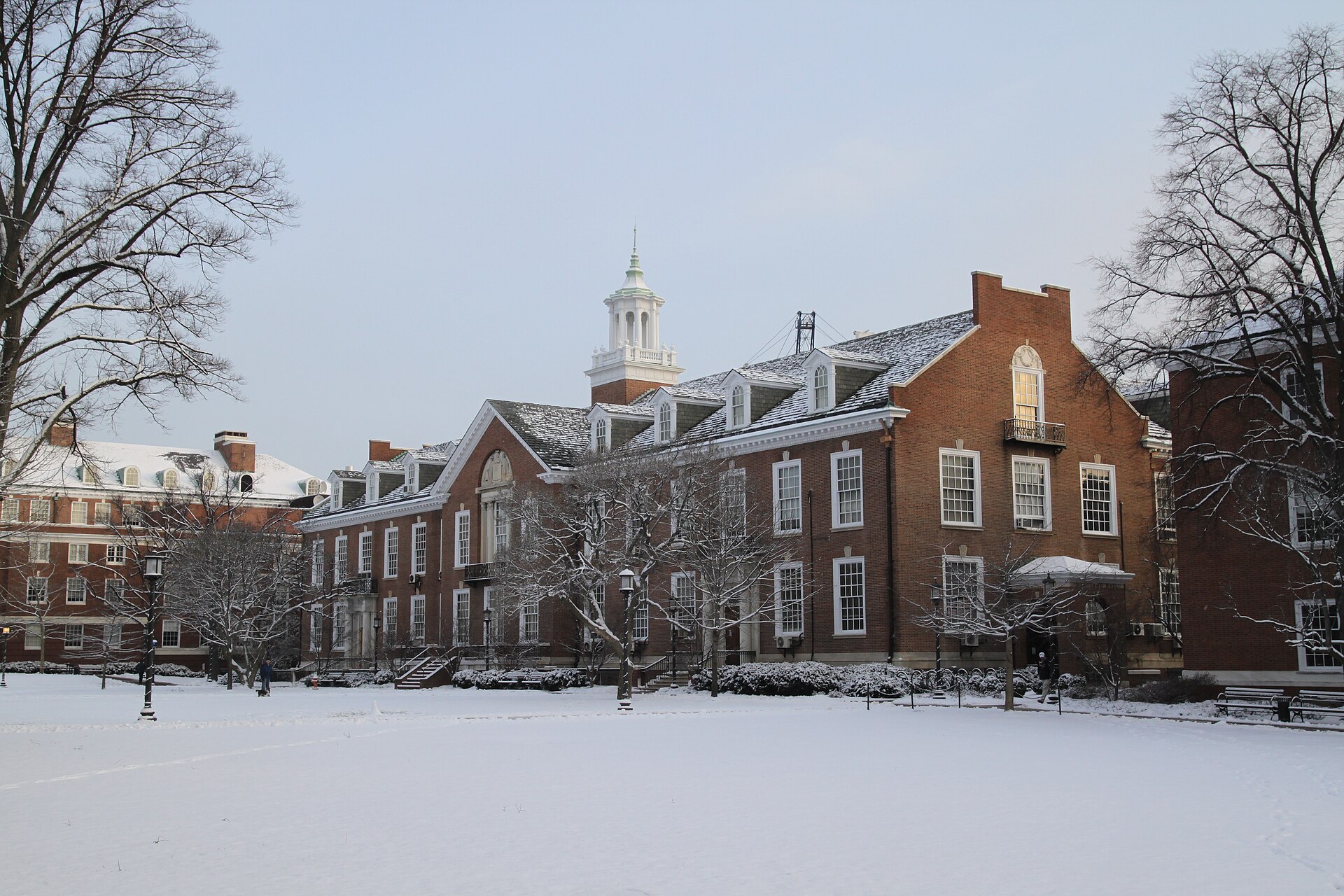
Johns Hopkins University at a glance: Johns Hopkins University is a private research university in Baltimore, Maryland, founded in 1876. It is best known for pioneering the American research university, and for world-leading programs in medicine, public health, biomedical engineering, and international studies. Families weighing Johns Hopkins against peer schools can schedule a consultation to build a targeted college list.
Source: Johns Hopkins University (www.jhu.edu).
What Is Johns Hopkins University Known For?
Johns Hopkins is known, above all, as the university that pioneered research and discovery in American higher education. Founded in Baltimore in 1876 as the first research university in the United States, it set a model that many institutions later followed. Today Johns Hopkins is especially known for its world-leading medical school and hospital, the top-ranked Bloomberg School of Public Health, pioneering biomedical engineering, and strong programs in international studies and the sciences. For many families, its appeal lies in the chance to work at the frontier of research as an undergraduate, learning alongside faculty who are shaping medicine, science, and public health on a global scale.
What sets Johns Hopkins apart is the intensity of its research culture and the breadth of its impact. The university is known for treating undergraduates as genuine contributors to research, giving them access to laboratories, hospitals, and projects that few institutions can match. It is also known for a serious, driven academic environment and for producing graduates who go on to leadership in medicine, science, engineering, and policy. Prospective students are often drawn by the opportunity to pursue ambitious questions with world-class resources, whether in the life sciences, engineering, public health, or the humanities, all within a university built around discovery.
Which Academic Programs Is Johns Hopkins Best Known For?
Medicine and Pre-Med. Johns Hopkins is a global leader in medicine, and its research and clinical resources make it one of the strongest environments in the country for aspiring physicians.
Public Health. The Bloomberg School of Public Health is consistently ranked among the very best, known for epidemiology, global health, and policy research.
Biomedical Engineering. Hopkins pioneered biomedical engineering and remains a top program, blending engineering with medicine and research.
International Studies. The university is known for international relations and global studies, including the influential School of Advanced International Studies.
Neuroscience and the Life Sciences. Strong programs in neuroscience, biology, and the life sciences give students access to cutting-edge research from their first year.
Engineering and Computer Science. The Whiting School of Engineering offers respected programs in computer science, materials science, and applied fields.
| Category | What Johns Hopkins Is Known For |
|---|---|
| Type | Private research university |
| Location | Baltimore, Maryland |
| Founded | 1876 |
| Best known for | Medicine, public health, biomedical engineering, and research |
| Signature schools | School of Medicine, Bloomberg School of Public Health, Whiting School of Engineering |
| Distinction | The first research university in the United States |
| Campus life | Research-driven and service-minded, with a storied lacrosse tradition |
What Is Johns Hopkins Known For Beyond the Classroom?
Beyond the classroom, Johns Hopkins is known for a campus life shaped by research, service, and its Baltimore setting. Undergraduates work in labs, hospitals, and community organizations, and the university’s medical and public-health institutions offer opportunities that extend well past coursework. Student life includes a wide range of clubs, cultural groups, and Division III and club athletics, along with a lacrosse tradition that is among the most storied in the sport. Hopkins is also known for a strong commitment to community engagement in Baltimore. The blend of a demanding research environment with meaningful service and hands-on opportunity gives student life a purposeful, ambitious character.
What Is Johns Hopkins’s Campus Culture Like?
Johns Hopkins’s campus culture is known for being intellectually intense, collaborative, and research-driven. Students tend to be ambitious and academically focused, and many are drawn to careers in medicine, science, or engineering. The university has worked to strengthen a supportive, balanced environment, and students often collaborate closely on demanding coursework and research. The community is diverse and international, and its location in Baltimore offers both urban opportunity and a strong culture of service. While the academics are rigorous, students benefit from close faculty mentorship and a shared sense of purpose. The result is a culture that rewards curiosity, discipline, and a genuine drive to make an impact.
What Career Outcomes Is Johns Hopkins Known For?
Johns Hopkins is known for exceptional outcomes in medicine, science, engineering, and public health. Its pre-med students benefit from unmatched research and clinical exposure, and the university has an outstanding record of medical-school placement. Biomedical engineering graduates are recruited by leading technology, healthcare, and research organizations, and many students continue on to top graduate and professional programs. The university’s research reputation and alumni network open doors across academia, industry, government, and global health. Public-health and international-studies graduates pursue influential careers in policy and nonprofits. For families focused on careers in medicine, science, or health, Hopkins offers some of the strongest preparation and outcomes available.
What Type of Student Thrives at Johns Hopkins?
The students who thrive at Johns Hopkins tend to be intellectually driven, curious, and eager to engage in research from the start. They are comfortable in a demanding academic environment and often have clear interests in medicine, science, engineering, or public health, though the university’s strengths extend to the humanities and social sciences as well. Strong candidates typically show excellence in rigorous coursework, genuine intellectual passion, and meaningful involvement in research or service. Hopkins looks for students who will take advantage of its resources and contribute to its collaborative community. Applicants who convey authentic curiosity and clear direction tend to stand out in a highly competitive pool.
If Johns Hopkins’s strengths line up with your goals, the next step is turning interest into a plan. Our college admissions timeline, along with Johns Hopkins Supplemental Essays Strategy: Prompts, Approach, and Strategy for 2025-2026, and How to Ask for and Get a Strong Recommendation Letter for College, can help you map testing, activities, and essays around a Johns Hopkins-level target.
How Does Johns Hopkins Compare to Its Peers?
Compared to its peers, Johns Hopkins stands out for the depth of its research enterprise and its dominance in medicine and public health. It competes for students with the Ivy League and with schools such as Duke, Stanford, and Washington University in St. Louis, but it distinguishes itself through unmatched strength in the health sciences and biomedical fields. Where some peers offer a broader or more social undergraduate experience, Hopkins is known for research intensity and pre-professional focus. Its medical and public-health institutions are among the most influential in the world. For students weighing similar universities, the deciding factor is often whether Hopkins’s research-driven culture fits their goals.
Related reading: As you weigh where Johns Hopkins fits among your options, see our guide on how to build a college list and use the College List Builder to sort your targets into reach, match, and safety schools.
Frequently Asked Questions About Johns Hopkins
Yes, especially for students focused on medicine, science, engineering, or public health. Its unmatched research resources, strong outcomes, and global reputation offer significant long-term value for ambitious students.
Johns Hopkins is best known for medicine and pre-med, the Bloomberg School of Public Health, biomedical engineering, and international studies, along with its founding role as the first American research university.
Admission is highly competitive. Successful applicants generally present top grades in demanding courses, genuine intellectual passion, and meaningful involvement in research, service, or their chosen field.
Hopkins is one of the strongest pre-med environments in the country. Its research and clinical resources, faculty mentorship, and medical-school placement record are difficult to match.
Research is central to the undergraduate experience, and students often join labs and projects early. The culture is ambitious and collaborative, treating undergraduates as genuine contributors to discovery.
Hopkins offers comparable prestige with particular dominance in medicine, public health, and biomedical fields. Its research intensity and pre-professional focus distinguish it from peers with a broader or more social undergraduate feel.
Hopkins fits driven, curious students who want to engage in research and are comfortable in a demanding environment. The strongest candidates have clear intellectual interests, often in science or health.
A strong application shows academic excellence, authentic intellectual passion, and meaningful research or service experience. Demonstrating a specific connection to Hopkins’s research strengths is more persuasive than general prestige-seeking.
Sources: Johns Hopkins University, Johns Hopkins Medicine, Bloomberg School of Public Health, NCES College Navigator, College Board BigFuture, College Scorecard.
About Oriel Admissions
Oriel Admissions is a Princeton-based college admissions consulting firm advising families nationwide on elite university admissions strategy. Our strength is a deeply experienced team and a distinctive 360 approach that treats every part of the application – academics, testing, activities, essays, and interviews – as one connected strategy. To discuss your strategy, schedule a consultation.