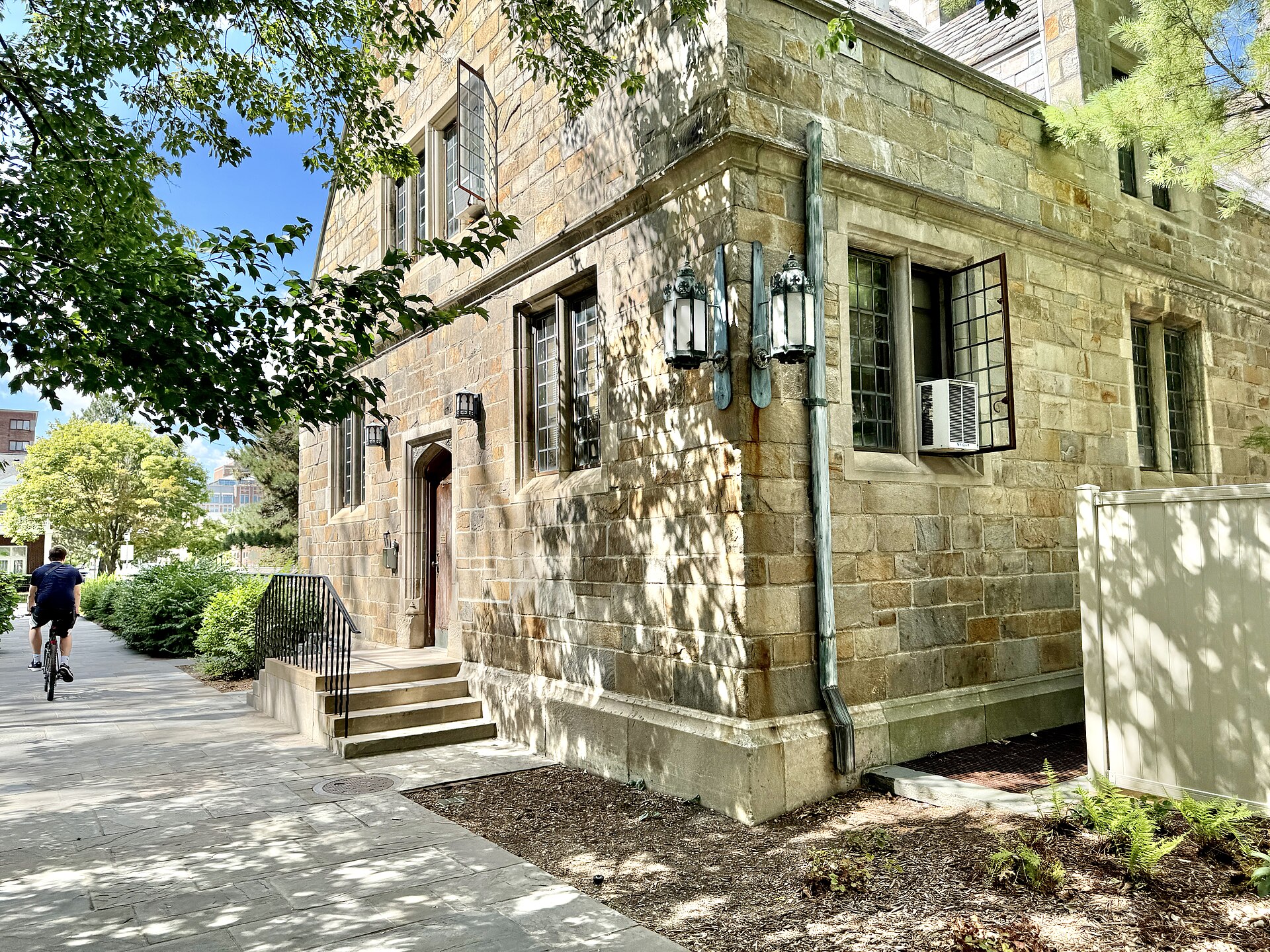
University of Michigan at a glance: University of Michigan is a public research university in Ann Arbor, Michigan, founded in 1817. It is best known for its engineering, the Ross School of Business, broad academic excellence, world-class research, a vast alumni network, and a storied athletic tradition. Families weighing Michigan against peer schools can schedule a consultation to build a targeted college list.
Source: University of Michigan (umich.edu).
What Is University of Michigan Known For?
Michigan is known, above all, as one of the premier public research universities in the country, offering excellence across an exceptional range of fields. Founded in 1817 and based in Ann Arbor, the University of Michigan combines academic breadth, deep research resources, and a powerful sense of school spirit. It is especially known for its top-ranked engineering programs, the Ross School of Business, and strong offerings in the sciences, social sciences, humanities, and professional fields. For many families, Michigan’s appeal lies in the chance to study almost any subject at a high level within a large, spirited public university that rivals top private institutions.
What sets Michigan apart is the way it delivers elite academics, research, and a vibrant campus experience at a large public scale. The university is known for excelling across dozens of disciplines, for extensive research and hands-on opportunities, and for a vast, active alumni network that supports graduates for life. Its combination of academic strength and school spirit gives student life a distinctive energy, from world-class programs to legendary athletics. Prospective students are often drawn by the breadth of opportunity, the strength of the community, and the value that a leading public university can offer alongside outcomes that compete with the best.
Which Academic Programs Is Michigan Best Known For?
Engineering (College of Engineering). Michigan is renowned for engineering, with top programs in aerospace, mechanical, and computer engineering supported by extensive research and industry ties.
Business (Ross School of Business). The Ross School is a top business program known for its action-based learning, with strong recruiting in consulting, finance, and technology.
Computer Science and Information. Strong programs in computer science and information prepare students for careers in technology, aided by the university’s research strength.
Sciences and Pre-Health. Michigan is known for excellent programs in the natural sciences, along with strong pre-med preparation tied to a major medical center.
Social Sciences and Public Policy. Respected programs in economics, political science, and public policy, including the Ford School, prepare students for careers in policy and beyond.
Liberal Arts (College of LSA). The College of Literature, Science, and the Arts anchors the university’s breadth, with strong programs across the humanities and social sciences.
| Category | What Michigan Is Known For |
|---|---|
| Type | Public research university |
| Location | Ann Arbor, Michigan |
| Founded | 1817 |
| Best known for | Engineering, business, broad excellence, and research |
| Signature schools | College of Engineering, Ross School of Business, College of LSA |
| Alumni network | One of the largest and most active in the country |
| Campus life | Spirited and traditional, in a top-rated college town |
What Is Michigan Known For Beyond the Classroom?
Beyond the classroom, Michigan is known for a campus life defined by school spirit, tradition, and its vibrant Ann Arbor setting. Students take part in a remarkable range of clubs, research projects, startups, and service organizations, and the university’s scale means there is a community for nearly every interest. Michigan is also known for one of the most storied athletic traditions in college sports, and game days bring the campus and community together in memorable fashion. Ann Arbor itself is consistently rated among the best college towns in the country. The blend of academic excellence, tradition, and a thriving college-town setting gives student life a distinctive character.
What Is Michigan’s Campus Culture Like?
Michigan’s campus culture is known for combining academic ambition with strong school spirit and a welcoming community. Students tend to be driven and involved, and the large, diverse student body creates a wide range of communities and traditions. Pride in the university runs deep, especially around athletics, and the sense of belonging to a vast Wolverine community is a defining feature. The environment is rigorous and full of opportunity, rewarding students who take initiative on a big campus. The Ann Arbor setting offers a vibrant college-town experience with abundant cultural and social life. The result is a culture that balances serious academics with energy, tradition, and genuine warmth.
What Career Outcomes Is Michigan Known For?
Michigan is known for excellent outcomes across a wide range of fields. Its engineering and computer science graduates are recruited by leading technology, automotive, and consulting firms, and Ross graduates move into consulting, finance, and corporate roles. The university’s research strength creates opportunities in the sciences, and pre-med and pre-law students benefit from strong programs and advising. One of Michigan’s greatest assets is its enormous, active alumni network, which supports graduates in nearly every industry and region. Many students also continue on to top graduate and professional programs. For families weighing return on investment, Michigan’s outcomes, network, and public-university value are especially compelling.
What Type of Student Thrives at Michigan?
The students who thrive at Michigan tend to be ambitious, independent, and eager to take advantage of a large university full of opportunity. They value academic excellence, research access, school spirit, and a vibrant community rather than a small, quiet campus. Strong candidates typically show excellence in rigorous coursework, genuine involvement in their interests, and the initiative to seek out opportunities on a big campus. Michigan looks for students who will contribute to its community and take full advantage of its resources. Applicants who convey clear direction, engagement, and a genuine connection to the university tend to stand out in a competitive pool.
If Michigan’s strengths line up with your goals, the next step is turning interest into a plan. Our college admissions timeline, along with How to Get Into Michigan Nursing (Direct-Admit BSN), and How to Get Into University of Michigan for Engineering, can help you map testing, activities, and essays around a Michigan-level target.
How Does Michigan Compare to Its Peers?
Compared to its peers, Michigan stands out as a public university that rivals top private institutions across many fields. It competes for students with schools such as UC Berkeley, UCLA, and leading private universities, but it distinguishes itself through its exceptional breadth, its research strength, and its powerful combination of academics and school spirit. Where some peers are smaller or more specialized, Michigan is known for excelling across dozens of disciplines at scale. Its alumni network and athletic tradition are difficult to match. For students weighing similar universities, the deciding factor is often whether they prefer Michigan’s breadth, spirit, and public-university value to the size or feel of its private peers.
Related reading: As you weigh where Michigan fits among your options, see our guide on how to build a college list and use the College List Builder to sort your targets into reach, match, and safety schools.
Frequently Asked Questions About Michigan
Yes. Michigan offers academic excellence across many fields, world-class research, strong outcomes, and a vast alumni network, all at the value of a public university, making it a compelling choice for ambitious students.
Michigan is best known for its engineering programs and the Ross School of Business, along with broad excellence across the sciences, social sciences, humanities, and professional fields.
Admission is highly competitive, especially for out-of-state applicants and popular programs. Successful candidates show academic excellence, rigor, meaningful involvement, and a genuine connection to the university.
Ross is a top business program known for its action-based learning and strong recruiting in consulting, finance, and technology. Its reputation and alumni network give graduates a meaningful advantage.
Michigan has one of the largest and most active alumni networks in the country. Graduates support one another across nearly every industry and region, which provides real advantages in recruiting and careers.
Both are elite public universities with broad excellence and strong engineering. Michigan is known for its business school, school spirit, and alumni network, while Berkeley is known for computer science and its Bay Area setting.
Michigan fits ambitious, independent students who want breadth, research access, and a spirited community. The strongest candidates are academically excellent and proactive about seeking opportunities on a large campus.
A strong application highlights academic excellence, rigor, meaningful involvement, and a specific connection to the university and its programs. Demonstrating genuine fit is more persuasive than treating Michigan as a backup option.
Sources: University of Michigan, Ross School of Business, College of Literature, Science, and the Arts, NCES College Navigator, College Board BigFuture, College Scorecard.
About Oriel Admissions
Oriel Admissions is a Princeton-based college admissions consulting firm advising families nationwide on elite university admissions strategy. Our strength is a deeply experienced team and a distinctive 360 approach that treats every part of the application – academics, testing, activities, essays, and interviews – as one connected strategy. To discuss your strategy, schedule a consultation.