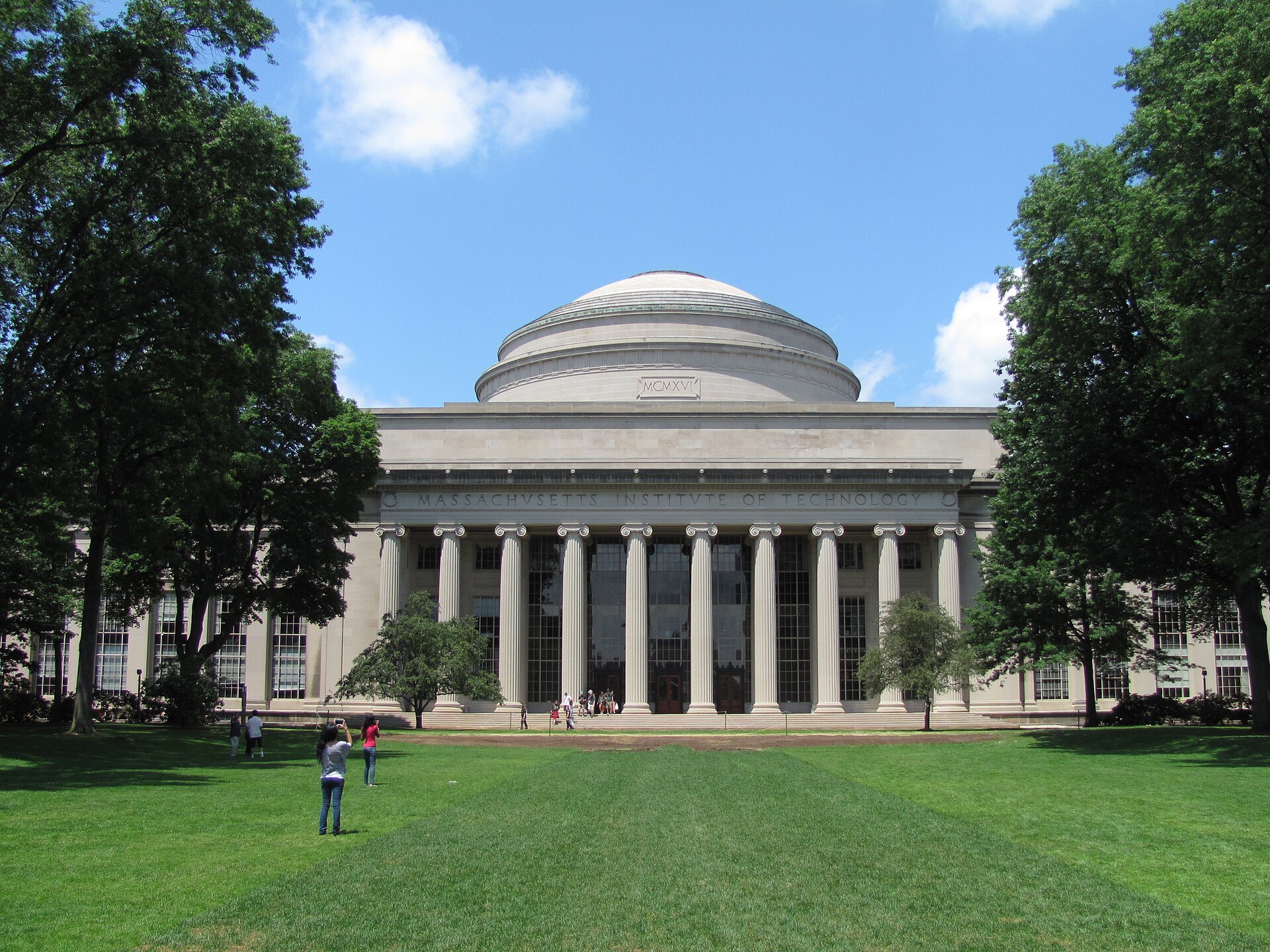
Massachusetts Institute of Technology at a glance: Massachusetts Institute of Technology is a private research university in Cambridge, Massachusetts, founded in 1861. It is best known for its world-leading strength in science, engineering, technology, and mathematics, a rigorous hands-on approach captured in its motto mens et manus, and a culture of innovation and problem-solving. Families weighing MIT against peer schools can schedule a consultation to build a targeted college list.
Source: Massachusetts Institute of Technology (www.mit.edu).
What Is Massachusetts Institute of Technology Known For?
MIT is known for being one of the world’s leading institutions in science, engineering, and technology. Founded in 1861 in Cambridge, Massachusetts, it was built around the idea of learning by doing, captured in its motto mens et manus, or mind and hand, and that hands-on, problem-solving approach still defines it. MIT consistently ranks at or near the top of global rankings, especially in engineering, computer science, physics, mathematics, and economics, and its research has shaped fields from computing and robotics to biotechnology and aerospace. For students drawn to rigorous quantitative work and to building things that matter, MIT is often the first name that comes to mind.
MIT is also known for a culture that prizes rigor, collaboration, and real-world impact. Undergraduates work alongside faculty on cutting-edge research from early on, often through the Undergraduate Research Opportunities Program, and the academics are famously demanding. The institute is closely tied to industry and entrepreneurship, and its alumni have founded a remarkable number of companies, making it a major engine of the technology economy. MIT’s need-blind admissions and generous financial aid, its distinctive traditions and problem-solving culture, and its position at the frontier of science and technology are central to what it is known for and to why it attracts some of the most talented students in the world.
Which Academic Programs Is MIT Best Known For?
Engineering. MIT’s engineering programs are consistently ranked among the best in the world, spanning fields from mechanical and electrical engineering to aerospace and bioengineering.
Computer science and artificial intelligence. A global leader in computing, MIT is known for foundational work in computer science, artificial intelligence, and robotics.
Physics, mathematics, and the sciences. MIT is a powerhouse in the physical sciences and mathematics, with research that has shaped modern science and produced many Nobel laureates.
Economics and management. MIT is known for a rigorous, quantitative approach to economics and, at the graduate level, the Sloan School of Management.
Research and hands-on learning. Through programs like the Undergraduate Research Opportunities Program, MIT is known for involving undergraduates in cutting-edge research early.
Entrepreneurship and innovation. MIT is a major engine of the technology economy, known for alumni who have founded a remarkable number of influential companies.
| Category | What MIT Is Known For |
|---|---|
| Founded | 1861, in Cambridge, Massachusetts |
| Signature strengths | Engineering, computer science, physics, mathematics, and economics |
| Motto and approach | Mens et manus, mind and hand, emphasizing hands-on learning |
| Research | Undergraduates join cutting-edge research early through UROP |
| Financial aid | Need-blind admissions, meeting full demonstrated need |
| Campus culture | Intense, collaborative, and maker-driven |
| Setting | Cambridge, Massachusetts, along the Charles River |
What Is MIT Known For Beyond the Classroom?
Beyond the classroom, MIT is known for a culture of creative problem-solving that extends into its traditions and student life. The institute is famous for elaborate, good-natured pranks known as hacks, for a strong maker and builder ethos, and for competitions and projects that push students to apply what they learn. MIT also has a serious athletic program and a wide range of student organizations, from robotics teams to entrepreneurship clubs. Its alumni include Nobel laureates, astronauts, and founders of major technology companies, and its research labs and institutes, along with its role in shaping computing and science, keep MIT at the center of innovation and public life.
What Is MIT’s Campus Culture Like?
MIT is known for an intense, collaborative culture built around solving hard problems. The workload is demanding, and students often describe drinking from a firehose, but the environment is famously cooperative, with students working together on problem sets and projects rather than competing against one another. There is a strong maker spirit, a playful side expressed through hacks and traditions, and deep pride in tackling difficult technical challenges. Students balance rigorous academics with research, entrepreneurship, and a wide range of activities, and many point to the combination of brilliant peers, hands-on learning, and a shared love of building and discovery as what defines the MIT experience.
What Career Outcomes Is MIT Known For?
MIT is known for outcomes that place its graduates at the forefront of technology, science, and industry. Its programs feed directly into software, engineering, research, and increasingly finance and consulting, and the institute is famous for producing founders and leaders across the technology economy. Many graduates continue to top graduate and professional programs or into research and academia, and MIT’s ties to industry and its powerful alumni network open doors worldwide. For families weighing the return on an elite education, MIT’s combination of rigorous technical training, an innovation-driven ecosystem, and outcomes in high-demand fields makes it one of the most valuable degrees available.
What Type of Student Thrives at MIT?
MIT tends to fit students who love mathematics, science, and building things, and who are excited by rigorous, hands-on problem-solving. Because admission is holistic and among the most selective in the world, exceptional quantitative ability and strong scores are expected, but the institute also looks for collaboration, resilience, and evidence that a student will thrive in and contribute to its intense, cooperative culture. Applicants who do well at MIT often combine deep technical talent with genuine curiosity, initiative, and a track record of making or discovering things, and can show how they would take advantage of the institute’s research opportunities and problem-solving environment.
If MIT’s strengths line up with your goals, the next step is turning interest into a plan. Our college admissions timeline, along with How to Get Into MIT Sloan as an Undergraduate (Course 15), and How to Ask for and Get a Strong Recommendation Letter for College, can help you map testing, activities, and essays around a MIT-level target.
How Does MIT Compare to Its Peers?
MIT is most often compared to Stanford, Caltech, and the top Ivy League universities. What distinguishes MIT is its singular focus on science, engineering, and technology, its hands-on, quantitative culture, and its central role in research and innovation. Stanford blends technology with strength across every field and a strong entrepreneurial scene, Caltech is smaller and even more concentrated on science, and the Ivies vary in emphasis, while MIT is known for combining world-leading technical depth with a collaborative, maker-driven community. For many applicants, the decision comes down to whether they want MIT’s intense, technically focused environment or a broader university experience.
Related reading: As you weigh where MIT fits among your options, see our guide on how to build a college list and use the College List Builder to sort your targets into reach, match, and safety schools.
Frequently Asked Questions About MIT
MIT is best known for its world-leading strength in science, engineering, technology, and mathematics, a rigorous hands-on approach captured in its motto mind and hand, and a culture of innovation, research, and problem-solving.
Yes. MIT is among the most selective universities in the world, with a very low acceptance rate. Admission is holistic, so exceptional quantitative ability and strong scores are expected alongside collaboration, curiosity, and initiative.
MIT is especially known for engineering, computer science, physics, mathematics, and economics, along with strong programs in the sciences and management, all with a rigorous, hands-on, quantitative emphasis.
No. While MIT is famous for science and technology, it also has respected programs in economics, management, and the humanities and social sciences, though its culture is built around quantitative, hands-on problem-solving.
MIT is known for an intense but collaborative culture. The workload is demanding, but students work together on problem sets and projects, and there is a strong maker spirit expressed through research, building, and playful traditions.
Yes. MIT graduates are heavily recruited in technology, engineering, research, finance, and consulting, and the institute’s ties to industry and its alumni network support strong careers and top graduate programs.
For many families it is. MIT is need-blind and meets full demonstrated need, so many students pay less than the sticker price, and its outcomes in high-demand technical fields support strong long-term value.
MIT is singularly focused on science and technology with a hands-on culture. Stanford blends technology with strength across every field and entrepreneurship, and Caltech is smaller and even more science-focused, so fit and scale often decide the choice.
Sources: Massachusetts Institute of Technology, MIT School of Engineering, MIT Sloan School of Management, NCES College Navigator, College Board BigFuture, College Scorecard.
About Oriel Admissions
Oriel Admissions is a Princeton-based college admissions consulting firm advising families nationwide on elite university admissions strategy. Our strength is a deeply experienced team and a distinctive 360 approach that treats every part of the application – academics, testing, activities, essays, and interviews – as one connected strategy. To discuss your strategy, schedule a consultation.