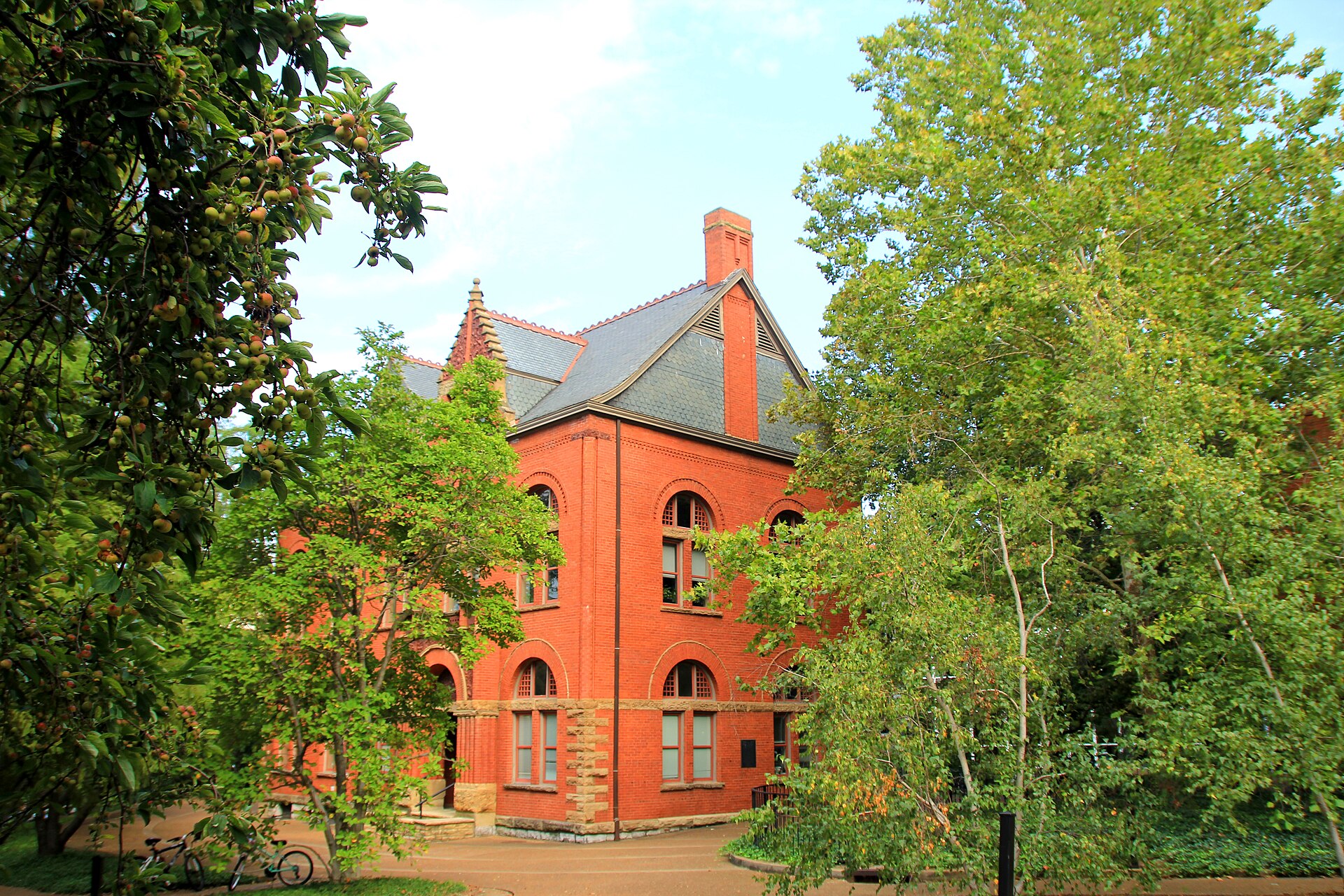
Vanderbilt University at a glance: Vanderbilt University is a private research university in Nashville, Tennessee, founded in 1873. It is best known for a blend of top-ranked academics and a warm, collaborative culture, generous merit scholarships, and standout programs in education, music, engineering, and the pre-professional tracks in the heart of Nashville. Families weighing Vanderbilt against peer schools can schedule a consultation to build a targeted college list.
Source: Vanderbilt University (www.vanderbilt.edu).
What Is Vanderbilt University Known For?
Vanderbilt is known for pairing the academic rigor of a top-ten national university with an unusually supportive, community-driven campus culture. Founded in 1873 and located in Nashville, Tennessee, Vanderbilt has become one of the most sought-after private universities in the South and nationally. It is especially recognized for standout programs in education, music, engineering, and the pre-professional tracks, all anchored in one of the country’s most dynamic cities. For high-achieving students, Vanderbilt offers a combination of prestige, resources, and quality of life that draws many applicants who might otherwise look only at the Ivy League, and that mix is central to what Vanderbilt is known for.
Vanderbilt is also known for its financial generosity and its emphasis on student wellbeing. The university meets full demonstrated need without loans and runs one of the most competitive merit scholarship programs in the country, including the Cornelius Vanderbilt Scholarship, which draws top applicants nationwide. Undergraduates study across a strong college of arts and science, the Peabody College of education and human development, the Blair School of Music, and the School of Engineering, and the residential college system supports a close community. That combination of academic strength, resources, generous aid, and a warm campus culture in Nashville shapes what Vanderbilt is known for.
Which Academic Programs Is Vanderbilt Best Known For?
Peabody College of Education and Human Development. Consistently ranked among the very best schools of education in the country, and a major draw for students interested in learning sciences, policy, and human development.
Blair School of Music. A conservatory-style music school inside a research university, giving performers and composers rare access to both worlds.
Engineering and pre-med. A strong, selective School of Engineering and a well-supported pre-med pipeline feeding top medical schools.
Economics and Human and Organizational Development. Popular, career-focused majors that route graduates into consulting, finance, and management.
Merit scholarships and financial aid. Vanderbilt is known for meeting full need without loans and for a competitive merit scholarship program, including the Cornelius Vanderbilt Scholarship.
A collaborative, spirited campus. With a strong residential college system, SEC athletics, and a park-like campus, Vanderbilt is known for a warm, community-driven experience.
| Category | What Vanderbilt Is Known For |
|---|---|
| Founded | 1873, in Nashville, Tennessee |
| Signature schools | Peabody (education), Blair (music), and Engineering |
| Academic strengths | Pre-med, engineering, economics, and human and organizational development |
| Financial aid | Meets full demonstrated need without loans, plus competitive merit awards |
| Athletics | A member of the Southeastern Conference |
| Campus culture | Collaborative, spirited, and community-oriented |
| Setting | Nashville, Tennessee, a park-like campus that is a national arboretum |
What Is Vanderbilt Known For Beyond the Classroom?
Beyond the classroom, Vanderbilt is known for its location in Nashville, a city famous for music, healthcare, and a fast-growing economy, which shapes internships, culture, and social life. The campus itself is a national arboretum, a park-like setting of trees and green space in the middle of the city. Vanderbilt competes in the Southeastern Conference, giving it big-time college athletics and school spirit alongside its academics, and its Greek life and residential communities are central to social life. The university is also known for a strong medical center and an alumni network that spans business, medicine, law, music, and public life, reflecting the range of fields Vanderbilt students pursue.
What Is Vanderbilt’s Campus Culture Like?
Vanderbilt is known for a culture that is competitive in the classroom but genuinely collaborative outside it. Students describe a friendly, spirited campus where Greek life, SEC athletics, and a strong residential college system shape social life, yet peers share notes and support one another rather than compete cutthroat. The university places real emphasis on student wellbeing and community, and the result is a place that feels both high-powered and unusually livable. Nashville adds music, food, and a vibrant social scene just beyond campus. Many students point to the combination of academic excellence, warmth, school spirit, and a great college city as what defines the Vanderbilt experience.
What Career Outcomes Is Vanderbilt Known For?
Vanderbilt is known for outcomes that place its graduates across medicine, consulting, finance, education, and the sciences. Its well-supported pre-med pipeline and nearby top medical center make it a strong path into medicine, while popular programs in economics, human and organizational development, and engineering feed careers in consulting, finance, and technology. Many graduates continue to top graduate and professional programs, supported by Vanderbilt’s academic reputation and its growing alumni network. For families weighing the return on an elite education, Vanderbilt’s combination of academic strength, generous merit aid, and strong outcomes in high-demand fields makes it an increasingly attractive alternative to older elite universities.
What Type of Student Thrives at Vanderbilt?
Vanderbilt tends to fit students who want elite academics without an intensely pressured atmosphere, and who value school spirit, community, and a strong sense of place. Because admission is holistic and highly selective, strong grades and scores are expected, but the university looks for intellectual drive alongside real engagement in activities and a fit with its collaborative, spirited culture. Applicants who thrive at Vanderbilt often combine academic excellence with genuine involvement in service, leadership, the arts, or athletics, are drawn to Nashville and to programs like Peabody or Blair, and can explain why Vanderbilt’s blend of rigor and community suits them.
If Vanderbilt’s strengths line up with your goals, the next step is turning interest into a plan. Our college admissions timeline, along with Vanderbilt Supplemental Essays Strategy: Prompts, Approach, and Strategy for 2025-2026, and How to Ask for and Get a Strong Recommendation Letter for College, can help you map testing, activities, and essays around a Vanderbilt-level target.
How Does Vanderbilt Compare to Its Peers?
Vanderbilt is most often compared to schools like Duke, Rice, and Washington University in St. Louis, selective private research universities that combine strong academics with a high quality of campus life. What sets Vanderbilt apart is its generous merit aid, its distinctive education and music programs, and the pull of Nashville as a college city. Duke is known for its athletics and medicine, Rice for its residential culture and value, and Washington University for its strength in the sciences, while Vanderbilt is known for pairing top academics with warmth, school spirit, and a great location. For many applicants, the decision comes down to fit, culture, and setting.
Related reading: As you weigh where Vanderbilt fits among your options, see our guide on how to build a college list and use the College List Builder to sort your targets into reach, match, and safety schools.
Frequently Asked Questions About Vanderbilt
Vanderbilt is best known for its blend of top-ranked academics and a warm, collaborative culture, generous merit scholarships, and standout programs in education, music, engineering, and the pre-professional tracks, all in the heart of Nashville.
Yes. Vanderbilt is consistently ranked among the top national universities and is regarded as one of the most selective private universities in the country, with strong academics and outcomes across many fields.
Yes. Vanderbilt runs one of the most competitive merit scholarship programs in the country, including the Cornelius Vanderbilt Scholarship, and it also meets full demonstrated need without loans.
Yes. Vanderbilt has a well-supported pre-med pipeline and a nearby top medical center, and its graduates place strongly into medical school, making it one of the stronger universities for aspiring physicians.
Vanderbilt is known for a collaborative, spirited culture with strong Greek life, SEC athletics, and a residential college system, set on a park-like campus in the middle of Nashville, with a real emphasis on student wellbeing.
Vanderbilt is especially known for education through Peabody, music through Blair, engineering, economics, and human and organizational development, along with strong pre-med and science tracks.
Yes. Vanderbilt graduates are recruited in medicine, consulting, finance, and education, and the university’s reputation and growing alumni network support strong careers and admission to top graduate and professional programs.
Vanderbilt offers comparable academic rigor and selectivity, with more merit aid and a warmer, more community-driven campus feel than many Ivy campuses, plus the appeal of Nashville. The choice often comes down to fit and setting.
Sources: Vanderbilt University, Peabody College, Blair School of Music, Vanderbilt School of Engineering, NCES College Navigator, College Board BigFuture.
About Oriel Admissions
Oriel Admissions is a Princeton-based college admissions consulting firm advising families nationwide on elite university admissions strategy. Our strength is a deeply experienced team and a distinctive 360 approach that treats every part of the application – academics, testing, activities, essays, and interviews – as one connected strategy. To discuss your strategy, schedule a consultation.