What Is the US Senate Youth Program?
The US Senate Youth Program was established in 1962 by a resolution of the United States Senate. The program describes itself as an educational experience for outstanding high school students who are interested in careers in public service. The Hearst Foundations pay the delegates’ expenses.
With two delegates from each of 52 jurisdictions, the class has 104 students a year.
Who Is Eligible for the US Senate Youth Program?
| Rule | US Senate Youth Program, 2026-27 |
|---|---|
| Grade | High school junior or senior; a student who graduates at the end of the fall 2026 term is not eligible |
| Leadership | An elected or appointed position, held for the entire 2026-27 academic year, that represents a constituency |
| Residency | U.S. citizen or legal permanent resident, enrolled in a high school in the state where a parent or guardian lives |
| Home-educated students | Must be approved by the state department of education to apply |
| Previous delegates | Not eligible |
Which Leadership Positions Qualify for the US Senate Youth Program?
This rule is the first thing to check. The program lists the positions that qualify and those that do not, and the state administrator verifies each one.
| Qualifies | Does not qualify |
|---|---|
| Student body president, vice president, secretary or treasurer | Attending or holding office at Boys State, Girls State, Boys Nation, Girls Nation or Junior State conferences |
| Class president, vice president, secretary or treasurer | Membership of the National Honor Society without an office |
| Student council representative | Captain or officer in mock trial, debate, Model UN or another academic club |
| National Honor Society officer, including officers of subject honor societies with a service component | Member or leader of the Boy Scouts, the Girl Scouts or a sports team |
| Student representative elected or appointed to a civic or educational organization approved by the state administrator, in a high-level, year-round leadership position | Founder or chair of a self-created group; an internship or a job |
| Commander or squadron leader of a JROTC unit |
The program’s reasoning is that the position must exist to represent other people and serve them. Roles designed mainly for the student’s own development and enrichment do not count.
How Are US Senate Youth Program Delegates Selected?
Neither the Senate nor The Hearst Foundations choose the delegates. State-level education officials run the selection, and each state runs its own application process. Students obtain the application through a principal, a counselor or a social studies teacher, or from the state selection contact listed on the program site.
State deadlines differ and come before the national date. California’s deadline for the 2027 program, for example, was October 7, 2026. The official rules require each chief state school officer to submit two delegates and two alternates to The Hearst Foundations by December 1, 2026. That date is for states, not students. A student who has not yet applied should check the state deadline and, if it has passed, plan for the next cycle by securing a qualifying position for the following school year.
What Happens During US Senate Youth Program Washington Week?
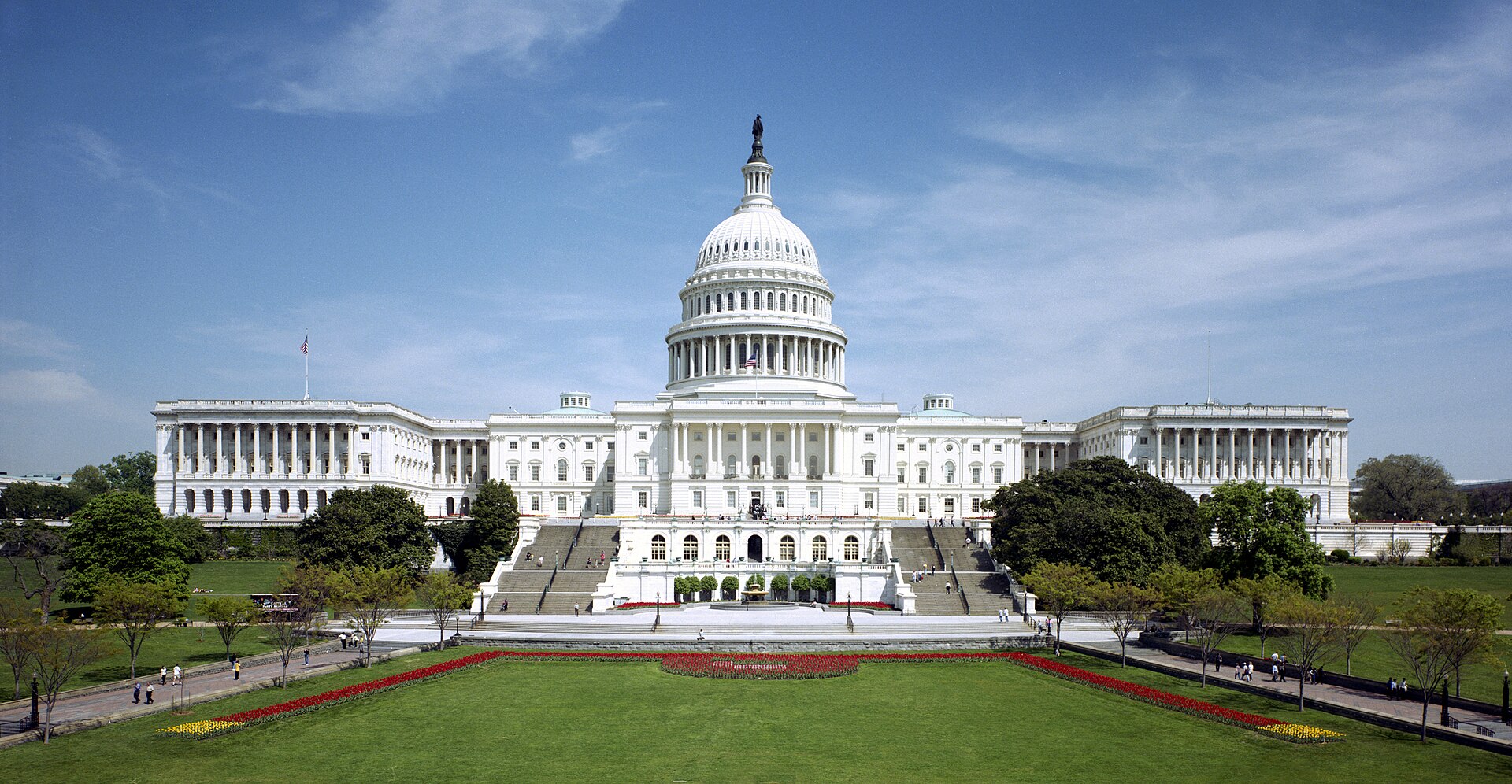
Delegates arrive on Saturday, March 6, 2027, and leave on Saturday, March 13. They hear policy addresses from senators, cabinet members and officials from the Departments of State and Defense. The program says delegates usually also meet the President and a Justice of the Supreme Court.
The rules are strict. Delegates must attend the whole week to receive the scholarship. They may not lobby, petition or protest during the week, and no outside trips or appointments are allowed. Breaking the rules means dismissal and loss of the award.
What Is the US Senate Youth Program Scholarship?
Each delegate receives a $12,500 college scholarship for undergraduate study. The program encourages delegates to take courses in history and political science, and the scholarship is tied to attending the full Washington Week. The Hearst Foundations also pay all transportation, hotel and meal costs, and the family covers the trip to the nearest airport or train station.
How Do Colleges Read the US Senate Youth Program on an Application?
The one college page cited in this guide, from MIT, does not name the US Senate Youth Program. MIT tells applicants that it does not expect them to do a million things. It asks them to choose quality over quantity and to put their heart into a few things they care about, and it adds that it is not particularly picky as to what. The program makes no claim about college admission on the pages cited here.
In our view, selection is one of the strongest civic honors a high school student can hold, because only two students per state are chosen each year. In the extracurricular activity tiers we use for planning, which are our framework and not a scale any college publishes, selection as one of two delegates from a state sits in the second tier, with state-level awards and offices.
The selection also confirms the leadership role that earned it. A reader sees a student who held a representative office, was chosen by the state, and spent a week with the people who run the federal government. Our guides to student council, Boys State, Girls State and the U.S. Presidential Scholars Program cover related paths.
When Should a Student Plan for the US Senate Youth Program?
The qualifying position must be held for the whole school year of application, so planning starts a year ahead. At Oriel Admissions we advise families who start early to treat grade 9 and 10 student government as the foundation. Serving as a class representative early gives a student a record to run on for a class or student body office in grade 11 or 12, which is when the application is made.
The rules bar only previous delegates, so a junior who is not selected can apply again as a senior. The program site includes an annual public affairs exam among its selection materials, so reading widely on American government and current affairs is sensible preparation.
Where Does the US Senate Youth Program Go on the Common App?
The elected office belongs in the activities list, with the constituency represented and what the student achieved in the role. Our guide to the Common App activities list shows how to write the entry. Selection as a US Senate Youth Program delegate belongs in the honors section, as a national recognition with the scholarship noted. Our guide to the Common App honors section covers that part of the application.
For other activities, see our guides to HOSA, Model UN, ISEF, mock trial, student council, Lincoln-Douglas debate, USABO, Academic Decathlon, the Wharton investment competition, quiz bowl, USNCO and USAPhO.
More guides in this series cover Public Forum debate, Policy debate, Congressional Debate, Science Olympiad, Destination Imagination, the National Science Bowl, DECA, FBLA, Beta Club, Key Club, Eagle Scout and the President’s Volunteer Service Award.
Newer guides cover VEX Robotics, FIRST Robotics, the Seal of Biliteracy, National History Day, speech and debate, the Science National Honor Society, the Girl Scout Gold Award, the National Spanish Honor Society, the Tri-M Music Honor Society, the Junior National Young Leaders Conference and Davidson Young Scholars.
Frequently Asked Questions About the US Senate Youth Program
The Senate created the program by resolution in 1962. It brings two student leaders from each state to Washington for a week and gives each a $12,500 college scholarship.
High school juniors and seniors qualify if they hold an elected or appointed leadership position for the entire school year. They must also be citizens or legal permanent residents.
Student body and class officers, student council representatives and National Honor Society officers qualify. However, club captaincies in debate, mock trial or Model UN do not.
Each delegate receives a $12,500 scholarship for undergraduate study. The Hearst Foundations also pay travel, hotel and meal costs for Washington Week.
The 65th Washington Week is March 6 to 13, 2027. States, not students, send their selections by December 1, 2026, and student deadlines come earlier in the fall.
State education officials choose them. Each state runs its own application, so students apply through their school or the state selection contact.
It selects 104 delegates a year: two from each state, the District of Columbia and the Department of Defense Education Activity.
The program makes no such claim. In our view, it is a very strong civic honor because states choose only two students each year.
Sources: USSYP, Home, USSYP, How to Apply, USSYP, Official Rules, California Department of Education, 2027 USSYP Application Instructions, MIT Admissions, What We Look For
About Oriel Admissions
Oriel Admissions is a college admissions consulting firm advising families nationwide on elite university admissions strategy. Our team brings deep expertise across every dimension of the application, and our distinctive 360 approach develops strategy, positioning, activities, essays, and interviews as one coherent whole. To discuss your family’s admissions strategy, schedule a consultation.