TL;DR: Brown Waitlist 2026
Brown’s historical waitlist acceptance rate ranges from 1% to 19%, with 15 to 300 students admitted from the waitlist depending on yield (Brown CDS 2019-2025). Brown typically places 1,500 to 3,000 students on its waitlist each cycle. Brown admitted 2,564 students from 47,937 applicants for the Class of 2030, a 5.35% overall acceptance rate (Brown Daily Herald, March 2026). If you were waitlisted, the next few weeks are critical. This guide covers the data, the timeline, and exactly what to do next. Contact Oriel Admissions for personalized waitlist strategy.
What Is Brown’s Waitlist Acceptance Rate?
Brown does not publish a fixed waitlist acceptance rate, and the numbers vary significantly from year to year. The table below shows waitlist outcomes for recent admissions cycles based on Common Data Set reports and institutional data.
| Admissions Cycle | Students Offered Waitlist | Students Who Accepted | Admitted from Waitlist | Waitlist Acceptance Rate |
|---|---|---|---|---|
| Class of 2029 | ~2,500 | ~1,500 | ~118 | ~7.9% (Brown CDS 2024-2025) |
| Class of 2028 | ~2,500 | ~1,400 | ~73 | ~5.2% (Brown CDS 2023-2024) |
| Class of 2027 | ~2,200 | ~1,300 | ~15 | ~1.2% (Brown CDS 2022-2023) |
| Class of 2026 | ~2,800 | ~1,600 | ~300 | ~18.8% (Brown CDS 2021-2022) |
| Class of 2025 | ~2,500 | ~1,500 | ~200 | ~13.3% (Brown CDS 2020-2021) |
Source: Brown Common Data Sets 2019-2025, NCES IPEDS.
The data reveals extreme volatility. Brown admitted 300 students from the waitlist for the Class of 2026, then just 15 for the Class of 2027 (Brown CDS 2021-2023). This swing is driven entirely by yield — the percentage of admitted students who choose to enroll. When yield is high, the waitlist goes untouched. When yield dips, Brown pulls aggressively from the waitlist. For context on waitlist patterns across the Ivy League, see our College Waitlist Rates 2026: Every Top 25 School Compared.
How Does Brown’s Waitlist Compare to Other Ivy League Schools?
| School | Typical Waitlist Size | Students Who Accept Spot | Historical Waitlist Acceptance Rate |
|---|---|---|---|
| Harvard | ~2,000 | ~1,600 | 3% to 9% |
| Yale | ~1,000 | ~800 | 0% to 5% |
| Princeton | ~1,200 | ~900 | 0% to 15% |
| Columbia | ~2,500 | ~1,800 | 6% to 17% |
| Brown | ~2,500 | ~1,500 | 1% to 19% (Brown CDS 2019-2025) |
| Dartmouth | ~2,000 | ~1,200 | 0% to 5% |
| Penn | ~2,500 | ~1,600 | 1% to 6% |
| Cornell | ~5,000 | ~3,500 | 2% to 8% |
Brown has the widest range of any Ivy League school — from 1% to nearly 19% in recent cycles. This makes it one of the most unpredictable but also potentially one of the most generous Ivy waitlists in a good year. For school-specific waitlist strategies, see our guides on Harvard Waitlist 2026, Yale Waitlist 2026, Princeton Waitlist 2026, Columbia Waitlist 2026, and Dartmouth Waitlist 2026.
Brown Waitlist Timeline 2026: When Will You Hear Back?
| Date | What Happens | What You Should Do |
|---|---|---|
| March 26, 2026 (Ivy Day) | You receive your waitlist decision | Accept your spot on the waitlist immediately through your portal |
| Late March to mid-April | Brown monitors yield from admitted students | Draft your Letter of Continued Interest (LOCI) and have it reviewed |
| April 15 to April 30 | Brown may send a questionnaire or update request to waitlisted students | Respond immediately if contacted. Submit your LOCI if not already sent |
| May 1 (Decision Day) | Admitted students commit and deposit elsewhere | Commit to your best admitted school and pay the deposit. You can remain on Brown’s waitlist |
| Early to mid-May | Brown assesses its enrolled class and determines if waitlist spots are needed | Monitor your email and portal daily |
| Late May to mid-June | Most waitlist offers are extended during this window | Keep your phone and email accessible at all times. Respond within 24 to 72 hours if offered |
| Late June to early July | Remaining spots are filled or the waitlist is closed | If you have not heard by early July, the waitlist is effectively closed |
Source: Brown Admissions Office published timelines, historical patterns 2019-2025.
For a detailed day-by-day action plan on what to do after being waitlisted, including LOCI templates and strategies, see our How to Get Off a College Waitlist in 2026 guide.
What to Do If You Are Waitlisted at Brown
Being waitlisted at Brown is not a rejection. It means the admissions committee found your application compelling enough to keep you in consideration. Here is your action plan.
Step 1: Accept your spot on the waitlist immediately
Log into your Brown admissions portal and formally accept your place on the waitlist. Do this within 48 hours. If you do not accept, Brown will assume you are no longer interested.
Step 2: Send a Letter of Continued Interest (LOCI)
Your LOCI is the single most important tool you have. It should be concise (one page), specific to Brown, and include new information not in your original application. Reference Brown’s Open Curriculum, specific professors, research centers, or programs that align with your academic interests. Explain why Brown remains your first choice and what you would contribute to campus. For a detailed LOCI guide, see our waitlist strategy guide.
Step 3: Update Brown with new achievements
If you have received new awards, improved test scores, taken on new leadership roles, or achieved something meaningful since submitting your application, include these updates in your LOCI or in a brief follow-up communication. New information gives the admissions committee a reason to revisit your file.
Step 4: Deposit at your best admitted school
You must commit to another school by May 1. This does not affect your waitlist standing at Brown. If Brown admits you from the waitlist, you can withdraw your deposit from the other school (though you will typically forfeit the deposit).
Step 5: Have your counselor or a teacher send a brief note of support
A short email from your school counselor affirming your continued interest and providing any relevant updates can reinforce your candidacy. Keep it brief and professional.
Brown Waitlist Acceptance Rate vs. Overall Acceptance Rate
| Metric | Brown Data |
|---|---|
| Overall acceptance rate (Class of 2030) | 5.35% (Brown Daily Herald, March 2026) |
| Early Decision acceptance rate (Class of 2030) | 16.5% (Brown Daily Herald, December 2025) |
| Regular Decision acceptance rate (Class of 2030) | ~3.94% (Brown Daily Herald, March 2026) |
| Waitlist acceptance rate (historical range) | 1% to 19% |
| Total applicants (Class of 2030) | 47,937 (Brown Daily Herald, March 2026) |
| Total admitted (Class of 2030) | 2,564 (Brown Daily Herald, March 2026) |
Source: Brown Common Data Sets 2019-2025, NCES IPEDS.
The waitlist acceptance rate can be significantly higher than the overall acceptance rate in years when Brown needs to fill seats, because you are competing against a much smaller pool of 1,000 to 1,500 waitlist acceptors rather than 47,000+ initial applicants. For a data-driven comparison of accessibility across the Ivy League, see our analysis of which Ivy League school is easiest to get into in 2026.
Common Mistakes Waitlisted Students Make
Sending multiple unsolicited updates. One well-crafted LOCI is enough. Sending weekly emails signals anxiety, not enthusiasm. Follow Brown’s specific instructions and do not add materials they have not asked for.
Writing a generic LOCI. Your letter must be Brown-specific. Reference the Open Curriculum, a specific concentration, a professor’s research, or a student organization. Saying “Brown has always been my dream school” without specifics is a wasted opportunity.
Neglecting your deposited school. Complete orientation registration, housing forms, and other onboarding tasks at the school where you deposited. If the Brown waitlist does not work out, you want to start your college career on strong footing.
Posting about your waitlist on social media. Admissions officers have been known to review applicants’ social media presence. Keep your waitlist status private.
Final Thoughts
Being waitlisted at Brown is not the end of your admissions journey. Brown has a long history of turning to its waitlist, and in some years, hundreds of students are admitted from the waitlist. The key is to take immediate, strategic action: accept your spot, send a compelling LOCI, update Brown with new achievements, and commit to your best admitted school while keeping the door open.
If you need help crafting a waitlist strategy or writing a LOCI that maximizes your chances, Oriel Admissions can help. Our team understands what Brown’s admissions committee is looking for and can guide you through every step of the process. Schedule a consultation to discuss your options.
Data sources: Brown University Common Data Sets (2022-2023 through 2024-2025), NCES IPEDS, The Brown Daily Herald, and admissions data aggregators. Class of 2030 waitlist outcomes will be available in summer 2026.
Frequently Asked Questions
A waitlist is a pool of qualified applicants a college may admit if space remains after committed students enroll. Being waitlisted is neither acceptance nor rejection; the college turns to the list only if its incoming class falls short of targets. Movement varies year to year and cannot be predicted precisely, so a waitlisted student should secure a confirmed option elsewhere while deciding whether to remain on the list.
Yes; a waitlist offer is not a delayed acceptance, and many waitlisted applicants are ultimately turned down once a college fills its class from enrolled deposits. A school may take many, few, or none from its list depending on how many admitted students commit. Applicants should treat a waitlist spot as a genuine maybe, hold a confirmed enrollment elsewhere, and avoid assuming an offer will eventually arrive.
It can; after being waitlisted, expressing sincere, continued interest, such as confirming you wish to remain on the list and sharing meaningful updates, signals that you would enroll if admitted, which matters when colleges protect their yield. Excessive contact can backfire. A focused, genuine note generally helps more than repeated messages, especially at schools that weigh willingness to attend when deciding whom to admit from the waitlist.
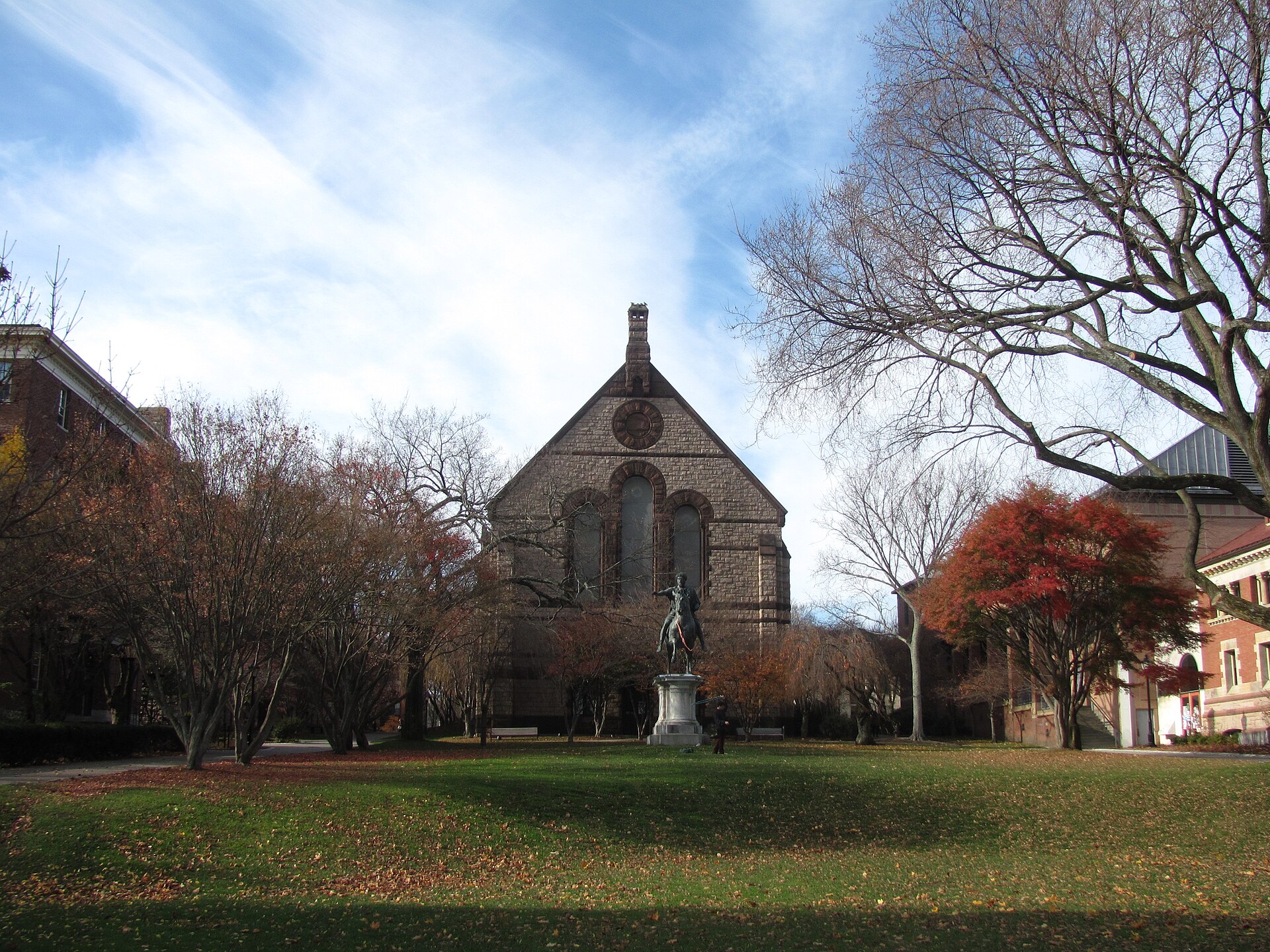
Brown University sits in Providence, Rhode Island, on College Hill overlooking the city. It is an Ivy League research university famous for its Open Curriculum, which lets students design their own course of study without rigid general-education requirements. Brown is known for academic freedom, a collaborative culture, and strong programs across the liberal arts, sciences, and applied fields, attracting independent-minded students who value flexibility in shaping their education.
Yes; Brown is a member of the Ivy League, the athletic conference of eight historic Northeastern universities, alongside Harvard, Yale, Princeton, Columbia, Penn, Dartmouth, and Cornell. It is highly selective and consistently ranked among the top national universities. Brown’s Ivy status and elite reputation are well established, distinguished by its open curriculum and emphasis on student academic freedom within that prestigious group.
Generally yes; students admitted from a waitlist are typically eligible for need-based financial aid on the same terms as other admitted students at colleges that meet demonstrated need, though some merit funds may already be committed by that point. Aid policies for late-cycle admits vary, so families should confirm with the financial aid office. At need-based institutions, being admitted later usually does not reduce eligibility for need-based support.
They happen at different stages. A deferral occurs in an early round, when a college postpones its decision and reconsiders the applicant within the regular pool. A waitlist offer comes with regular decisions, placing an applicant in reserve in case seats remain after admitted students commit. A deferred student still awaits a regular verdict, while a waitlisted student has received a final-round outcome short of outright admission.
Waitlist activity usually begins after the May enrollment deadline, once colleges see how many admitted students commit, and can stretch into the summer. Most offers come in May and June, though occasional ones arrive closer to the start of the term. Because timelines vary by college and year, waitlisted students should confirm a place elsewhere and be prepared to wait weeks, sometimes months, for any resolution.