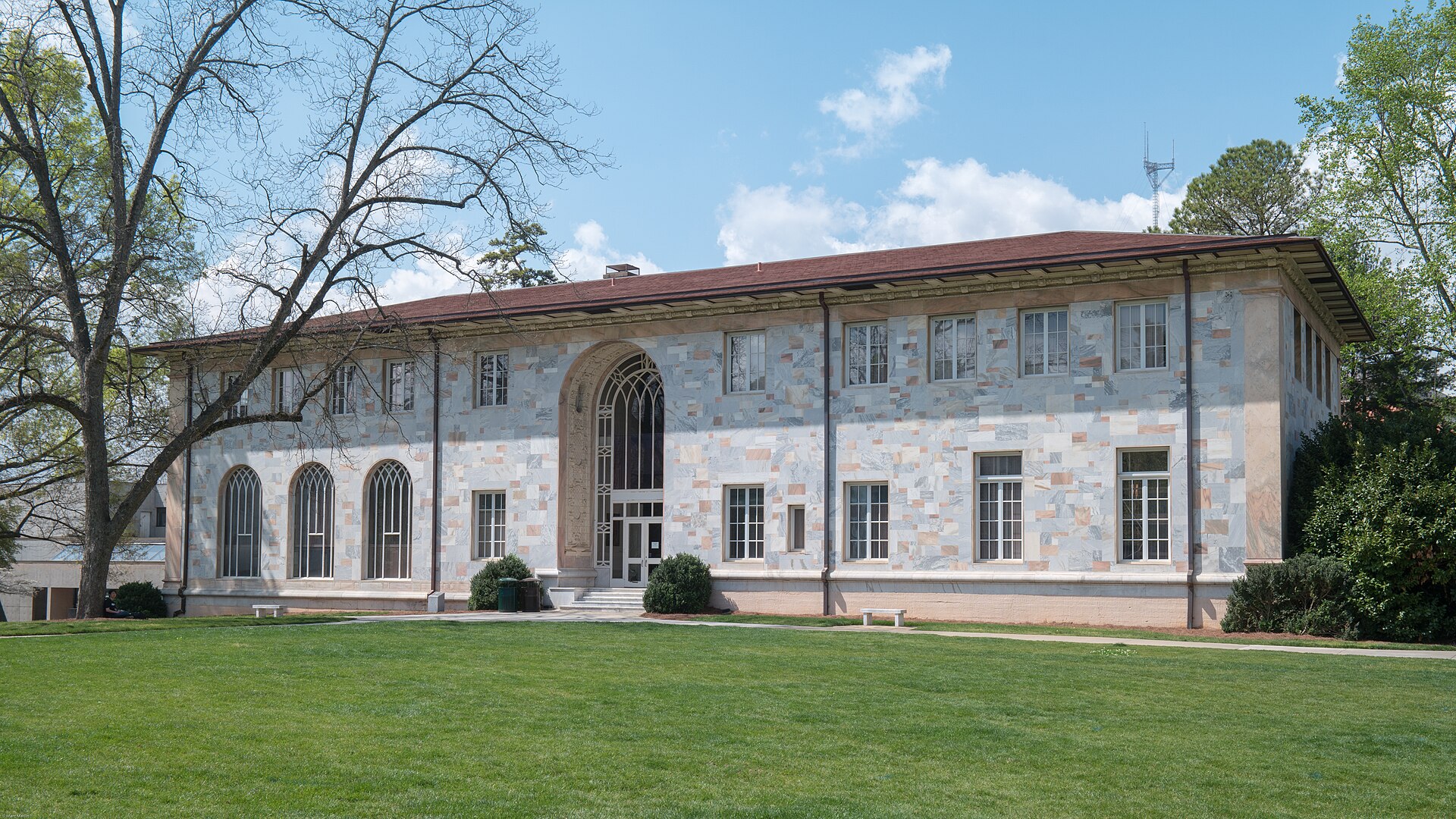
TL;DR: Columbia announces only the size of its early pool each December, but its Common Data Set reports Early Decision admits later. The latest figures, in the Common Data Set 2025-2026, cover the Class of 2029: 819 students admitted from 5,868 ED applications, a 14.0% rate, against about 4.0% for all other applications (Oriel Admissions calculation from the same filing), roughly a 3.5x differential. For the Class of 2030, Columbia College and Columbia Engineering received 5,497 ED applications, down 6.4% (Columbia Spectator, December 2025). Columbia remains test optional for the 2026-27 cycle and will require the SAT or ACT from the 2027-28 cycle (Columbia, June 2026). To decide whether a binding Columbia application is the right move, schedule a consultation with Oriel Admissions.
Columbia Early Decision Acceptance Rate: The Verified Trend
Columbia does not announce Early Decision admits or a rate in December; the verifiable figures come from its Common Data Set and the pool sizes the university discloses each December. Here is the trend, with the gaps left visible.
| Class | ED applications | ED admits | ED rate | Notes |
|---|---|---|---|---|
| Class of 2025 | 6,435 | 768 | 11.9% | Pandemic-cycle pool surge; Common Data Set 2021-2022 |
| Class of 2027 | 5,733 | 840 | 14.7% | Common Data Set 2023-2024 |
| Class of 2028 | 6,007 | 795 | 13.2% | Common Data Set 2024-2025 |
| Class of 2029 | 5,868 | 819 | 14.0% | Common Data Set 2025-2026 |
| Class of 2030 | 5,497 | Not yet published | Not yet published | Pool down 6.4% (Columbia Spectator) |
The verified numbers put the Columbia early decision acceptance rate between 11.9% and 14.7% across these cycles, with admits between 768 and 840 while the pool swung. The same figures anchor the Columbia row of our Early Decision acceptance rates master table, and the full Columbia acceptance rate breakdown covers the overall picture.
The Quietest Round in the Ivy League
Columbia’s December pattern is distinctive: the university announces how many students applied early, notifies candidates quietly, and publishes no admit count and no rate. The Common Data Set fills the gap about 18 months after decisions go out, so applicants signing a binding agreement work from data at least one full cycle old. That disclosure pattern, alongside a waitlist Columbia says little about, is why Columbia sits in the D tier of the Oriel Admissions College Admissions Transparency Index, and it is the reason the table above marks its gaps instead of papering over them.
Why Has Columbia’s Early Pool Shrunk Two Years Running?
Columbia’s early pool has fallen two years running: from 6,007 for the Class of 2028 to 5,868 and now 5,497, a decline of about 8.5% over two cycles. Columbia has not given a reason, and the Spectator report on the Class of 2030 pool offered none. Demand overall did not soften: the total pool for the Class of 2030 reached 61,031, the largest in Columbia’s history, with 2,581 students admitted, a 4.2% rate (Bwog, March 2026). The divergence matters strategically. A shrinking binding pool against a stable admit target is the rare force that pushes an early rate upward, and the Class of 2029 rate did rise to 14.0% from 13.2%.
ED vs Regular Decision at Columbia
In the most recent reported cycle, the Class of 2029, the early round ran 14.0% against about 4.0% for all other applications, roughly 3.5 times; a cycle earlier the gap was wider, 13.2% against 2.8%. Columbia remains test optional through the 2026-27 cycle and will require the SAT or ACT for applicants entering in fall 2028, and its Core Curriculum gives the Why Columbia case unusual specificity for applicants who actually want it. The binding round concentrates recruited athletes like every ED pool, and because Columbia does not quantify the current round in December, Oriel Admissions advises families to rely on the verified history above rather than this cycle’s missing number. Our ED versus RD advantage calculator translates the differential into personal odds, and our guide to choosing between Columbia, Cornell and Penn for ED covers the cross-school decision directly.
Should You Apply Early Decision to Columbia
Columbia runs a single binding ED round covering Columbia College and Columbia Engineering: applications close November 1 and decisions arrive in mid-December, with no ED II. The strategic case rests on the verified structure: a differential of roughly 3.5x to 4.7x in the last two reported cycles and an early pool that just got meaningfully smaller. The tests are the standard ones: genuine first choice, comfort binding before comparing aid offers, and a file finished by late October, plus one Columbia-specific reality: you will not learn this cycle’s early rate before you commit, because Columbia does not publish it in December. Keep notification dates on the calendar once the application is in.
Frequently Asked Questions About the Columbia Early Decision Acceptance Rate
The most recent figure, in the Common Data Set 2025-2026, is 14.0% for the Class of 2029, with 819 students admitted from 5,868 Early Decision applications. Columbia does not announce early admits in December, so the Class of 2030 figure will appear in a later Common Data Set.
Roughly 3.5 times in the most recent reported cycle: 14.0% early against about 4.0% for all other applications for the Class of 2029, by an Oriel Admissions calculation from the Common Data Set. A cycle earlier the gap was about 4.7 times. Part of the gap reflects recruited athletes and other committed candidates concentrated in the early pool, but the structural advantage is substantial.
The pool fell 6.4% to 5,497, the second consecutive decline and a drop of about 8.5% over two cycles. Columbia has not given a reason. Total applications still reached 61,031, the largest pool in its history.
No. Columbia runs a single binding ED round covering Columbia College and SEAS, with a November 1 deadline and mid-December decisions. Students denied in December cannot reapply that cycle, and deferred students move into the Regular Decision pool.
Not in December. Columbia discloses the size of the early pool each December but no admit count or rate; the counts appear later in its Common Data Set, which reported 819 admits from 5,868 applications for the Class of 2029.
Yes, for the 2026-27 cycle. Columbia College and Columbia Engineering remain test optional this cycle and will require the SAT or ACT starting with the 2027-28 cycle, for students entering in fall 2028, with waivers available on request.
Yes. Admitted ED students must withdraw all other applications and commit to enrolling. The recognized release valve is financial: families whose aid offer genuinely does not make attendance possible can be released from the agreement.
Mid-December. Columbia notified Early Decision applicants to the Class of 2030 in December 2025, and Regular Decision results followed on Ivy Day in late March.
Sources: Columbia Common Data Set 2025-2026, Columbia Common Data Set 2024-2025, Columbia Spectator, December 2025, Bwog, March 2026, Columbia testing policy update, Columbia Undergraduate Admissions, Common App, NCES College Navigator.
About Oriel Admissions
Oriel Admissions is a college admissions consulting firm advising families nationwide on elite university admissions strategy, with offices in Princeton, New Jersey and New York. Our team pairs deep admissions expertise with a distinctive 360 approach spanning academic planning, extracurricular strategy, essays and application execution. To discuss your strategy, schedule a consultation.