Skip to content
Back

Dartmouth Supplemental Essays Strategy: Prompts, Approach, and Strategy for 2025-2026

By Rona Aydin

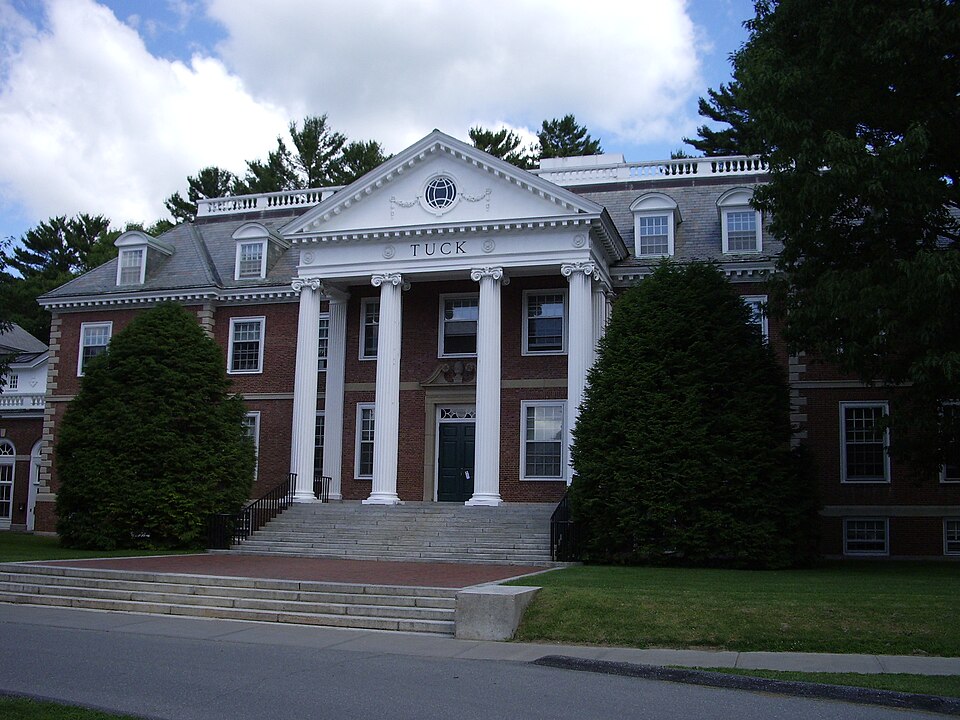
Dartmouth College campus and admissions strategy

TL;DR: Dartmouth’s supplemental essays for 2025-2026 require one 100-word Why Dartmouth essay plus two longer essays of 250 words each, chosen from six prompts (Dartmouth Admissions, 2025-2026). With a Class of 2029 acceptance rate of 5.4%, Dartmouth is distinctive among Ivies for emphasizing intellectual community and the outdoors, rewarding applicants who articulate genuine fit with its small community and D-Plan calendar.

What Are the Dartmouth Supplemental Essay Prompts for 2025-2026?

The Dartmouth supplemental essays for the 2025-2026 cycle consist of one 100-word Why Dartmouth essay and two essays of 250 words each, each with its own official word limit.

Dartmouth requires one short Why Dartmouth essay (100 words) and two longer essays of 250 words each chosen from six prompts for the 2025-2026 admissions cycle. The longer essay prompts cover intellectual curiosity, community contribution, a meaningful experience, a moment of inspiration, an example of moral courage, and what excites the applicant about Dartmouth’s D-Plan calendar. For broader context on Dartmouth admissions strategy, see our how to get into Dartmouth guide and Dartmouth acceptance rate analysis.

PromptQuestionLimit
Essay 1 (Why Dartmouth)While arguing a Dartmouth-related case before the US Supreme Court in 1818, Daniel Webster, Class of 1801, delivered this memorable line: “It is, sir…a small college, and yet there are those who love it!” As you seek admission to Dartmouth’s Class of 2030, what aspects of the College’s program, community or campus environment attract your interest?100 words
Essay 2 (Choose 1 of 6)Choose one of six prompts covering intellectual curiosity, character and humility, joy and play, future curiosity, what you would change, or moments that shape who we are.250 words
Essay 3 (Choose 1 of 6)Choose a second prompt from the same six options as Essay 2.250 words
Source: Dartmouth Admissions, 2025-2026 cycle

How Should Applicants Approach Dartmouth’s Why Dartmouth Essay?

The 100-word Why Dartmouth essay is one of the shortest Why College essays among Ivy League schools and one of the most strategically important. Every sentence must do real work. The strongest responses name two specific Dartmouth features and connect each to a specific applicant attribute. Generic praise for Dartmouth’s “small college community” or “tight-knit campus” fails completely – Dartmouth admissions reads thousands of these and recognizes the template instantly.

Specific Dartmouth features worth referencing include the D-Plan (Dartmouth’s four-quarter academic calendar that allows for flexible scheduling and off-term study or internships), the First-Year Trips program (the wilderness orientation experience), the Hood Museum of Art, specific departments or programs like the Rockefeller Center for Public Policy, Greek life or alternative residential communities, specific faculty whose research the applicant has read, or particular traditions like Homecoming bonfire or Winter Carnival. The strongest essays connect one or two of these to the applicant’s existing interests or values.

At 100 words, there is no room for filler. The test is whether the essay could only have been written about Dartmouth. If changing every “Dartmouth” to “Brown” or “Yale” still produces a working essay, the response is too generic.

How Should Applicants Choose Among Dartmouth’s Six Longer Essay Options?

Dartmouth provides six longer-essay prompts and asks applicants to choose two. The strategic move is choosing prompts that let the applicant show dimensions of themselves the rest of the application does not show. If the Common App personal statement covers intellectual curiosity, the Dartmouth longer essay should not duplicate that theme. If the activities list reveals leadership, the longer essay should reveal something else.

The six prompts cluster around (1) intellectual curiosity and how the applicant thinks, (2) character, humility, and how the applicant handles difficulty, (3) joy, play, and what brings the applicant outside academics, (4) future curiosity and what the applicant wants to explore, (5) what the applicant would change about the world, and (6) moments that shape who we are. Strong applicants choose two prompts from different clusters to reveal different dimensions.

The most common mistake is choosing the two prompts that seem easiest rather than the two that reveal the most. Strong applicants spend significant time on the prompt-selection phase – sometimes more than on the writing itself. The right two prompts can transform a Dartmouth supplement; the wrong two produce essays that fail to differentiate.

How Should Applicants Approach the Intellectual Curiosity Prompts?

Several of Dartmouth’s longer essay prompts ask about intellectual curiosity – what excites the applicant, what they want to explore, what question drives them. Strong responses identify a specific intellectual question rather than a field label. Writing “I love biology” is generic; writing “I cannot stop thinking about how slime molds solve maze problems without nervous systems” signals real engagement.

Dartmouth admissions reads these essays looking for evidence that the applicant pursues ideas outside formal coursework. The strongest essays describe a question the applicant has chased on their own time – books read independently, papers explored, conversations with experts the applicant sought out, or projects pursued without external requirement. Dartmouth’s small academic community rewards genuine intellectual engagement over polished credential lists.

The 250-word budget allows roughly 80 words to introduce the question, 100 words to demonstrate engagement, and 70 words to connect to broader curiosity or to Dartmouth. The essay does not need to resolve the question – admissions readers appreciate genuine intellectual openness.

How Should Applicants Approach Dartmouth’s Character and Community Prompts?

Several Dartmouth prompts ask about character, humility, joy, or what shapes the applicant. These prompts evaluate dimensions of the applicant that academic credentials cannot reveal. The strongest responses identify a specific moment, experience, or relationship and use the essay to show what that specific thing reveals about the applicant.

Dartmouth admissions is particularly interested in applicants who can show humility and self-awareness. Essays that present the applicant as having already figured everything out fail this prompt; essays that show the applicant continuing to learn from specific experiences succeed. The 250-word budget allows substantive narrative development, but the essays should not be triumphant.

After Students for Fair Admissions v. Harvard in 2023, the community-related prompts have become primary mechanisms for applicants to discuss identity, background, and lived experience. The strongest essays anchor in specific aspects of background or community – not general identity claims – and connect them to specific contributions the applicant would make to Dartmouth’s small intellectual community.

Why Dartmouth’s D-Plan Calendar Matters for Applicants

Dartmouth’s D-Plan is the school’s four-quarter academic calendar (fall, winter, spring, summer) that operates differently from the standard two-semester system. Students typically take 35 courses over 12 quarters and have unusual flexibility to study off-campus, complete internships, or pursue research during off-terms. The summer of sophomore year is required for residency. The D-Plan is one of Dartmouth’s most distinctive academic features and is genuinely worth mentioning in the Why Dartmouth essay.

Strong references to the D-Plan signal that the applicant has thought about how they would use the flexibility – for off-campus study programs (Dartmouth has programs in many cities and countries), for internships during off-terms, for research, or for the unusual rhythm of summer-on-campus. Generic mentions of “loving Dartmouth’s flexible academic schedule” fail; specific use cases for the D-Plan succeed.

The D-Plan also affects social life and academic intensity. Each quarter is shorter and more intense than a semester, and students rotate through different combinations of classmates each quarter. Applicants who have considered both the academic and social implications of the D-Plan signal genuine fit.

When Should Applicants Start Drafting the Dartmouth Supplement?

Drafting the Dartmouth supplemental essays typically begins in mid-July to mid-August of the summer before senior year, depending on application round.

Dartmouth’s Early Decision deadline is November 1 and Regular Decision deadline is January 3. Given the volume of writing required (approximately 600 words across three essays), strong Dartmouth applicants typically begin drafting in early July of the summer before senior year for ED, allowing eight to ten weeks for brainstorming, prompt selection, drafting, revising, and polish. For broader senior-year application timing, see our Common App essay timeline.

The 100-word Why Dartmouth essay typically requires more revisions per word than any other prompt because compression to 100 words is hard. The 250-word longer essays typically require four to six drafts each. The prompt-selection phase (choosing two prompts from six) deserves significant time – the right two prompts can transform the supplement.

Dartmouth’s First-Year Applicants page provides the canonical reference for current prompts and deadlines. Common Data Set data and admissions statistics are available through the NCES College Navigator.

What Most Commonly Causes Dartmouth Supplement Rejection?

The most common patterns in unsuccessful Dartmouth supplemental essays are generic praise without specific institutional references and treating the prompts as interchangeable with peer schools.

The single most common rejection pattern in Dartmouth supplements is a generic Why Dartmouth essay that could apply to any small liberal arts-style Ivy. Praising Dartmouth’s “intimate community” or “tight-knit campus” without naming specific resources fails. The fix is naming the D-Plan, specific programs like First-Year Trips, specific faculty, or specific traditions, and connecting each to the applicant’s existing interests.

The second most common pattern is choosing the wrong two longer essay prompts. Applicants who choose two prompts that reveal the same dimension of themselves waste an opportunity. The fix is choosing prompts from different clusters – one intellectual curiosity prompt plus one character or community prompt, for example – to reveal two distinct dimensions.

The third pattern is treating Dartmouth as a backup Ivy without genuine fit. Dartmouth’s small intellectual community, rural setting, and D-Plan calendar are genuinely distinctive, and applicants who do not engage with these specifics signal that they have not seriously considered whether Dartmouth fits them. The strongest applicants demonstrate that they have thought about Dartmouth as a specific intellectual community, not as a generic prestigious option.

Families researching the Dartmouth supplemental essays should approach the prompts as the primary differentiator among academically qualified applicants.

Frequently Asked Questions About Dartmouth Supplemental Essays

How important is the Dartmouth supplement compared to the rest of the application?

At Dartmouth’s 5.4% Class of 2029 acceptance rate, the supplemental essays are the primary differentiator among academically qualified applicants. Dartmouth’s small admissions team reads each essay carefully, and the Why Dartmouth essay at 100 words carries disproportionate weight relative to its length. Strong essays will not save weak academics, but generic essays guarantee rejection regardless of credentials.

How specific should the Why Dartmouth essay be at 100 words?

Extremely specific. At 100 words there is room for two specific Dartmouth features (the D-Plan, a particular program like First-Year Trips, a specific faculty member, a particular tradition) and one connection to the applicant’s existing interests. Generic praise of Dartmouth’s small community or rural setting wastes the entire essay. The test is whether the essay could only have been written about Dartmouth.

Which two of the six longer essay prompts should my child choose?

Choose prompts that reveal different dimensions of the applicant and that do not overlap with the Common App personal statement or activities list. The six prompts cluster around intellectual curiosity, character, joy, future curiosity, what you would change, and moments that shape you. Strong applicants choose one prompt from an intellectual cluster and one from a character or community cluster to reveal two distinct dimensions.

What is the D-Plan and should my child mention it?

The D-Plan is Dartmouth’s four-quarter academic calendar (fall, winter, spring, summer) with unusual flexibility for off-term study, internships, or research. Students typically take 35 courses over 12 quarters and the summer of sophomore year is required for residency. The D-Plan is one of Dartmouth’s most distinctive features and is genuinely worth mentioning – especially with specific use cases for how the applicant would use the flexibility.

Is Dartmouth’s rural location a problem for applicants from cities?

Not inherently, but applicants who have not considered the implications of Dartmouth’s rural Hanover, New Hampshire setting often signal poor fit. Dartmouth admissions reads applications looking for evidence that the applicant has thought seriously about the kind of community Dartmouth offers – small, intellectually intense, naturally beautiful, and somewhat isolated. Applicants who claim to want urban energy while applying to Dartmouth raise questions.

How does Dartmouth’s supplement compare to other Ivy League schools?

Dartmouth requires three essays totaling approximately 600 words. Harvard requires five 150-word essays (750 words). Yale requires seven components totaling roughly 1,000 words. Princeton requires five components plus a graded paper. Brown requires three 250-word essays plus short answers. Dartmouth’s supplement is the shortest among Ivies but its prompt-choice structure (two of six) is unique – the selection itself is part of what admissions reads.

When should my child start drafting the Dartmouth supplement?

Early July before senior year for Early Decision applicants (November 1 deadline), and August for Regular Decision applicants (January 3 deadline). The 100-word Why Dartmouth essay requires more revisions per word than any other prompt. The prompt-selection phase for the two longer essays deserves significant time – the right two prompts can transform the supplement.

What should my child avoid in the Dartmouth supplement?

Avoid generic Why Dartmouth essays praising “small community” without specific resources, choosing two longer essay prompts that reveal the same dimension, treating Dartmouth as a backup Ivy without genuine fit consideration, and ignoring distinctive features like the D-Plan or First-Year Trips. The thread across all three Dartmouth essays is genuine engagement with what makes Dartmouth specifically distinct from other Ivies.

Sources: Dartmouth Admissions, First-Year Applicants, Dartmouth Office of Institutional Research, NCES College Navigator, National Association for College Admission Counseling (NACAC), and Common Application First-Year Requirements.


About Oriel Admissions

Oriel Admissions is a Princeton-based college admissions consulting firm advising families nationwide on elite university admissions strategy. Our team includes former admissions officers from leading Ivy League and top-ranked institutions. To discuss your family’s admissions strategy and supplemental essay coaching, schedule a consultation.


Latest Posts

Show all

Sign up for our newsletter