How to Get Into Milton Academy: Acceptance Rate, SSAT Scores, and Admissions Strategy
By Rona Aydin
How Hard Is It to Get Into Milton Academy?
Milton Academy admits roughly 13 percent of applicants, a figure the school publishes directly on its admission site. That places Milton alongside Phillips Exeter Academy and Phillips Academy Andover in the top tier of New England boarding school selectivity. The applicant pool is national and international, with students arriving from more than 25 states and roughly 30 countries.
Milton Academy admissions decisions are holistic. The committee weighs transcripts, SSAT results, teacher recommendations, essays, and interviews together rather than screening on any single number. Admitted students typically present strong A-range records in the most demanding courses available to them, SSAT scores at or above the 85th percentile, and a clear record of contribution outside the classroom. Because Milton runs both a boarding program for grades 9 through 12 and a day program that begins in kindergarten, day applicants from the Boston area face a distinct competitive pool shaped by limited seats and strong local demand.
What Makes Milton Academy Distinctive Among Elite Boarding Schools?
Milton was founded in 1798 and operates under the motto Dare to Be True. Unlike rural peers, Milton sits in a suburban neighborhood eight miles from downtown Boston, which gives students access to university research, internships, and cultural institutions without sacrificing a residential campus culture. About half of Upper School students board and half commute, a balance that produces a community less isolated than remote boarding schools.
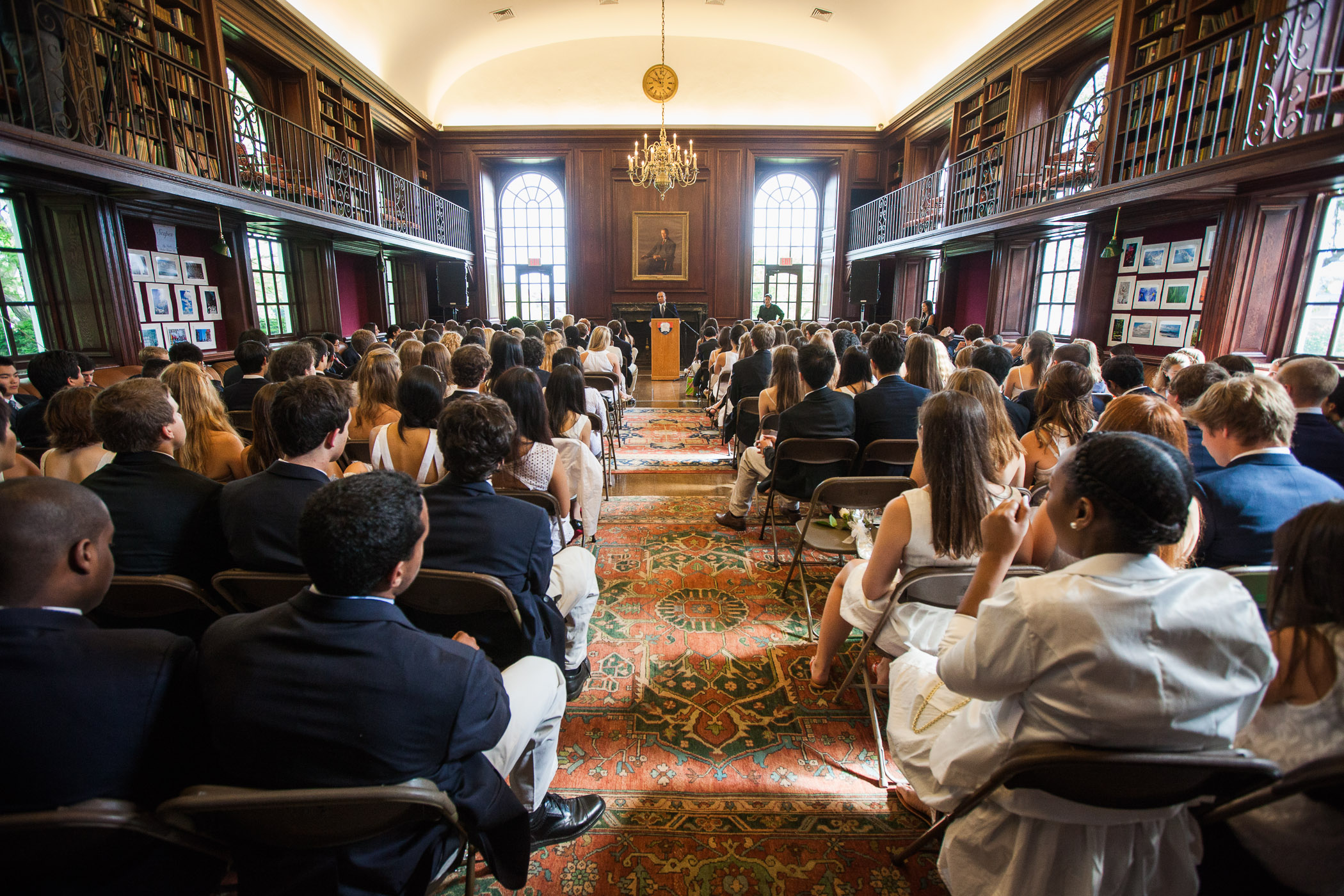
Classes average 14 students and are taught discussion-style around Harkness-type tables, with a student to faculty ratio near 5 to 1. The school is consistently ranked among the strongest schools nationally for endowment per student, faculty credentials, and college outcomes. For families comparing options across the top New England schools, our guide to the Ten Schools Admission Organization explains how Milton compares to the consortium schools on selectivity and culture.
What Does Milton Academy Cost and How Does Financial Aid Work?
| Item | 2025-2026 Figure |
|---|---|
| Boarding tuition | $75,980 |
| Day tuition (Upper School) | $65,980 |
| Students receiving financial aid | 35% |
| Annual financial aid budget | $14.5 million |
| Demonstrated need met | 100% |
Source: Milton Academy Office of Admission.
Milton meets 100 percent of demonstrated financial need and allocated a financial aid budget of $14.5 million in a recent cycle, with about 35 percent of students receiving support. The first phase of application review is need-blind, while the final phase is need-aware and considers remaining aid funds. Financial aid materials are due January 31, and aid decisions arrive with admission offers on March 10. High-income families should note that full-pay status is not a strategy by itself; Milton fills its class on merit and fit, and the application must stand on its own.
Where Do Milton Academy Graduates Go to College?
Milton Academy matriculation outcomes rank among the strongest of any American secondary school. Based on multi-year aggregates of the school’s published lists, approximately 14.9 percent of graduates enroll at Harvard, Yale, Princeton, Stanford, or MIT, a figure that places Milton second in the nation on FindingSchool’s 2026 boarding school HYPSM ranking, behind only Groton. Milton’s own published matriculation list names Harvard as the single largest destination with 31 matriculants across recent years, followed by Georgetown (26), Brown (18), Boston College (16), and Middlebury (10), with 99 percent of graduates enrolling at four-year institutions.
| College tier | Share of Milton graduates |
|---|---|
| Harvard, Yale, Princeton, Stanford, MIT | 14.9% |
| Top-25 national universities (beyond HYPSM) | 20.4% |
| Top-26 to top-50 national universities | 19.5% |
Multi-year aggregates from Milton Academy’s published matriculation lists via FindingSchool; tiers per the 2024 U.S. News National Universities ranking.
For context on how Milton compares to every elite boarding and day school on these measures, see our complete guide to the best feeder schools to the Ivy League.
What Are the Milton Academy Application Requirements?
A complete Milton Academy admissions file includes the application with essays, a graded writing sample where requested, transcripts from the past two years, English and math teacher recommendations, a principal or counselor form, SSAT scores, and an interview. International applicants whose first language is not English submit TOEFL results. Milton accepts applications through the standard boarding school platforms, and families should confirm current requirements on the Milton Academy admission site before building a timeline.
Testing matters more than many families assume at the most selective schools. Admitted Milton students typically score at or above the 85th percentile on the SSAT, and strong quantitative and verbal balance signals readiness for Milton’s demanding curriculum. Students aiming for Milton should complete a diagnostic SSAT by the spring before application year so there is time for two full preparation cycles.
What Is the Milton Academy Admissions Timeline?
| Milestone | Date |
|---|---|
| Campus visits and interviews | September through January |
| Application deadline | January 15 |
| Financial aid deadline | January 31 |
| Decisions released | March 10 |
| Enrollment reply | Early April |
Source: Milton Academy Office of Admission.
The interview is required and should be scheduled early, because fall slots fill quickly. Families visiting in September or October see the school in session and give the student a stronger basis for the Why Milton essay. Applications submitted well before January 15 avoid the document bottlenecks that affect recommendations and transcripts in the final week.
How Should Students Prepare for the Milton Academy Interview?
Milton interviews are conversational, and the admission office is evaluating curiosity, warmth, and evidence that the student will contribute to a discussion-based classroom. Students should prepare two or three concrete stories about academic interests, an activity where they hold real responsibility, and a genuine reason Milton fits, whether that is the Boston connection, a specific program, or the day-boarding balance. Rehearsed speeches read poorly in a school built around authentic discussion. Parents are typically part of a separate conversation and should be ready to describe the family’s educational priorities candidly.
How Do Strong Applicants Position Themselves for Milton Academy Admissions?
Successful Milton Academy admissions candidates show three things: academic excellence in context, a distinctive contribution the school can picture on campus, and alignment with Milton’s discussion-driven culture. Depth beats breadth. One activity pursued to a meaningful level of achievement carries more weight than six memberships. Writing quality matters at Milton more than at most peers because the school’s English program is a signature strength, so essays should be drafted early and revised across multiple rounds. Families beginning in sixth or seventh grade have time to build this record deliberately rather than assembling it in the fall of application year.
Frequently Asked Questions About Milton Academy Admissions
Milton Academy admits approximately 13 percent of applicants, according to the school’s own admission office. That makes Milton one of the most selective independent schools in the country, comparable to Phillips Exeter and Phillips Andover.
Admitted students typically score at or above the 85th percentile on the SSAT. A lower score does not automatically end a candidacy, but it must be offset by an exceptional transcript, recommendations, or a distinctive talent the school values.
For 2025-2026, boarding tuition is $75,980 and Upper School day tuition is $65,980. About 35 percent of students receive financial aid, and Milton meets 100 percent of demonstrated need.
The application deadline is January 15, with financial aid materials due January 31. Decisions are released on March 10 alongside financial aid awards.
Both. Milton runs a K-12 day program and a boarding program for grades 9 through 12. Roughly half of Upper School students board and half commute from the Boston area, which shapes two distinct applicant pools.
Yes. The interview is a required part of the application and is typically scheduled between September and January. Fall interview slots fill early, so families should book visits in September or October.
Grade 9 is the largest entry point for the Upper School and offers the most seats. Grade 10 admits a smaller cohort, and grade 11 entry is rare. Day families can also enter through the Lower and Middle Schools, where seats are limited.
Milton offers comparable academics with a different setting: a suburban campus eight miles from Boston and an even split of boarders and day students. Families who want elite academics with city access and a less isolated feel often prefer Milton, while families seeking a fully residential rural experience may prefer Exeter or Andover.
Sources: Milton Academy Office of Admission, The SSAT (Enrollment Management Association), Gateway to Prep Schools, National Association of Independent Schools, The Association of Boarding Schools.
About Oriel Admissions
Oriel Admissions is a Princeton-based college admissions consulting firm advising families nationwide on elite university admissions strategy. Our team brings deep expertise across every dimension of the application, and our distinctive 360 approach develops strategy, positioning, activities, essays, and interviews as one coherent whole. To discuss your family’s admissions strategy including elite boarding school admissions, schedule a consultation.