What Is Yale Young Global Scholars?
Yale Young Global Scholars (YYGS) is a two-week residential pre-college program at Yale University for current high school sophomores and juniors (international equivalents grades 10-11). The program was founded in 2001 as Ivy Scholars and now hosts approximately 1,800-1,900 students each summer across three academic tracks: Innovations in Science & Technology, Politics of Law & Economics, and Solving Global Challenges.
| Yale Young Global Scholars (YYGS) at a Glance | Detail |
|---|---|
| Host institution | Yale University, New Haven, CT (Benjamin Franklin and Pauli Murray Colleges) |
| Founded | 2001 (originally Ivy Scholars) |
| Acceptance rate | Approximately 15-20% (10,000+ applications for ~1,800-1,900 spots in 2024) |
| Eligibility | Current sophomores and juniors, ages 16-18 at program dates |
| Citizenship | Open to all countries (students from 150+ countries, 50+ US states) |
| First-time participant | Yes (cannot have attended YYGS in 2025 or prior) |
| Three academic tracks | Innovations in Science & Technology, Politics of Law & Economics, Solving Global Challenges |
| Student-teacher ratio | 12:1 |
| Tuition 2026 | $7,000 per 2-week session (first increase in 7 years) |
| Financial aid | $3+ million distributed annually; need-based to full tuition |
| Early Action deadline | October 15, 2025 (11:59pm ET) |
| Regular Decision deadline | January 7, 2026 (11:59pm ET) |
YYGS distinguishes itself from RSI, TASS, PROMYS, and SSP through two structural differences. First, the program is paid rather than free: 2026 tuition is $7,000 per session, the first price increase in seven years. Second, the acceptance rate is approximately 15-20% – substantially higher than the 2.5-5% range of Tier 1 free programs – making YYGS more accessible while still being meaningfully selective.
How Selective Is Yale Young Global Scholars?
YYGS’s 15-20% acceptance rate places it at the more accessible end of competitive summer programs. In 2024, the program received over 10,000 applications and admitted approximately 1,800 students. Acceptance is meaningfully selective but achievable for well-prepared applicants. Yale does not publish official acceptance rate statistics, but multiple admissions guidance sources estimate the 15-20% range based on cohort size and reported application volume.
YYGS’s admissions weight is meaningful but lower than Tier 1 free programs. The program does not signal independent verification of academic talent in the same way RSI or TASS does, because admission is partially correlated with ability to pay (despite the substantial financial aid). However, YYGS admission still positions applicants well for elite university admissions, and the program’s global community of 150+ countries provides networking and intellectual exposure that admissions officers value.
What the Yale Young Global Scholars Application Requires
The YYGS application includes: an online application form with biographical and academic information; multiple essays (varying by year, but typically including questions about academic interests, global perspective, and personal background); a current high school transcript (unofficial acceptable); a recommendation from a teacher, counselor, or school official (submitted via standardized form rather than letter); and an English proficiency test score if not native English speakers (waivable in some cases).
YYGS offers two application rounds. Early Action applicants must submit by October 15, 2025 at 11:59pm ET for the 2026 program; Early Action decisions are released by mid-March 2026, with deferred applicants automatically rolled into Regular Decision. Regular Decision applicants submit by January 7, 2026 at 11:59pm ET. Application fees are $80 USD for Early Action and $95 USD for Regular Decision; fee waivers reduce the fee to $0 USD for qualifying applicants.
YYGS evaluates applications holistically. According to Yale Young Global Scholars admissions guidance, the program looks for academic performance, intellectual curiosity, demonstrated engagement with global or interdisciplinary topics, and essay quality. The program emphasizes that motivation, background, perspective, and voice matter as much as grades.
What Is the YYGS Program Experience?
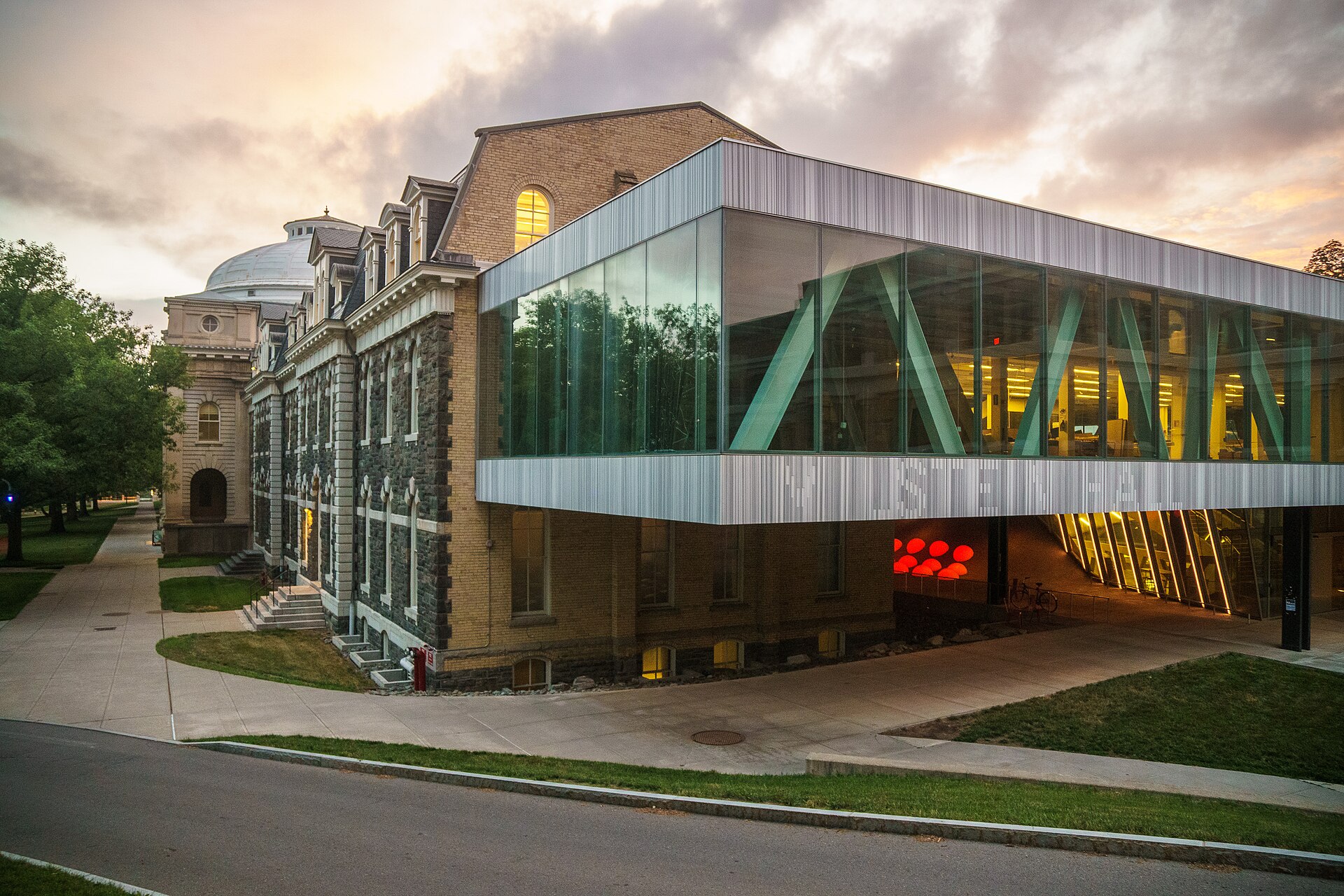
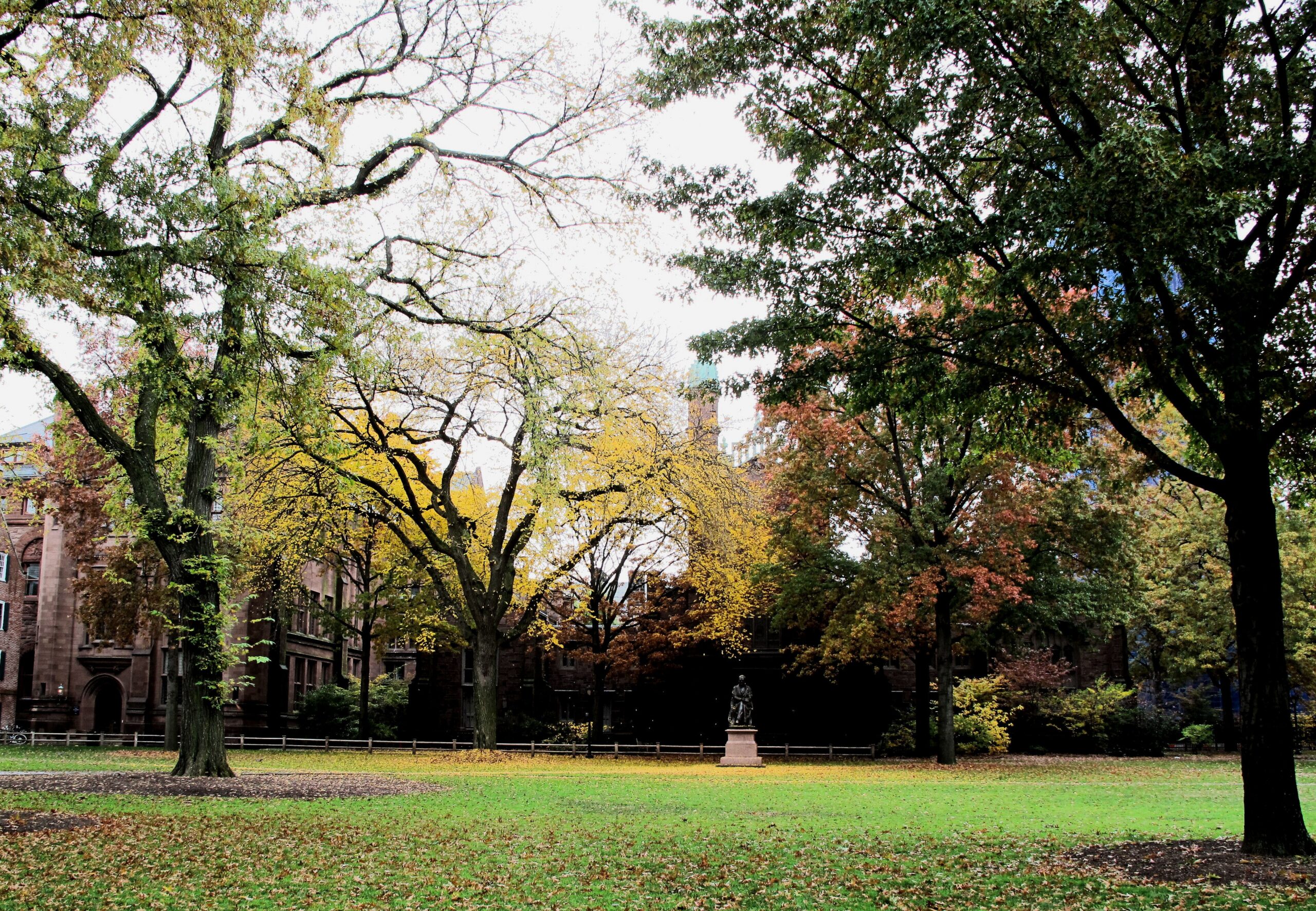
YYGS students live for two weeks in Yale residential colleges. In 2026, YYGS will host students in Benjamin Franklin and Pauli Murray Colleges – the newest residential colleges, opened in 2017, with modern facilities including air-chilling technology. Students experience life as Yale undergraduates: dining in Yale dining halls, accessing Yale libraries and academic resources, and participating in residential community life.
The academic structure features morning lectures by Yale faculty, afternoon seminars with 12:1 student-to-teacher ratios, and a session-long capstone project. Students choose one academic track for the full two weeks. Innovations in Science & Technology focuses on interdisciplinary STEM applications. Politics of Law & Economics covers political philosophy, legal theory, and economic policy. Solving Global Challenges addresses interdisciplinary problem-solving across climate, public health, and global development.
Beyond academics, YYGS emphasizes global community-building. Students from 150+ countries and 50+ US states attend each summer, providing one of the most internationally diverse pre-college experiences available. Yale runs additional special scholarships for underrepresented populations: New Haven Public Schools, STARS (rural and small-town students), YYAS Alumni, and Young Leaders scholarships.
How Strong Is the YYGS Admissions Signal?
YYGS admission is a meaningful but lower-weight signal compared to Tier 1 free programs like RSI, TASS, and PROMYS. The 15-20% acceptance rate is selective but not extreme. The program’s paid structure means admission is partially correlated with ability to pay rather than purely merit-based.
That said, YYGS admission demonstrates academic capacity above what most other paid pre-college programs require, plus engagement with global and interdisciplinary topics. For students whose primary academic interests are humanities, social sciences, or interdisciplinary topics rather than pure STEM research, YYGS may be a more relevant program than RSI or SSP. YYGS alumni have strong matriculation outcomes at elite universities across diverse fields, and the program’s global alumni network of 20,000+ provides ongoing professional and educational connections.
How Should Students Prepare for a YYGS Application?
YYGS’s evaluation emphasizes essay quality and demonstrated intellectual engagement, making essay preparation the highest-leverage activity. Strong applicants invest 20-40 hours on essays, often working through multiple drafts over several weeks. The strongest essays demonstrate specific intellectual interests with concrete examples – particular books, current events, or experiences that have shaped the applicant’s worldview – rather than generic statements about “global problems” or “making a difference.”
Build relevant academic preparation. For the Innovations in Science & Technology track, demonstrate engagement with STEM through advanced coursework, science fair, or competitions. For Politics of Law & Economics, demonstrate engagement through debate, Model UN, journalism, or sustained reading in political theory. For Solving Global Challenges, demonstrate engagement through community service, advocacy, or sustained study of global issues.
Plan early. Early Action applications close October 15, 2025 (11:59pm ET) – meaningfully earlier than most pre-college program deadlines. The $80 EA fee versus $95 RD fee provides modest financial incentive for early submission, and EA applications receive faster decision turnaround (mid-March vs. April-May for RD).
Frequently Asked Questions About Yale Young Global Scholars (YYGS)
YYGS is a prestigious residential summer academic program hosted on Yale’s campus for high school students from around the world. Participants live at Yale for about two weeks, attending interdisciplinary lectures, small seminars, and discussion groups led by instructors and graduate affiliates, and complete a collaborative capstone project. The experience emphasizes global issues, intellectual exchange across cultures, and exposure to college-level academic life rather than a single subject taught for credit.
YYGS charges a tuition of several thousand dollars covering the residential session, and it offers need-based financial aid, including substantial and in some cases full scholarships, so cost should not deter strong applicants. Families apply for aid during the admissions process and submit financial documentation. Because the program is committed to access, admitted students with demonstrated need can receive significant support, though aid is awarded separately from the admission decision itself.
Highly selective; YYGS admits a limited number of students from a large international applicant pool, with an acceptance rate that makes it competitive, though it is a sizable program rather than a tiny cohort. Successful applicants typically show strong academics, intellectual curiosity, and a global outlook in their essays. Because demand is high worldwide, even capable students face real competition, so applicants should treat admission as uncertain and invest care in the application.
YYGS is built for students who are currently in 10th or 11th grade (roughly 16 to 18 years old at the time of the program), who then attend the summer following that school year. It is not open to rising college students or, in general, to graduated seniors. Specific age and grade rules can vary by cycle and by country, so applicants should confirm the current eligibility requirements on the program’s site before applying.
Modestly; YYGS is a recognized, selective program that signals intellectual engagement and a global perspective, which can be a positive part of an application, and the experience often strengthens students’ essays and academic direction. However, it is not a guarantee of admission anywhere, and colleges evaluate the whole applicant. Its value lies in genuine intellectual growth and the material it gives a student to write about, not in the program’s name alone.
No; despite the name, YYGS is run as a separate summer program and does not confer any admissions advantage at Yale University, which evaluates college applicants independently. Yale does not favor YYGS alumni in undergraduate admissions. Students should choose the program for the academic experience and exposure it offers, not in the belief that it improves their odds at Yale, since it carries no such built-in benefit.
YYGS is primarily a residential program, with students living on Yale’s campus for the duration of a session, which is central to its immersive, community-based experience. The program has at times offered online options, but the flagship experience is in person at Yale. Because formats can change between years, applicants should confirm the current residential and any online offerings for their intended session before applying.
For the right student, yes; YYGS offers an immersive taste of college-level academics, a globally diverse peer community, and exposure to interdisciplinary ideas, which many participants find genuinely formative. Whether it is worth the cost depends on fit and finances, and need-based aid can offset tuition. It is best viewed as an enriching academic and personal experience rather than an admissions credential, so motivated, intellectually curious students tend to benefit most.
Sources: Yale Young Global Scholars official site, Yale University, Yale Office of Undergraduate Admissions, NCES College Navigator (Yale), NACAC 2024 State of College Admission, College Board BigFuture, and independent analysis of summer enrichment program admissions impact.
About Oriel Admissions
Oriel Admissions is a Princeton-based college admissions consulting firm advising families nationwide on elite university admissions strategy. Our team brings deep expertise across every dimension of the application, and our distinctive 360 approach develops strategy, positioning, activities, essays, and interviews as one coherent whole. To discuss your family’s admissions strategy, schedule a consultation.