Need-Blind vs Need-Aware Admissions for International Students: The Complete List
By Rona Aydin

What Does Need-Blind Mean for International Students?
This guide covers need-blind and need-aware admissions specifically for international applicants. For the general framework covering both domestic and international policies including the waitlist need-aware trap, see our need-blind vs need-aware admissions guide on how aid policy shapes application strategy.
Need-blind admissions means a university does not consider an applicant’s financial need during the admissions decision. The university evaluates academic credentials, extracurriculars, essays, and recommendations without reference to ability to pay. International students at need-blind universities can apply for financial aid without affecting admissions probability.
Only 10 US universities are currently need-blind for international students. All 10 also meet 100 percent of demonstrated financial need for admitted students – the combination of need-blind admissions and full-need aid is the most generous financial aid policy available. See our international financial aid guide for aid mechanics in detail.
Which Universities Are Need-Blind for International Students in 2026?
| University | Type | When Implemented | Meets 100% of Need? |
|---|---|---|---|
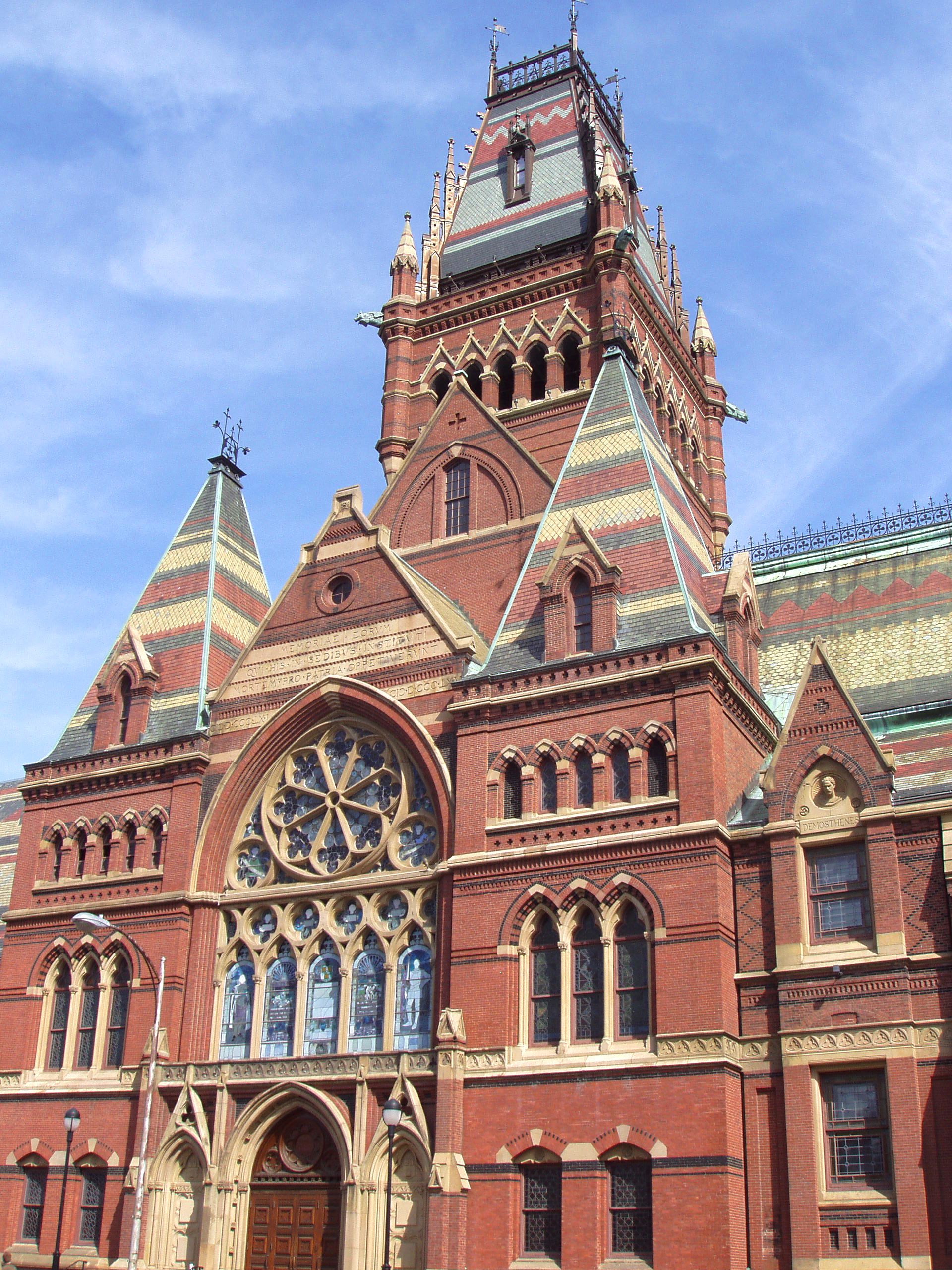
| Harvard | Private R1 | Long-standing | Yes |
| Yale | Private R1 | Long-standing | Yes |
| Princeton | Private R1 | Long-standing (no-loan) | Yes |
| MIT | Private R1 | Long-standing | Yes |
| Amherst College | Private LAC | Long-standing | Yes |
| Dartmouth | Private R1 | Class of 2026+ | Yes |
| Bowdoin College | Private LAC | Recent expansion | Yes |
| Notre Dame | Private R1 | Class of 2029+ | Yes |
| Brown University | Private R1 | Class of 2029+ | Yes |
| Washington and Lee | Private LAC | Long-standing | Yes |
The list expands occasionally as universities raise endowment resources to support international aid commitments. Several universities have announced plans to extend need-blind policies to internationals in future cycles – applicants should verify current and announced need-blind status at target universities through official admissions websites.
Which Elite Universities Are Need-Aware for International Students?
Most elite US universities are need-aware for international students. The need-aware list includes:
- Stanford – Need-aware for internationals; provides substantial aid to admitted students
- Columbia – Need-aware for internationals; substantial aid available
- Penn – Need-aware for internationals
- Duke – Need-aware for internationals; offers some merit scholarships
- Northwestern – Need-aware for internationals
- Cornell – Need-aware for internationals
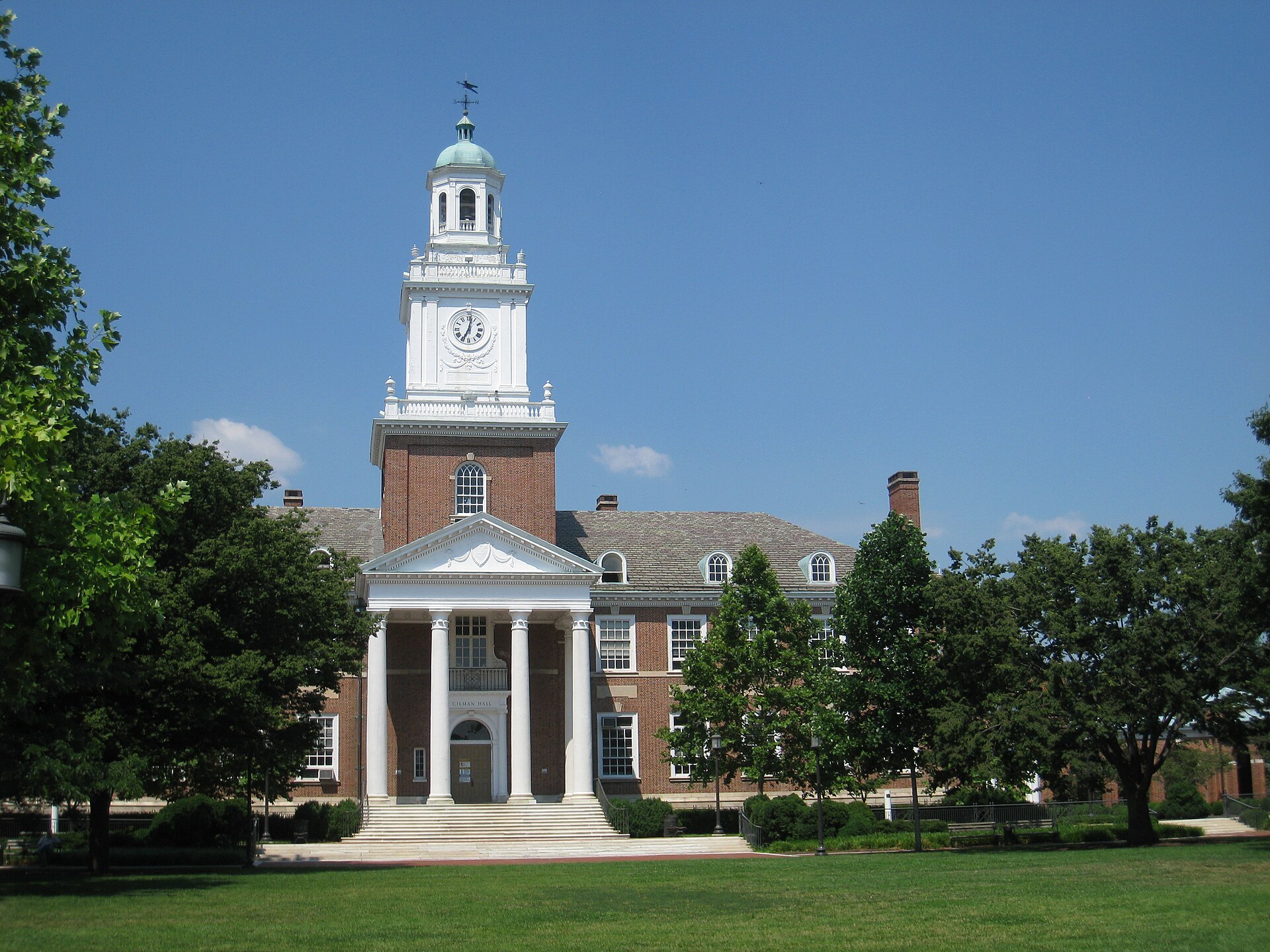
- Johns Hopkins – Need-aware for internationals
- Caltech – Need-aware for internationals
- Vanderbilt – Need-aware; substantial merit scholarships available (Cornelius Vanderbilt Scholarship)
- Rice – Need-aware
- Georgetown – Need-aware for non-citizens; limits scholarships for non-citizens
- University of Chicago – Need-aware; offers merit scholarships
- Carnegie Mellon – Need-aware
- USC – Need-aware; substantial merit scholarships (Trustee Scholarship)
- NYU – Need-aware
- Tufts – Need-aware
- Williams, Pomona, Claremont McKenna, Swarthmore – Need-aware liberal arts colleges
Public universities (UC system, Michigan, Virginia, UNC, Texas) are typically need-aware for internationals and provide minimal need-based aid. The need-aware effect varies substantially – Stanford and Columbia provide substantial international aid; many other need-aware schools provide limited aid. Strong applicants requesting aid should research aid generosity at each target need-aware school.
How Much Does the Need-Blind vs Need-Aware Difference Matter?
The need-blind vs need-aware difference matters more for applicants requesting substantial financial aid and less for full-pay applicants. Applicants who can pay full tuition without aid face equivalent admissions evaluation at need-blind and need-aware universities. Applicants requesting $50,000+ in annual aid may face meaningful admissions probability reduction at need-aware universities, particularly for borderline candidates.
Strong applicants with clear competitive credentials face less aid-related admissions impact than borderline applicants. The strategic implication is straightforward: aid-requiring applicants should weight target school selection toward need-blind institutions; full-pay applicants should weight selection toward fit and academic match without need-blind considerations. The 10 need-blind universities represent the optimal admissions environment for aid-requesting international applicants because aid applications cannot affect admissions decisions.
Should International Students Apply for Aid at Need-Aware Universities?
It depends on financial capacity and aid generosity at target universities. Families with substantial financial need should typically apply for aid at all universities including need-aware schools – the aid is necessary regardless of admissions impact. The choice is not between aid and admission; it is between admitted-with-aid and admitted-with-financial-strain.
Families with marginal need (could pay full tuition with effort but would prefer aid) should consider not applying for aid at top-choice need-aware universities to maximize admissions probability. Some need-aware universities (Stanford, Columbia, Northwestern) provide substantial international aid and have minimal aid-related admissions impact. Other need-aware universities have more significant aid-admissions interaction. Strong applicants should consult specific university aid policies and consider both admissions probability and financial necessity.
Are There Universities Planning to Become Need-Blind for Internationals?
Several universities have announced plans or expressed interest in extending need-blind policies to international students. Notre Dame Financial Aid announced expansion to need-blind for all applicants starting Class of 2029 – the most recent major expansion. Brown University will be need-blind for internationals starting with the Class of 2029. Dartmouth completed expansion for the Class of 2026 and onward.
Other universities including Penn and Duke have expressed long-term interest but have not announced specific timelines. The expansion of need-blind policies to internationals depends on endowment growth and donor funding for international aid programs. Universities typically require committed endowment funding before announcing need-blind extension to ensure sustainable financial aid commitments. Strong international applicants should verify current and announced need-blind status at target universities through official admissions websites in the months before applying.
How Does Need-Blind Status Interact With Merit Scholarships?
Need-blind status applies to need-based admissions and aid – it does not directly affect merit scholarship eligibility. The interaction depends on each university’s merit scholarship policy. Most need-blind universities offer no merit scholarships at all. All Ivy League schools (including need-blind Harvard, Yale, Princeton) provide need-based aid only. MIT, Amherst, Dartmouth, Bowdoin, Notre Dame, Brown all provide need-based aid only.
Some non-need-blind universities offer substantial merit scholarships to international students: USC Trustee Scholarship (full tuition), Vanderbilt Cornelius Vanderbilt Scholarship (full tuition plus stipend), Duke A.B. Duke Scholarship (full tuition), University of Chicago merit packages. Applicants seeking merit scholarships should target universities offering them rather than only need-blind institutions. The choice depends on whether need-based aid or merit scholarships better fit the family’s financial situation and applicant credentials.
How Should International Applicants Use This Information Strategically?
International applicants should use need-blind vs need-aware information in three strategic ways. First, school list construction. Aid-requiring applicants should target multiple need-blind universities as reach/match schools. Need-aware universities should be considered carefully if financial aid is needed. Second, aid application strategy. Applying for aid at need-blind universities does not affect admissions; applying at need-aware universities may. Marginal-need families should consider strategic aid application decisions.
Third, application timing. Need-blind universities should typically receive applications regardless of timing strategy. Need-aware applications may benefit from earlier submission to ensure full aid consideration before designated international aid pools are exhausted. See our international students strategic guide and international vs US applicants admissions odds for broader strategic framework.
What Strategic Work Do International Families Need Around Aid Policy?
International families navigating need-blind vs need-aware decisions typically benefit from external strategy work in three areas: realistic family financial position assessment to determine aid requirements, school list construction balancing need-blind targets with realistic admissions probability, and aid application timing decisions at need-aware universities where strategic considerations apply.
Oriel Admissions guides international families through these strategic decisions. Our team brings deep experience from the most selective admissions environments in the country who understand the operational mechanics of need-aware admissions evaluation. Schedule a consultation to discuss your family’s admissions strategy. See also our international financial aid guide and international students strategic guide.
Frequently Asked Questions About Need-Blind vs Need-Aware for International Students
It means the school decides admission without looking at whether your family can pay, so requesting aid cannot hurt your odds. The catch for international families is scarcity: only about ten US universities are need-blind for internationals, and all ten also pledge to meet 100 percent of demonstrated need. For an aid-seeking applicant, that short list is where the real opportunity sits.
Here the school is allowed to factor ability to pay into the decision, mostly for borderline candidates, so a large aid request can shave admit odds at the margin. The effect is uneven: a few need-aware schools behave almost need-blind, others weigh money heavily. Since most US universities are need-aware for internationals, an aid-seeking student should treat the need-blind list as the safer ground.
As of 2026 the need-blind-for-internationals list is short and worth memorizing: Harvard, Yale, Princeton, MIT, Amherst, Dartmouth, Bowdoin, Washington and Lee, plus Brown and Notre Dame beginning with the Class of 2029. All meet full demonstrated need. Anything outside this list should be assumed need-aware for planning purposes until the school’s own page says otherwise.
Effectively every selective school not on the need-blind list, including Stanford, Columbia, Penn, Duke, Cornell, and most publics. But need-aware is not one thing: Stanford and Columbia fund internationals generously and the admissions effect is small, while many others give little aid and weigh it more. The action item is to check each target school’s actual aid generosity, not just its label.
Almost entirely a function of how much aid you need. A full-pay applicant is read the same at both, so this distinction should not shape their list at all. An applicant requesting 50,000 dollars or more a year, especially a borderline one, can see a real odds penalty at need-aware schools, and that family should deliberately weight its list toward the need-blind ten.
If you genuinely need the money, apply, full stop. The aid matters more than a marginal admissions effect. The judgment call is only for families who could pay full freight but would prefer help: at a top-choice need-aware school, skipping the aid request can protect your odds. The exception is the generous need-aware schools (Stanford, Columbia, Northwestern), where applying for aid costs little.
The list is slowly growing. Brown and Notre Dame are the confirmed near-term additions, both from the Class of 2029. Others such as Penn and Duke have voiced long-term interest without committing to a date, since extending this policy depends on endowment and donor funding for international aid. Always verify a school’s current and announced status on its own admissions site before relying on it.
These are two separate tracks. Need-blind status governs need-based aid only and says nothing about merit. In fact all the Ivies (including need-blind Harvard, Yale, Princeton, MIT) offer no merit scholarships at all, while several need-aware schools do (USC, Vanderbilt, Duke, UChicago). So a merit-seeking applicant should target the schools that actually award merit, regardless of where they fall on the need-blind list.
Sources: Harvard College Financial Aid, Yale Financial Aid, Princeton Cost and Aid, MIT Student Financial Services, Amherst College Financial Aid, Dartmouth Financial Aid, Bowdoin Financial Aid, Notre Dame Financial Aid, CSS Profile (College Board), Institute of International Education, EducationUSA, NACAC, Institute of International Education Open Doors, and NCES.
About Oriel Admissions
Oriel Admissions is a Princeton-based college admissions consulting firm advising families nationwide on elite university admissions strategy. Our team brings deep experience from the most selective admissions environments in the country. To discuss your family’s admissions strategy, schedule a consultation.