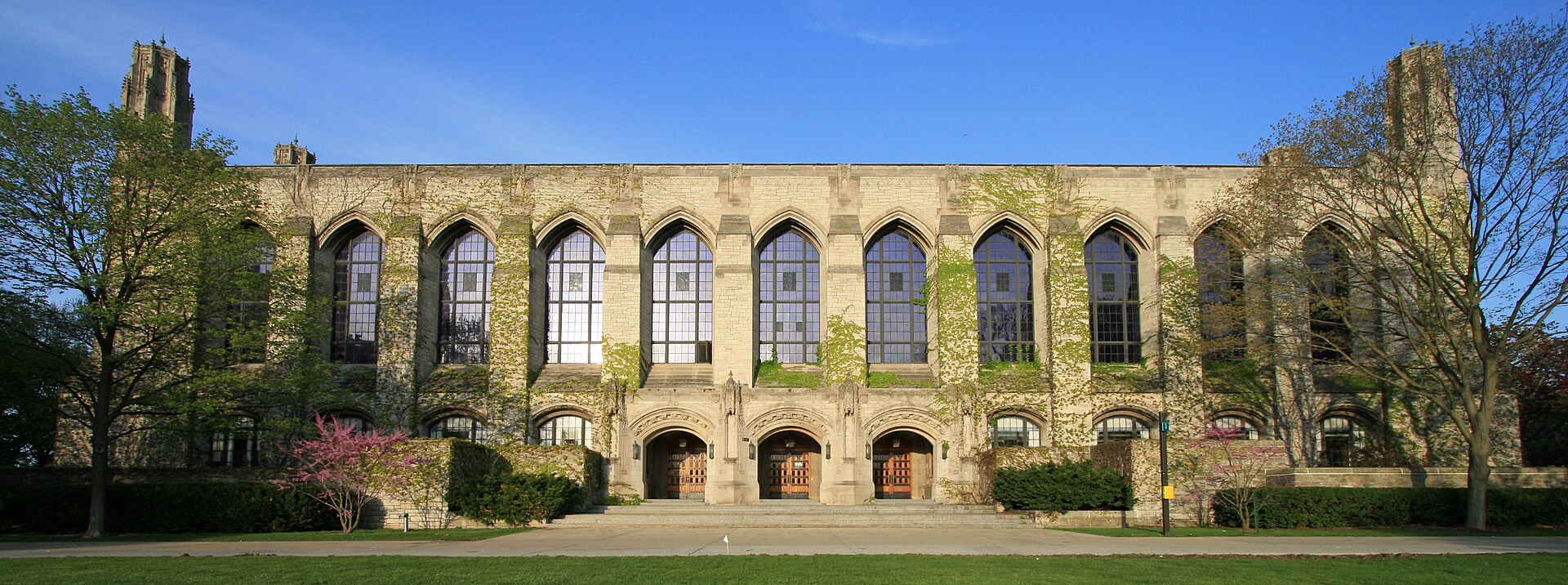
TL;DR: Northwestern HPME has been permanently discontinued: the Honors Program in Medical Education stopped accepting new applications with the 2020 cycle, Northwestern confirmed the closure after a review of its pipeline programs, and the university’s undergraduate catalog now states plainly that HPME is no longer accepting new students (Northwestern University Undergraduate Catalog; The Daily Northwestern, October 2020). The final high school cohort has long since matriculated, so no current high school student can apply, and any guide describing how to get into Northwestern HPME is out of date. What remains at Northwestern is the traditional route to the Feinberg School of Medicine plus an early-assurance pathway for enrolled Northwestern undergraduates, and the broader BS/MD landscape still holds genuinely live programs worth a serious family’s attention. What HPME was, why it ended, and where its would-be applicants should aim now. To build that strategy, schedule a consultation with Oriel Admissions.
Is Northwestern HPME Discontinued?
Yes – permanently. Northwestern HPME closed to new applicants beginning with the 2020 application cycle, and the program’s director confirmed in October 2020 that HPME was terminated for all future cycles following a general review of Feinberg’s pipeline programs and their effectiveness regarding diversity. Students already enrolled were allowed to finish the program as planned, and that final cohort has since moved through to the Feinberg School of Medicine. The definitive source is Northwestern itself: the current undergraduate catalog entry for the Honors Program in Medical Education states that HPME is no longer accepting new students and points readers to the 2020-2021 or earlier catalogs for historical requirements. For a family researching Northwestern HPME today, the practical translation is absolute – there is no application to file, no deadline to plan for, and no back door, and any consultant or guide selling an HPME admissions strategy is selling a program that no longer exists.
What Northwestern HPME Was
The program families remember was one of the crown jewels of accelerated medicine. Northwestern HPME admitted roughly 20 students a year simultaneously to Northwestern’s undergraduate colleges and the Feinberg School of Medicine, compressing the path to an MD into seven years with no MCAT requirement and no second admissions gauntlet. Acceptance ran in the low single digits percentagewise, successful applicants presented near-perfect academic records with hundreds of hours of clinical and research exposure, and the program’s alumni network stretched across American academic medicine. That pedigree is exactly why HPME still generates search traffic years after closing: the name retains gravity, older guides and forum threads continue to circulate application advice, and each admissions cycle a new group of families discovers the program only to learn it discontinued years earlier. HPME’s history matters for one strategic reason – it shows what the top of the BS/MD market looked like, and it calibrates what the surviving elite programs demand.
Why Northwestern Ended HPME
Northwestern’s stated reason was a review of all Feinberg pipeline programs and their effectiveness regarding diversity, with faculty redirecting resources toward other partnerships aimed at undergraduates. The closure also fit a wider pattern: within a few years of HPME’s termination, Boston University closed its Seven-Year Liberal Arts and Medical Education program, the University of Cincinnati ended its Connections dual admissions track, and Rice University concluded its participation in the Rice/Baylor Medical Scholars Program, which took its final cohort in 2022. Elite universities increasingly concluded that committing a medical school seat to a seventeen-year-old narrows the eventual class rather than strengthening it, preferring applicants shaped by a full undergraduate arc. Understanding that logic is useful to families, because it explains both why the remaining direct programs are so selective and why medical schools have invested instead in early-assurance routes that commit to students one or two years into college rather than out of high school.
What Replaced HPME at Northwestern
| Then | Now |
|---|---|
| HPME: high school seniors admitted simultaneously to Northwestern and Feinberg, seven years, no MCAT | Permanently closed – the catalog lists it for historical reference only |
| Direct-from-high-school certainty about a Feinberg seat | An early-assurance pathway for enrolled Northwestern undergraduates who commit to Feinberg partway through college |
| One combined application decision | The traditional route: excel at Northwestern or any strong undergraduate program, then apply to Feinberg through the standard national cycle |
Northwestern did not leave ambitious premeds without a path – it moved the commitment point. Feinberg maintains an early-assurance route for current Northwestern undergraduates, which lets a student who chooses Northwestern for college pursue a conditional Feinberg acceptance from inside the university rather than from high school; families weighing this should confirm the current program structure and eligibility directly with Feinberg admissions, as early-assurance terms are periodically revised. The honest framing for a high school family is this: choosing Northwestern today is choosing an outstanding premed launchpad with an inside track worth investigating, not a guaranteed medical school seat. That is a real difference from the HPME era, and pretending otherwise is how families waste a binding application on a certainty that no longer exists.
Where HPME Applicants Should Aim Now
The student who would have been an HPME candidate – top-of-class academics, sustained clinical exposure, research with output – still has genuinely live direct-admission options, and the strongest of them is the closest thing to HPME remaining: Brown’s Program in Liberal Medical Education, the eight-year BS/MD that continues to admit high school seniors to Brown and the Warren Alpert Medical School together. Beyond PLME, a serious list gets built from the programs that still exist rather than the ones that linger in old guides – our BS/MD acceptance rates analysis covers the live field’s real numbers, our program selection framework helps a family rank them against a student’s profile, and the BS/MD overview maps the full landscape including the early-assurance alternatives that replaced the closed pipelines. The discipline that would have won HPME – rigor, clinical hours with substance, research that produced something – is precisely the profile the surviving programs reward, so nothing about the preparation is wasted; only the target list changes.
Frequently Asked Questions About Northwestern HPME
Yes – permanently. Northwestern HPME stopped accepting new applications with the 2020 cycle, the program was terminated for all future cycles following a review of Feinberg pipeline programs, and the current Northwestern undergraduate catalog states that HPME is no longer accepting new students.
No. There is no HPME application, no deadline, and no exception process – the final high school cohort was admitted before the closure and has since matriculated to the Feinberg School of Medicine. Any current guide describing how to apply to HPME is describing a program that no longer exists.
Northwestern cited a general review of all Feinberg pipeline programs and their effectiveness regarding diversity, redirecting resources toward other undergraduate partnerships. The decision also matched a national trend of elite BS/MD closures, including Boston University and the Rice/Baylor Medical Scholars Program, which took its final cohort in 2022.
A seven-year accelerated BS/MD program that admitted roughly 20 high school seniors a year simultaneously to Northwestern and the Feinberg School of Medicine, with no MCAT requirement. It ranked among the most selective direct medical programs in the country before its closure.
Feinberg maintains an early-assurance pathway for enrolled Northwestern undergraduates, moving the commitment point from high school to partway through college – families should confirm current structure and eligibility with Feinberg admissions. High school applicants otherwise follow the traditional route: Northwestern for undergraduate study, then the standard national medical school cycle.
No direct-from-high-school BS/MD program exists at Northwestern since the HPME closure. The university offers an outstanding premed undergraduate experience and Feinberg offers an early-assurance route for its own undergraduates, but no high school applicant can secure a guaranteed Feinberg seat today.
Brown PLME is the closest surviving analogue – an eight-year program still admitting high school seniors to Brown and the Warren Alpert Medical School together. Beyond PLME, families should build the list from currently live BS/MD and early-assurance programs rather than from older guides, since several marquee programs including Rice/Baylor have closed.
No – the profile HPME rewarded is exactly what the surviving elite programs reward: maximum academic rigor, substantive clinical hours, and research with real output. A student built for HPME is built for Brown PLME and the rest of the live direct-admission field; only the target list changes.
Sources: Northwestern University Undergraduate Catalog, Honors Program in Medical Education, The Daily Northwestern, HPME Termination Announcement, Northwestern Feinberg School of Medicine Admissions, Northwestern University Undergraduate Admissions, NCES College Navigator.
About Oriel Admissions
Oriel Admissions is a Princeton-based college admissions consulting firm advising families nationwide on elite university admissions strategy. Our team pairs deep admissions expertise with a distinctive 360 approach spanning academic planning, extracurricular strategy, essays and application execution. To discuss your strategy, schedule a consultation.