Skip to content
Back

Notre Dame Supplemental Essays Strategy: Prompts, Approach, and Strategy for 2025-2026

By Rona Aydin

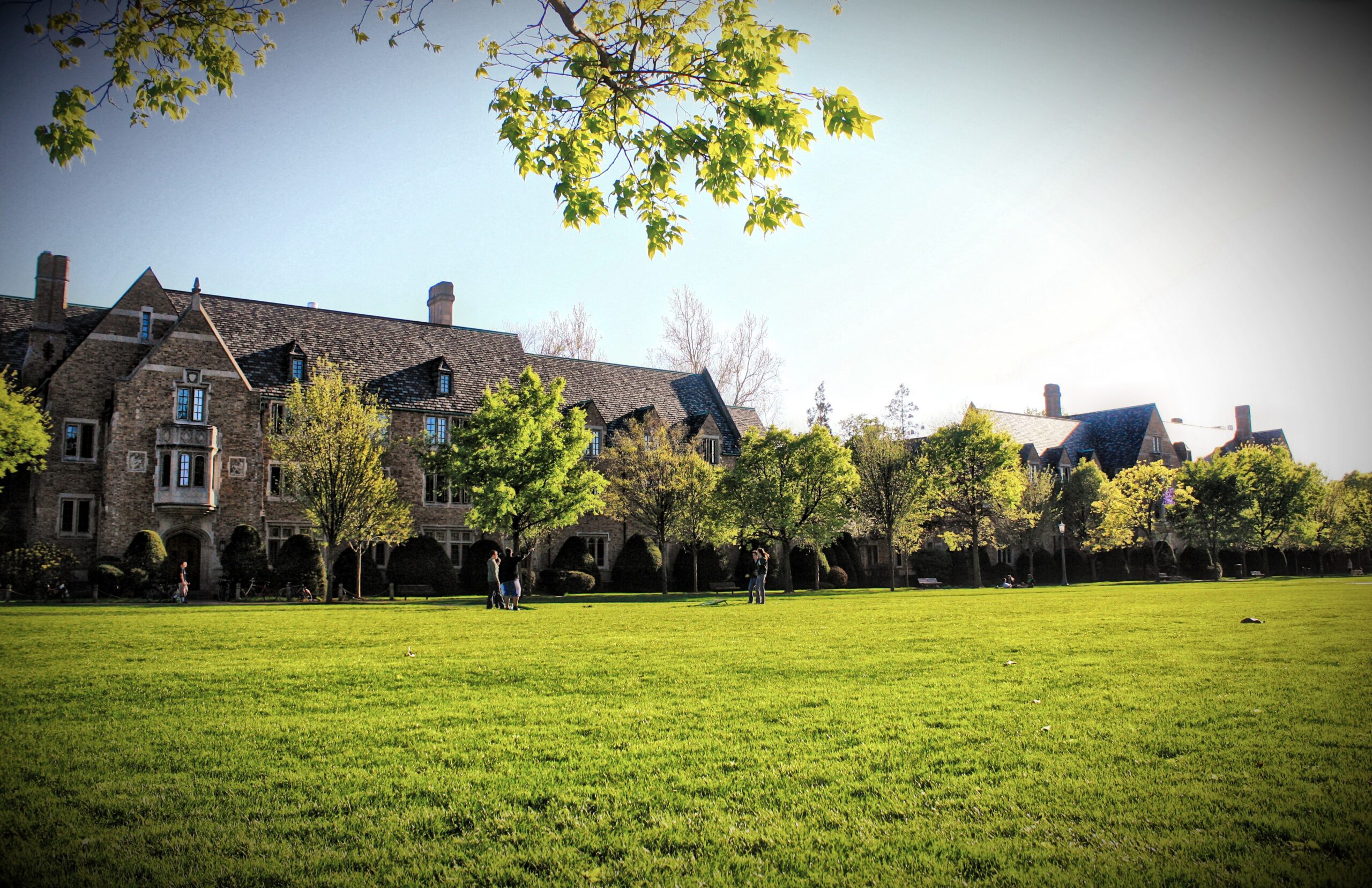
South_Quad,_University_of_Notre_Dame

TL;DR: Notre Dame’s supplemental essays for 2025-2026 require three short essays of 150 words each, chosen from a list of prompts (Notre Dame Admissions, 2025-2026). With a Class of 2029 acceptance rate of 11.4%, Notre Dame is distinctive among top-20 universities for its Catholic identity and emphasis on faith, community, and the whole person, rewarding applicants who articulate genuine fit with that mission.

What Are the Notre Dame Supplemental Essay Prompts for 2025-2026?

The Notre Dame supplemental essays for the 2025-2026 cycle consist of three short essays of 150 words each, chosen from a list of prompts.

Notre Dame requires three short supplemental essays of 150 words each for the 2025-2026 admissions cycle. Applicants choose three prompts from a longer list of options covering academic interest, community engagement, faith and values, the Notre Dame community, lived experience, and other dimensions of personal background. The choice of which three prompts to answer is itself part of the application strategy. For broader context on Notre Dame admissions strategy, see our how to get into Notre Dame guide and Notre Dame acceptance rate analysis.

PromptQuestionLimit
Essay 1 (Choose 3 of 6+ prompts)Prompts cover academic interest, community engagement, faith and values, Notre Dame community contribution, lived experience, and pursuit of knowledge. Applicants select three to answer.150 words each
Common PromptsTypical prompts include: What excites you about Notre Dame? What is something you have already done to make a positive impact, however small? How would your unique perspective contribute to the Notre Dame community? What is a meaningful tradition in your life?150 words each
Source: Notre Dame Admissions, 2025-2026 cycle

How Should Applicants Approach Notre Dame’s Prompt Selection?

The choice of which three prompts to answer is the most important strategic decision in the Notre Dame supplement. Strong applicants select three prompts that reveal three different dimensions of themselves – intellectual identity, community engagement, and values or perspective, for example. Choosing three prompts that reveal the same dimension wastes opportunities.

The strongest applicants do not choose the prompts that seem easiest. They choose the prompts that allow them to show what no other school’s supplement allows them to show. Notre Dame’s prompt menu typically includes options that other schools do not – questions about meaningful traditions, faith and values, or specific community engagement – and these distinctive prompts often produce the strongest essays because they reveal dimensions other applications miss.

Applicants should map their full application (Common App personal statement, activities list, recommendations) before choosing Notre Dame prompts. The prompts should cover dimensions the rest of the application does not. If the Common App essay covers intellectual identity, the Notre Dame essays should cover community, values, and tradition.

How Should Applicants Approach Notre Dame’s Faith and Values Prompts?

Notre Dame is a Catholic university, and its supplement typically includes prompts about faith, values, or meaningful tradition. Strong responses do not require the applicant to be Catholic – Notre Dame admits applicants of many religious backgrounds and of no religion – but they do require honest engagement with the question. Applicants who try to perform Catholic identity they do not have produce essays that read as inauthentic; applicants who honestly discuss their own faith tradition or secular values from a position of genuine reflection produce strong essays.

The strongest faith and values essays anchor in specific practices, traditions, or moments rather than abstract beliefs. A student who has attended weekly Friday night Shabbat dinners for years can write powerfully about how that tradition shapes them; a student who grew up in a non-religious household but found meaningful community through a youth volunteer group can write equally powerfully about secular tradition; a student whose Catholic upbringing has shaped specific ways of thinking about service or community can write authentically about that.

Avoid performative religiosity. Notre Dame admissions readers can tell when an applicant has invented faith engagement to fit the school. The strongest applicants are honest about where they actually stand – whether deeply religious, casually religious, formerly religious, or non-religious – and write about how their actual values were shaped.

How Should Applicants Approach Notre Dame’s Community Prompts?

Notre Dame’s community prompts ask about positive impact, community contribution, or community engagement. The strongest responses identify a specific small impact – not a grand world-changing claim – and trace what the applicant did concretely. Notre Dame admissions reads these essays looking for evidence of genuine engagement rather than performance.

The strongest community essays often describe small consistent actions over time rather than impressive one-off events. A student who started a weekly study group that has continued for two years writes a stronger essay than a student who organized a single fundraiser that raised significant money. The 150-word format rewards specific consistency over impressive scale.

Notre Dame’s residential community structure – all undergraduates live on campus in residence halls, each with its own traditions and identity – is worth referencing if the prompt allows. Strong applicants signal that they would contribute to residential community in specific ways: starting traditions, mentoring younger students, organizing specific kinds of gatherings.

How Should Applicants Approach Notre Dame’s Academic Interest Prompts?

Notre Dame’s academic interest prompts ask what excites the applicant academically or what they want to study. At 150 words there is no room for filler. Strong responses identify a specific intellectual question, demonstrate prior engagement with it, and gesture toward Notre Dame resources.

Notre Dame’s academic strengths include the Mendoza College of Business, the College of Engineering, the College of Arts and Letters (particularly strong in Theology, Philosophy, Classics, and history), the College of Science, and the School of Architecture. Strong essays name specific majors or interdisciplinary programs and connect them to the applicant’s interests.

For applicants to Notre Dame’s unique programs – the Program of Liberal Studies, the Glynn Family Honors Program, the Notre Dame Five-Year Dual Degree in Engineering and the Liberal Arts – the academic essay should reference these specifically. Generic mentions of Notre Dame’s academic excellence fail; specific named programs succeed.

Why Notre Dame’s Culture Matters for Applicants

Notre Dame has a distinct culture that combines academic rigor with strong residential community, Catholic mission, athletic tradition, and emphasis on service. Strong applicants signal awareness of this combined culture rather than treating Notre Dame as a generic top-20 option. The school is famous for its football tradition but should not be reduced to it – the culture is much broader.

For applicants who do not share Notre Dame’s Catholic identity, the relevant move is engaging with what Notre Dame values rather than what the applicant happens to believe. Notre Dame values community, service, intellectual seriousness, and personal development – and applicants from any background can engage with these values authentically.

For applicants who do share Notre Dame’s Catholic identity, the relevant move is going beyond identity claims to demonstrate specific engagement. “I am Catholic” is not an admissions advantage; “I have served as a Eucharistic minister at my parish for three years and have come to understand service as a specific kind of intellectual attention” is.

When Should Applicants Start Drafting the Notre Dame Supplement?

Drafting the Notre Dame supplemental essays typically begins in mid-July to mid-August of the summer before senior year, depending on application round.

Notre Dame’s Restrictive Early Action deadline is November 1 and Regular Decision deadline is January 1. Given the volume of writing required (approximately 450 words across three short essays), strong Notre Dame applicants typically begin drafting in mid-August of the summer before senior year for REA, allowing six to eight weeks for prompt selection, brainstorming, drafting, revising, and polish. For broader senior-year application timing, see our Common App essay timeline.

The prompt-selection phase deserves significant time – choosing three prompts from the available options is the most strategically important decision in the Notre Dame supplement. Each 150-word essay typically requires four to six drafts because compression of substantive content into 150 words is demanding.

Notre Dame’s Apply page provides the canonical reference for current prompts and deadlines. Common Data Set data and admissions statistics are available through the NCES College Navigator.

What Most Commonly Causes Notre Dame Supplement Rejection?

The most common patterns in unsuccessful Notre Dame supplemental essays are generic praise without specific institutional references and treating the prompts as interchangeable with peer schools.

The single most common rejection pattern in Notre Dame supplements is choosing three prompts that reveal the same dimension of the applicant. Strong applicants select prompts that reveal different dimensions – intellectual, community, values – and treat the three essays as a coordinated three-piece package. Applicants who choose three prompts about similar themes waste opportunities.

The second most common pattern is performative faith engagement. Applicants who invent Catholic identity or exaggerate religious engagement to fit Notre Dame produce essays that read as inauthentic. The fix is honest engagement with the applicant’s actual faith or values position – whether religious, formerly religious, or non-religious.

The third pattern is generic Notre Dame references. Praising “Notre Dame’s academic excellence,” “vibrant campus community,” or “rich tradition” without specific anchoring fails. The fix is naming particular Notre Dame programs, traditions, or community structures and connecting each to the applicant’s existing interests.

Families researching the Notre Dame supplemental essays should approach the prompts as the primary differentiator among academically qualified applicants.

Frequently Asked Questions About Notre Dame Supplemental Essays

How important is the Notre Dame supplement compared to the rest of the application?

Very. At roughly 11.4 percent admit rate, the three short essays are the main differentiator among academically qualified applicants, and Notre Dame reads them for genuine fit with its mission and community. Strong numbers get you considered; generic responses that could be sent to any university are what get you cut.

Does my child need to be Catholic to attend Notre Dame?

No. Notre Dame admits students of many faiths and of none, and while a large majority of students are Catholic, the school explicitly welcomes religious diversity. The key implication for essays: a non-Catholic applicant should never perform Catholic identity. Engage honestly with your own tradition or secular values, because authenticity reads far better than a borrowed one.

How should my child choose which three Notre Dame prompts to answer?

Read all the prompts and choose the three that, together, reveal the most range, not the three that feel easiest. Aim for distinct dimensions across them rather than three takes on the same theme. Because each is short, the selection matters as much as the writing, so spend real time deciding which combination best shows who you are.

How specific should the 150-word essays be?

Very specific, because 150 words leaves no room for filler. Anchor each essay in one concrete detail, a particular moment, practice, or interest, and develop it rather than generalizing. Broad statements waste the limited space; a single vivid, specific image does more work than several sentences of abstract reflection at this length.

How should my child approach Notre Dame’s faith and values prompts?

Honestly, and from wherever you genuinely stand. What works in these prompts is grounding the response in concrete practices or moments rather than abstract belief, whether that is a weekly religious ritual, a secular volunteer group that shaped you, or a Catholic upbringing expressed through particular service. Notre Dame is testing reflectiveness and authenticity, not adherence to any single tradition.

How does Notre Dame’s supplement compare to other top-20 universities?

Notre Dame’s supplement is distinctive among top-20 universities for foregrounding mission, faith, and the whole person, where many peers ask broad academic Why Us essays. The implication is that you should be ready to write reflectively about values and character, not just intellectual interests, and to do it specifically rather than in generic terms.

When should my child start drafting the Notre Dame supplement?

Begin by mid-August before senior year if applying early. Each 150-word essay needs several drafts because compression is demanding, and the prompt-selection step deserves its own deliberation. The short total length is an advantage: it lets you make each of the three essays sharp and genuine rather than spreading effort thin.

What should my child avoid in the Notre Dame supplement?

The recurring failures: performing a faith or identity you do not hold, choosing the easiest prompts rather than the most revealing, generic 150-word essays with no concrete detail, and treating Notre Dame as interchangeable with secular peers. The fix is honest, specific, reflective writing that engages Notre Dame’s mission from your own genuine position.

Sources: University of Notre Dame Admissions, Notre Dame Office of Institutional Research, Analytics, and Decision Support, NCES College Navigator, National Association for College Admission Counseling (NACAC), and Common Application First-Year Requirements.


About Oriel Admissions

Oriel Admissions is a Princeton-based college admissions consulting firm advising families nationwide on elite university admissions strategy. Our team includes former admissions officers from leading Ivy League and top-ranked institutions. To discuss your family’s admissions strategy and supplemental essay coaching, schedule a consultation.
Latest Posts

Show all

Sign up for our newsletter