What makes Robert College applicants distinctive in US admissions?
Robert College applications read distinctly to US admissions officers, and the distinction matters at the margin where most admissions decisions are made. Four structural factors drive this. First, the IB Diploma curriculum produces transcripts that translate directly into US admissions evaluation frameworks; admissions officers at Harvard, Yale, Princeton, MIT, Stanford, and the rest of the top-20 know how to read a 38+ IB Diploma score with three Higher Level subjects in rigorous areas. Second, instruction in English from Lise 9 onward eliminates the language uncertainty that often accompanies international applications.
Third, Robert College has been sending students to top US universities for decades, and the school profile is recognized at every Ivy League admissions office and most top-30 admissions offices. The institutional history, founded in 1863 and accredited by the New York State Association of Independent Schools, signals to US readers that they are evaluating an applicant from a school with comparable rigor to a strong US independent school. Fourth, the dedicated Overseas College Counseling Office (CCO) provides infrastructure that most Turkish applicants do not have: experienced college counselors who write detailed recommendation letters, organize school visits from US admissions officers, and coordinate the application process at scale.
Where do Robert College graduates actually go to college?
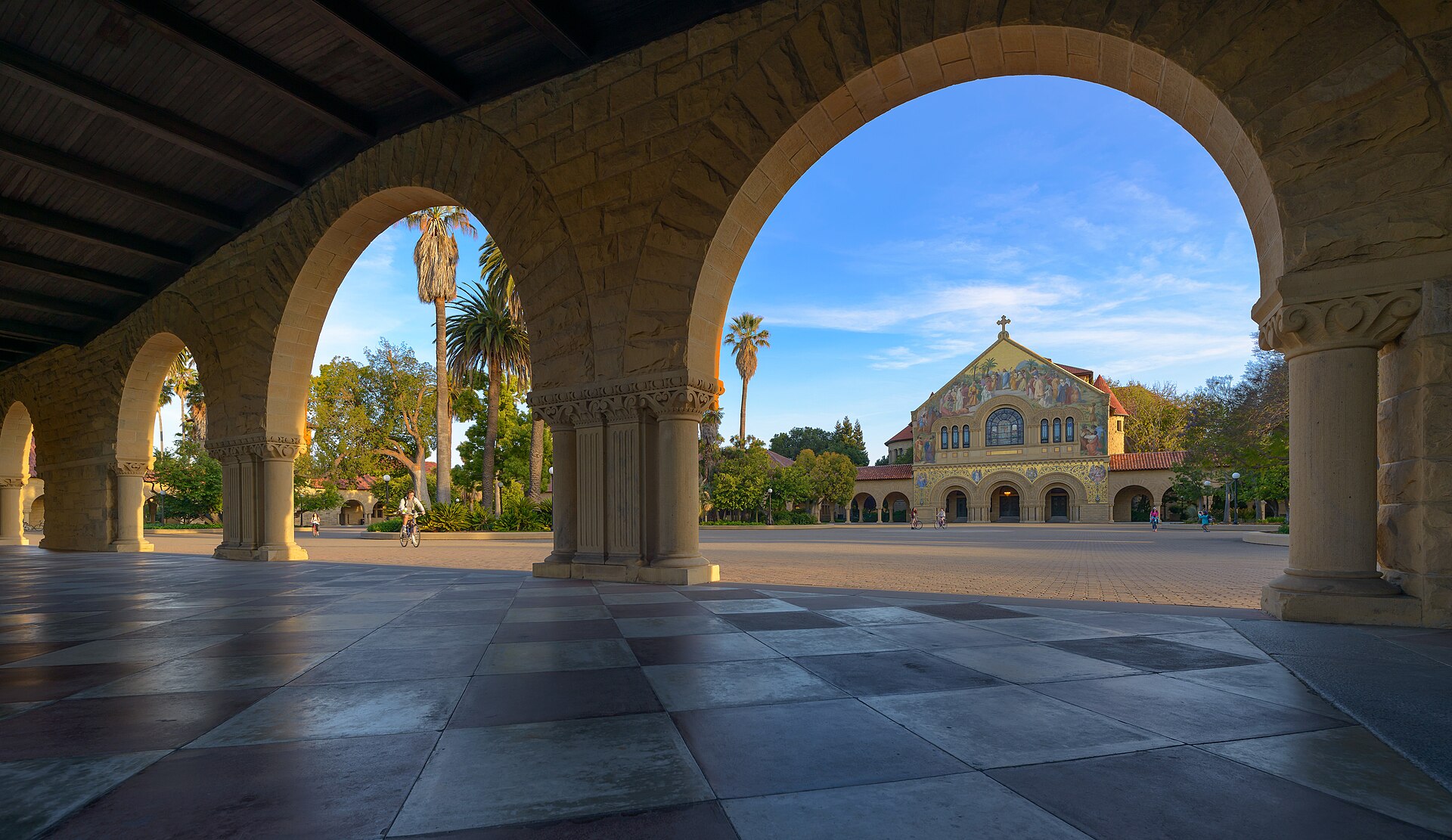
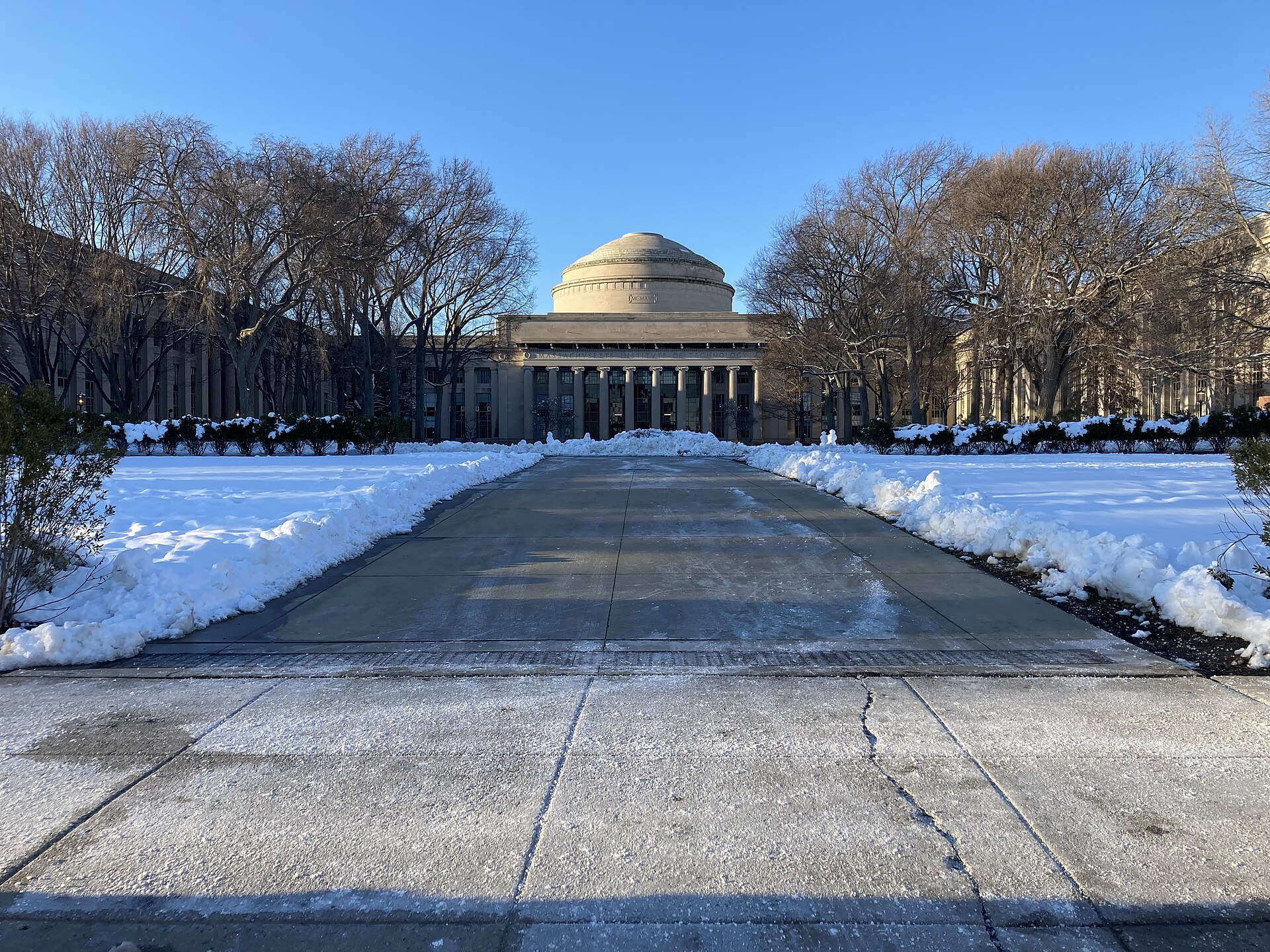
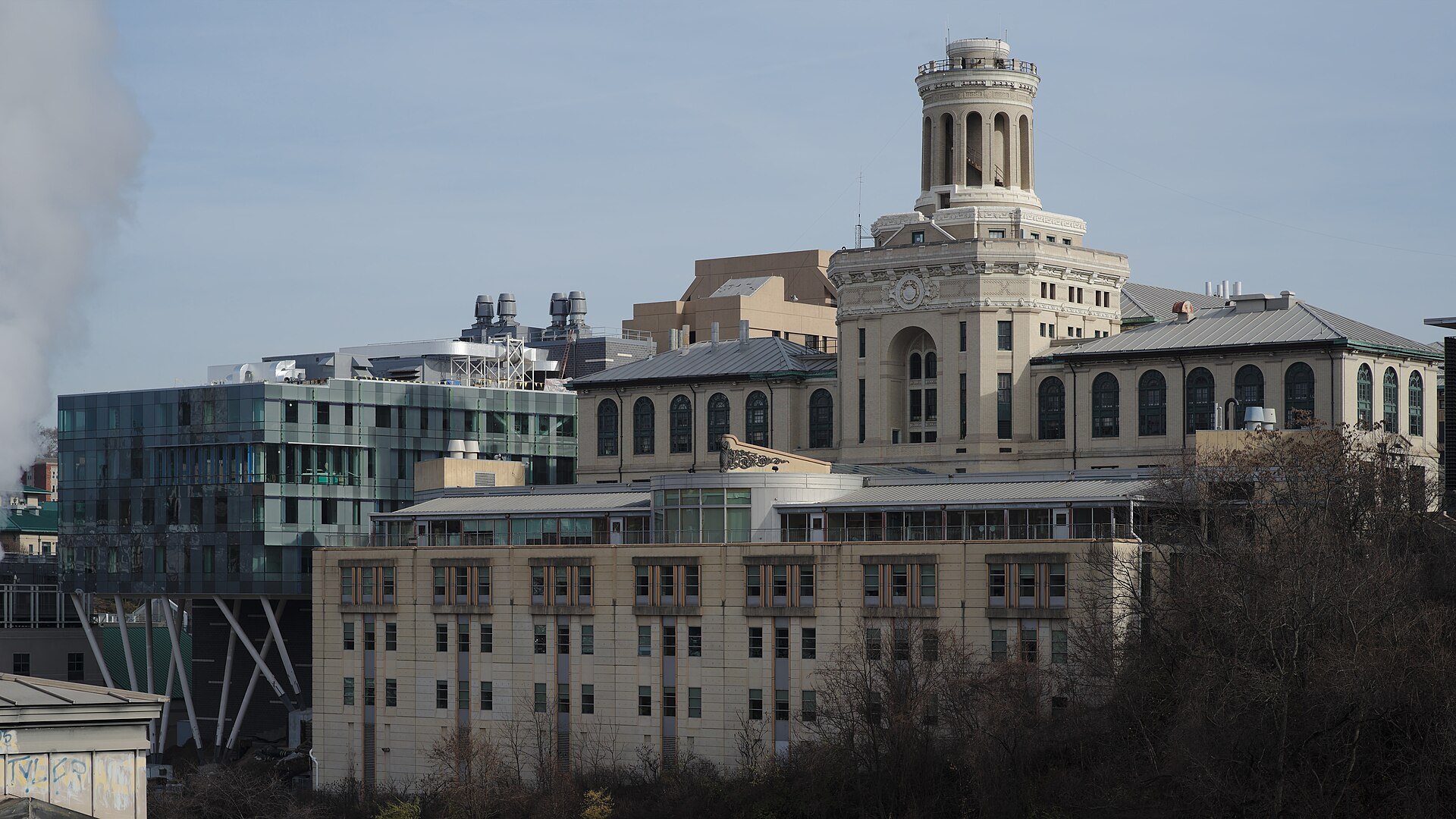
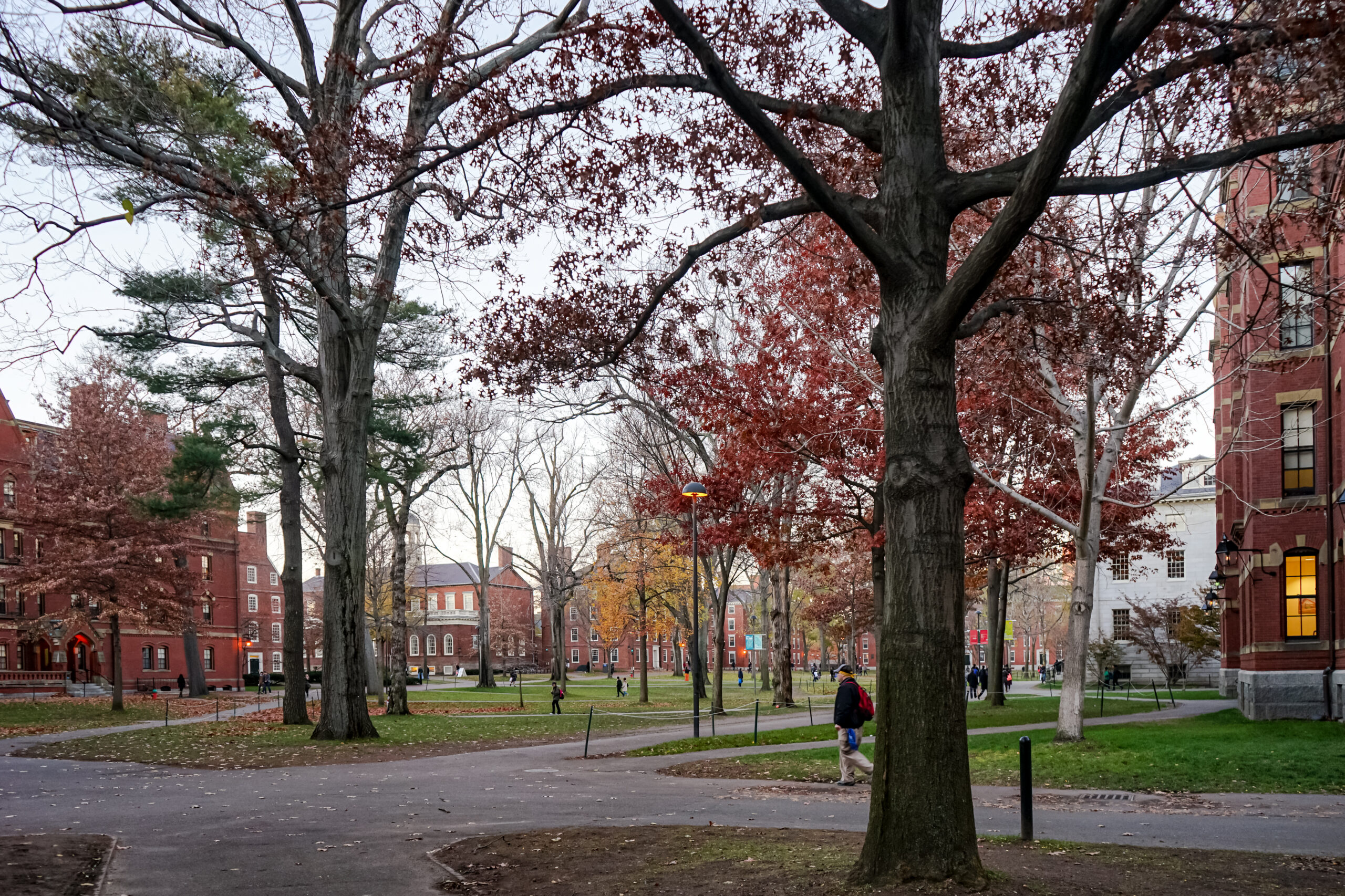
Robert College publishes its university placement results annually on the Overseas College Counseling page. Recent placement records consistently include enrollments at all eight Ivy League institutions, Stanford, MIT, the University of Chicago, Northwestern, Duke, Johns Hopkins, Carnegie Mellon, NYU, Georgetown, and the most selective liberal arts colleges including Amherst, Williams, Swarthmore, Pomona, Bowdoin, Wellesley, and Middlebury.
The placement distribution skews toward selective universities and selective liberal arts colleges, with substantial enrollment also at strong public universities including the University of California system, the University of Michigan, and the University of Virginia. UK, Canadian, and European destinations are also common, and the CCO supports applications across geographies through a separate Turkish College Counseling office for students pursuing the YKS path. RC consistently ranks among the highest-placing international schools globally for US admissions outcomes. For broader US admissions context, see our Class of 2030 acceptance rate guide.
How does the IB Diploma at Robert College position applicants for US admissions?
The IB Diploma, taken in the final two years at Robert College, is the academic centerpiece of the RC application to US universities. The IB framework requires students to study six subjects across language, sciences, mathematics, humanities, and arts, complete the Theory of Knowledge course, write the Extended Essay (a 4,000-word independent research paper), and complete the Creativity, Activity, Service component. The combination produces a transcript that US admissions officers read as evidence of academic rigor on par with strong AP profiles at top US schools.
For competitive US admissions, the strongest RC profiles include three Higher Level subjects in rigorous academic areas (Mathematics HL, Physics HL, Chemistry HL, Biology HL, English Literature HL, History HL, or Economics HL depending on intended field), predicted IB Diploma scores of 38+ with HLs at 6 or 7, and a strong Extended Essay in the applicant intended field of study. Predicted scores are submitted before final exams, so the Lise 11 academic record carries significant weight. Official IB Diploma Programme information is available through the International Baccalaureate Organization.
What Early Decision strategy works best for Robert College applicants?
Early Decision is the single most powerful strategic lever available to RC applicants, and it is also the most commonly underused. ED admit rates run 2x to 4x higher than Regular Decision rates at Penn, Duke, Northwestern, Brown, Cornell, Dartmouth, Columbia, Johns Hopkins, Vanderbilt, and most other top universities offering binding ED. For an RC applicant with a clear top choice in this group, ED converts a low-single-digit RD probability into a meaningfully higher probability.
Two strategic considerations are specific to RC profiles. First, Harvard, Yale, Princeton, and Stanford use Restrictive Early Action rather than binding ED, and REA does not offer the same admit-rate advantage but allows the applicant to apply to additional universities in the regular round. RC applicants targeting HYPS face a real choice: REA at one HYPS school with strong academic positioning, or binding ED at a peer institution like Penn, Columbia, or Brown where the binding commitment unlocks a higher probability. Second, ED requires financial certainty. RC applicants requesting financial aid should review each target school policy on ED for international applicants requesting need-based aid. For more on ED mechanics, see our Early Decision notification dates guide.
How should Robert College applicants approach the Common App essay?
The most common essay mistake among RC applicants is leaning on the Robert College brand as the differentiating signal. RC is a well-known and respected school, but the school itself does not differentiate the applicant; the school context is captured in the school profile and counselor letter. The Common App personal statement should reveal something an admissions reader cannot infer from the rest of the file: how the applicant thinks, what intellectual or personal terrain they have explored, and what specifically motivates them.
Strong RC essays demonstrate sustained engagement with one or two specific intellectual or creative areas: original research in a defined scientific question, sustained competitive activity in debate or model UN with a particular policy expertise, original creative work in literature or visual art with a portfolio dimension, or entrepreneurial work that built and shipped something concrete. Generic essays about cultural identity, the experience of bridging Turkish and international perspectives, or family resilience are common across the international applicant pool and rarely move the needle at top US universities. The strongest RC applications combine specific intellectual identity with school context that frames the applicant correctly.
How does financial aid work for Robert College applicants at US universities?
Most US universities are need-aware for international applicants, including for Turkish citizens. Requesting financial aid affects admissions evaluation at the majority of top schools. The exceptions are the small group of need-blind institutions for international applicants: Harvard, Yale, Princeton, MIT, Dartmouth, Amherst, and Bowdoin meet 100% of demonstrated need without affecting admissions decisions for international applicants.
For RC families requesting financial aid, the strategic implication is that the need-blind list should anchor the school list when aid is required, with carefully selected need-aware schools added with realistic expectations. RC families in the full-pay category face no such constraint and benefit from the structural full-pay advantage at need-aware schools. Lira volatility introduces an additional variable: need is calculated in US dollars based on documented family income and assets, and currency depreciation can shift the calculation between application and matriculation. For deeper coverage of the financial aid mechanics, see our Turkish students financial aid guide and our CSS Profile vs FAFSA explainer.
What are the most common mistakes Robert College applicants make?
Five mistakes recur across RC applications. The first is over-application to reach schools without realistic match options. RC applicants frequently apply to all eight Ivies plus Stanford, MIT, and a handful of selective LACs, with no genuine match school in the list. Even strong RC profiles need realistic match schools given international applicant competition. The second is leaving ED unused at a clear top choice. ED is the highest-leverage strategic decision available, and forfeiting it costs probability the applicant cannot recover.
The third is essays that lean on the RC brand or generic Turkish cultural framing without intellectual specificity. The fourth is supplements that could apply to any peer school, signaling that the applicant has not done the school-specific research that supplements are designed to surface. The fifth is over-relying on the CCO without taking ownership of strategic decisions; the CCO supports applications but cannot construct an applicant intellectual narrative. RC applicants who treat the CCO as one resource among several, including independent strategic guidance, consistently outperform RC applicants who treat the CCO as the sole guide.
How does Robert College compare to other top Turkish schools for US placement?
| School | Curriculum | US Placement Profile |
|---|---|---|
| Robert College | IB Diploma | Highest concentration at Ivy League and top-20 |
| Üsküdar American Academy | AP-heavy | Strong placement at top-30 and selective LACs |
| Koç School | IB Diploma | Strong Ivy and top-20 placement |
| ENKA Schools | IB and AP options | Consistent top-30 placement |
| TED Ankara | National + AP | Top-30 and selective LAC placement |
Among Turkish schools, Robert College and Koç School consistently produce the strongest Ivy League and top-20 placement records, both running IB Diploma curricula. Üsküdar American Academy follows closely with strong AP-curriculum placement at top-30 schools and selective liberal arts colleges. ENKA and TED Ankara consistently place students at top-30 universities. For a complete comparison of Turkish schools, see our best Turkish high schools for US admissions guide.
What does the Class of 2030 application timeline look like for Robert College students?
Class of 2030 applicants from Robert College should be operating on a timeline that begins in Lise 9 and accelerates through Lise 11 and Lise 12. The Lise 9 and 10 years are for academic foundation building (strong grades, AP or pre-IB course selection), early extracurricular development (sustained involvement in one or two areas with a trajectory toward depth), and initial exposure to standardized testing. Lise 11 is the highest-leverage academic year: predicted IB Diploma scores submitted to universities are based on Lise 11 performance, SAT or ACT preparation should be in full motion, and competitive summer programs (Yale Young Global Scholars, MIT Research Science Institute, Stanford SHTEM, Telluride Association Summer Programs) become important.
Lise 12 begins with school list finalization, ED targeting, and Common App essay drafting. Most ED applications are due November 1 or November 15, with decisions released in mid-December. Regular Decision applications are due January 1 to 15, with decisions released in late March. The CCO supports the process throughout, but RC applicants who begin strategic planning in Lise 10 consistently outperform those who begin in Lise 12.
Frequently Asked Questions About Robert College and US College Admissions
Robert College is in Istanbul, Turkey, on a historic campus in the Arnavutköy area along the Bosphorus on the European side of the city. Founded in 1863, it is one of the oldest American-founded schools outside the United States. The Istanbul setting and long American connection are central to its identity, and the campus is known for its historic buildings and prominent place in Turkish education.
Despite its name, Robert College is a private secondary school (high school) in Istanbul, not a university; the ‘College’ in its name reflects its 19th-century founding when the term was used differently. It enrolls students through the equivalent of high school, preparing them for university. Families and applicants should understand that students graduate from Robert College and then apply to universities in Turkey, the US, and elsewhere.
Robert College teaches primarily in English, with a rigorous college-preparatory curriculum, and many students pursue the International Baccalaureate (IB) Diploma, which is well recognized by US universities. Turkish and other languages are also part of the program. The strong English-medium, internationally oriented education is a key reason its graduates are well prepared for and competitive in US and other international university admissions.
Very selective; entry to Robert College is highly competitive, with admission for Turkish students determined largely by performance on Turkey’s national high-school entrance examination, where Robert College accepts students from among the very top scorers nationwide. This means its student body is academically elite before any US application begins. The school’s selectivity at entry is part of why its graduates perform strongly in competitive university admissions.
Often they can waive them; because instruction is in English, many US universities waive the TOEFL or IELTS English-proficiency requirement for Robert College applicants, though policies vary by school. Some universities still request a score or accept strong SAT/ACT verbal results as evidence of proficiency. Applicants should check each target school’s policy, since the English-medium education frequently satisfies proficiency requirements but confirmation avoids surprises late in the process.
Yes; Robert College is well known to US admissions offices, particularly selective ones that regularly receive strong applicants from it, and its rigorous reputation gives its transcript and recommendations credibility. Its long American heritage and IB offerings reinforce this recognition. Applicants benefit from the school’s established standing, though recognition alone does not guarantee admission, since each student must still present a compelling individual application.
Most US universities accept or, depending on current policies, may require the SAT or ACT from international applicants including Turkish students, and English-proficiency tests like the TOEFL may apply unless waived. Testing requirements have shifted in recent years, with some schools test-optional. Turkish applicants should confirm each target university’s current testing and proficiency rules, then plan to take the SAT or ACT where it strengthens or is required for their application.
They typically apply through the same channels as US applicants, most often the Common Application, submitting their school transcript, recommendations, essays, and any required test scores, while continuing their Turkish secondary studies. Many balance the US application timeline with Turkey’s own university process. Strong English skills, an internationally recognized curriculum like the IB, and early planning help Turkish students manage applying to US schools alongside their local academic obligations.
Final Thoughts
Robert College graduates enter US admissions with structural advantages that few Turkish applicants match: IB Diploma rigor, English instruction, recognized school profile, strong CCO infrastructure, and decades of cumulative placement history. The strongest RC applicants build on those advantages with disciplined ED targeting, intellectually specific essays that move beyond the RC brand, supplements that demonstrate genuine school-specific research, and a school list that includes realistic match options alongside reaches. The applicants who compound the structural RC advantage with this strategic discipline consistently produce the strongest US admissions outcomes year after year.
Oriel Admissions is a Princeton-based college admissions consulting firm advising families nationwide on elite university admissions strategy. Our team brings deep expertise across every dimension of the application, and our distinctive 360 approach develops strategy, positioning, activities, essays, and interviews as one coherent whole. We offer a complimentary 30-minute discovery call to discuss your family’s situation, evaluate fit, and outline next steps. Schedule your discovery call →