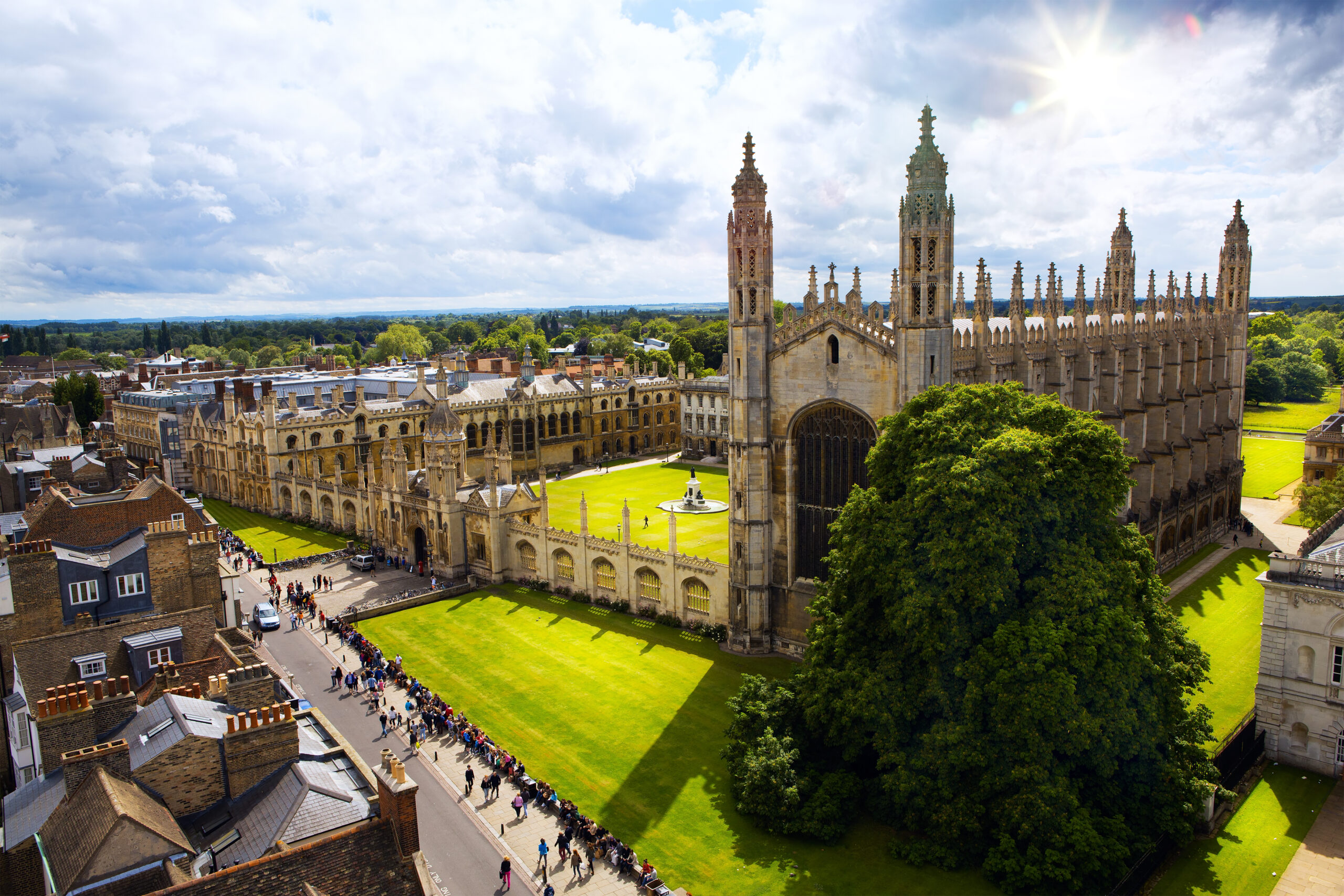
UK Universities vs American Ivies: Why More Affluent Families Are Applying to Oxford and Cambridge
By Rona Aydin
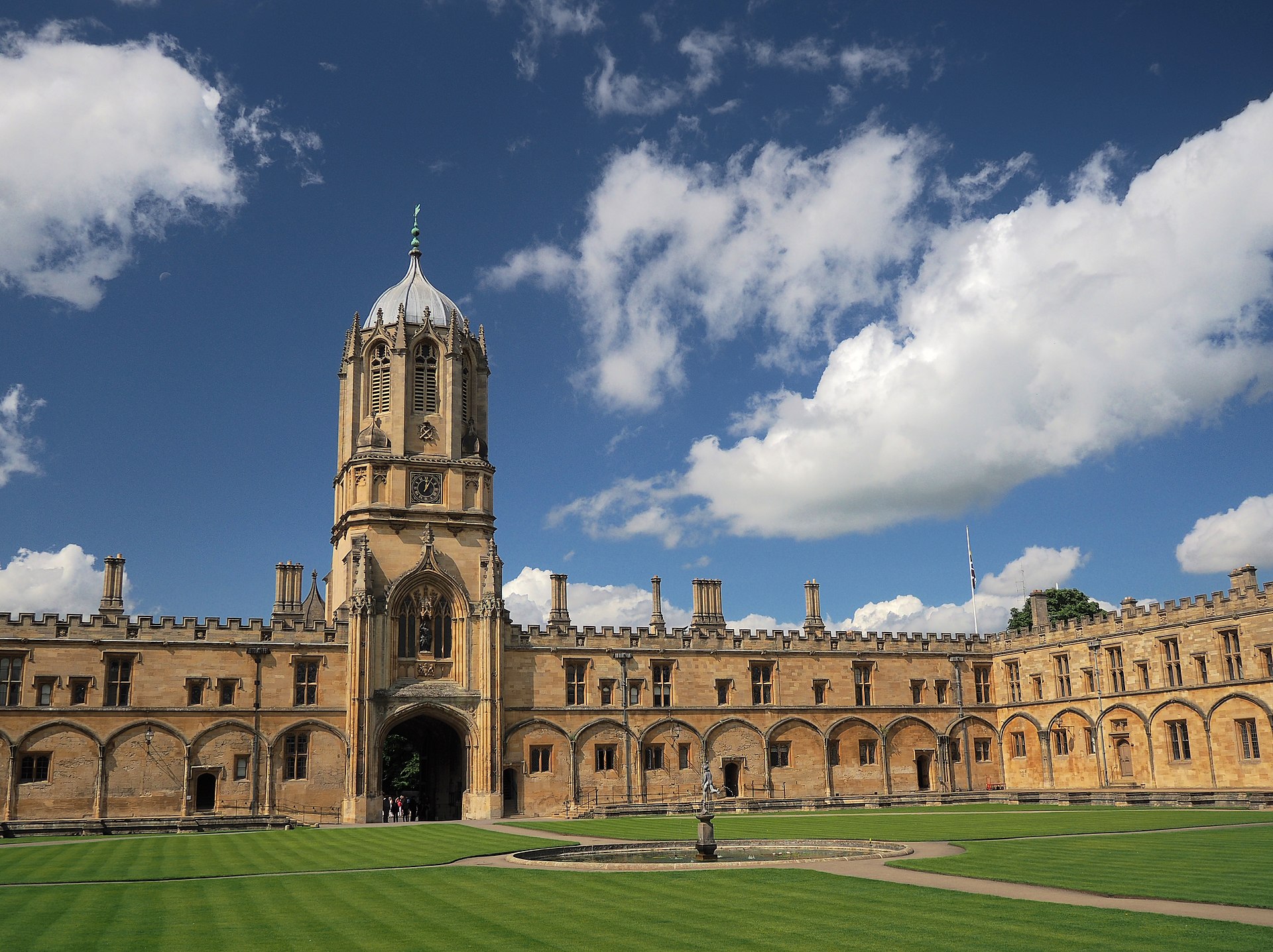
Why Are More American Families Looking at UK Universities?
Three forces are driving the trend. First, cost. A three-year Oxford or Cambridge degree saves one full year of tuition and living expenses compared to a four-year US degree – approximately $80,000-$90,000 at current rates. For full-pay families, this is a meaningful difference. Second, selectivity. As Ivy League acceptance rates have fallen below 5% at multiple schools, families are expanding their definition of “elite” to include universities where the academic prestige is comparable: Oxford, Cambridge, Imperial, LSE, and St Andrews. Third, political and cultural factors. Recent uncertainty around US higher education funding, DEI policies, and academic freedom has prompted some families to explore international options that feel more insulated from domestic policy shifts.
How Do the Costs Actually Compare?
| Factor | Oxford/Cambridge | Ivy League (full price) | Ivy League (with aid, $200K income) |
|---|---|---|---|
| Degree length | 3 years | 4 years | 4 years |
| Annual tuition + fees | $45,000-$55,000 | $65,000-$70,000 | $0 (Harvard, Princeton) |
| Annual living costs | $15,000-$20,000 | $20,000-$25,000 | $15,000-$20,000 |
| Total estimated cost | $135,000-$165,000 | $340,000-$360,000 | $60,000-$80,000 |
| Financial aid for Americans | Very limited | Generous (need-based) | Generous (need-based) |
Source: Institutional fee schedules 2025-2026; College Board cost data. Oxford/Cambridge rates vary by course. Ivy aid based on institutional policies for families earning ~$200K.
The critical nuance: Oxford and Cambridge offer almost no financial aid to international students. For families earning under $200K, an Ivy League school with generous need-based aid is likely cheaper than Oxford. For families earning $300K+ who will pay full price at any US school, Oxford or Cambridge is significantly less expensive. The financial calculus depends entirely on your family’s income bracket and the specific schools being compared.
How Is the UK Application Process Different?
The differences are fundamental. The US process is holistic – admissions officers evaluate grades, testing, essays, activities, recommendations, and personal qualities as an integrated package. The UK process is academic – admissions tutors evaluate whether the student is intellectually prepared to study a specific subject at a high level. UK applications include a personal statement that is entirely about academic interest in the chosen course, not a personal narrative about identity or life experiences. UK universities do not consider extracurricular activities the way US schools do. There are no recommendation letters in the US sense – instead, a teacher writes a single reference focused on academic capability.
This means a student with deep academic preparation in their chosen field but limited extracurriculars may actually have better odds at Oxford than at Harvard. Conversely, a “well-rounded” student with broad activities but less academic depth in a specific subject may struggle with the UK process. For detailed guidance on the Oxford application, see our Oxford admissions guide.
Can Your Child Apply to Both UK and US Schools Simultaneously?
Yes, and an increasing number of competitive applicants are doing exactly this. The UCAS application (for Oxford and Cambridge) has an October 15 deadline, which aligns with US EA/ED timelines. Your child can apply to one of Oxford or Cambridge (not both in the same cycle) through UCAS while simultaneously applying to US schools through the Common App. The applications are entirely independent – US schools do not see your UCAS application, and UK schools do not see your Common App.
The practical challenge is time management. Writing a compelling UK personal statement requires deep academic reading and reflection in the chosen subject. Preparing for UK admissions tests (such as the MAT for math, PAT for physics, or TSA for PPE) requires specific preparation that is different from SAT/ACT prep. Families considering both paths should begin UK-specific preparation in the summer before senior year alongside US application work. For guidance on the Cambridge process, see our Cambridge admissions guide.
Final Thoughts
Adding UK universities to your child’s application strategy is not about replacing the Ivy League – it is about expanding the set of world-class outcomes available to your family. For full-pay families, Oxford and Cambridge offer a prestigious degree at roughly half the cost of a US equivalent. For students with deep academic focus in a specific subject, the UK process may actually favor their profile more than the holistic US system. And for families concerned about the current political climate around US higher education, international options provide a hedge that did not exist a generation ago.
At Oriel Admissions, our team includes expertise in both US and UK admissions processes. Schedule a consultation to discuss whether adding Oxford, Cambridge, or other UK universities to your child’s strategy makes sense for your family.
Frequently Asked Questions
A three-year Oxford or Cambridge degree costs approximately $45,000-$55,000 per year in tuition and fees for international students (2025-2026 rates vary by course). A four-year Ivy League degree at full price costs approximately $85,000-$90,000 per year all-in. The total cost comparison: Oxford/Cambridge is roughly $135,000-$165,000 for a three-year degree vs $340,000-$360,000 for a four-year Ivy degree. However, this comparison does not account for Ivy League financial aid – families earning under $200K at Harvard or Princeton pay zero tuition, making those schools potentially cheaper than Oxford for middle-income families.
Oxford accepted approximately 6.5% of American applicants over the past three admissions cycles (172 out of 2,629 applicants). Cambridge accepted approximately 6.7% of American applicants in 2024 (38 out of 571). These rates are comparable to Harvard (4.2%) and Princeton (4.4%) but the comparison is misleading because the UK application process is entirely different – applicants apply to a single course (major) and are evaluated primarily on academic preparation for that specific subject, not holistically. The applicant pool is also smaller and more self-selected.
Yes, and this is increasingly common among affluent American families. The UK application (UCAS) has an October 15 deadline for Oxford and Cambridge, which aligns roughly with US Early Action/Early Decision timelines. Your child can apply to one UK university through UCAS (you cannot apply to both Oxford and Cambridge in the same cycle) while simultaneously applying EA/ED to a US school. The applications are entirely separate systems with different requirements – the UK application centers on a personal statement about academic interest in the specific course, not the broad personal narrative used in US applications.
An Oxford or Cambridge degree is universally respected by American employers. For other UK universities (St Andrews, Imperial, LSE, UCL, Edinburgh, Warwick), recognition varies by industry. In finance, consulting, law, and academia, Russell Group universities are well understood. In industries with more regional hiring patterns (local business, some tech companies), a US degree from a comparable-tier institution may carry more name recognition. For students planning to return to the US for their career, the strongest path is often an Oxbridge undergraduate degree followed by a US graduate program.
The US process is holistic: admissions officers evaluate the whole person – grades, testing, essays, activities, recommendations, and personal qualities. The UK process is academic: admissions tutors evaluate whether the student is prepared to study a specific subject at a high level. UK personal statements are about intellectual engagement with the course, not personal narratives about overcoming adversity or community service. UK universities do not consider extracurricular activities in the same way US schools do. This means a student with a deep academic profile but limited extracurriculars may have better odds at Oxford than at Harvard.
No. UCAS and the Common App are completely separate systems. US admissions officers do not know that your child applied to UK schools unless your child tells them. The only practical concern is time management – writing a compelling UK personal statement and preparing for admissions tests (MAT, PAT, TSA, BMAT) while simultaneously managing US applications requires careful planning. For families considering both paths, starting UK personal statement work in the summer is essential.
US applications to UK universities rose 14% in 2025, reaching a record 7,930 UCAS applications from American students (UCAS data, July 2025). Deposits by US students at UK universities rose 19% in the same period. This surge is driven by several factors: the three-year UK degree saves one year of tuition (approximately $80,000-$90,000 at current rates), political uncertainty around US higher education funding and DEI policies has made international options more appealing, and growing awareness that an Oxbridge degree is at least as prestigious as an Ivy League degree for most career paths.
Engineering: yes, particularly at Imperial College London and Cambridge, which are world-class engineering programs. Business: it depends. UK universities do not typically offer undergraduate business degrees in the way US schools (Wharton, Stern, Ross) do. The closest UK equivalent is Economics or PPE (Politics, Philosophy, and Economics) at Oxford. If your child specifically wants an undergraduate business degree with direct recruiting into US finance or consulting, a US school is likely the better path. For engineering or pure sciences, UK universities are excellent alternatives. See our Oxford admissions guide and Cambridge admissions guide.
Sources: UCAS, Common App, Oxford Undergraduate Admissions, Cambridge Undergraduate Study, NACAC 2024 State of College Admission, UK Office for Students, and Common Data Set reports for US institutions.
About Oriel Admissions
Oriel Admissions is a Princeton-based college admissions consulting firm advising families nationwide on elite university admissions strategy. Our team brings deep expertise across every dimension of the application, and our distinctive 360 approach develops strategy, positioning, activities, essays, and interviews as one coherent whole. To discuss your family’s admissions strategy, schedule a consultation.