Stanford University at a glance: Stanford University is a private research university in Stanford, California, founded in 1885. It is best known for its deep ties to Silicon Valley and entrepreneurship, elite engineering and computer science, world-class programs across nearly every field, and a culture of innovation on a sprawling California campus. Families weighing Stanford against peer schools can schedule a consultation to build a targeted college list.
Source: Stanford University (www.stanford.edu).
What Is Stanford University Known For?
Stanford is known for its central role in technology and entrepreneurship and for academic excellence across nearly every field. Founded in 1885 and located in the heart of what became Silicon Valley, it has been closely tied to the rise of the modern technology industry, and its faculty, students, and alumni have helped launch many of the world’s most influential companies. Stanford consistently ranks among the very top universities in the world, with elite programs in engineering, computer science, business, medicine, the sciences, and the humanities. For many students, Stanford’s appeal lies in combining a world-class education with proximity to the people and companies shaping the future.
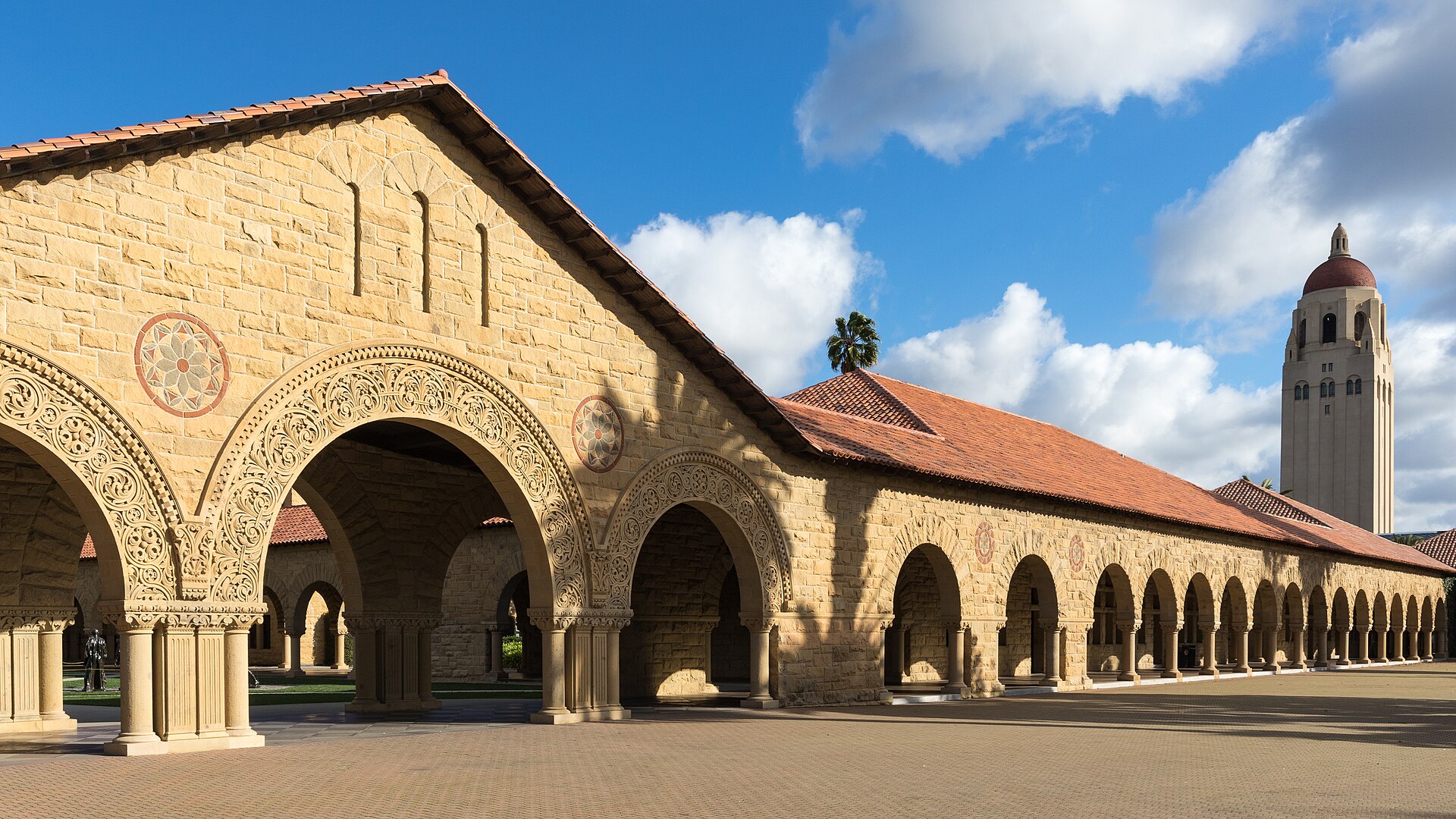
Stanford is also known for a culture of innovation and interdisciplinary problem-solving. Its enormous endowment funds need-blind admissions, generous financial aid, and some of the best research facilities of any university, and its structure encourages students to work across departments and to turn ideas into ventures. The campus itself, one of the largest in the country, features distinctive Spanish-style architecture, palm-lined walkways, and abundant space for research institutes and athletics. That combination of academic strength, entrepreneurial energy, deep resources, and a sunny, sprawling California setting is central to what Stanford is known for and to why it draws applicants from around the world.
Which Academic Programs Is Stanford Best Known For?
Computer science and engineering. Stanford’s programs are among the best in the world and are deeply connected to Silicon Valley, feeding careers in technology, research, and entrepreneurship.
Entrepreneurship and innovation. Stanford is known for turning ideas into companies, supported by its proximity to venture capital and a culture that encourages building ventures.
Business. The Graduate School of Business is one of the most selective and respected in the world, though its MBA is a graduate program.
The sciences and medicine. Stanford is a leader in the physical and biological sciences and in medicine, anchored by major research institutes and a top medical center.
Interdisciplinary programs. Stanford is known for encouraging work across fields, including design thinking and programs that blend technology with the humanities and social sciences.
Athletics and campus life. With one of the most successful athletic programs in the country and a sprawling campus, Stanford is known for a vibrant, active student life.
| Category | What Stanford Is Known For |
|---|---|
| Founded | 1885, in the heart of what became Silicon Valley |
| Signature strengths | Computer science, engineering, entrepreneurship, and the sciences |
| Defining feature | Deep ties to Silicon Valley and the technology industry |
| Financial aid | Need-blind admissions, meeting full demonstrated need |
| Campus culture | Ambitious, collaborative, entrepreneurial, and outdoorsy |
| Athletics | One of the most successful collegiate athletic programs in the country |
| Setting | Stanford, California, a large campus on the San Francisco Peninsula |
What Is Stanford Known For Beyond the Classroom?
Beyond the classroom, Stanford is known for athletic excellence and a vibrant, active campus culture. Its athletic program is one of the most successful in the country, with a long record of Olympic athletes and national championships across many sports, and school spirit runs high. The campus supports a wide range of student organizations, startups, and creative projects, reflecting the university’s entrepreneurial spirit. Stanford is also known for an extraordinary alumni network that reaches across technology, business, science, government, and the arts, including founders of major companies and leaders in nearly every field, whose success reinforces the university’s central place in innovation and public life.
What Is Stanford’s Campus Culture Like?
Stanford is known for a culture that is ambitious, collaborative, and forward-looking. Students are drawn to building things, whether research projects, startups, or creative work, and the university’s interdisciplinary structure and proximity to Silicon Valley encourage them to pursue ideas beyond the classroom. The atmosphere is intellectually intense but is often described as relaxed and outdoorsy compared with some East Coast peers, aided by the California climate and the expansive campus. Students balance rigorous academics with athletics, entrepreneurship, and an active social life, and many point to the mix of academic excellence, optimism, and a can-do, innovative spirit as what defines the Stanford experience.
What Career Outcomes Is Stanford Known For?
Stanford is known for outcomes that place its graduates at the center of technology, business, and research. Its computer science and engineering programs feed directly into the technology industry, and the university is famous for producing founders and early employees of major startups, supported by close ties to venture capital and Silicon Valley. Graduates also move into consulting, finance, medicine, and academia, and many continue to top graduate and professional programs. For families weighing the return on an elite education, Stanford’s combination of academic prestige, an entrepreneurial ecosystem, and a powerful alumni network in technology and business makes it one of the most sought-after universities in the world.
What Type of Student Thrives at Stanford?
Stanford tends to fit students who are intellectually curious, entrepreneurial, and eager to apply their learning to real problems. Because admission is holistic and among the most selective in the world, top grades and scores are expected, but the university looks closely for initiative, creativity, and evidence that a student will make an impact, whether through research, building something, or leadership. Applicants who thrive at Stanford often combine academic excellence with a distinctive project or passion and a collaborative spirit, and can show how they would take advantage of the university’s interdisciplinary resources and its unique position at the intersection of academia and industry.
If Stanford’s strengths line up with your goals, the next step is turning interest into a plan. Our college admissions timeline, along with How to Get Into Stanford for Engineering, Stanford Legacy Admissions: Does It Still Help, and How Much?, and Stanford Supplemental Essays Strategy: Prompts, Approach, and Strategy for 2025-2026, can help you map testing, activities, and essays around a Stanford-level target.
How Does Stanford Compare to Its Peers?
Stanford is most often compared to Harvard, MIT, and Princeton, its peers at the very top of global rankings. What distinguishes Stanford is its deep integration with Silicon Valley, its entrepreneurial culture, and its combination of elite engineering with strong programs across every field. Harvard is known for its history and professional-school influence, MIT for its intense focus on science and technology, and Princeton for undergraduate focus, while Stanford is known for pairing academic excellence with innovation and a direct pipeline into the technology industry. For many applicants, the decision comes down to whether Stanford’s entrepreneurial, interdisciplinary, West Coast environment fits their goals.
Related reading: As you weigh where Stanford fits among your options, see our guide on how to build a college list and use the College List Builder to sort your targets into reach, match, and safety schools.
Frequently Asked Questions About Stanford
Stanford is best known for its deep ties to Silicon Valley and entrepreneurship, its elite engineering and computer science programs, and its strength across nearly every field, from business and medicine to the sciences and humanities.
Stanford sits in the heart of Silicon Valley, and its faculty, students, and alumni have helped launch many major technology companies. Close ties to venture capital and a culture of building ventures reinforce that connection.
Yes. Stanford is among the most selective universities in the world, with a very low acceptance rate. Admission is holistic, so top grades and scores are expected alongside initiative, creativity, and evidence of real impact.
Stanford is especially known for computer science and engineering, along with strong programs in the sciences, economics, and the humanities, and a culture that encourages interdisciplinary and entrepreneurial work.
Yes. Stanford is one of the best universities in the world for aspiring founders, given its proximity to venture capital, its network of successful alumni in technology, and a campus culture that encourages building companies.
Yes. A Stanford degree carries exceptional recognition, especially in technology and business, and its alumni network opens doors across industries while supporting applications to the most competitive graduate programs.
For many families it is. Stanford is need-blind and meets full demonstrated need, so many students pay less than the sticker price, and its outcomes in technology, business, and research support strong long-term value.
Stanford blends elite engineering with strength across every field and a strong entrepreneurial culture. MIT is more focused on science and technology, while the Ivies vary in emphasis, so the choice often comes down to fit and environment.
Sources: Stanford University, Stanford Engineering, Stanford Graduate School of Business, Stanford Medicine, NCES College Navigator, College Board BigFuture.
About Oriel Admissions
Oriel Admissions is a Princeton-based college admissions consulting firm advising families nationwide on elite university admissions strategy. Our strength is a deeply experienced team and a distinctive 360 approach that treats every part of the application – academics, testing, activities, essays, and interviews – as one connected strategy. To discuss your strategy, schedule a consultation.