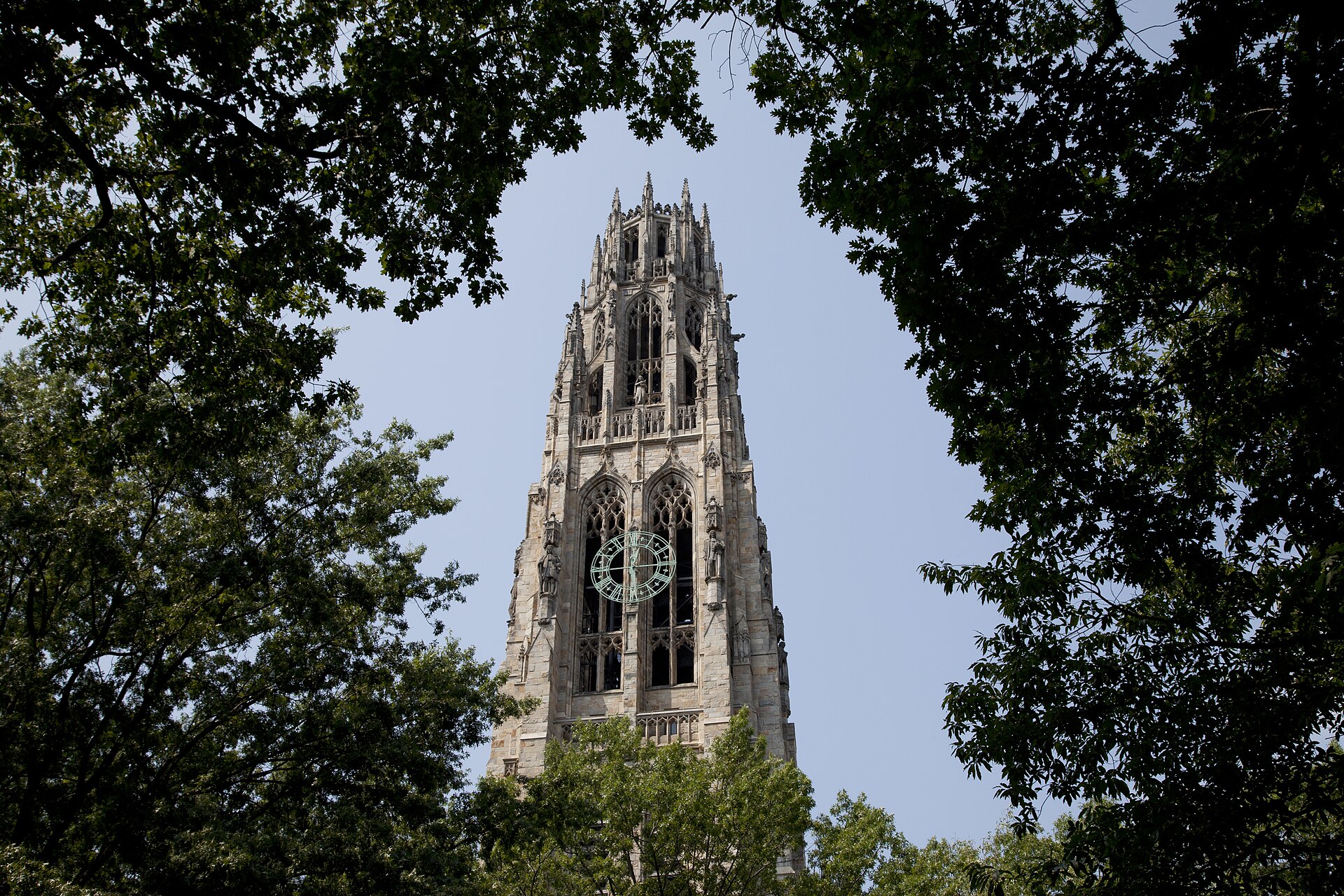
Yale University at a glance: Yale University is a private Ivy League research university in New Haven, Connecticut, founded in 1701. It is best known for its residential college system, exceptional strength in the humanities, drama, law, and the arts, and a long tradition of producing leaders in politics, letters, and the performing arts. Families weighing Yale against peer schools can schedule a consultation to build a targeted college list.
Source: Yale University (www.yale.edu).
What Is Yale University Known For?
Yale is known for combining the resources of a world-leading research university with an unusually close-knit undergraduate experience. Founded in 1701, it is the third-oldest university in the United States and a member of the Ivy League, and it has long stood at the very top of national and global rankings. Yale is especially recognized for its residential college system, its strength in the humanities and the arts, and a tradition of graduating leaders in politics, law, business, and the performing arts. For many families, Yale represents the ideal of a historic, intellectually intense liberal arts education inside a major university.
Yale is also known for pairing academic prestige with genuine attention to undergraduates. Its enormous endowment funds need-blind admissions, generous financial aid that meets full need without loans, and some of the best libraries, museums, and performing-arts facilities of any university in the world. Faculty who lead their fields still teach undergraduates, and small seminars are a defining feature of the Yale experience. That blend of serious scholarship, deep resources, and a community organized to support students is central to Yale’s identity and a large part of why it remains one of the most sought-after universities in the country.
Which Academic Programs Is Yale Best Known For?
Yale Law School. Consistently regarded as one of the very best law schools in the country, known for training scholars, judges, and leaders in public life.
The humanities. A traditional powerhouse in literature, history, philosophy, and the study of art, supported by world-class libraries, museums, and archives.
Drama and the performing arts. Renowned undergraduate theater and a celebrated graduate drama school have produced a remarkable number of acclaimed actors, playwrights, and directors.
Economics and management. Strong programs in economics and, at the graduate level, the Yale School of Management, feeding careers in finance, consulting, and leadership.
Medicine and the life sciences. The Yale School of Medicine and strong undergraduate science programs anchor the university’s growing reputation in biomedical research.
The residential college experience. At the undergraduate level, Yale is known for small seminars and a residential college system that gives every student a close community within the university.
| Category | What Yale Is Known For |
|---|---|
| Founded | 1701, the third-oldest university in the United States |
| Signature strengths | Humanities, drama and the arts, law, and the social sciences |
| Undergraduate structure | A residential college system with small seminars |
| Financial aid | Need-blind admissions, meeting full demonstrated need without loans |
| Athletics | Ivy League competition and the historic Yale-Harvard rivalry, The Game |
| Campus culture | Collaborative, arts-rich, and closely tied to the residential colleges |
| Setting | New Haven, Connecticut, a historic Gothic campus |
What Is Yale Known For Beyond the Classroom?
Beyond the classroom, Yale is known for a rich tradition of drama, music, and student life that has shaped American culture. Its undergraduate and graduate theater programs have produced a remarkable number of celebrated actors, playwrights, and directors, and its singing groups, including the original collegiate a cappella group, are part of campus lore. Yale competes in the Ivy League, and its historic rivalry with Harvard, capped by The Game each November, is one of the oldest in college sports. The university is also known for a Gothic campus in New Haven and an alumni body that includes United States presidents, Supreme Court justices, and leaders across the arts and public life.
What Is Yale’s Campus Culture Like?
Yale is known for a warm, collaborative culture built around its residential colleges. Every undergraduate is assigned to one of the colleges, which function as smaller communities with their own dining halls, courtyards, traditions, and support staff, giving students a sense of belonging within the larger university. The atmosphere is intellectually intense but famously supportive, with students describing genuine collaboration rather than cutthroat competition. School spirit, the arts, and a strong culture of extracurricular involvement shape daily life, and the residential college model is often cited as one of the main reasons students feel so connected to Yale long after they graduate.
What Career Outcomes Is Yale Known For?
Yale is known for outcomes that reach across law, government, finance, media, and the arts. Its graduates are heavily represented in the legal profession, in public service and politics, and increasingly in consulting, finance, and technology, and the university sends a large share of students on to top graduate and professional programs. Yale is especially known as a launching pad for careers in the performing arts, journalism, and public leadership, and its powerful alumni network opens doors in nearly every field. For families weighing return on an elite education, Yale’s combination of academic reputation and a devoted, well-placed alumni community is a significant draw.
What Type of Student Thrives at Yale?
Yale tends to fit students who are intellectually curious, engaged beyond the classroom, and drawn to a collaborative community rather than a purely competitive one. Because admission is holistic and among the most selective in the country, strong grades and scores are expected, but the university looks closely for character, distinctive interests, and evidence that a student will contribute to campus life. Applicants who thrive at Yale often combine academic excellence with a genuine passion, whether in the arts, writing, research, service, or leadership, and can show how they would take advantage of the university’s seminars, resources, and residential college community.
If Yale’s strengths line up with your goals, the next step is turning interest into a plan. Our college admissions timeline, along with Harvard vs Yale: Admissions, Cost, and Outcomes Compared, Cornell vs Yale: Admissions Odds, Cost, and Fit, and Yale vs Dartmouth: Admissions, Aid, and Fit Compared, can help you map testing, activities, and essays around a Yale-level target.
How Does Yale Compare to Its Peers?
Yale is most often compared to Harvard, Princeton, and Stanford, its peers at the top of national rankings. What distinguishes Yale is its residential college system, its exceptional strength in the humanities and the arts, and a campus culture widely seen as more collaborative and community-oriented than some of its rivals. Harvard is known for its scale and professional-school influence, Princeton for its undergraduate focus and engineering, and Stanford for technology and entrepreneurship, while Yale is known for pairing elite academics with drama, writing, law, and a close residential community. For many applicants, the choice comes down to which culture and academic strengths fit them best.
Related reading: As you weigh where Yale fits among your options, see our guide on how to build a college list and use the College List Builder to sort your targets into reach, match, and safety schools.
Frequently Asked Questions About Yale
Yale is best known for its residential college system, its exceptional strength in the humanities, drama, and the arts, and a top-ranked law school, along with a long tradition of graduating leaders in politics, law, and the performing arts.
Yes. Yale is among the most selective universities in the country, with a very low acceptance rate. Admission is holistic and need-blind, so strong grades and scores are expected alongside character, distinctive interests, and evidence of real contribution.
Yale is especially known for the humanities, including English, history, and political science, as well as economics, drama, and the arts, all taught within a liberal arts framework that encourages exploration through small seminars.
Every Yale undergraduate is assigned to one of the residential colleges, which act as smaller communities with their own dining halls, courtyards, traditions, and staff, giving students a close sense of belonging within the larger university.
Yes. Yale is one of the most respected universities for theater and the performing arts, with strong undergraduate opportunities and a celebrated graduate drama school that has produced many acclaimed actors, playwrights, and directors.
A Yale degree carries strong brand recognition and a devoted alumni network, opening doors in law, government, finance, media, and the arts and strengthening applications to the most competitive graduate and professional programs.
For many families it is. Yale is need-blind and meets full demonstrated need without loans, so many students pay far less than the sticker price, and its academic reputation, resources, and network support strong long-term outcomes.
All three sit at the very top of the rankings and open similar doors. Yale stands out for its residential colleges, its strength in the humanities and drama, and a culture widely seen as collaborative and community-oriented.
Sources: Yale University, Yale Law School, Yale School of Management, Yale School of Medicine, NCES College Navigator, College Board BigFuture.
About Oriel Admissions
Oriel Admissions is a Princeton-based college admissions consulting firm advising families nationwide on elite university admissions strategy. Our strength is a deeply experienced team and a distinctive 360 approach that treats every part of the application – academics, testing, activities, essays, and interviews – as one connected strategy. To discuss your strategy, schedule a consultation.