Yale University’s admissions process continued to evolve during the 2024-2025 admissions cycle. These changes reflect broader shifts in higher education and student behavior. For the Class of 2029, changes to standardized testing requirements, a decrease in application volume, and an increase to the size of the entering class were notable. Here are several key facts that we observed for Yale University, the Class of 2029.
The Total Number of Applications Declined
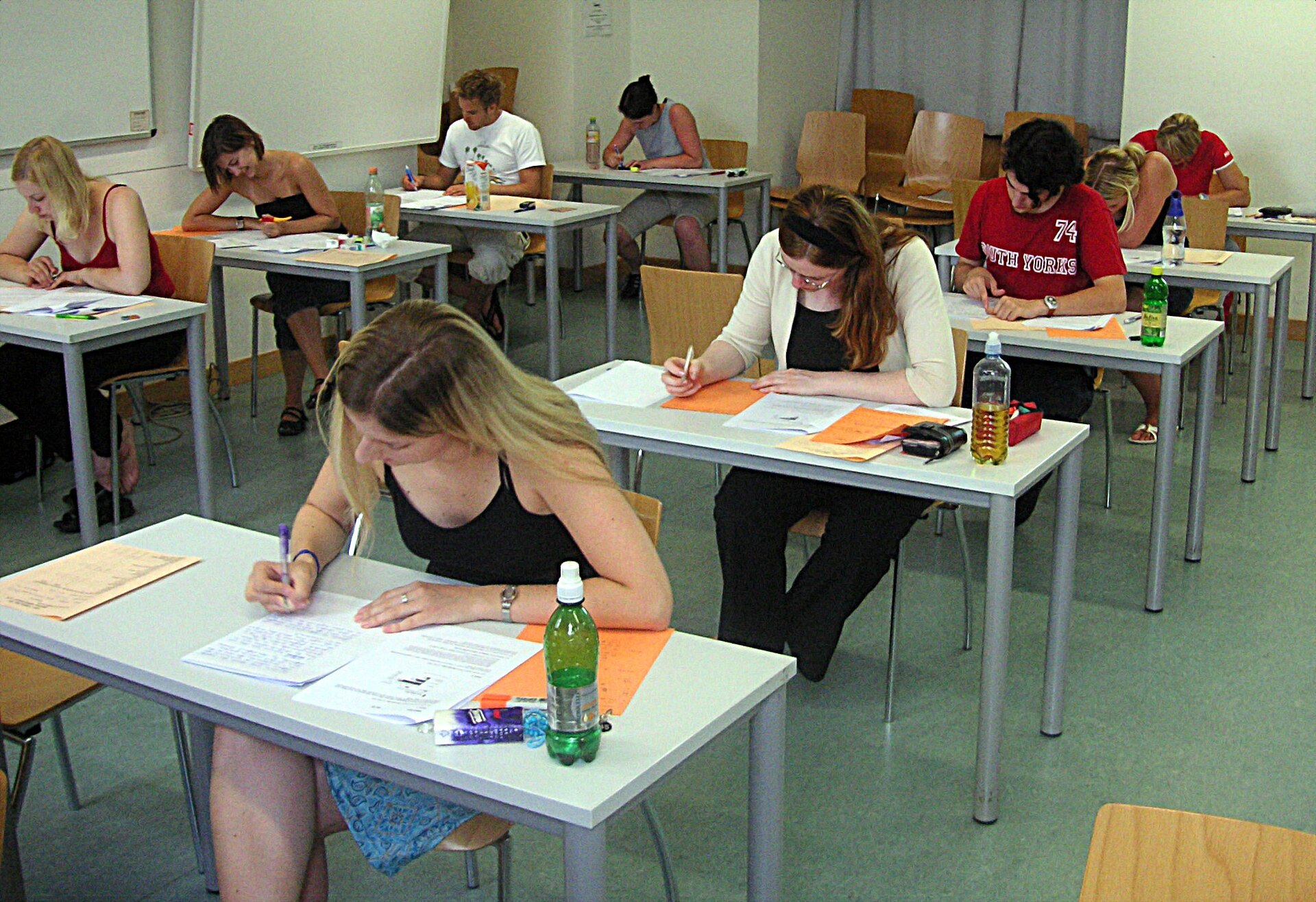
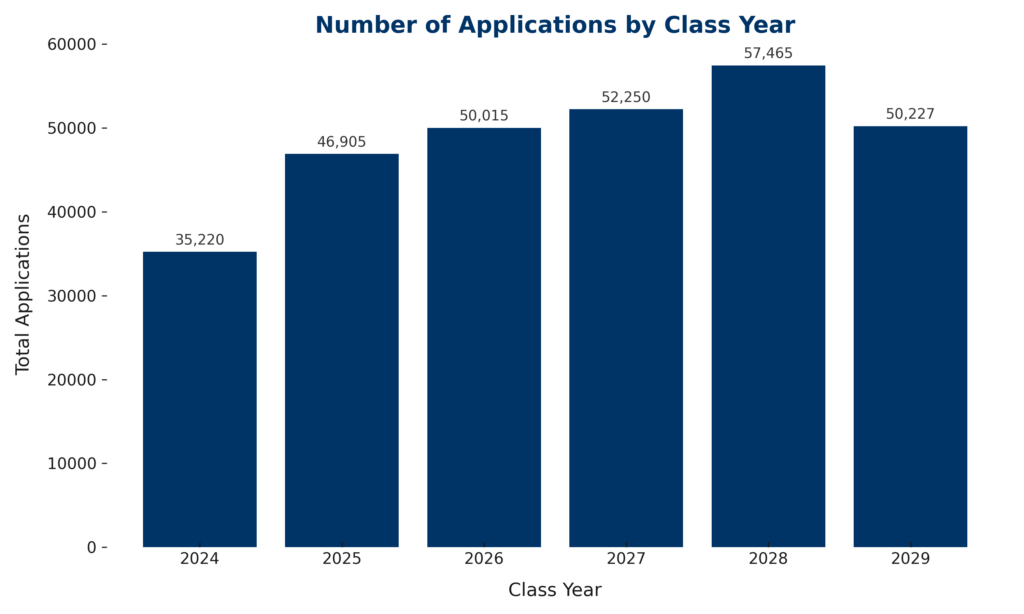
Yale experienced a 12.5% decline in applications from the prior year. This can be attributed to the change in Yale’s testing policies. After maintaining a test-optional policy for four years, Yale shifted towards a Test-Flexible policy, requiring all students to submit test scores but expanding the scores that are considered beyond the SAT and ACT to include AP and IB exams.
Early Action Applications Also Declined
Yale received 6,729 early action applications for the Class of 2029, which is a 14% decrease from the number of applications from the previous year.
The Early Action acceptance rate was 10.8%, with 17% of applicants deferred to Regular Decisions and 71% of applicants rejected.
According to Yales’ Dean of Undergraduate Admissions Jeremiah Quinlan, one changes this year is that the Admissions Office is working to make as many decisions as possible with the Early Action round and reducing the number of deferred applicants in response to feedback from high school counselors.
728 students were accepted during Yale’s single-choice early action round and 66 students were admitted through the Questbridge National College Match Program, while 1,580 applicants were offered a spot during the Regular Decision round for the Class of 2029.
30% of all acceptances were offered through the single-choice early action round.
The overall acceptance rate for the Class of 2029 increased to 4.59% compared to 3.7% last year.
About Yale’s Class of 2028 (Class of 2029 data is not yet available)
Over ⅓ of undergraduate students at Yale are either low income or first-generation college students.
67% of students attended a public high school, 33% of students attended a private high school (independent day, boarding, or religious)
11% of students are international
The portion of US citizens or Permanent Residents that identify as a member of a minority group is 54%
11% of students have legacy status
97% of students are in the 10% of their class (where high schools report class rank)
Yale’s Top 15 Majors
- Biomedical Engineering
- Computer Science
- Economics
- English
- Environmental Studies
- Ethics, Politics, & Economics
- Global Affairs
- History
- History of Science
- Medicine & Public Health
- Molecular Biophysics & Biochemistry
- Molecular, Cellular & Developmental Biology
- Neuroscience
- Political Science
- Psychology
- Statistics and Data Science
Other Notable News
In February, Yale announced that they would be increasing the class size by 100 students per year starting with the class entering in the fall of 2025. The university is also devoting additional resources to the Faculty of Arts and Sciences (FAS) and the School of Engineering & Applied Science (SEAS) with an increase of 4 faculty positions to FAS and 1 position to SEAS as a result of the larger class.