TL;DR: Harvard’s Pre-College Program is a two-week, non-credit, residential summer experience for rising juniors and seniors, costing $6,100 plus a $75 application fee in 2026. Admission is selective, students receive an instructor evaluation and a Harvard AR/NM transcript rather than credit, and it does not directly improve Harvard College admissions odds. It is worth it for genuine college exposure and application guidance, not as an admissions credential (Harvard Summer School, 2026).
What is the Harvard Pre-College Program?
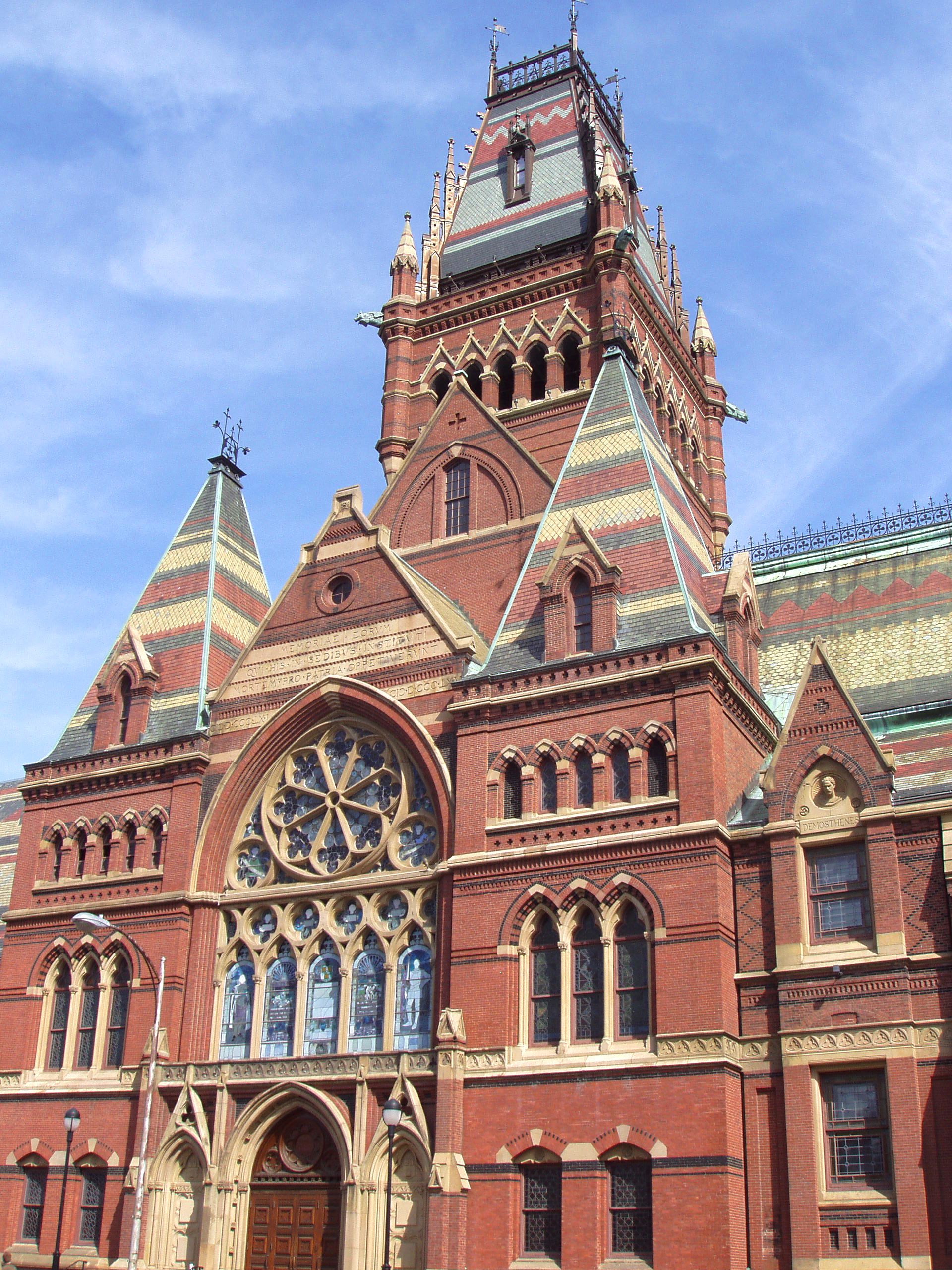
Harvard’s Pre-College Program is a two-week, non-credit residential program run by Harvard Summer School for academically motivated high school students. Across three summer sessions in 2026 (June 21 to July 2, July 5 to 17, and July 19 to 31), students live on the Harvard campus in Cambridge, take a single college-level course from a slate of nearly thirty options, and participate in structured activities and college-readiness programming. Class sizes average about fifteen students, with roughly three hours of class a day and two to four hours of homework.
The defining feature is that it is non-credit and grade-free by design: students explore a subject without the pressure of letter grades, receiving an instructor evaluation and a Harvard transcript marked AR or NM (requirements met or not met) at the end. This positions it as an exploratory and preparatory experience rather than a credit-earning one. For how it fits among other options, see our overview of pre-college summer programs across the Ivy League.
Does the Harvard Pre-College Program offer college credit?
No. The two-week Pre-College Program does not award college credit, and this is the single most common point of confusion, because Harvard runs two distinct high school offerings. The Pre-College Program is non-credit and grade-free. Harvard’s separate Secondary School Program, by contrast, is a four- or seven-week program in which high school students take actual Harvard college courses for credit, with graded work and a genuine transcript.
| Feature | Harvard Pre-College | Harvard Secondary School Program |
|---|---|---|
| Length | Two weeks | Four or seven weeks |
| Credit | Non-credit (AR/NM transcript) | For-credit Harvard courses |
| Grades | No letter grades | Graded coursework |
| Best for | Exploration and campus preview | A transcript and transferable credit |
| 2026 cost | $6,100 + $75 application fee | Varies by course load |
The practical implication: a student who specifically wants transferable college credit, a graded transcript, or the strongest possible signal of college-level achievement should choose the Secondary School Program, not Pre-College. A student who wants a shorter, lower-pressure introduction to college academics and campus life is better matched to Pre-College. Conflating the two leads families to expect credit from a program that does not offer it.
How much does the Harvard Pre-College Program cost?
The 2026 program fee is $6,100 for a single two-week session, plus a non-refundable $75 application fee. That fee is comprehensive, covering tuition, room, the meal plan, program activities, and an accident and sickness insurance plan for the two weeks. A limited number of need-based scholarships are available to eligible students who demonstrate financial need, with a typical award covering a portion of tuition rather than the full cost.
For a high-income family, $6,100 for two weeks is a meaningful but not prohibitive sum, and the right way to frame it is as the price of an educational and exploratory experience. It is not a fee that buys an admissions advantage, and families should weigh it against alternatives, including credit-bearing programs, competitive free research opportunities, or a substantive summer project, depending on what the student is trying to accomplish.
Does the Harvard Pre-College Program help with college admissions?
Only indirectly, and families should be clear-eyed about this. Attending the Pre-College Program does not improve a student’s chances of admission to Harvard College, and no admissions office treats participation as a hook or a meaningful distinction, since the program, while selective, is not a competitive research credential. What the program offers instead is genuine preparation: completing a rigorous college-level course demonstrates academic readiness and motivation, the instructor evaluation can be a useful data point, and Harvard layers in concrete college-application support.
That support is the underrated part. The program includes workshops on writing the college admissions essay, seminars on understanding financial aid, panels on choosing the right college, and sessions with admissions officers from colleges around the country. A student leaves better equipped to navigate the application process, which is real value, just not the prestige-by-association value families sometimes imagine. For the broader principle of how college-level work factors into admissions, see our analysis of early college credit and admissions.
Who should do the Harvard Pre-College Program?
The program is a strong fit for a rising junior or senior who wants to test college-level academics in a subject they are considering studying, experience living independently on a campus, and benefit from structured guidance on the application process, and whose family treats the cost as an educational investment rather than a strategic one. Eligibility is limited to students who will graduate and enter college in 2027 or 2028, are at least 16 by June 20, 2026, and will not turn 19 before July 31, 2026.
It is a weaker fit for a student whose primary goal is an admissions-distinguishing credential or transferable credit. That student should look instead at Harvard’s Secondary School Program for credit, or at genuinely selective, often free, research programs where the competitive admission itself is the signal. As with any summer choice, the strongest move is the one that aligns with an authentic academic interest rather than a generic enrichment placeholder.
Frequently Asked Questions About the Harvard Pre-College Program
The program is open to rising juniors and seniors who will graduate high school and enter college in 2027 or 2028. Applicants must be at least 16 years old by June 20, 2026, and must not turn 19 before July 31, 2026. Students outside that age and graduation-year window are not eligible.
Applications opened December 1, 2025. The early application and priority financial-aid deadline was January 7, 2026, the regular application and financial-aid deadline was February 11, 2026, and a late deadline runs to April 1, 2026 or earlier if course waitlists fill. Applying early improves course availability and aid consideration.
Students receive a written evaluation from their instructor and a Harvard transcript marked AR or NM, meaning requirements met or not met, rather than a letter grade or credit. The evaluation and transcript document participation and effort and can supplement a college application, but they do not represent earned college credit.
Yes, a limited number of need-based scholarships are available to eligible students who demonstrate financial need, and a typical award covers a portion of tuition rather than the full $6,100 fee. The priority financial-aid deadline is earlier than the regular deadline, so families seeking aid should apply early.
Students attend class for about three hours each day and should expect roughly two to four hours of homework, within an average class size of about fifteen students. To complete the program successfully, students must attend and participate in every class and finish all assignments, since the coursework is intensive despite being non-credit.
No. The Pre-College Program is a residential, on-campus experience in Cambridge, and living on campus is central to its design. Students seeking a different format or college credit should look at Harvard’s other summer offerings, including the Secondary School Program, rather than expecting an online version of Pre-College.
Each session offers nearly thirty courses spanning fields such as creative writing, psychology, biology, legal studies, economics, computer science, and the arts. Students enroll in a single course per two-week session and immerse themselves in that subject, which makes choosing a course aligned with a genuine interest important.
Harvard reports that past Harvard Summer School students have gone on to attend institutions including Harvard College, Cornell, the University of Pennsylvania, NYU, Boston University, and Brown, and that a portion of surveyed alumni later attended Ivy League schools. These outcomes reflect an already high-achieving applicant pool rather than a direct effect of the program.
Sources: Harvard Pre-College Program, Harvard Secondary School Program, Harvard Summer School, Harvard College Admissions, NCES College Navigator.
About Oriel Admissions
Oriel Admissions is a Princeton-based college admissions consulting firm advising families nationwide on elite university admissions strategy, pairing each student with a dedicated team of counselors and coaches. To discuss your strategy, schedule a consultation.