What Makes a College One of the Best Colleges for Pre-Med?
There is no official ranking of pre-med programs, because pre-med is a track rather than a major and medical schools do not grade colleges. What separates the best colleges for pre-med is a small set of conditions that shape a student’s application four years later.
- A grading environment where the student can thrive. The overall and science GPA is the first number every medical school sees, and introductory science courses are where most pre-med students either build it or lose it.
- Strong pre-health advising. Good advising offices help students sequence prerequisites, prepare for the MCAT, and decide when they are ready to apply, and many write a committee letter that medical schools read as a summary of the candidate.
- Clinical access. Medical schools expect sustained, direct patient contact, which is far easier to arrange near a major teaching hospital.
- Research access. Research-intensive medical schools look for real laboratory or clinical research, and well-funded universities offer more positions to undergraduates.
- Cost. A future physician faces four years of medical school and three to seven years of residency, so undergraduate debt carries forward for a long time.
Does It Matter Where You Go to College for Pre-Med?
Less than most families assume. Medical school applicants apply through AMCAS, the application service of the Association of American Medical Colleges, which verifies every course and recalculates every GPA on a standard scale. It does not adjust that GPA for the difficulty of the college. A 3.8 from a large public university and a 3.8 from an Ivy League school arrive on the application as the same number.
The national numbers show how much those figures matter. In 2025, according to the AAMC, applicants averaged a 3.67 GPA and a 506.3 MCAT, while the students who matriculated averaged a 3.81 GPA and a 512.1 MCAT. The gap between applying and getting in is largely a gap in grades and test scores, and both depend on the student far more than on the name of the college.
Where the college does matter is in everything around those numbers: the quality of advising, the strength of faculty and committee letters, access to hospitals and labs, and a peer culture that keeps a student on track. Oriel Admissions advises families to treat prestige as a tiebreaker for a pre-med student, not the deciding factor.
Which Colleges Are Best for Pre-Med?
Most lists of the best pre-med schools rank universities by prestige or by self-reported acceptance rates. A more useful comparison is how each school supports its applicants, since few schools publish outcomes in a comparable way. The seven universities below are among the most common choices for pre-med students, and each has a full Oriel Admissions guide.
| University | Pre-health advising | What stands out | Full guide |
|---|---|---|---|
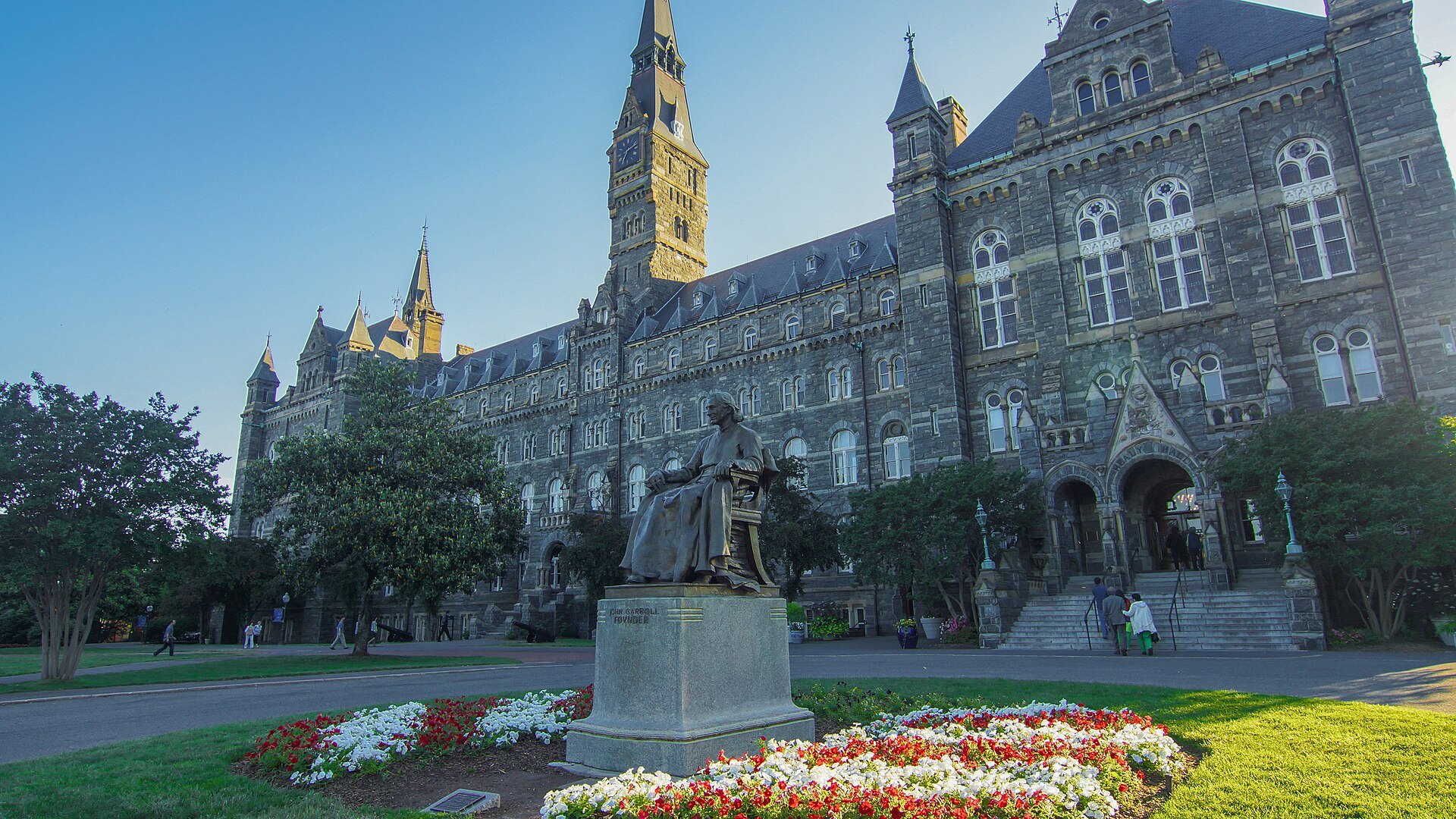
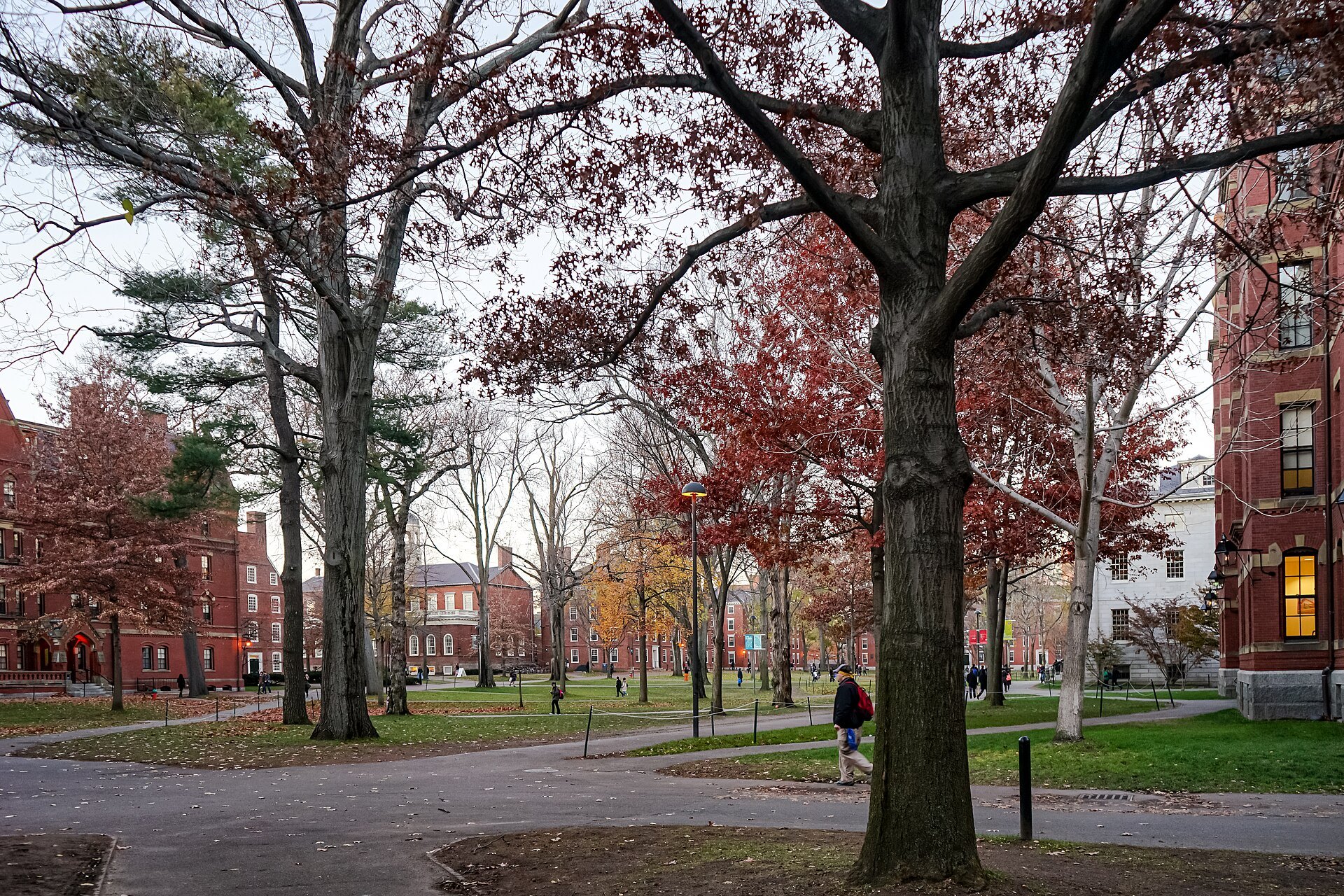
| Harvard | Mignone Center for Career Success, plus house-based premedical tutors | Each House Premedical Committee writes the Harvard College committee letter, submitted to medical schools in mid-August | Harvard pre-med |
| Stanford | Pre-med advisors in Academic Advising | No committee letter; students apply with individual letters, and advising recommends five | Stanford pre-med |
| Johns Hopkins | Office of Pre-Professional Programs and Advising | Formal committee letter for students and alumni up to four years after graduation; about 90% of its applicants take at least one bridge year | Johns Hopkins pre-med |
| Yale | Health Professions Advising Program, Office of Career Strategy | A Health Professions Evaluation Profile process for applicants, with advising appointments from mid-January to late April | Yale pre-med |
| Duke | Office of Health Professions Advising | Serves more than 1,800 students and alumni a year and assigns each student a prehealth advisor | Duke pre-med |
| Cornell | Health Professions Advising Center | The Health Careers Evaluation Committee writes nearly 400 committee letters a year | Cornell pre-med |
| WashU | PreHealth advising | 85% of students who worked with PreHealth advisors were admitted to medical school as first-time applicants | WashU pre-med |
Many families are choosing between two strong options rather than reading a ranking. Our side-by-side comparisons of Duke and Penn for pre-med and Johns Hopkins and WashU for pre-med walk through those decisions in detail.
Why Are College Medical School Acceptance Rates Hard to Compare?
Colleges that publish a medical school acceptance rate rarely measure the same thing. Some count only students who received a committee letter, some count only first-time applicants, and some count only students who worked with their advisors. A school that encourages weaker candidates to wait or to apply with stronger credentials will report a higher rate than a school that sends everyone.
Timing distorts the numbers too. Johns Hopkins reports that about 90 percent of its applicants take at least one bridge year before medical school, so many of its outcomes are counted years after graduation. Against those school figures, the national benchmark is that about 43 percent of 2025 applicants matriculated to an MD program.
Instead of comparing headline percentages, ask each pre-health office three questions: what share of students who arrive as pre-med eventually apply, what share of those applicants are admitted to at least one medical school, and whether the figure includes alumni and students who applied without the office’s support. A school that answers all three clearly is usually a school with a well-run advising office.
Is an Ivy League School Better for Pre-Med?
An Ivy League school offers real advantages: well-funded research, close ties to teaching hospitals, experienced advisors, and peers who are as motivated as the student. It also brings a risk that families tend to underestimate. Introductory chemistry and biology at highly selective schools are taken by some of the strongest science students in the country, and a student who would earn A grades elsewhere may earn B grades there.
Because AMCAS does not adjust for that difference, whether an Ivy League school belongs among the best colleges for pre-med for a particular family depends on the student. A student who is confident in the sciences and thrives under competition will benefit from everything an Ivy League school provides; a student who is strong but not exceptional in chemistry may build a better application elsewhere. Our guides to Harvard, Yale, and Cornell describe how each one supports pre-med students.
Is a Public University a Good Choice for Pre-Med?
Often, yes. Several of the best colleges for pre-med are public universities. They give pre-med students the same prerequisite courses, access to research, and in many cases a medical school on or near campus, at a fraction of the cost for in-state students. The savings matter more than usual, because a future physician will pay for four years of medical school before earning a full salary. Honors colleges at public universities add smaller classes and dedicated advising; see our guide to honors colleges.
The trade-off is advising capacity. At a very large public university, a pre-med student may need to seek out advisors, research positions, and clinical opportunities rather than having them arranged. For families weighing an out-of-state flagship against a private university, our analysis of whether an out-of-state flagship is worth it covers the cost side.
What Do Medical Schools Look For in Pre-Med Applicants?
| Factor | National benchmark, 2025 | How the college choice affects it |
|---|---|---|
| GPA | Matriculants averaged 3.81 (applicants 3.67) | Grading culture in introductory science courses; AMCAS does not adjust for college difficulty |
| MCAT | Matriculants averaged 512.1 (applicants 506.3), on a scale of 472 to 528 | Little direct effect; preparation depends on the student and the coursework |
| Clinical experience | Sustained, direct patient contact | Easier near a teaching hospital |
| Service | Matriculants averaged 717 community service hours | Depends on the student; campus and city opportunities help |
| Research | Expected by research-intensive medical schools | More undergraduate positions at research universities |
| Letters | A committee letter or a set of individual faculty letters | Depends on advising structure and how well faculty know the student |
Our overview of medical school requirements covers prerequisites in detail, and our table of medical school acceptance rates shows how selective each MD program is at the next stage.
What Is the Best Major for Pre-Med Students?
Medical schools accept any major, provided the student completes the prerequisite courses and performs well. Biology and chemistry remain the most common choices, but a student who would earn higher grades and write more convincingly in another field should consider it. Our guide to the best pre-med majors compares the options. For students who already know their major, our guides to the best colleges for biology, neuroscience, chemistry, and psychology compare the strongest undergraduate programs in each.
Should a Pre-Med Student Consider a BS/MD Program?
Combined BS/MD programs admit high school seniors to both college and medical school, provided they meet the program’s benchmarks. They remove much of the uncertainty of the medical school application, but they are extremely selective and best suited to students who are already certain about medicine.
Our guides to the easiest BS/MD programs to get into, the Baylor BS/MD program, BS/DO programs, and the difference between an MD and a DO cover the combined-degree route.
How Should Families Compare Pre-Med Colleges?
For a family holding several acceptances, a short sequence of questions identifies which of the best colleges for pre-med is the right one for this student.
- Ask the pre-health office for its numbers, including how many pre-med students apply and how the school counts its acceptance rate.
- Map the clinical access. Find out how undergraduates reach patients in practice: hospital volunteering, scribing, or clinical research.
- Run the cost forward. Add four years of medical school to each undergraduate option before comparing.
- Be honest about the student. A student who works best with room to earn top grades will build a stronger application in that environment, whatever the ranking.
Oriel Admissions plans the college choice and the medical school path together, because the decision a family makes at 17 sets the GPA, letters, and experiences a medical school reads at 21. Students still in high school can start building clinical experience through medical internships for high school students.
Frequently Asked Questions About the Best Colleges for Pre-Med
No. Pre-med is a track, a set of prerequisite courses and experiences that a student completes alongside any major. Students can major in biology, chemistry, economics, or English and still apply to medical school if they finish the prerequisites.
In 2025, students who matriculated to US MD programs averaged a 3.81 GPA and a 512.1 MCAT, while all applicants averaged a 3.67 GPA and a 506.3 MCAT, according to the AAMC. Individual medical schools vary widely around those averages.
In 2025, 54,699 people applied to US MD programs and 23,440 matriculated, about 43 percent of applicants. The 2025 entering class was the largest on record, and total medical school enrollment passed 100,000 for the first time.
Many colleges write a committee letter that summarizes a student for medical schools, and schools that offer one generally expect applicants to use it. Some universities, including Stanford, do not issue one, and students apply with individual faculty letters instead.
Harvard offers house-based premedical tutors, a committee letter from each House Premedical Committee, and access to major Boston hospitals. It is an excellent choice for a student who can earn high grades in a very competitive science environment, but it is not the best fit for every pre-med student.
Most medical schools expect biology, general chemistry, organic chemistry, and physics with labs, plus biochemistry, statistics or mathematics, and English. Psychology and sociology help with the MCAT. Requirements vary by medical school, so students should check their target schools early.
The usual path is four years of college, four years of medical school, and three to seven years of residency, depending on the specialty. Many students also take one or more gap years before medical school.
Gap years are now common. Johns Hopkins reports that about 90 percent of its medical school applicants take at least one bridge year. Oriel Admissions encourages students to apply when the application is ready rather than on a fixed schedule.
Sources: AAMC: U.S. medical schools enroll record number of students in 2025, AAMC FACTS: Applicants and Matriculants Data, WashU Undergraduate Admissions: PreHealth, NCES College Navigator, College Scorecard
About Oriel Admissions
Oriel Admissions is a Princeton-based college admissions consulting firm advising families nationwide on elite university admissions strategy. Our team brings deep expertise across every dimension of the application, and our distinctive 360 approach develops strategy, positioning, activities, essays, and interviews as one coherent whole. To discuss your family’s admissions strategy, schedule a consultation.