TL;DR: Dental shadowing is the single most important extracurricular for a BS/DDS applicant, because it is the clearest evidence that an interest in dentistry is real and informed rather than aspirational. Combined dental programs want to see meaningful, sustained exposure to the profession, supported where possible by research, community involvement, and activities that build manual dexterity. Quality and reflection matter more than raw hours: a student who can articulate what they learned from shadowing presents a far stronger case than one with a long but shallow list. To build an activity profile that strengthens a combined dental application, schedule a consultation.
Why Dental Shadowing Matters for BS/DDS Applicants
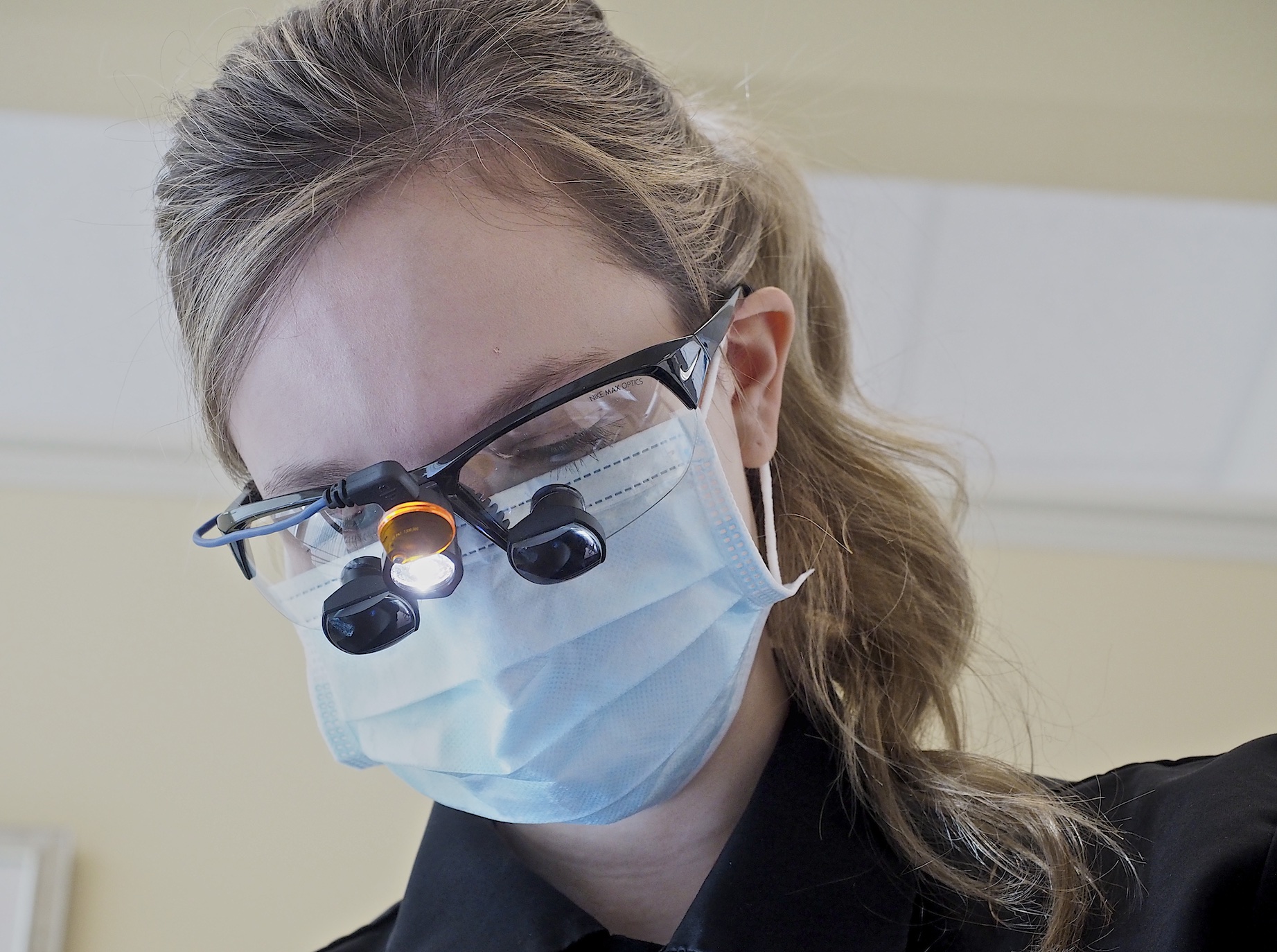
For a combined dental applicant, dental shadowing is the most direct way to prove that an interest in dentistry is genuine. Because a BS/DDS program commits a student to the profession years early, admissions committees look hard for evidence that the student actually understands what dentistry involves, and time spent observing dentists at work is the clearest such evidence. Shadowing also supplies the raw material for the strongest application essays, since specific, lived observations are far more persuasive than abstract enthusiasm. A student who has watched procedures, seen how a practice runs, and reflected on what they observed can write and speak about dentistry with a credibility that no amount of stated passion can match. These programs sit within the broader landscape of combined dental programs and the wider set of direct-entry and combined health professions programs, all of which reward demonstrated, hands-on exposure.
How to Find Shadowing Opportunities
Finding opportunities to observe dentists is more approachable than many families expect. A natural starting point is a family dentist, who may welcome a motivated student or refer them to a colleague. Beyond that, students can contact local practices directly, reach out through family and community networks, and ask whether nearby dental schools or clinics host observation programs. Persistence matters, since a polite, professional inquiry often succeeds even when the first few do not. Where possible, students should aim to observe more than one setting, including both general dentistry and specialties such as orthodontics or oral surgery, which gives a fuller picture of the profession and signals genuine curiosity rather than a single box-checking visit.
Making the Most of Dental Shadowing
The value of dental shadowing lies in quality and reflection, not in accumulating hours. A student who observes attentively, asks thoughtful questions, and takes time afterward to reflect on what they saw gains far more than one who logs a large number of passive hours. It helps to keep a private journal, noting specific procedures, interactions, and moments that shaped the perception of the profession, since those details become the foundation of compelling essays and interview answers later. Seeking variety across practices and specialties deepens understanding further. The goal of shadowing is not a number on an application but a genuine, informed grasp of what a career in dentistry actually entails, and committees can readily tell the difference between the two.
Research and Other Meaningful Activities
While shadowing is central, a strong combined dental application is rounded out by other meaningful activities. Research experience, though not required, demonstrates intellectual curiosity and is viewed favorably, particularly if it connects to health or science. Community involvement, especially in settings related to health or service, shows the kind of people-oriented motivation that dentistry rewards. Activities that develop manual dexterity, such as art, music, sculpture, or detailed crafts, are worth highlighting because dentistry is a hands-on profession that prizes fine motor skill. The strongest profiles are not the longest but the most coherent, telling a consistent story of a student genuinely drawn to dentistry and prepared for its demands.
Documenting Experiences for the Application
Careful documentation turns experience into application strength. Throughout high school, a student should keep a running record of shadowing and related activities, noting dates, approximate hours, the setting, and, most importantly, reflections on what each experience revealed. These notes pay off twice. They make it straightforward to complete the activities sections of applications accurately, and they supply the specific, vivid detail that makes essays and interviews persuasive. When the time comes to write about why dentistry, a student with a detailed record can draw on concrete moments rather than straining to recall a blur of visits. Specificity is what distinguishes a memorable application from a generic one, and disciplined documentation is what makes specificity possible.
How Many Hours of Dental Shadowing Do BS/DDS Programs Expect?
There is no universal number, but some programs do publish one. IU Indianapolis asks applicants for 12 or more hours observing community dental practice and expects 100 or more during the program, the University of the Pacific asks for at least 40 hours shadowing a general dentist, Penn Dental partner programs require a minimum of 100 hours of dental experience, and Detroit Mercy builds 25 required shadowing hours into its seven-year program. Applicants who fixate on a single number still tend to miss what committees actually evaluate. Reviewers look for sustained, varied exposure that shows a student understands the day-to-day reality of dentistry rather than a large tally logged in a single week. Depth across a few settings usually reads as more convincing than a high hour count in one office. The strongest applications show shadowing that spans general and specialty practice, giving the student a realistic view of the field they are committing to for the next seven or eight years.
| Shadowing setting | What committees see it demonstrating |
|---|---|
| General dentistry practice | A baseline understanding of routine clinical work and patient interaction |
| Dental specialty such as orthodontics or oral surgery | Awareness that dentistry spans distinct disciplines and career paths |
| Community or public health clinic | Exposure to access-to-care issues and a wider range of patients |
| Academic or hospital dental setting | Interest in the research and teaching side that BS/DDS programs value |
What Do Admissions Committees Look For in a Shadowing Reflection?
Logging hours proves attendance; reflection proves insight, and BS/DDS committees weigh the second far more heavily. Reviewers want evidence that a student observed closely and drew specific conclusions: a moment that clarified why they want to practice dentistry, an ethical question they watched a dentist navigate, or a detail that revealed the precision the profession demands. General statements about wanting to help people carry little weight because nearly every applicant writes them. Specific, honest observation is what separates a student who genuinely explored the field from one who assembled experiences to satisfy a checklist.
How Does Shadowing Strengthen BS/DDS Essays and Interviews?
Shadowing pays its largest dividend not in the activities list but in the essays and interviews, where committees test whether a student’s interest is real. Concrete observations give an applicant material that generic candidates cannot invent: what surprised them at the chair, how a dentist explained a difficult diagnosis, or why a particular case stayed with them. In interviews, students who speak naturally about what they saw come across as informed and committed, while those relying on rehearsed enthusiasm tend to sound thin. Applicants who treat shadowing as a source of specific stories, rather than a box to check, consistently present a more credible case for a long commitment to the profession.
Frequently Asked Questions About Dental Shadowing
There is no universal requirement, though some programs publish one, from 12 hours to apply at IU Indianapolis to 100 hours of dental experience at Penn Dental partner programs, and quality matters more than a specific number. Combined programs look for meaningful, sustained exposure and the ability to reflect on it, so a moderate number of hours observed attentively is stronger than a large number logged passively.
A family dentist is a natural starting point and may refer the student to colleagues. Students can also contact local practices directly, use family and community networks, and ask whether nearby dental schools or clinics host observation programs. Polite persistence usually pays off.
No, research is not required, but it is viewed favorably because it demonstrates intellectual curiosity, especially when connected to health or science. It strengthens an application without being a prerequisite.
Dentistry is a hands-on profession that relies on fine motor skill, so activities such as art, music, sculpture, or detailed crafts can meaningfully support an application by showing aptitude for the precise, tactile work the field involves.
A genuine, informed understanding of what a dental career involves, along with specific observations a student can reflect on. That understanding anchors a convincing why-dentistry narrative far better than hours alone.
Where possible, yes. Observing both general dentistry and specialties such as orthodontics or oral surgery gives a fuller picture of the profession and signals genuine curiosity rather than a single box-checking visit.
By keeping a running record of dates, approximate hours, settings, and reflections on what each experience revealed. These notes make application sections accurate and supply the vivid detail that makes essays and interviews persuasive.
An experienced advisor can help a student identify meaningful experiences, pursue the right mix of shadowing, research, and dexterity-building activities, and document them in a way that tells a coherent, compelling story.
Sources: American Dental Education Association, American Dental Association, U.S. Bureau of Labor Statistics, NACAC, NCES College Navigator.
About Oriel Admissions
Oriel Admissions is a Princeton-based college admissions consulting firm advising families nationwide. Our strength is a strong team and a distinctive 360-degree approach to the entire application, from course selection and activities to essays and interviews. To discuss your strategy, schedule a consultation.