College Campus Visit Guide: When to Go, What to Ask, and How Visits Affect Admissions
By Rona Aydin
When Is the Best Time to Visit College Campuses?
The optimal visit window depends on your grade level and goals. Spring break of junior year is the most popular campus visit period – schools are in session (so you see real campus life), weather is improving, and you have time before senior-year application deadlines (industry guidance). Fall of senior year – September through early November – is the second-best window because it allows visits before Early Decision deadlines (November 1-15 at most schools). Summer visits are convenient but less informative because classes are not in session and campus feels empty.
| Visit Window | Best For | Pros | Cons |
|---|---|---|---|
| Spring break (junior year) | Initial exploration; narrowing list | Schools in session; real campus feel; time to follow up | Popular = crowded tours; may conflict with school break travel |
| Summer (after junior year) | Covering multiple schools efficiently | More availability; can visit 2-3 schools per trip | Campus empty; no classes to sit in on; less authentic feel |
| Fall (senior year) | Final decision-making; DI at top-choice schools | Logged before ED deadline; most authentic campus experience | Missing school; tight timeline with applications |
| January-February (senior year) | Schools still being considered post-EA/ED | Can compare after receiving some decisions | Cold weather (Northeast schools); may feel rushed |
| April (admitted students) | Choosing between acceptances | Admitted student events; meet future classmates | After decisions made; no DI benefit for admissions |
Which Schools Track Campus Visits for Admissions?
Not all schools care whether you visit. The Common Data Set Section C7 reveals each school’s demonstrated interest rating, and campus visits are the strongest form of DI at schools that track it. Schools where visits carry real weight include Tulane (DI rated “very important”), Boston College (DI rated “important”), WashU (“important”), Tufts (“important”), and Lehigh (“very important”). Even schools that officially report not tracking demonstrated interest – including the UC system, MIT, Stanford, Yale, and Harvard – may still factor engagement into areas like interview quality, essay specificity, and regional admissions officer familiarity. These elements are not formally labeled “demonstrated interest” but all benefit from an in-person visit. Our recommendation is to visit every school you are seriously considering, regardless of its official DI policy.
| DI Rating | Visit Impact on Admissions | Example Schools |
|---|---|---|
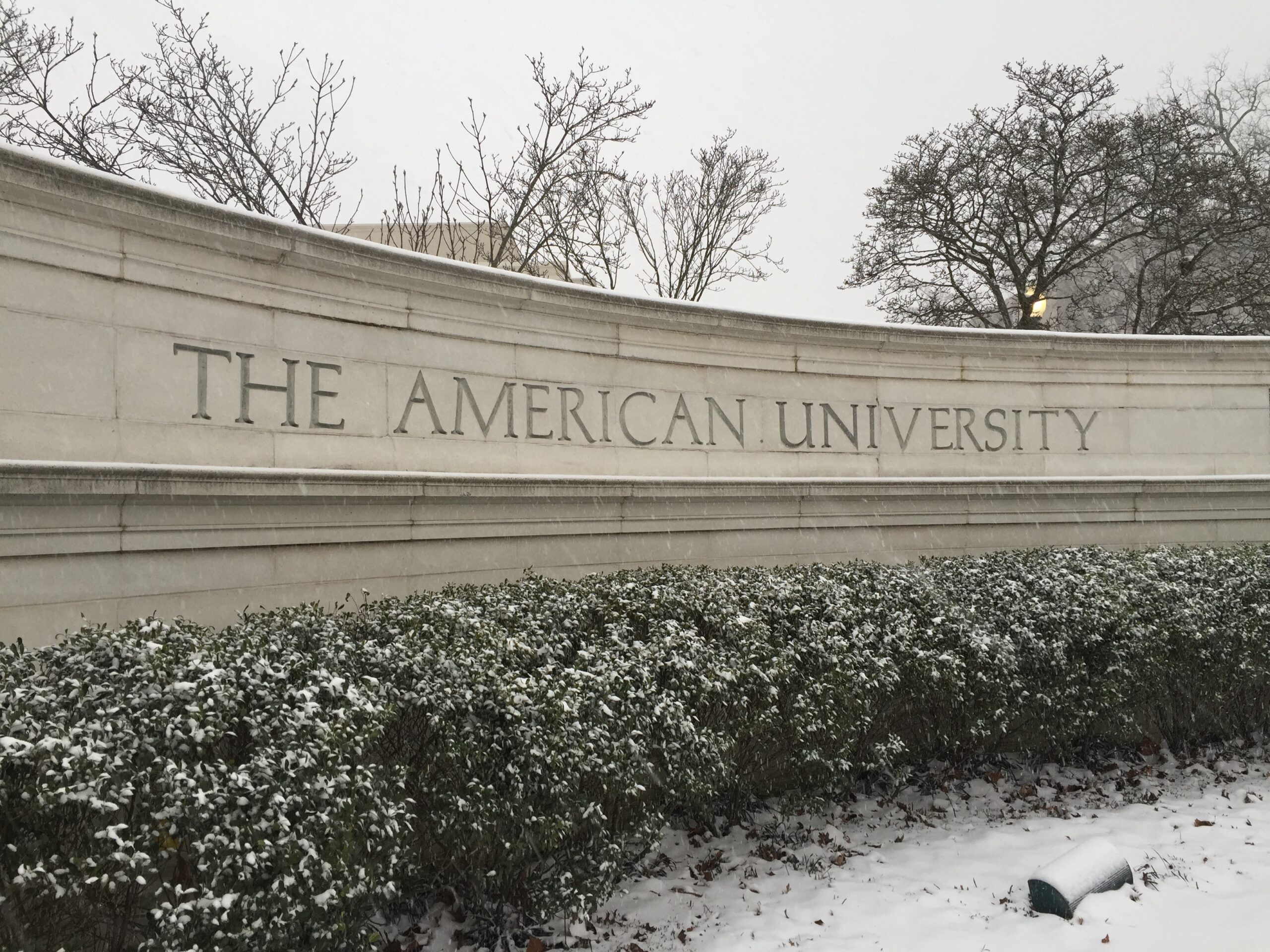
| Very Important | Directly impacts decisions; not visiting hurts qualified applicants | Tulane, Lehigh, American University |
| Important | Meaningful factor; logged in file; helps in borderline decisions | Boston College, Tufts, WashU, Syracuse |
| Considered | Minor factor; logged but rarely decisive | Emory, Georgetown, Vanderbilt, Cornell |
| Not Considered | Schools may still notice engagement indirectly; always visit to strengthen essays and interviews | Harvard, Yale, Stanford, MIT, all UCs, Georgia Tech |
Sources: Respective university CDS 2024-2025, Section C7.
What Should You Do During a Campus Visit?
An effective campus visit includes both official and unofficial components. The official components – information session and campus tour – are tracked by schools that monitor DI, so register in advance through the admissions website to ensure your visit is logged in your file (industry best practices). The unofficial components – sitting in on a class, visiting the dining hall, walking the surrounding neighborhood, and talking to current students – provide the qualitative information you need to evaluate fit. Admissions consultants recommend spending at least 3-4 hours per campus to gather enough information for a meaningful evaluation.
What Questions Should You Ask During the Information Session?
The best questions demonstrate genuine engagement and cannot be answered by reading the website. Strong questions include: what percentage of students complete undergraduate research and in what year do they typically start, what is the average class size in your intended major during junior and senior year (not overall – overall numbers include large lecture courses), what percentage of students participate in study abroad and does it affect four-year graduation rates, what career services resources are available specifically for your intended field, and how does the school support students transitioning between majors if interests change. Avoid questions with answers easily found on the admissions page – these signal low effort and can work against you at DI-sensitive schools. Reference specifics from your research in the “Why Us” essay using details gathered during the visit.
How Many Campuses Should You Visit?
industry analysis suggests visiting 5-8 schools provides enough data for informed decision-making without creating logistical burnout (industry analysis). Prioritize visits to three categories: schools where DI affects admissions (visit before applying), schools that are your top 2-3 emotional choices (visit to confirm fit), and schools that are geographically convenient but unfamiliar (visit to validate assumptions). You do not need to visit every school on your application list – safety schools and well-known institutions where you want to confirm fit and gather material for strong supplemental essays.
Do Virtual Tours Count as Demonstrated Interest?
At most schools, virtual tours and virtual information sessions are logged as demonstrated interest – but they carry less weight than in-person visits (industry analysis). If you cannot visit in person due to geographic or financial constraints, attending a virtual session is better than no engagement at all. Schools generally understand that distance prevents some families from visiting, and most do not penalize applicants who demonstrate interest through other channels – attending local college fairs, connecting with regional admissions representatives, and engaging with virtual events. However, at the most DI-sensitive schools like Tulane, an in-person visit remains the gold standard.
How to Plan an Efficient Multi-School Visit Trip
Geographic clustering makes multi-school visits efficient. The Northeast corridor allows visiting 3-4 schools in a single trip: Boston College and Tufts on the same day, Yale the next morning, and Columbia that afternoon. Southern trips can combine Emory and Georgia Tech in Atlanta, then Vanderbilt in Nashville, then Tulane in New Orleans. Plan your admissions timeline to include visit trips during school breaks when multiple campuses can be covered. Book information sessions 3-4 weeks in advance – popular sessions at selective schools fill up quickly, particularly during spring break.
What Should Parents Do (and Not Do) on Campus Visits?
Parents should attend the information session, take notes on practical matters (housing, safety, dining, financial aid), and observe the campus environment. Parents should not dominate the Q&A session (this is a red flag for admissions officers at DI-tracked schools), answer questions directed at the student during the tour, or visibly grade or critique the campus in front of the guide. The visit is ultimately about the student’s experience – parents serve as logistical support and sounding boards, not as the primary evaluators. After the visit, families should discuss impressions together and document key observations while they are fresh – this information feeds directly into the “Why Us” supplemental essays.
How Do Campus Visits Improve Your Application Essays?
Campus visits provide the specific, authentic details that transform a generic “Why Us” essay into a compelling one. Admissions officers can immediately distinguish between essays written by students who have visited campus and those written from website research alone. Visit-informed details – a specific classroom discussion you observed, the energy in a particular student center, a conversation with a professor in your intended department – create the specificity that strong supplemental essays require. Take notes during your visit specifically for essay content: write down the name of the building where you sat in on a class, the professor’s research topic, or a specific program that excited you. These details are the raw material for essays that demonstrate genuine fit rather than superficial interest.
Final Thoughts
Campus visits serve two purposes: they help you evaluate whether a school is the right fit, and at DI-sensitive schools, they directly strengthen your admissions candidacy. The highest-ROI visits are to schools that track demonstrated interest – Tulane, Boston College, Tufts, and WashU – where a logged visit can meaningfully influence a borderline decision. Plan visits during spring of junior year or fall of senior year, register through the admissions website to ensure tracking, and use the visit to gather specific details for your essays. For help building a visit plan aligned with your college list, schedule a consultation with Oriel Admissions.
Frequently Asked Questions
Not strictly, but they are valuable; a visit helps a student gauge fit and, at colleges that track engagement, can register demonstrated interest, though strong applications succeed without visits too. Fit-finding is the bigger benefit. Families unable to visit should use virtual tours, sessions, and research to assess fit and signal interest, since an in-person visit is helpful rather than required, and no school rejects a qualified applicant simply for not having toured.
There are strong free alternatives; virtual tours, online information sessions, student panels, and direct contact with admissions or current students can convey much of what an in-person visit offers. Cost should not exclude a school. Families should lean on these resources and note that colleges tracking engagement count virtual participation, since admissions offices understand travel is not feasible for everyone and judge applicants fairly when an expensive campus trip is out of reach.
Neat, comfortable casual clothing is appropriate, since a visit is about exploring the campus rather than a formal evaluation, though anything sloppy or attention-seeking is best avoided. Comfortable shoes matter for walking tours. Students should dress as they would for a relaxed but respectful outing, since no one is judging an outfit, but looking put-together helps in any incidental conversation with admissions staff, students, or faculty during the day.
If offered and feasible, an overnight can give an authentic feel for dorm life, dining, and the social scene that a daytime tour cannot. It suits students seriously considering the school. Families should weigh logistics and the student’s comfort, since an overnight is most useful at top-choice schools where a deeper sense of daily life informs the decision, while a standard tour is plenty for schools earlier in the exploration process.
A few hours covering the official tour and an information session is a solid minimum, while half a day or more allows time to explore, eat on campus, and get a fuller feel. Depth depends on how seriously a school is being considered. Families should budget more time for top contenders and less for early exploratory stops, since lingering to experience the everyday environment yields more insight than a rushed, tour-only visit.
For demonstrated-interest tracking, yes; registering for an official tour or session creates a record at schools that count engagement, whereas walking the campus unregistered usually leaves no trace. Both can inform your impressions, though. Students should register for official events at schools that track interest to ensure the visit is logged, while still wandering independently for an unfiltered feel, since the official record and the personal impression each serve a different purpose.
Distant or international applicants should rely on virtual tours, live online sessions, and conversations with admissions or current students, all of which schools recognize given travel constraints. An in-person visit is not expected from everyone. Students should engage thoroughly through remote options and, at schools tracking interest, ensure that virtual participation is registered, since admissions offices know geography limits visits and weigh sincere remote engagement appropriately.
It can be; a pre-application visit helps narrow the list, sharpens why this school essays, and, where tracked, signals early interest. Admitted-student events serve a different purpose later. Families should prioritize pre-application visits to top contenders if resources allow, since seeing a campus before applying improves both fit decisions and essay specificity, while saving admitted-student visits for the final choice among schools that have already said yes.