Why Are the Best Summer Programs Free?
There is a structural reason the strongest credentials cost nothing. Programs funded by endowments, foundations, universities, and sponsors select purely on merit, which lets them admit the strongest 2% to 15% of a national applicant pool. Programs funded by tuition select, at least in part, on the ability to pay. Admissions officers know the difference, and they weigh the two categories differently: a free program the student had to win reads as a credential, while an expensive program the family purchased reads as enrichment.
This is why free summer programs for high school students deserve first position on any target list. The cost savings are real, but they are the smaller benefit. The larger benefit is that selectivity itself is the signal, a point we develop across our ranking of the most prestigious summer programs.
Which Free Summer Programs for High School Students Are Worth Targeting?
| Program | Focus | Cost | Oriel Admissions guide |
|---|---|---|---|
| Research Science Institute (RSI) | STEM research at MIT | Free | How to get into RSI |
| TASS | Humanities and critical studies seminars | Free, all costs covered | How to get into TASS |
| MITES Summer | STEM at MIT for rising seniors | Free | How to get into MITES |
| Simons Summer Research Program | Laboratory research at Stony Brook | Free, stipend awarded | How to get into Simons |
| Clark Scholars Program | Cross-disciplinary research at Texas Tech | Free, stipend awarded | How to get into Clark Scholars |
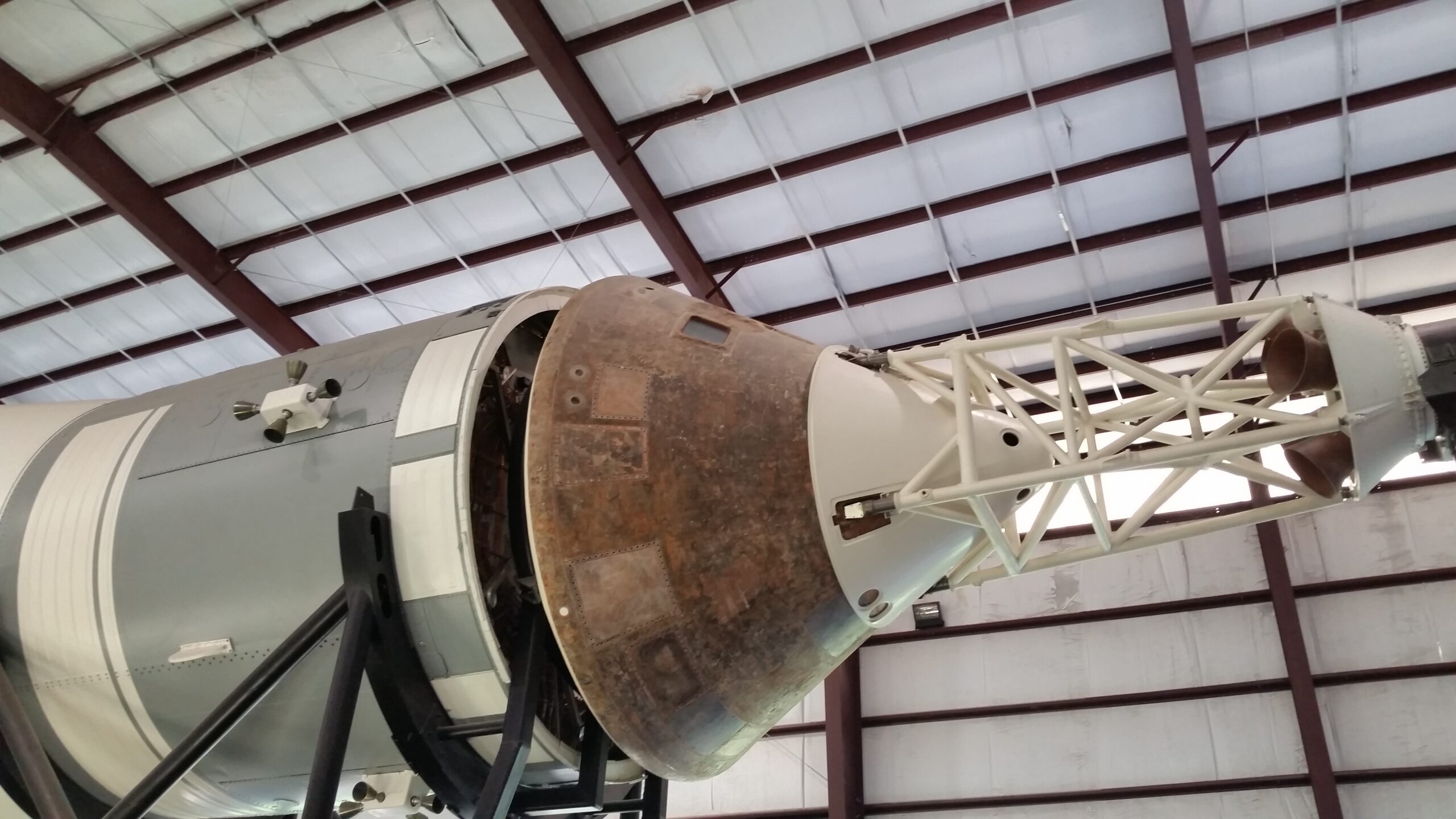
| NASA SEES | Earth and space science with UT Austin | Free | Covered in our internships guide |
Two additions belong on the list for students with civic and leadership interests. American Legion Boys State and Girls State are sponsored, week-long government immersion programs run in nearly every state at no cost to participants, and state Governor’s Schools offer tuition-free summer academics for residents in many states, with selectivity that varies by state and discipline. Both carry weight precisely because a committee, not a checkbook, decides who attends.
Which Programs Pay High School Students?
A small set of opportunities goes further and pays the student. Bank of America Student Leaders, which as of the 2026 cycle recruits recent high school graduates with 12 to 18 college credits, pays $17 per hour or the local minimum wage for a six-week nonprofit internship; the NIH Summer Internship Program provides a monthly stipend for research placements open to graduating seniors; and research programs such as Simons and Clark Scholars award stipends on completion. We cover the paid pathway in full in our guide to internships for high school students. For families, the point is the same as with free programs: payment reflects selection, and selection is the signal colleges read.
Are Free Summer Programs Less Selective?
The inversion surprises many families: the free tier is the hardest to enter. The top free summer programs for high school students admit between roughly 2% and 15% of applicants, rates comparable to or below the most selective universities. Applications resemble college applications in miniature – essays, recommendations, transcripts, and in some cases problem sets or research statements – and the deadlines cluster between December and February for the following summer. Families should treat these applications with the same seriousness as the college process they preview.
When Are Paid Programs Still Worth It?
Tuition-based programs are not disqualified; they are simply a different tool. University pre-college summer programs can offer genuine coursework, college credit, and a first residential experience, and for younger students they build the record that selective applications later require. The mistake is not attending a paid program; the mistake is expecting a paid program to function as a credential. It functions as preparation, and preparation has real value when it is sequenced correctly.
How Should Families Build the Summer Plan by Grade?
For freshmen and sophomores, the free tier is mostly out of reach by age, so the plan centers on skill-building, local research, and the programs that accept younger students; our guide to the best sophomore summer programs maps that tier. For rising juniors, the calculus shifts: the summer before junior year is the last low-stakes window to build the record, as we argue in the summer before junior year. For rising seniors, free summer programs for high school students in the selective tier are the target, applications land December through February of junior year, and the outcome becomes a headline credential on the application itself.
Frequently Asked Questions
The Research Science Institute, TASS, MITES Summer, the Simons Summer Research Program, the Clark Scholars Program, and NASA SEES are free to attend, and several award stipends. American Legion Boys State and Girls State and many state Governors Schools are also fully sponsored.
They are funded by endowments, foundations, universities, and corporate sponsors rather than tuition, which allows them to select purely on merit from a national pool. That funding model is exactly what makes admission to them meaningful to colleges.
The top tier admits roughly 2% to 15% of applicants, which is comparable to or below the admit rates at the most selective universities. Free does not mean accessible; it means the barrier is talent rather than tuition.
Most selective programs open applications in the late fall and close between December and February for the following summer. Families should build the target list in September and treat the applications with the same seriousness as college applications.
No. Tuition-based pre-college programs offer real coursework and a residential experience, and they prepare younger students well. The distinction that matters is that paid programs function as preparation while selective free programs function as credentials.
Yes. Bank of America Student Leaders pays $17 per hour or the local minimum wage, though as of 2026 it recruits recent graduates with college credits rather than current high school students. The NIH Summer Internship Program pays a monthly stipend to graduating seniors, and research programs such as Simons and Clark Scholars award stipends on completion.
Most of the elite free tier is restricted to rising seniors, and some programs consider rising juniors. Sophomores should focus on skill-building, local research, and the programs open to younger students, then convert that record into selective applications in junior year.
Yes. Admissions officers are familiar with the funding models of the major programs and read a fully funded, committee-selected program as a stronger signal than an open-enrollment program a family paid for.
Sources: Center for Excellence in Education, Telluride Association, MIT MITES, Stony Brook University, American Legion.
About Oriel Admissions
Oriel Admissions is a Princeton-based college admissions consulting firm advising families nationwide on elite university admissions strategy. Our team brings deep expertise across every dimension of the application, and our distinctive 360 approach develops strategy, positioning, activities, essays, and interviews as one coherent whole. To discuss your family’s admissions strategy, schedule a consultation.