How to Get Into the Simons Summer Research Program: 2027 Deadlines, Nomination, and Application Guide
By Rona Aydin
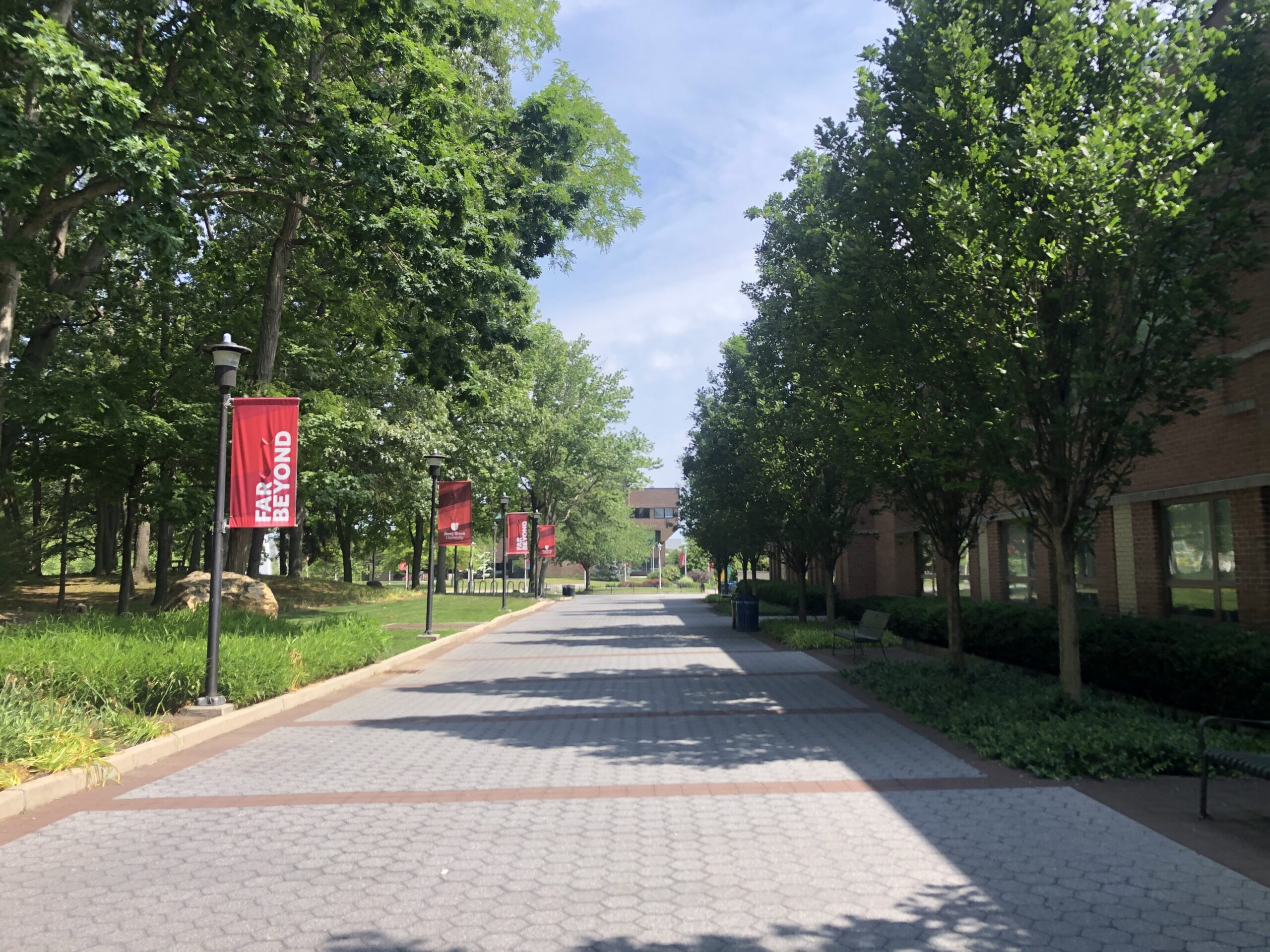
What is the Simons Summer Research Program?
The Simons Summer Research Program gives academically talented high school students six weeks of hands-on research in science, math or engineering at Stony Brook University (Simons Summer Research Program). Fellows join a faculty research group already at work, running experiments, analyzing data and taking on a question of their own, and finish by presenting a research poster. Mentors come from chemistry, computer science, geosciences, marine science, neurobiology and more than a dozen other departments, and prior research experience is not required.
| Detail | Simons 2027 |
|---|---|
| Host | Stony Brook University, Stony Brook, New York |
| Program dates | June 28 to August 6, 2027 |
| 2026 applications | 1,864 applications; 60 fellows selected |
| Eligibility | High school juniors; US citizens or permanent residents; at least 16 by the start of the program |
| Nomination | Required; each high school may nominate up to three juniors |
| Cost | No program fees or tuition; residential students pay housing and dining; $75 application fee |
| Deadlines | School nomination January 29, 2027; application February 5, 2027, 11:59 pm EST; recommendations February 12, 2027 |
| Decisions | Early April 2027 |
How selective is the Simons Summer Research Program?
Stony Brook says Simons is highly selective, with fewer than 5% of applicants admitted. Its own figures for 2026 were 1,864 applications and 60 fellows selected, which works out to 3.2% by our calculation. Stony Brook also reports that 10 Simons fellows were named 2026 Regeneron Science Talent Search scholars.
In the view of Oriel Admissions, the school nomination is the first and often the hardest hurdle, because a school with many interested juniors can put forward only three. Our guide to the most prestigious summer programs for high school students places Simons in Tier 1 alongside RSI, PROMYS, SSP, SUMaC and Clark Scholars.
How does the school nomination work?
Interested students must first be nominated by their high school; each school may nominate a maximum of three 11th graders, and independent, late or incomplete applications are disqualified (Simons Nomination). Each school sets its own process, which may be a lottery, first come first served, or an internal pre-application. Students should find their school’s nomination contact, usually a research coordinator, science teacher or guidance officer, well before the January 29, 2027 deadline. Schools not yet in the Simons contact list can establish a contact through the nomination form. Once a school submits a nomination, the student receives an invitation to apply within 48 hours.
What does the Simons application require?
The online application link is published on November 15, and the application must be completed in one sitting, since the form may time out after four hours (Simons Application Guidelines). A complete application includes:
- The online application, with brief responses of 300 words or fewer.
- A transcript or grade report uploaded as a PDF; unofficial copies are accepted.
- Two teacher recommendations, preferably in math or science, due February 12, 2027.
- A ranked choice of up to three mentors or research areas from the published mentor list.
- The school nomination and the $75 application fee, which can be waived for financial hardship.
Simons does not accept supplemental materials such as test scores, resumes or awards. AI tools may not be used to generate or rewrite application responses, though grammar and spelling checks are allowed. Contacting prospective mentors is not required and does not improve an applicant’s chances, and some labs may add a phone or in-person interview.
What does Simons cost?
There are no program fees or tuition. Residential participants pay for housing, dining and personal expenses, and commuters pay for their own transportation and meals (Simons FAQs). Fellows should expect to spend at least four hours a day with their faculty mentor or research group, and admitted students must show proof of medical insurance.
How does Simons compare with RSI and Clark Scholars?
| Program | Size or selectivity | Cost | 2027 deadline |
|---|---|---|---|
| Simons Summer Research Program | 60 of 1,864 applicants in 2026 (3.2%, by our calculation) | No tuition | February 5, 2027 |
| Research Science Institute (RSI) | Fewer than 2.5% of applicants; 150 places in 2027 | Free | December 11, 2026 |
| Clark Scholars Program | Twelve scholars | No program fees; $750 stipend | February 15, 2027 |
All three are free of tuition and built around mentored research. Simons is the only one of the three that requires a school nomination, and it lets local students commute. In the experience of Oriel Admissions, a junior interested in research should apply to RSI in December and to Simons and Clark in February, since one application cycle covers all three.
Frequently Asked Questions About the Simons Summer Research Program
Stony Brook says fewer than 5% of applicants are admitted. In 2026 it received 1,864 applications and selected 60 fellows, which is 3.2% by our calculation.
Yes. Each high school may nominate up to three 11th graders, and schools set their own process. The 2027 school nomination deadline is January 29, 2027, and applications from students who were not nominated are disqualified.
The application deadline is 11:59 pm EST on February 5, 2027, and teacher recommendations are due February 12, 2027. The application link is published on November 15, and decisions come in early April.
There are no program fees or tuition. Residential participants pay for housing and dining, commuters pay for their own transportation and meals, and the application fee is $75 unless waived.
High school juniors who are US citizens or permanent residents and will be at least 16 by the start of the program. There are no exceptions for sophomores or for students on visas.
No. Applicants must be US citizens or permanent residents, and admitted students must document their status.
No. Stony Brook says contacting prospective mentors is not required and does not increase the chance of admission. Applicants rank up to three mentors from the published list instead.
Both are tuition-free mentored research programs for juniors. RSI accepts fewer than 2.5% of applicants and needs no nomination, while Simons selected 60 of 1,864 applicants in 2026 and requires a school nomination. Oriel Admissions suggests applying to both when a student is eligible.
Sources: Simons Summer Research Program (Stony Brook University), Simons Application Guidelines, Simons Nomination, Simons FAQs. All read October 26, 2026.
About Oriel Admissions
Oriel Admissions is a Princeton-based college admissions consulting firm advising families nationwide on elite university admissions strategy. Our team brings deep expertise across every dimension of the application, and our distinctive 360 approach develops strategy, positioning, activities, essays, and interviews as one coherent whole. To discuss your family’s admissions strategy, schedule a consultation.