What is BC Carroll’s acceptance rate?
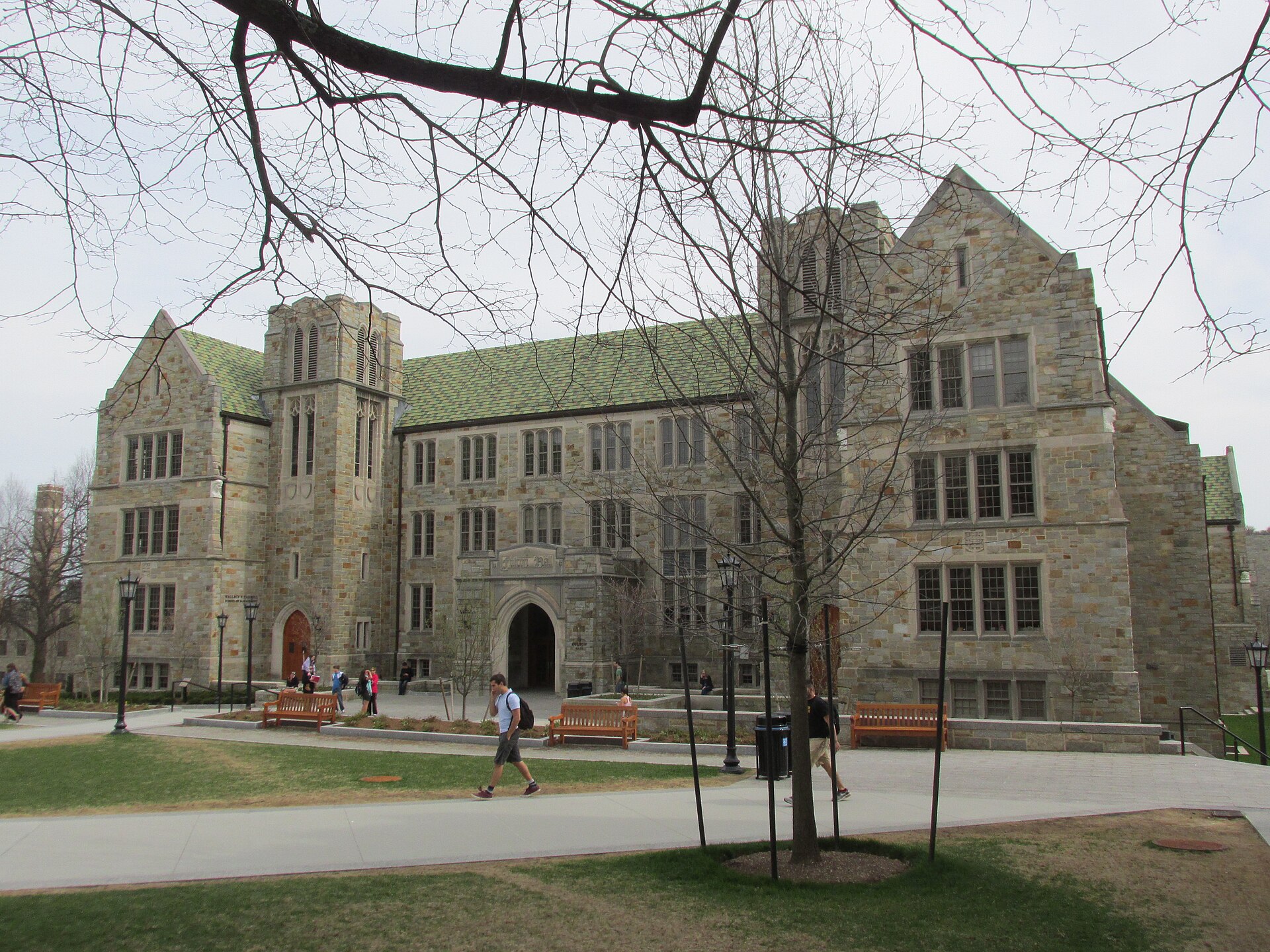
BC does not publish a standalone Carroll acceptance rate, but the university picture frames it. Boston College admitted 12.7% of a record 41,898 applicants for the Class of 2030, a 5.6% year-over-year increase in applications (BC Heights, April 2026). Because the Carroll School of Management admits first-years directly into a strong business-focused pool, its effective rate runs below the university figure. The Early Decision acceptance rate was approximately 29% from 4,934 applicants, far above the overall rate, and 95% of admitted students ranked in the top 10% of their class, with an average SAT of 1500 and ACT of 34. Families tracking Boston College’s acceptance rate should treat the university figure as a ceiling for Carroll.
| Metric | Boston College, Class of 2030 | Notes |
|---|---|---|
| Overall acceptance rate | 12.7% | Class of 2030 |
| Applications | 41,898 (record) | 5.6% increase year over year |
| Early Decision acceptance rate | ~29% | From 4,934 applicants |
| Admitted student profile | 95% top 10% of class | Avg SAT 1500, ACT 34 |
| Application platform | Not the Common App | |
How does admission to BC Carroll actually work?
The Carroll School of Management is a direct-admit undergraduate business school, meaning you apply to Carroll specifically rather than enrolling undeclared and transferring in later. Your file is evaluated within Carroll’s applicant pool. That structure shapes BC Carroll admissions strategy in two ways. First, you compete against other business-focused applicants, so a specific, credible interest in business is essential. Second, BC does not use the Common Application, so applicants must complete BC’s own application, an easy detail to overlook. Internal transfer into Carroll after enrolling elsewhere at BC is possible but competitive, so applying directly as a first-year is the cleanest path in. For the broader view, see our guide to Boston College’s acceptance rate and how to get into Boston College.
What does BC Carroll look for in applicants?
BC Carroll admissions readers are evaluating fit with a Jesuit university that emphasizes formation, service, and intellectual seriousness, alongside a rigorous business school. The strongest candidates show a specific, evidenced interest in business rather than generic ambition, real quantitative strength through demanding mathematics, and leadership with measurable outcomes. BC also values character, community contribution, and fit with its mission, so a student who connects authentic commercial curiosity to service and leadership stands out. Concrete evidence of what a student has built and cares about is far more compelling than asserted interest.
What GPA and test scores do you need for BC Carroll?
Admitted Carroll students sit at the top of BC’s academic band, where 95% of admitted students ranked in the top 10% of their high school class, with an average SAT of 1500 and ACT of 34. Competitive applicants generally present scores in or above those ranges alongside the most demanding available coursework, especially in mathematics, with near-straight-A grades. Because published ranges shift each cycle, confirm current figures in BC’s Common Data Set and on the NCES College Navigator profile rather than relying on older cutoffs.
Does applying Early Decision improve your chances at BC Carroll?
Early Decision is the strongest lever in BC Carroll admissions. Boston College’s Early Decision acceptance rate was approximately 29% for the Class of 2030, far above the overall 12.7%. A binding commitment signals the demonstrated interest BC weighs, and for a direct-admit school like Carroll it concentrates a candidacy in the most favorable round. The trade-off is real: Early Decision is binding and limits the ability to compare financial aid offers. Families confident in Carroll as a clear first choice, and comfortable with BC’s cost, benefit most from applying early, while those who need to weigh aid packages should think carefully before committing.
What makes a strong BC Carroll application essay?
BC requires its own supplemental essay, and Carroll applicants should make a focused case for studying business at Boston College. A strong BC Carroll admissions essay is specific and personal rather than a resume in prose. It connects the applicant’s identity, values, and interests to clear reasons for choosing Carroll and choosing business, ideally reflecting BC’s emphasis on purpose and service. Generic enthusiasm for a business education reads as filler. Detail about what a student has built, led, or analyzed earns a closer read. Because BC uses its own application and changes prompts yearly, confirm current essay requirements before drafting.
What are the most common mistakes in BC Carroll applications?
Several avoidable errors weaken otherwise strong files. The most common, specific to BC, is missing that BC does not use the Common Application and underpreparing for its own application and essay. A second is ignoring BC’s Jesuit, formation-centered character and writing essays that emphasize prestige over purpose. A third is underweighting the quantitative record for a business path. A fourth is skipping Early Decision when Carroll is a clear first choice, given the large Early Decision advantage. Avoiding these does not guarantee admission, but it removes the self-inflicted weaknesses behind many denials.
What is the BC Carroll application timeline?
BC offers Early Decision, typically due in early November, and Regular Decision, typically due around the start of January, all submitted through BC’s own application rather than the Common App. Early Decision is binding and carries a substantial statistical advantage. Because exact deadlines shift each year, confirm current dates on BC’s admissions site before building a plan. The work that matters most, rigorous coursework and a thoughtful BC-specific essay, should be well underway long before the deadline rather than assembled in the final weeks.
How does BC Carroll compare to other top undergraduate business programs?
Carroll sits among the strong direct-admit undergraduate business programs, distinguished by Boston College’s Jesuit identity, its emphasis on formation and service, and its strong regional and national recruiting, particularly in the Northeast. Its use of its own application and its large Early Decision advantage make timing and preparation especially consequential. In BC Carroll admissions terms, applicants comparing it to programs such as NYU Stern, Notre Dame Mendoza, and Georgetown McDonough should weigh culture, location, recruiting, and application logistics. For a side-by-side look, see our comparison of Wharton, Stern, Dyson, and Ross, our broader guide to applying to undergraduate business schools, and our ranking of the best colleges for business.
Frequently Asked Questions About BC Carroll Admissions
No. BC does not release a school-specific rate for Carroll, so any quoted figure is an estimate. The reliable approach is to treat BC’s overall rate of 12.7% as a ceiling and assume Carroll, a direct-admit business cohort, runs below it.
No. BC is one of the few selective universities that does not use the Common App; applicants must complete BC’s own application. This is an easy detail to overlook and should be built into the application plan early.
For full-pay families, Carroll’s value rests on its strong Northeast recruiting, its business curriculum, and BC’s network. BC is primarily need-based, so full-pay families should weigh outcomes and fit, and compare against programs that offer substantial merit aid if cost is the priority.
BC offers limited merit aid, with most aid being need-based, so admitted students should not assume merit money will offset cost. Families who need merit aid often find more generous packages at programs that compete on scholarship dollars.
Carroll places strongly into finance, consulting, and accounting, particularly across the Northeast, supported by BC’s network and recruiting relationships. Placement still depends on the student’s own networking and effort, but the program’s outcomes support competitive placement for those who engage.
For committed applicants, the case is strong: BC’s Early Decision rate of about 29% is more than double the overall rate. The decision should account for the binding commitment, which prevents comparing aid offers, so families needing to weigh aid should plan carefully.
Quite important. Carroll’s curriculum is analytically demanding, and admitted students typically take demanding mathematics, including calculus where available, and perform well. A strong quantitative transcript signals readiness and strengthens an application.
All three are strong Catholic-university business programs with deep Northeast recruiting. Carroll and McDonough admit business students directly, while Mendoza is entered after a shared first year. BC’s Jesuit formation, Notre Dame’s mission-driven culture, and Georgetown’s DC location each define a distinct experience. The right fit depends on culture, structure, and recruiting goals.
Sources: BC Carroll School of Management, Boston College Admission, NCES College Navigator, IPEDS, NACAC, College Board BigFuture.
About Oriel Admissions
Oriel Admissions is a Princeton-based college admissions consulting firm advising families nationwide on elite university admissions strategy, pairing each student with a dedicated team of counselors and coaches. To discuss your strategy, schedule a consultation.