What Is Wake Forest’s Acceptance Rate for the Class of 2030?
Wake Forest University’s Class of 2030 acceptance rate fell to approximately 18%, a record low for the Winston-Salem-based research university (Wake Forest University Office of Admissions press release, March 2026). The university received more than 21,000 applications for the Class of 2030, the largest applicant pool in Wake Forest’s history. The full Common Data Set publication, which discloses the exact admit count and demographic profile, will follow in fall 2026.
The 18% rate represents a meaningful tightening from the Class of 2029’s 20.4% rate. Wake Forest’s selectivity has roughly doubled over the past 15 years: the Class of 2014 was admitted at approximately 38%, and the Class of 2025 was admitted at 32% during the pandemic-driven application slowdown. Each subsequent cycle has produced steady tightening as application volume climbed from 13,071 (Class of 2021) to 21,000+ (Class of 2030). The number of admits has remained relatively stable at 3,600 to 4,100 per cycle, meaning rising application volume rather than reduced admit capacity has driven the tightening.
What Were Wake Forest’s Class of 2029 Admissions Numbers?
Wake Forest admitted 4,073 students from approximately 20,000 applicants for the Class of 2029, producing a 20.4% acceptance rate (Wake Forest University Common Data Set 2024-2025). This was down from 21.7% for the Class of 2028 and 22% for the Class of 2027. The yield rate, the percentage of admitted students who chose to enroll, has historically run at approximately 35% at Wake Forest, slightly below the average for peer Southeast research universities.
The Class of 2029 admitted student profile included a middle 50% SAT score range of 1410 to 1520 and a middle 50% ACT range of 32 to 34. Wake Forest’s first-year class is approximately 1,400 students, drawn from a national applicant pool with strong representation from the Mid-Atlantic and Southeast regions. International student representation in the admitted class typically runs at approximately 8 to 10%.
How Has Wake Forest’s Acceptance Rate Changed Over Time?
| Admissions Cycle | Overall Acceptance Rate |
|---|---|
| Class of 2030 | ~18% (record low) |
| Class of 2029 | ~20.4% |
| Class of 2028 | ~22% |
Approximate overall acceptance rates; the Class of 2030 reflects a record-high applicant pool exceeding 21,000. Sources informing this table: Wake Forest Office of Admissions, reported admissions data.
Wake Forest’s acceptance rate has tightened substantially over the past 15 years. The Class of 2021 admitted 27.6% of applicants from a pool of 13,071. By the Class of 2024, the rate had narrowed to 26.8% on a pool of 13,756. The Class of 2025 produced the highest rate in recent memory at 32%, an outlier driven by the pandemic-era reduction in cross-applications across selective universities. Since the Class of 2026, the rate has dropped each cycle: 21.7% (Class of 2028), 20.4% (Class of 2029), and approximately 18% (Class of 2030).
The trajectory places Wake Forest in a category of “rising selectivity” universities that have transitioned from regional Southeast schools to nationally competitive admissions over the past two decades. Peer schools on this trajectory include Wake Forest’s neighbors Davidson, Vanderbilt, and Emory, all of which have seen application surges and tightening admit rates as the national applicant pool consolidates around recognized brands.
How Does Wake Forest Early Decision Compare to Regular Decision?
Wake Forest stopped publishing Early Decision and Regular Decision breakdowns in its Common Data Set after the Class of 2025, limiting visibility into recent ED admit rates. The most recent publicly reported ED rate is 34.5% for the Class of 2024, representing 773 admits from 2,241 ED applicants. The Class of 2024 RD rate was 31.4%, representing 3,052 admits from 9,718 RD applicants.
Despite the absence of recent published data, the structural ED advantage at Wake Forest has historically been meaningful. ED applicants demonstrate the binding commitment that admissions offices reward with higher admit rates, and Wake Forest’s institutional yield rate calculations explicitly favor ED. For families confident that Wake Forest is the first-choice school, ED remains the strategically optimal application route. For broader strategic context, see our analysis of Early Decision versus Regular Decision acceptance rates across selective universities.
Did Wake Forest Reinstate SAT/ACT Testing Requirements?
No. Wake Forest remains test-optional for the Class of 2030 cycle. The university was one of the first top-tier institutions to adopt test-optional admission, in 2008, and it has kept that policy even as a number of highly selective universities returned to required testing for the Class of 2029 or Class of 2030 cycles. Submitting SAT or ACT scores to Wake Forest is a choice, not a requirement, and applicants who do not submit are not disadvantaged.
The admitted student SAT middle 50% range at Wake Forest is 1410 to 1520, with the ACT middle 50% range at 32 to 34. Competitive applicants targeting Wake Forest should score at or above the 75th percentile of these ranges (1520 SAT, 34 ACT). The institutional published score ranges are available through the NCES College Navigator.
How Does Wake Forest’s Acceptance Rate Compare to Peer Schools?
Wake Forest’s 18% Class of 2030 acceptance rate places it within range of peer Southeast and mid-Atlantic research universities. Vanderbilt admits at approximately 5.5%, Duke at approximately 5%, Emory at approximately 9%, and Davidson at approximately 14%. The University of Richmond and Boston College, both peer-tier institutions for many Wake Forest cross-applicants, admit at approximately 22% and 12% respectively.
Within this peer set, Wake Forest sits in the second tier of selectivity, more competitive than the University of Richmond or Tulane but less competitive than Vanderbilt, Duke, or Emory. For families weighing Wake Forest against alternatives, our overview of most competitive colleges 2026 provides comparative acceptance rate data across the top 50 universities.
What These Numbers Mean for Your Family’s Wake Forest Application
For families considering Wake Forest, the 18% Class of 2030 rate signals that the university now operates as a selective elite school rather than a regional Southeast option. Strategic implications: applications should be calibrated to the academic profile of admitted students (top 10% of high school class typical, 1500+ SAT typical), the application narrative should articulate specific intellectual interest in Wake Forest’s program structure rather than generic praise, and Early Decision should be considered seriously for families confident in their first choice.
Wake Forest’s institutional culture – smaller than Duke or Vanderbilt, with stronger faculty teaching emphasis – rewards applicants who articulate specific reasons for choosing the school. The supplemental essay prompt and the depth of demonstrated interest matter more than at larger peer institutions. Families considering Wake Forest as a target school rather than a safety should plan to invest in school-specific essay quality and engagement with admissions programming.
Frequently Asked Questions About Wake Forest Admissions
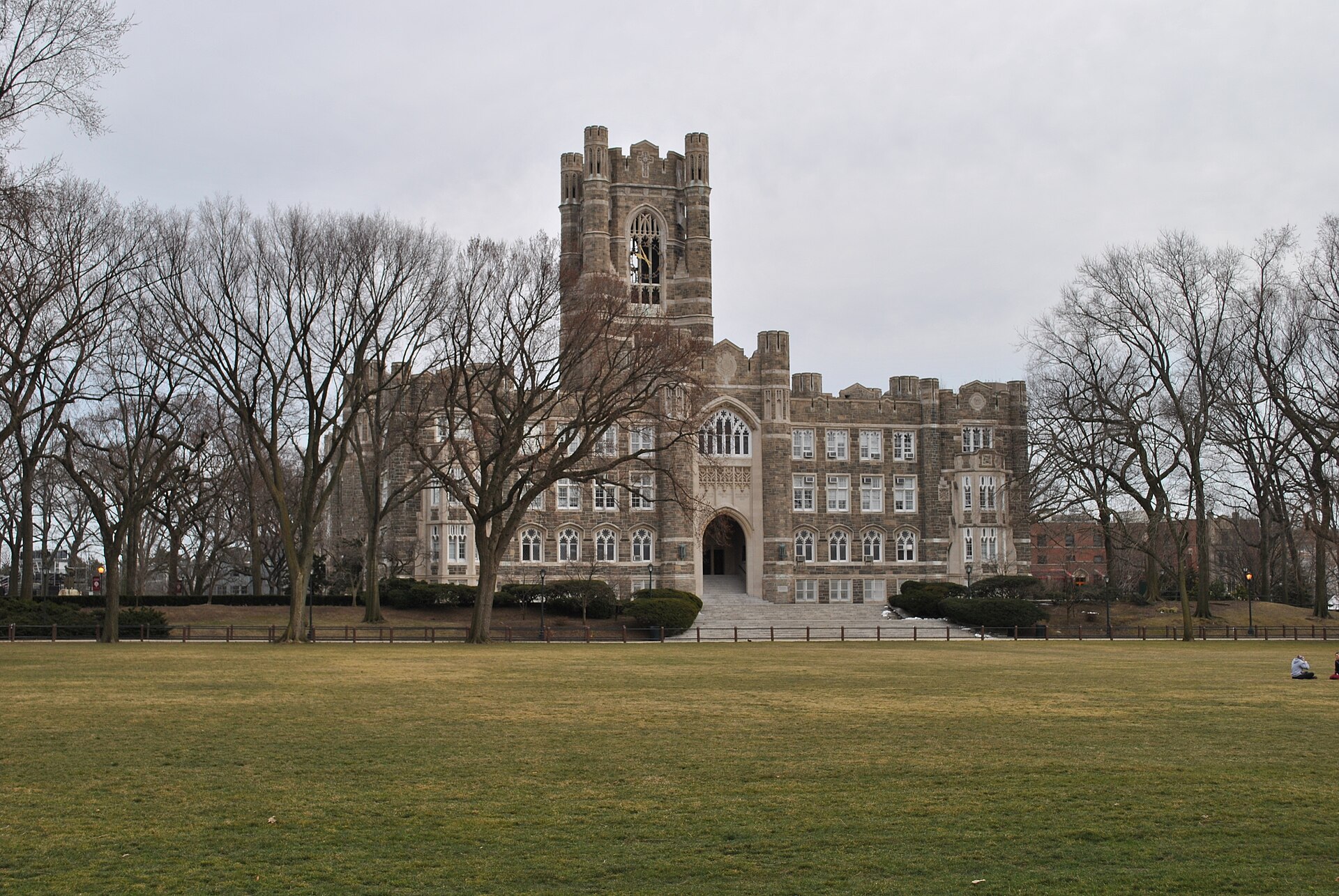
Wake Forest is in Winston-Salem, North Carolina, a mid-sized city in the central Piedmont region of the state. Its Reynolda campus features Georgian-style architecture on attractive, tree-filled grounds. The setting offers a traditional, contained campus in a manageable city, blending Southern character with access to the broader Research Triangle and Charlotte areas. Students get a defined residential community rather than a sprawling urban or rural environment.
Wake Forest is a private research university known for its strong focus on undergraduate teaching, captured in its ‘teacher-scholar’ ideal and small class sizes, along with respected programs in business, the sciences, pre-law, pre-med, and the liberal arts. Its motto, Pro Humanitate, reflects an emphasis on service and character. Among national universities it stands out for combining research resources with unusually close faculty attention to undergraduates.
No; Wake Forest is not part of the Ivy League, a specific athletic conference of eight Northeastern universities. It is a private research university that is highly regarded and selective, sometimes informally grouped with strong Southern schools, but it holds no Ivy membership. Families should evaluate it on its own strengths, such as undergraduate focus and outcomes, rather than on whether it carries an Ivy or ‘Southern Ivy’ label.
Yes; when scores are submitted, Wake Forest considers an applicant’s highest section results across multiple test dates to form the best composite, which rewards strategic retakes. The university has long been a leader in test-optional admission, so submitting scores is a choice rather than a requirement in many cycles. Applicants should confirm the current policy on its admissions site, but where scores are sent, the superscoring practice is to their benefit.
Yes; unlike the Ivy League, which gives need-based aid only, Wake Forest offers competitive merit-based scholarships, some covering substantial or full tuition, alongside need-based financial aid. Merit awards are selective and may require separate application or nomination. The availability of merit money distinguishes Wake Forest from need-based-only peers, so high-achieving applicants should research specific scholarship programs and their deadlines, since these can significantly reduce cost.
Wake Forest is relatively small for a research university, enrolling roughly 5,400 to 5,800 undergraduates, with a comparatively modest graduate population. The intimate undergraduate size supports small classes, close faculty access, and a strong teaching focus. Students who want the resources of a research university paired with the personal attention and tight-knit community more typical of a smaller college often find Wake Forest’s scale especially appealing.
Wake Forest is distinguished by its ‘teacher-scholar’ model that prioritizes faculty teaching undergraduates, its early and influential move to test-optional admission, and a culture shaped by the Pro Humanitate motto emphasizing service and ethical leadership. It blends research-university resources with a small-college feel. This combination of close mentorship, character emphasis, and academic rigor gives Wake Forest a recognizable identity distinct from larger, more impersonal national universities.
Wake Forest has been a longtime pioneer of test-optional admission, having dropped the SAT and ACT requirement well before many peers, allowing applicants to choose whether to submit scores. Policies can evolve year to year, so applicants should confirm the current requirement on its admissions site. Where strong scores are submitted they can help and are superscored, but a student may also apply competitively without standardized test results.
Sources: Wake Forest University Office of Admissions; Common Data Set; NCES College Navigator; IPEDS; NACAC, College Board BigFuture.
About Oriel Admissions
Oriel Admissions is a Princeton-based college admissions consulting firm advising families nationwide on elite university admissions strategy. Our team brings deep expertise across every dimension of the application, and our distinctive 360 approach develops strategy, positioning, activities, essays, and interviews as one coherent whole. We offer a complimentary 30-minute discovery call to discuss your family’s situation, evaluate fit, and outline next steps. Schedule your discovery call →