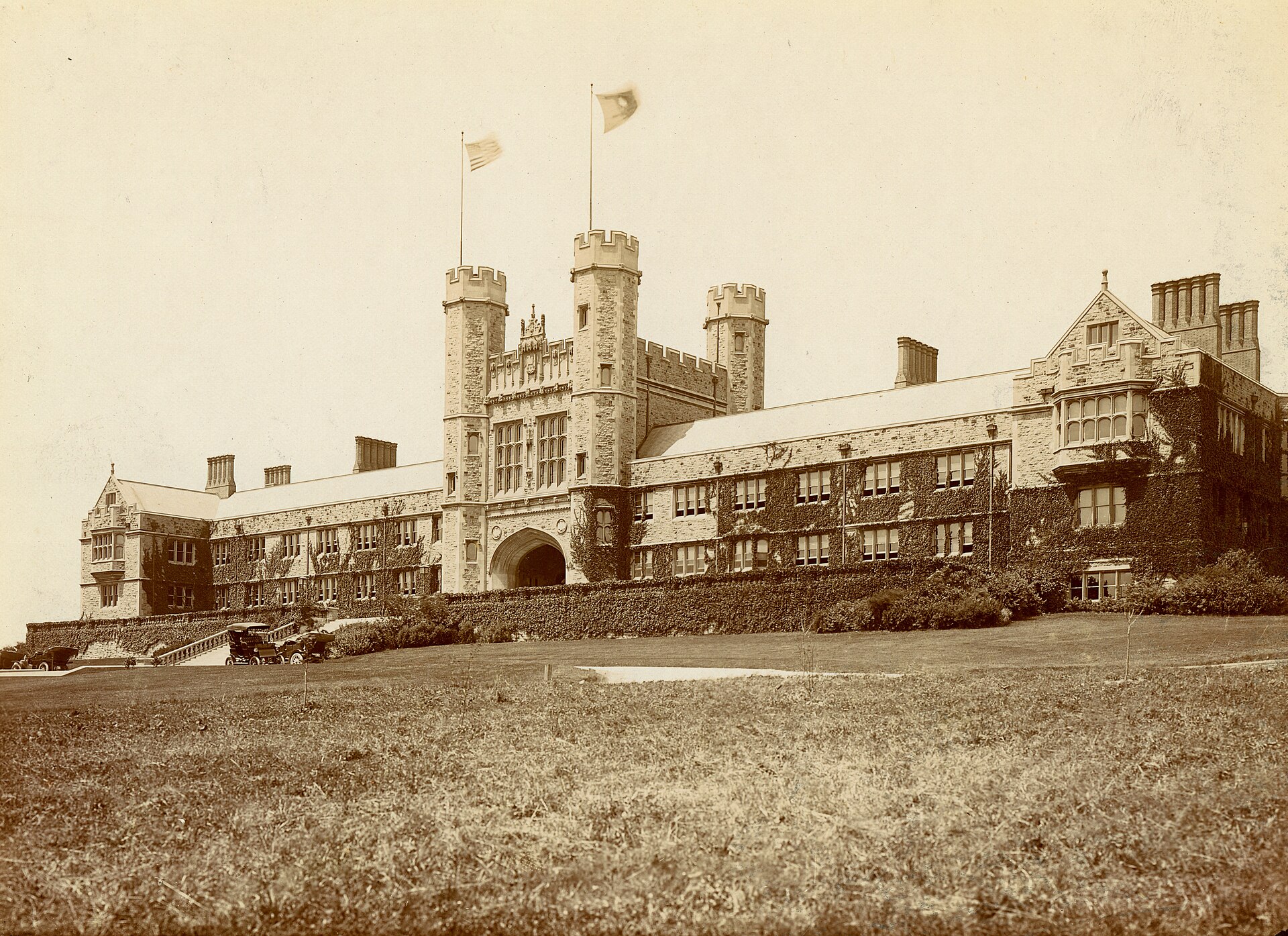
Washington University in St. Louis at a glance: Washington University in St. Louis is a private research university in St. Louis, Missouri, founded in 1853. It is best known for its top-ranked medical school, strong programs in the biological sciences, business, architecture, and art, and a collaborative, research-rich environment. Families weighing WashU against peer schools can schedule a consultation to build a targeted college list.
Source: Washington University in St. Louis (wustl.edu).
What Is Washington University in St. Louis Known For?
WashU is known, above all, for its strength in medicine and the biological sciences and for a collaborative, research-rich academic environment. Founded in 1853 and set on a striking campus at the edge of St. Louis, Washington University has built a national reputation across medicine, the sciences, business, architecture, and art. It is especially known for its top-ranked School of Medicine, outstanding biology and pre-health programs, the Olin Business School, and highly regarded design programs. For many families, WashU’s appeal lies in combining elite academics and deep research resources with a supportive, student-centered culture that emphasizes collaboration over competition.
What sets WashU apart is the way it pairs research strength with genuine attention to undergraduates. The university is known for flexible academics that let students explore across its schools, for strong advising, and for a culture that encourages interdisciplinary work. Its medical and scientific institutions provide research and clinical opportunities that few universities can match, while programs in architecture, art, and business give the campus notable breadth. WashU is also known for a welcoming, community-minded atmosphere. Prospective students are often drawn by the promise of top-tier academics and research combined with a collaborative environment and the flexibility to shape their own path.
Which Academic Programs Is WashU Best Known For?
Medicine and Pre-Med. WashU’s School of Medicine is consistently ranked among the best in the country, giving pre-health students exceptional research and clinical resources.
Business (Olin Business School). The Olin Business School is well regarded for finance, consulting, and analytics, with strong recruiting and a collaborative culture.
Biology and the Life Sciences. Strong programs in biology, neuroscience, and the life sciences, closely tied to the medical school, make WashU a top choice for aspiring scientists.
Architecture. The Sam Fox School’s architecture program is nationally regarded for its studio-based training and professional placement.
Art and Design. WashU is known for its art and design programs, which draw talented students and connect to the university’s broader creative community.
Engineering. The McKelvey School of Engineering offers respected programs in computer science, biomedical engineering, and applied fields.
| Category | What WashU Is Known For |
|---|---|
| Type | Private research university |
| Location | St. Louis, Missouri |
| Founded | 1853 |
| Best known for | Medicine, biology, business, and design |
| Signature schools | School of Medicine, Olin Business School, Sam Fox School of Design and Visual Arts |
| Academic style | Flexible, interdisciplinary, and collaborative |
| Campus life | Welcoming and research-rich, near Forest Park in St. Louis |
What Is WashU Known For Beyond the Classroom?
Beyond the classroom, WashU is known for a campus life defined by collaboration, service, and its distinctive St. Louis setting. Students take advantage of research and clinical opportunities at the university’s renowned medical center, and many engage in community programs across the city. Campus life features a broad mix of clubs, cultural and service organizations, Greek life, and Division III athletics, along with beloved traditions and a strong residential community. WashU is also known for its beautiful architecture and access to the cultural institutions of Forest Park. The combination of a research-rich environment, an engaged student body, and a welcoming campus gives student life a balanced, purposeful character.
What Is WashU’s Campus Culture Like?
WashU’s campus culture is known for being collaborative, friendly, and academically serious without being cutthroat. Students describe a supportive environment where working together is the norm and where strong advising helps them explore across disciplines. The university draws a diverse, national student body, and its flexible curriculum encourages students to combine interests across its schools. Pre-health and pre-professional students form a significant part of campus, but the culture values intellectual curiosity broadly. The setting near Forest Park and the wider St. Louis community offers both opportunity and a strong quality of life. The result is a culture that balances rigor, collaboration, and genuine warmth.
What Career Outcomes Is WashU Known For?
WashU is known for strong outcomes in medicine, science, business, and design. Its pre-med students benefit from access to a top medical center and research resources, and the university has an excellent record of placing graduates into leading medical and graduate programs. Olin Business School graduates move into consulting, finance, and corporate roles, while architecture and art students enter strong professional pipelines. The university’s research reputation and alumni network open doors across healthcare, industry, academia, and the professions. Science and engineering graduates also fare well in research and technology roles. For families focused on careers in health, science, or business, WashU’s outcomes are highly compelling.
What Type of Student Thrives at WashU?
The students who thrive at WashU tend to be curious, collaborative, and open to exploring across disciplines. They value close faculty relationships, research or clinical opportunities, and a supportive environment rather than a competitive one. Strong candidates typically show excellence in demanding coursework, genuine intellectual interests, and qualities that fit a community built on collaboration. Many are drawn to WashU’s strengths in medicine, science, business, or design, but the university values breadth and flexibility. It looks for students who will take advantage of its resources and contribute to its welcoming culture. Applicants who convey authentic curiosity and clear fit tend to stand out.
If WashU’s strengths line up with your goals, the next step is turning interest into a plan. Our college admissions timeline, along with How to Get Into WashU Olin, Washington University in St. Louis Supplemental Essays Strategy: Prompts, Approach, and Strategy for 2025-2026, and Johns Hopkins vs WashU Pre-Med, can help you map testing, activities, and essays around a WashU-level target.
How Does WashU Compare to Its Peers?
Compared to its peers, WashU stands out for its research strength, its top medical school, and its collaborative, flexible undergraduate experience. It competes for students with schools such as Duke, Vanderbilt, Emory, and the Ivy League, but it distinguishes itself through the breadth of its strong programs and a culture that emphasizes collaboration over competition. Where some peers are known for a particular regional identity or a single dominant strength, WashU is respected across medicine, the sciences, business, architecture, and art. Its student-centered flexibility is a notable draw. For students weighing similar universities, the deciding factor is often whether WashU’s supportive, interdisciplinary environment fits their goals.
Related reading: As you weigh where WashU fits among your options, see our guide on how to build a college list and use the College List Builder to sort your targets into reach, match, and safety schools.
Frequently Asked Questions About WashU
Yes, especially for students interested in medicine, science, business, or design. Its research resources, top medical school, and collaborative culture offer strong long-term value for ambitious students.
WashU is best known for its top-ranked medical school and biological sciences, along with the Olin Business School and respected architecture and art programs. Its flexible, interdisciplinary curriculum is a defining feature.
Admission is highly competitive. Successful applicants generally present strong grades in demanding courses, genuine intellectual interests, and qualities that fit the university’s collaborative environment.
WashU is an excellent pre-med choice. Access to a top medical center, strong science programs, and faculty mentorship give students research and clinical exposure and a strong record of medical-school placement.
Olin is a well-regarded business school with strong recruiting in consulting, finance, and analytics. Its collaborative culture and small size give students close faculty access and meaningful opportunities.
All three are strong private research universities. WashU distinguishes itself through its top medical school, its breadth across the sciences and design, and a culture that emphasizes collaboration and flexibility.
WashU fits curious, collaborative students who value exploring across disciplines and working closely with faculty. The strongest candidates are academically excellent and drawn to a supportive, research-rich environment.
A strong application highlights academic excellence, intellectual curiosity, and genuine fit with WashU’s collaborative, interdisciplinary culture. Demonstrating specific interest in its programs is more persuasive than generic praise.
Sources: Washington University in St. Louis, WashU School of Medicine, Olin Business School, NCES College Navigator, College Board BigFuture, College Scorecard.
About Oriel Admissions
Oriel Admissions is a Princeton-based college admissions consulting firm advising families nationwide on elite university admissions strategy. Our strength is a deeply experienced team and a distinctive 360 approach that treats every part of the application – academics, testing, activities, essays, and interviews – as one connected strategy. To discuss your strategy, schedule a consultation.