What are the acceptance rates at Michigan and UVA for the Class of 2030?
Michigan has not released final Class of 2030 admit counts or in-state/out-of-state breakdowns. The university received a record 115,125 applications for the Class of 2030 (University of Michigan Office of Undergraduate Admissions). The Class of 2029 had an overall acceptance rate of 16.4%, with 17,915 admits from 109,112 applications (Common Data Set 2024-2025). UVA admitted 22% of in-state applicants and 10% of out-of-state applicants for the Class of 2030, with 10,287 total offers from 82,118 applications. In-state: 4,317 offers from 19,964 applications. Out-of-state: 5,970 offers from 62,154 applications (UVA News and The Cavalier Daily, March 2026). Both schools are subject to state-mandated in-state preferences: Michigan's in-state enrollment target is approximately 49% of each class; UVA's in-state target is approximately 67%.
| School | In-State Admit Rate | Out-of-State Admit Rate | Applications | Admitted | Yield |
|---|---|---|---|---|---|
| Michigan | 16.4%* | TBD | 109,112* | 17,915* | ~52% |
| UVA | 22% | 10% | 82,118 | 10,287 | ~45% |
The structural difference matters for application strategy: a Virginia resident applying to UVA faces meaningfully more accessible odds (24%) than a Michigan resident applying to Michigan (17%); an out-of-state applicant faces similar selectivity at both schools (13-14%).
How do early application options differ at Michigan and UVA?
Michigan offers Early Action (non-binding, non-restrictive) with a November 1 deadline. Michigan EA admit rate runs approximately 25-30% for in-state and 18-22% for out-of-state, compared to 17%/13% for Regular Decision (University of Michigan Office of Undergraduate Admissions). UVA offers both Early Action (non-binding, non-restrictive) with a November 1 deadline and Early Decision (binding) with a November 1 deadline. UVA EA admit rate runs approximately 28-32% for in-state and 20-24% for out-of-state; UVA ED admit rate runs approximately 35% for in-state and 25-30% for out-of-state (UVA Office of Undergraduate Admissions). For out-of-state applicants, UVA ED provides the strongest selectivity advantage of any application option at either school. Michigan EA is non-restrictive, meaning applicants can apply EA to Michigan AND ED to a private school AND REA to HYPS in the same cycle – an extremely flexible early-application option.
What does cost-of-attendance look like for in-state and out-of-state students?
Michigan's 2025-2026 cost-of-attendance is approximately $38,000 for in-state and approximately $82,000 for out-of-state and international students. UVA's 2025-2026 cost-of-attendance is approximately $43,000 for in-state and approximately $82,000 for out-of-state and international students. For in-state residents at either school, the cost is dramatically lower than at private peer institutions and represents one of the strongest values in elite higher education. Michigan and UVA both meet 100% of demonstrated financial need for in-state residents through the Go Blue Guarantee (Michigan, full tuition for families under $75K) and AccessUVA (UVA, full tuition and fees for in-state families under $100K). For out-of-state and international students, both schools offer limited need-based aid; UVA AccessUVA extends to out-of-state but with smaller average grants, while Michigan's out-of-state aid is need-aware. For higher-income out-of-state families ($200K-$400K HHI), both schools typically expect full pay or near-full pay.
| Cost & Aid Dimension | University of Michigan | University of Virginia |
|---|---|---|
| In-state tuition & fees (2025-26) | ~$19,015 | ~$23,897 |
| In-state total COA (2025-26) | ~$38,000 | ~$43,000 |
| Out-of-state tuition & fees (2025-26) | ~$63,000-66,000 | ~$59,000-63,000 |
| Out-of-state total COA (2025-26) | ~$82,000 | ~$81,000-83,000 |
| Signature in-state aid program | Go Blue Guarantee (full tuition for families <$75K income) | AccessUVA (full tuition & fees for VA families <$100K; full COA for <$50K) |
| Meets 100% demonstrated need | In-state yes; out-of-state limited | Yes for both in-state and out-of-state (one of only two public universities) |
| % students receiving institutional aid | ~54% | ~49% |
| Avg aid award | ~$25,050 | ~$24,949 |
| Application deadline for aid | FAFSA + CSS Profile by March 31 | FAFSA + CSS Profile by March 1 |
Which school has stronger programs in business, engineering, and the humanities?
For undergraduate business, Michigan's Ross School of Business is significantly stronger than UVA's McIntire School of Commerce, with Ross widely regarded as a top-five undergraduate business program nationally and McIntire ranked top-15. However, McIntire is a junior-and-senior-year program (admission to the McIntire School happens at the end of sophomore year through internal application), creating a different applicant strategy than Ross's direct freshman admission. For engineering, Michigan's College of Engineering is significantly stronger than UVA's, with Michigan ranking top-five nationally in nearly every engineering subdiscipline (mechanical, electrical, computer, aerospace, biomedical, civil, materials, nuclear). UVA Engineering is solid but operates at smaller scale. For humanities and government, UVA has the stronger tradition: UVA Government, UVA History, UVA English, and UVA Politics produce strong outcomes in law school, federal government, and academia, supported by the Jefferson Scholars Program and the unique Honor System. Michigan's humanities are competitive but operate as part of a larger and more research-focused university.
How do campus culture and student life compare?
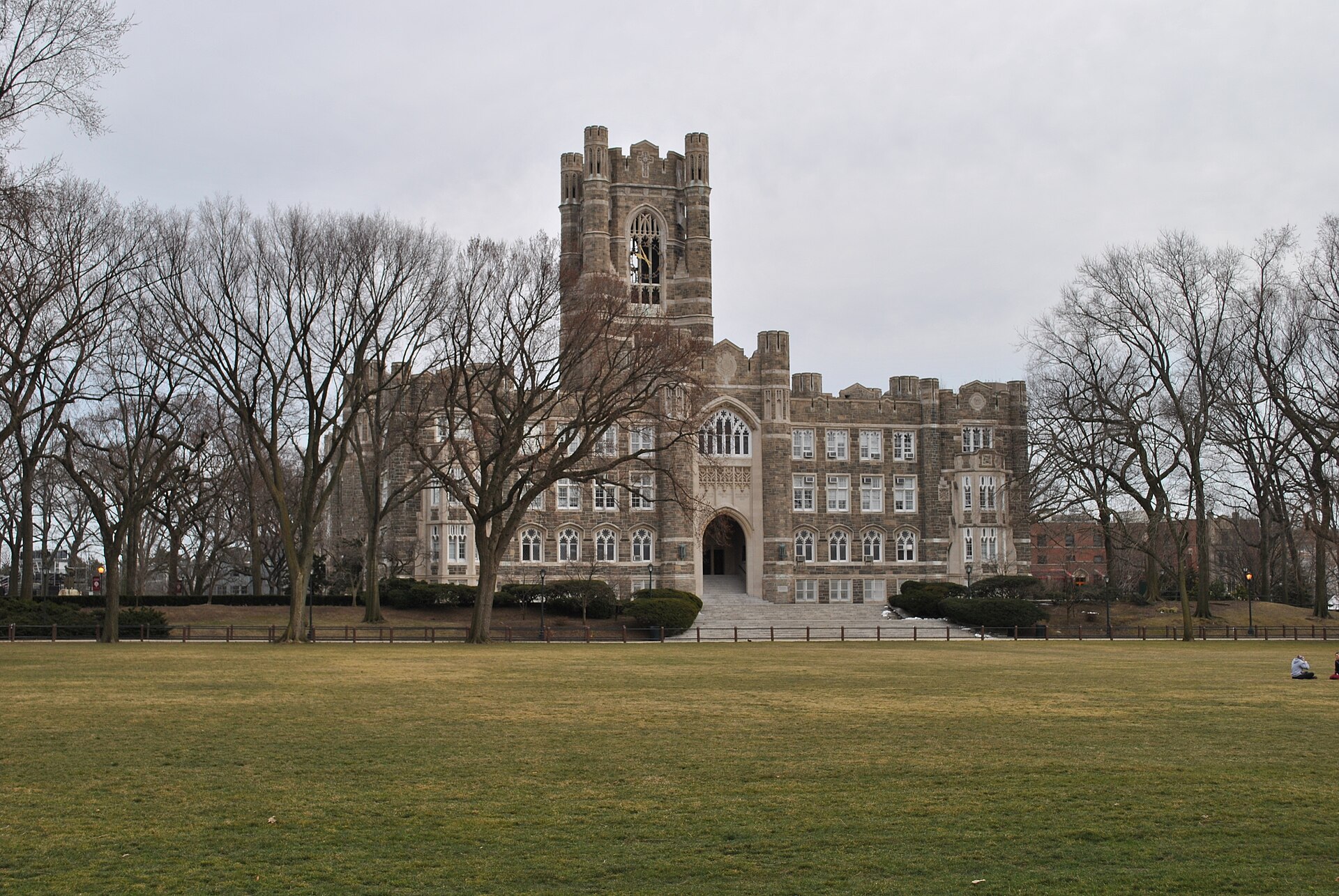
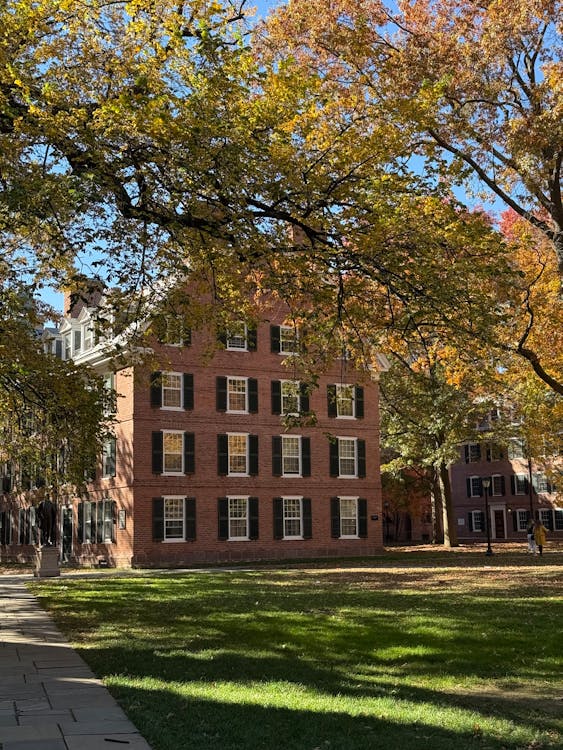
Michigan's campus is in Ann Arbor, Michigan, a college town of approximately 124,000 residents 45 miles west of Detroit. The campus is large (approximately 33,000 undergraduates plus 18,000 graduate students), spread across Central Campus, North Campus, and Medical Campus, with extensive university-owned facilities including the Big House (Michigan Stadium, capacity approximately 107,600). Athletic culture is central to identity through Michigan Football, Michigan Basketball, and Big Ten conference rivalries. Greek life is significant (~17% of undergraduates). UVA's campus is in Charlottesville, Virginia, a smaller city of approximately 47,000 residents 100 miles southwest of Washington DC. UVA enrolls approximately 17,500 undergraduates, half the size of Michigan. UVA's campus centers on Thomas Jefferson's Academical Village (UNESCO World Heritage Site), and the institutional culture emphasizes the Honor System (a single-sanction student-run honor code), the Lawn (residential housing for selected fourth-year students), and ACC athletic conference identity through UVA Football and UVA Basketball. Greek life is also significant at UVA (~30% of undergraduates).
Where do Michigan and UVA graduates work after graduation?
For investment banking and consulting, both schools place strongly into bulge-bracket banks (Goldman Sachs, JPMorgan, Morgan Stanley) and MBB consulting firms. Michigan Ross has the stronger pipeline into Chicago-area investment banks and Midwest consulting; UVA McIntire has the stronger pipeline into New York banks (especially boutique investment banks) and Washington DC consulting. For technology, Michigan Engineering and Michigan CSE produce strong placement into FAANG, semiconductor companies, and quantitative firms; UVA Engineering produces solid placement at lower volume. For law school placement, UVA is stronger: UVA Law itself is top-10, and UVA undergraduates feed into top law schools (Harvard, Yale, Stanford, Columbia, Chicago) at high rates. For medical school placement, both schools are competitive with strong premedical advising. For federal government and policy careers, UVA's Washington DC pipeline is denser; for diverse industry careers across the Midwest and nationally, Michigan's broader alumni network is denser (NACAC career outcomes data).
What is the alumni network and brand strength of each?
Michigan has approximately 645,000 living alumni – the largest alumni network of any university outside Penn State, Texas A&M, and Ohio State. Michigan alumni are densely concentrated in Detroit, Chicago, New York, San Francisco, and Washington DC, with strong representation in finance, automotive, healthcare, and technology. UVA has approximately 240,000 living alumni – smaller in absolute terms but disproportionately concentrated in Washington DC, New York, Charlotte, and Atlanta with strong representation in law, government, finance, and consulting. The Michigan brand carries broader recognition across industries and geographies; the UVA brand carries deeper recognition in legal, government, and finance circles in the Eastern United States. Both are recognized as "Public Ivies" alongside Berkeley, UCLA, UNC, and William and Mary, with comparable selectivity and academic prestige to mid-tier private universities.
What admission strategy works at each school?
For Michigan, effective applications combine strong academic credentials (35+ ACT, 1480+ SAT, top 10% class rank for out-of-state), demonstrated leadership and impact in extracurricular activities, and substantive supplemental essays addressing why Michigan and the specific college (LSA, Engineering, Ross, etc.). Michigan EA is non-binding and non-restrictive, providing a meaningful selectivity boost without locking in commitment. Direct admission to Ross is highly competitive and requires separate Ross supplemental essays. For UVA, effective applications combine strong academics (1450+ SAT, top 10% class rank for out-of-state), demonstrated commitment to the UVA Honor System and community values, and supplemental essays demonstrating fit with Mr. Jefferson's vision of student self-governance. UVA ED provides the strongest selectivity advantage of any application option at either school for out-of-state applicants, particularly for applicants targeting McIntire (admission requires waiting until end of sophomore year for school-specific application).
Frequently Asked Questions About Michigan vs UVA Admissions
The University of Michigan sits in Ann Arbor, a classic Midwestern college town roughly 45 minutes west of Detroit. The University of Virginia is in Charlottesville, a historic town in central Virginia near the Blue Ridge Mountains, about two hours from Washington, D.C. Both are flagship public universities anchoring vibrant college towns rather than major-city campuses.
Yes; both are frequently named among the ‘public Ivies,’ a label for top public universities offering an education comparable in quality to the Ivy League. Each consistently ranks among the very best public national universities. The term is informal and not an official designation, but it reflects the strong academics, selectivity, and reputation that make Michigan and UVA standout choices among public flagships nationwide.
Both generally consider an applicant’s highest section scores across test dates when scores are submitted, which benefits applicants aiming to present their strongest profile, and both have used test-optional or test-flexible policies in recent cycles. Because testing and superscore policies shift between cycles, confirm the current rules on each school’s admissions site, especially for the more competitive out-of-state applicant pool at each university.
Both offer limited, competitive merit scholarships, but out-of-state tuition is high at each and most aid is need-based, so non-resident families should generally budget for the full out-of-state cost unless they win a competitive award. UVA is notable for strong need-based aid commitments, including for some out-of-state students. Families should research each school’s specific scholarship and aid policies early, since merit aid for non-residents is competitive.
Michigan is a large public research university known for strength across engineering, business (Ross), the sciences, medicine, and the social sciences, plus a powerhouse athletics program and enormous, loyal alumni network. It is one of the country’s top research universities. Among public flagships it stands out for breadth, research output, and the scale and spirit of a major Big Ten institution.
UVA, founded by Thomas Jefferson, is known for strong programs in business (McIntire), law, the humanities, and the sciences, a distinctive student-run Honor System, and a strong sense of tradition and self-governance. Its historic Academical Village is a UNESCO World Heritage Site. Among public universities it stands out for combining academic rigor with a unique culture of student honor and a graduate outcomes record rivaling private peers.
Michigan is considerably larger, enrolling roughly 33,000 undergraduates and over 50,000 students total, making it one of the bigger universities in the country. UVA is mid-sized for a flagship, with around 17,000 undergraduates. The size difference shapes the experience: Michigan offers vast breadth and big-university energy, while UVA’s smaller scale can feel more intimate, so applicants should weigh which environment fits them.
Both rank near the top of public national universities, with UVA often placing among the top three or so public schools and Michigan consistently in the top handful as well. Rankings shift yearly and vary by methodology, so they are one data point rather than a verdict. For fit, the strength of your specific intended program at each school matters more than small differences in overall ranking.
Sources: University of Michigan Office of Undergraduate Admissions; UVA Office of Undergraduate Admission; Common Data Set; NCES College Navigator; IPEDS; College Board BigFuture; NACAC.
About Oriel Admissions
Oriel Admissions is a Princeton-based college admissions consulting firm advising families nationwide on elite university admissions strategy. Our team brings deep expertise across every dimension of the application, and our distinctive 360 approach develops strategy, positioning, activities, essays, and interviews as one coherent whole. We offer a complimentary 30-minute discovery call to discuss your family’s situation, evaluate fit, and outline next steps. Schedule your discovery call →