TL;DR: The Columbia transfer acceptance rate has run roughly 10 to 15% in recent documented cycles, with 329 to 448 offers against pools near 3,000 to 3,300, which makes Columbia one of the two most transfer friendly members of the Ivy League alongside Cornell. The deadline is March 1 for fall entry into Columbia College or Columbia Engineering, and Columbia’s door has a second distinctive feature: the School of General Studies runs a separate, larger admission path for nontraditional students whose education included a break, so the right Columbia application depends on your history. Community college transfers do genuinely well here, the Core Curriculum gives every transfer essay its natural subject, and the strongest files pair a ceiling level college record with a case for why the Core and New York are the education you have been building toward.
Sources: Columbia transfer admissions guidance; reported cycle figures.
The Widest Ivy Transfer Door, and Why It Exists
Columbia admits transfers at several times the volume of Yale, Princeton, or Dartmouth, 329 to 448 offers across recent documented cycles, because Columbia plans for them: the university maintains genuine transfer capacity rather than filling only attrition seats, and its history of welcoming community college students into Columbia College is real rather than rhetorical. At roughly 10 to 15% the gate is still selective, but it is the one Ivy transfer bid where the arithmetic resembles a hard reach instead of a lottery, which changes how a serious candidate should allocate effort: at Columbia, the marginal hour spent perfecting the file has actual expected value.
Columbia Transfer: Two Doors, One Deadline
| Component | Columbia’s Rule | Note |
|---|---|---|
| Application deadline | March 1 | Fall entry, Columbia College and Columbia Engineering |
| Typical pool | About 3,000 to 3,300 applicants | 329 to 448 offers in recent cycles |
| Rate | Roughly 10 to 15% | Among the most transfer friendly Ivies |
| Nontraditional path | School of General Studies | Separate, larger admission for interrupted educations |
| Community college applicants | A genuine Columbia strength | Strong records transfer well into the College |
| Core materials | College transcript, college report, instructor recommendations, essays | The college record leads |
The General Studies distinction matters enough to state plainly: a student who took time away, served in the military, or followed a nontraditional path applies to GS, a full Columbia degree with its own admission process, while the continuous student applies to the College or Engineering through the March 1 transfer round. Filing into the wrong door is the most common unforced error in Columbia transfer planning. Note the platform too: Columbia’s transfer application runs through the Coalition Application with Columbia’s own supplement. The eight school comparison sits in our Ivy League transfer acceptance rates guide.
Writing Toward the Core
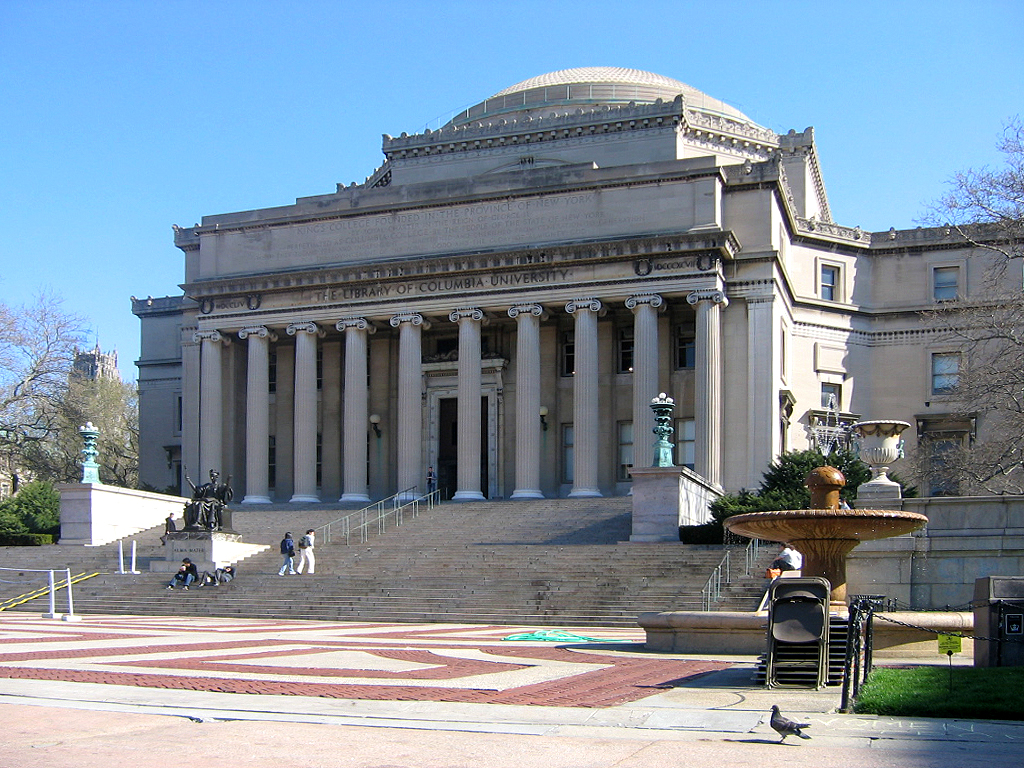
Every Columbia transfer essay has the same natural engine, and most applicants underuse it: the Core Curriculum is a concrete, nameable academic reason to move that no other elite school can replicate, and a candidate who can talk about Contemporary Civilization or Literature Humanities with specific appetite, connecting the Core’s texts to work already done at the first school, sounds like a Columbia student before the decision. Around that center, the winning file shows a top record in demanding courses, professors who write from real acquaintance, engagement that will survive transplanting to Morningside Heights, and an honest account of why New York is infrastructure for your plans rather than scenery. Pair the Columbia bid with Cornell’s even wider door and the odds across a two school Ivy transfer strategy become genuinely playable.
Frequently Asked Questions About the Columbia Transfer Process
Roughly 10 to 15% in recent documented cycles, with 329 to 448 offers against pools near 3,000 to 3,300, among the most transfer friendly numbers in the Ivy League. Columbia plans real transfer capacity rather than filling only attrition seats, which is why its volume runs several times Yale’s or Princeton’s.
March 1 for fall entry into Columbia College or Columbia Engineering, one cycle per year. The file centers on the college transcript, a college report, and instructor recommendations, so the spring semester in progress still carries weight.
It depends on your history: continuous students apply to the College or Engineering through the March 1 transfer round, while students whose education included a break, including veterans and other nontraditional paths, apply to the School of General Studies, a full Columbia degree with its own larger admission process. Filing into the wrong door is the most common unforced error.
Yes, genuinely: Columbia’s history of admitting strong community college records into the College is real practice rather than marketing, and a ceiling level community college transcript with honors coursework competes well in this pool. The Core Curriculum essay is where those candidates most often win the file.
The Core Curriculum, specifically: naming what Contemporary Civilization or Literature Humanities would do for work you have already started is the academic reason no other school can replicate, and it makes the move read as designed rather than opportunistic. Around it, show why New York functions as infrastructure for your plans rather than backdrop.
Sources: Columbia Transfer Admissions, Coalition for College, NCES College Navigator, IPEDS, NACAC
About Oriel Admissions
Oriel Admissions is a Princeton-based college admissions consulting firm advising families nationwide on elite university admissions strategy. Our strength is a deeply experienced team and a distinctive 360 approach that treats every part of the application – academics, testing, activities, essays, and interviews – as one connected strategy. To discuss your strategy, schedule a consultation.