What Makes a College One of the Best Colleges for Environmental Science?
Environmental science is learned outdoors as much as in the classroom, so the best colleges for environmental science combine strong science with fieldwork, field stations, and real projects. The programs also differ in emphasis: some are built on biology, chemistry, and earth science, others on policy and the social sciences. Five things separate the strongest ones.
- Field stations and reserves. Harvard Forest, Virginia’s Blandy Experimental Farm, SUNY ESF’s Cranberry Lake station, and the Duke Marine Lab give students places to do real fieldwork.
- Required internships or practicums. Stanford, UC Davis, Washington, and College of the Atlantic require an internship, and UCLA runs a yearlong practicum for real clients.
- A thesis or capstone. Berkeley requires a year-long senior thesis, Brown requires a senior capstone, and Yale requires a senior essay or two terms of research.
- The right balance of science and policy. Brown, UNC, Yale, and Emory offer separate science and studies degrees, so students can choose how much laboratory science they want.
- Funded summer research. Harvard Forest pays summer research students, and Princeton placed 104 students in environmental internships in 2025.
Which Colleges Are Best for Environmental Science?
The table below lists the best colleges for environmental science and environmental studies with the degree each one offers, named the way the university names it, and one concrete feature taken from its own pages. Schools are grouped by type and selectivity, and each linked school name leads to our analysis of its acceptance rate or admissions.
| University | Undergraduate degree | What stands out for undergraduates | Selectivity |
|---|---|---|---|
| Stanford University | Earth Systems, BS (Doerr School of Sustainability) | Every Earth Systems student completes a 270-hour internship; the program dates to 1992 | Most selective |
| Yale University | Environmental Studies, BA or BS | BA students write a one-term senior essay; BS students complete two terms of senior research | Most selective |
| Duke University | Environmental Sciences and Policy, AB; Environmental Sciences, BS; Earth and Climate Sciences; Marine Science and Conservation | Undergraduates can spend a summer, fall, or spring semester at the Duke Marine Lab in Beaufort, North Carolina | Most selective |
| Columbia University | Sustainable Development; Climate and Sustainability (majors) | Sustainable Development requires at least 15 courses and a practicum, about 47 points, plus a capstone workshop | Most selective |
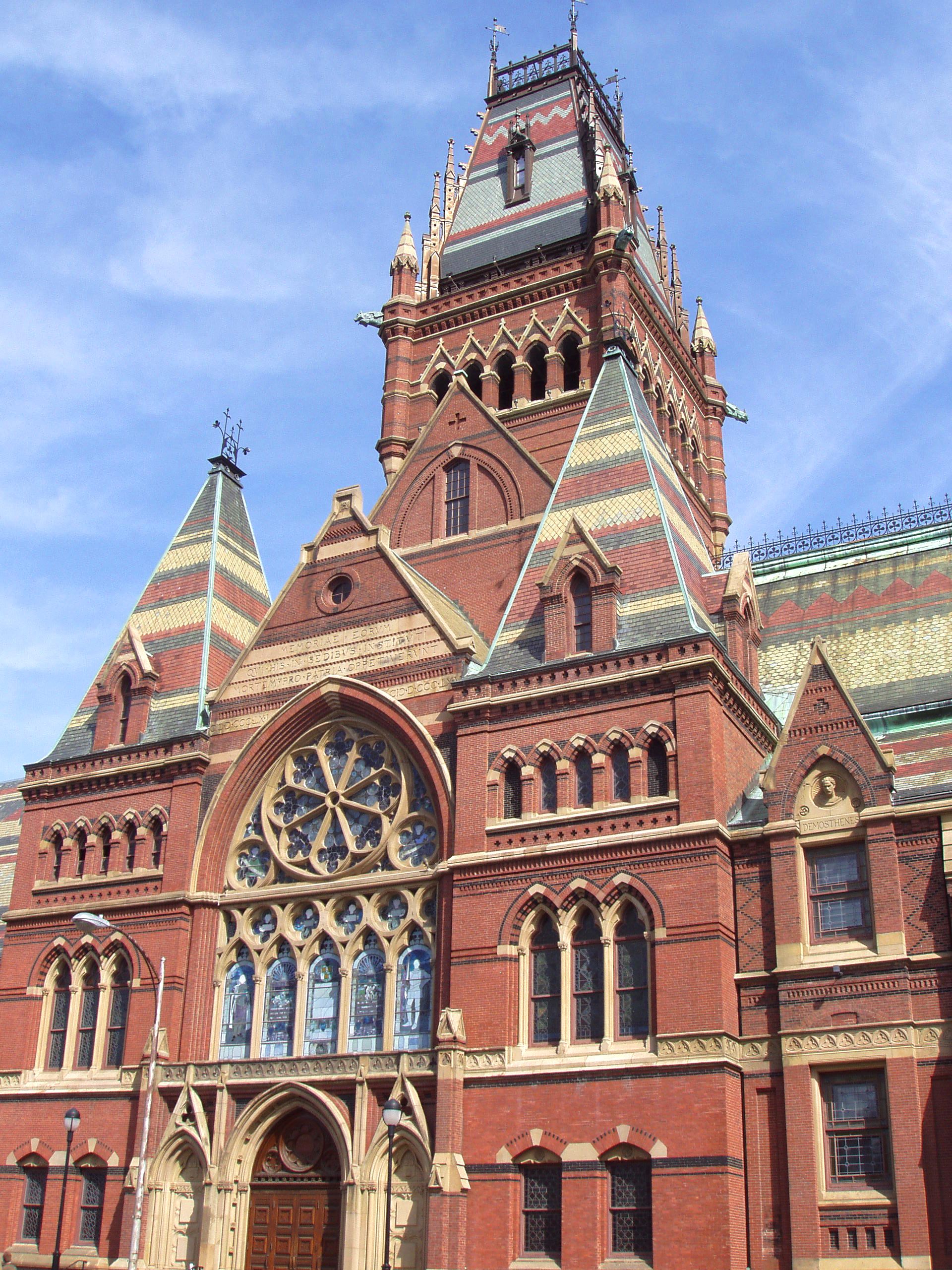
| Harvard University | Environmental Science and Public Policy concentration | Honors requires a two-semester senior thesis; the 4,000-acre Harvard Forest runs an 11-week summer research program | Most selective |
| Princeton University | Environmental Studies minor | 104 students from 17 departments took High Meadows Environmental Institute summer internships in 2025 | Most selective |
| Cornell University | Environment and Sustainability, BS or BA | Offered in two colleges, with a required field or engaged experience course and a capstone for juniors and seniors | Most selective |
| Dartmouth College | Environmental Studies major | The culminating experience can be a course tied to the Africa Foreign Study Program in Namibia, or honors research | Most selective |
| Brown University | Environmental Studies, AB; Environmental Science, ScB | Every senior completes a capstone: a course, an independent research project, or a two-semester honors thesis | Most selective |
| Northwestern University | Environmental Sciences major; Environmental Policy and Culture adjunct major | The 11-credit Environmental Policy and Culture adjunct major requires an approved field experience | Most selective |
| Emory University | Environmental Sciences, BA or BS (four BS tracks) | A research course sequence can start in the first or second year | Highly selective |
| UC Berkeley | Environmental Sciences major (Rausser College of Natural Resources) | Every major finishes with a year-long senior thesis built on a two-semester research seminar | Highly selective |
| UCLA | Environmental Science, BS | A yearlong senior practicum puts teams of five to seven students on projects for real clients; it marked 20 years in 2026 | Most selective |
| UC Davis | Environmental Science and Management, BS | The degree requires an internship and a capstone course, plus field courses | Selective |
| UC Santa Barbara | Environmental Studies, BA or BS; Hydrologic Sciences and Policy, BS | Established in 1970, the program calls itself one of the first undergraduate environmental studies programs in the world | Highly selective |
| University of Michigan | Environment major (Program in the Environment) | A course at any of five Michigan field stations, including the Biological Station and Camp Davis, meets the practical experience requirement | Highly selective |
| University of Wisconsin-Madison | Environmental Studies major; Environmental Sciences major | The Nelson Institute dates to 1970; the Environmental Studies major is completed alongside a second major | Selective |
| UNC Chapel Hill | Environmental Studies, BA; Environmental Science, BS | A required capstone, plus semester programs at field sites in Highlands, the Outer Banks, and Morehead City | Highly selective |
| University of Virginia | Environmental Sciences, BA or BS | The department dates to 1969 and runs research at the 712-acre Blandy Experimental Farm | Highly selective |
| University of Washington | Environmental Studies, BA | Every major completes a 15-credit senior capstone that includes an internship with a community organization or agency | Selective |
| University of Colorado Boulder | Environmental Studies, BA | At least 67 credit hours, including a capstone course and an internship or field course | Less selective |
| SUNY College of Environmental Science and Forestry | Environmental Science; Environmental Studies; Environmental Biology; Conservation Biology (all BS) | The Cranberry Lake Biological Station, on a 1,000-acre Adirondack tract since 1915, hosts a three-week field course | Less selective |
| University of Vermont (Rubenstein School) | Environmental Sciences, BS; Sustainability, Ecology and Policy, BS; Forestry, BS | Every Rubenstein major takes an eight-course, 25-credit core that ends in a senior capstone | Less selective |
| Middlebury College | Environmental Studies major (17 foci) | Every environmental studies senior takes the ENVS senior seminar; the major first appeared in the 1965-66 catalog | Highly selective |
| Williams College | Environmental Studies major or concentration | The Center for Environmental Studies dates to 1967, and the college owns the 2,600-acre Hopkins Memorial Forest | Most selective |
| Bowdoin College | Environmental Studies coordinate major | Paired with a second major; the Schiller Coastal Studies Center sits on a 118-acre preserve on Orr’s Island | Most selective |
| Carleton College | Environmental Studies major | Students use the 800-acre Cowling Arboretum as an outdoor classroom and research site | Highly selective |
| Colby College | Environmental Policy; Environmental Science; Environmental Studies Computation (majors) | Three environmental majors, from policy to computation | Most selective |
| College of the Atlantic | Human Ecology, BA | Every student completes an 11-week, full-time internship and a senior project | Less selective |
| Arizona State University | Sustainability, BA or BS; Sustainable Food Systems, BS | ASU launched its School of Sustainability in 2006 and calls it the world’s first | Less selective |
| Oregon State University | Environmental Sciences, BS | Requires a field studies course and at least 3 credits of thesis, research, or internship; also offered online | Less selective |
What Is the Difference Between Environmental Science and Environmental Studies?
Environmental science is a natural science major, and environmental studies draws on policy, the social sciences, and the humanities. Loyola Marymount University puts it plainly: “Environmental science is an interdisciplinary science-based major,” while “environmental studies is an interdisciplinary social science and humanities-based major” (Loyola Marymount University). NCES counts them separately: 7,423 bachelor’s degrees in environmental science and 6,959 in environmental studies in 2021-22, within 20,420 degrees in natural resources and conservation (NCES).
Many universities offer both. Brown awards an AB in Environmental Studies and an ScB in Environmental Science, UNC a BA in environmental studies and a BS in environmental science, and Yale and Emory offer BA and BS options. Wisconsin offers a stand-alone Environmental Sciences major and an Environmental Studies major that must be completed alongside a second major (University of Wisconsin-Madison). Other programs use their own names: Stanford’s Earth Systems, Columbia’s Sustainable Development, Arizona State’s Sustainability, and College of the Atlantic’s Human Ecology. A student aiming at a science career or graduate research should choose the science degree; a student aiming at policy, law, or advocacy often fits the studies degree better.
Which Colleges Have the Best Field Stations for Environmental Science?
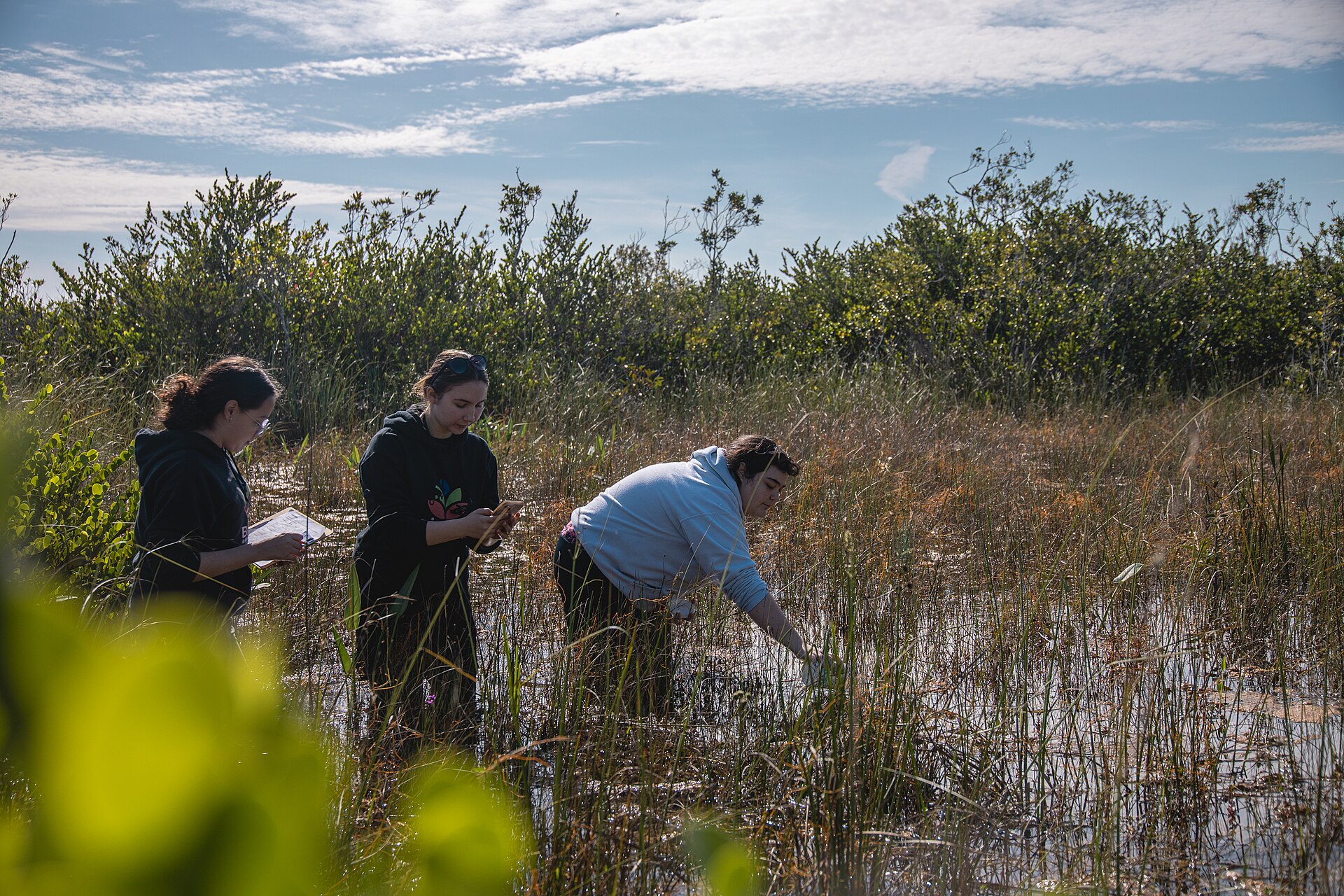
Field stations are where environmental science students learn to collect their own data. Harvard Forest, founded in 1907, covers 4,000 acres (Harvard Forest) and runs an 11-week summer research program open to undergraduates at two-year and four-year colleges who are U.S. citizens or permanent residents (Harvard Forest Summer Program). SUNY ESF’s Cranberry Lake Biological Station sits on a 1,000-acre Adirondack tract acquired in 1915 and hosts a three-week field course with 45 contact hours a week (SUNY ESF). Virginia’s 712-acre Blandy Experimental Farm (University of Virginia) hosts a National Science Foundation summer research program for undergraduates (Blandy Experimental Farm).
Smaller colleges have their own land. Williams owns the 2,600-acre Hopkins Memorial Forest, Carleton uses the 800-acre Cowling Arboretum, and Bowdoin’s Schiller Coastal Studies Center sits on a 118-acre preserve. Michigan counts a course at any of five field stations, including its Biological Station and Camp Davis, toward the major, and UNC runs semester programs in Highlands, the Outer Banks, and Morehead City. For coastal and ocean work, the Duke Marine Lab in Beaufort, North Carolina, hosts undergraduates for a summer or a full semester; our guide to the best colleges for marine biology covers marine programs in depth.
Which Highly Selective Universities Have the Strongest Environmental Programs?
Stanford’s Earth Systems program, authorized in 1992 and now part of the Doerr School of Sustainability, requires every student to complete a 270-hour internship (Stanford Bulletin). Yale’s BS students complete two terms of senior research, and Harvard requires a two-semester senior thesis of students seeking honors in Environmental Science and Public Policy. Columbia’s Sustainable Development major requires at least 15 courses and a practicum, and Cornell offers Environment and Sustainability in two colleges, with a required field or engaged experience and a capstone.
Princeton offers environmental studies as a minor open to students in any concentration rather than as a major (Princeton Undergraduate Announcement), but its High Meadows Environmental Institute placed 104 students from 17 departments in summer internships in 2025 (Princeton University). Dartmouth’s culminating experience can be a course tied to its Africa Foreign Study Program in Namibia, Brown requires every senior to complete a capstone, and Emory students can begin a research course sequence in their first or second year.
Which Public Universities Are Best for Environmental Science?
Public universities run several of the oldest and largest environmental programs. Berkeley’s Environmental Sciences majors finish with a year-long senior thesis (UC Berkeley Rausser College), and UCLA’s senior practicum, which marked 20 years in 2026, puts teams of five to seven students on projects for nonprofits, businesses, and public agencies (UCLA; UCLA Institute of the Environment and Sustainability). UC Santa Barbara’s program, established in 1970, calls itself “one of the first undergraduate environmental studies programs in the world” and reports over 9,300 alumni (UC Santa Barbara). Virginia’s department, established in 1969, says it was “the first in the nation” to offer bachelor’s, master’s, and doctoral degrees in environmental sciences (University of Virginia).
UC Davis requires an internship and a capstone in its Environmental Science and Management degree, and Washington requires a 15-credit senior capstone that includes an internship. Wisconsin’s Nelson Institute dates to 1970, Vermont’s Rubenstein School requires a 25-credit core that ends in a capstone, and Colorado Boulder’s Environmental Studies BA requires at least 67 credit hours, including a capstone and an internship or field course.
Which Liberal Arts Colleges Are Best for Environmental Studies?
Several of the best environmental science colleges are liberal arts colleges with their own forests, coasts, and arboretums. Middlebury’s environmental studies major first appeared in the 1965-66 catalog, which the college describes as one of the first in the country, and every environmental studies senior takes the ENVS senior seminar (Middlebury College). Williams founded its Center for Environmental Studies in 1967, Bowdoin pairs its coordinate major with a second major, and Colby offers three environmental majors, from policy to computation. College of the Atlantic awards a single degree, a BA in Human Ecology, and requires an 11-week, full-time internship of every student.
Students comparing the best colleges for environmental studies at small and large schools can use our guide to liberal arts colleges versus research universities.
What Can You Do With an Environmental Science Degree?
Environmental scientists and specialists earned a median of $82,220 in May 2025, held 93,400 jobs, and are projected to grow 6 percent from 2025 to 2035, faster than average, with about 7,300 openings a year, according to the Bureau of Labor Statistics. The typical entry-level education is a bachelor’s degree (BLS). Conservation scientists and foresters earned a median of $73,920, with 4 percent projected growth (BLS). Graduates also work in environmental consulting, government agencies, energy companies, and nonprofits, and many go on to graduate school in science, policy, or law.
How Do You Judge an Environmental Science Program Beyond the Rankings?
- Find the field station. Ask where students do fieldwork, how many acres the college can use, and whether first- and second-year students go.
- Read the internship rule. A required internship or practicum guarantees real professional experience before graduation.
- Compare the science and studies degrees. Count the required biology, chemistry, statistics, and earth science courses.
- Check the capstone. A senior thesis, practicum, or capstone shows how the program asks students to apply what they learned.
- Ask about summer funding. Paid research and internship programs decide whether students can afford to spend a summer in the field.
What Do Admissions Officers Look for in an Environmental Science Applicant?
Environmental science applicants are read alongside other science or social science applicants at most universities. What stands out is solid science coursework and a sustained environmental project with real results.
- Coursework. AP Environmental Science, AP Biology, AP Chemistry, and AP Statistics. Statistics matters because environmental work runs on data.
- A sustained project. Water testing on a local stream, a habitat restoration effort, or a school energy audit carried over two or three years shows commitment that a one-time cleanup does not.
- Research. Our guide to research opportunities for high school students explains how to find a lab or field mentor.
- Writing. A clear explanation of an environmental problem in the student’s own community gives readers evidence of how the student thinks.
Oriel Admissions builds this record with students who start in 9th or 10th grade: a science sequence that includes biology, chemistry, and statistics, one environmental project pursued for several years, and one research or field experience. Our guide to intended major strategy explains how a declared environmental major affects admission.
Frequently Asked Questions About the Best Colleges for Environmental Science
There is no single answer, because the best colleges for environmental science depend on whether a student wants a science-based or policy-based program and a research university or a liberal arts college. Among the most selective universities, Stanford, Yale, Duke, Harvard, and Brown combine research with fieldwork. Among public universities, Berkeley, UCLA, UC Santa Barbara, Michigan, and Virginia run large, long-standing programs. Among liberal arts colleges, Middlebury, Williams, and Bowdoin offer their own forests and coastal stations.
Colleges awarded 7,423 undergraduate degrees in environmental science and 6,959 in environmental studies in 2021-22, within 20,420 degrees in natural resources and conservation, according to the National Center for Education Statistics.
Environmental science is a natural science major built on biology, chemistry, and earth science. Environmental studies draws on policy, the social sciences, and the humanities. Brown, UNC, Yale, and Emory offer both, so students can choose how much laboratory science they want.
Harvard Forest covers 4,000 acres and runs an 11-week summer research program open to undergraduates at two-year and four-year colleges. SUNY ESF runs the Cranberry Lake Biological Station on a 1,000-acre Adirondack tract, Virginia uses the 712-acre Blandy Experimental Farm, and Williams owns the 2,600-acre Hopkins Memorial Forest.
Several colleges make the claim in different forms. Middlebury says its major, first listed in the 1965-66 catalog, was one of the first in the country, Virginia says its department, founded in 1969, was the first in the nation to offer bachelor, master, and doctoral degrees in environmental sciences, and UC Santa Barbara calls its 1970 program one of the first in the world.
No. Princeton offers environmental studies as a minor open to students in any concentration. Its High Meadows Environmental Institute placed 104 students from 17 departments in summer environmental internships in 2025.
Environmental scientists and specialists earned a median of 82,220 dollars in May 2025, and the Bureau of Labor Statistics projects 6 percent growth from 2025 to 2035, faster than average. The typical entry-level education is a bachelor degree, and graduates also work in consulting, government, energy, and nonprofits.
Take AP Environmental Science, AP Biology, AP Chemistry, and AP Statistics, and pursue one environmental project for two or three years with measurable results. Oriel Admissions plans this sequence with students starting in 9th or 10th grade.
Sources: NCES Digest of Education Statistics 2023, Table 318.30, BLS Occupational Outlook Handbook: Environmental Scientists and Specialists, BLS Occupational Outlook Handbook: Conservation Scientists and Foresters, Loyola Marymount University: Environmental Science vs. Environmental Studies, Stanford Bulletin: Earth Systems, BS, Harvard Forest: History, Princeton: High Meadows Environmental Institute Internships, UC Berkeley: Environmental Sciences Major, UCLA Environmental Science Senior Practicum, UC Santa Barbara Environmental Studies by the Numbers, University of Virginia Environmental Sciences, SUNY ESF Cranberry Lake Biological Station, Middlebury College Environmental Studies, University of Wisconsin-Madison: Environmental Studies Major, Harvard Forest Summer Research Program, Blandy Experimental Farm REU, Princeton Undergraduate Announcement: Environmental Studies Minor, UCLA: Environmental Science Practicum at 20
About Oriel Admissions
Oriel Admissions is a Princeton-based college admissions consulting firm advising families nationwide on elite university admissions strategy. Our team brings deep expertise across every dimension of the application, and our distinctive 360 approach develops strategy, positioning, activities, essays, and interviews as one coherent whole. To discuss your family’s admissions strategy, schedule a consultation.