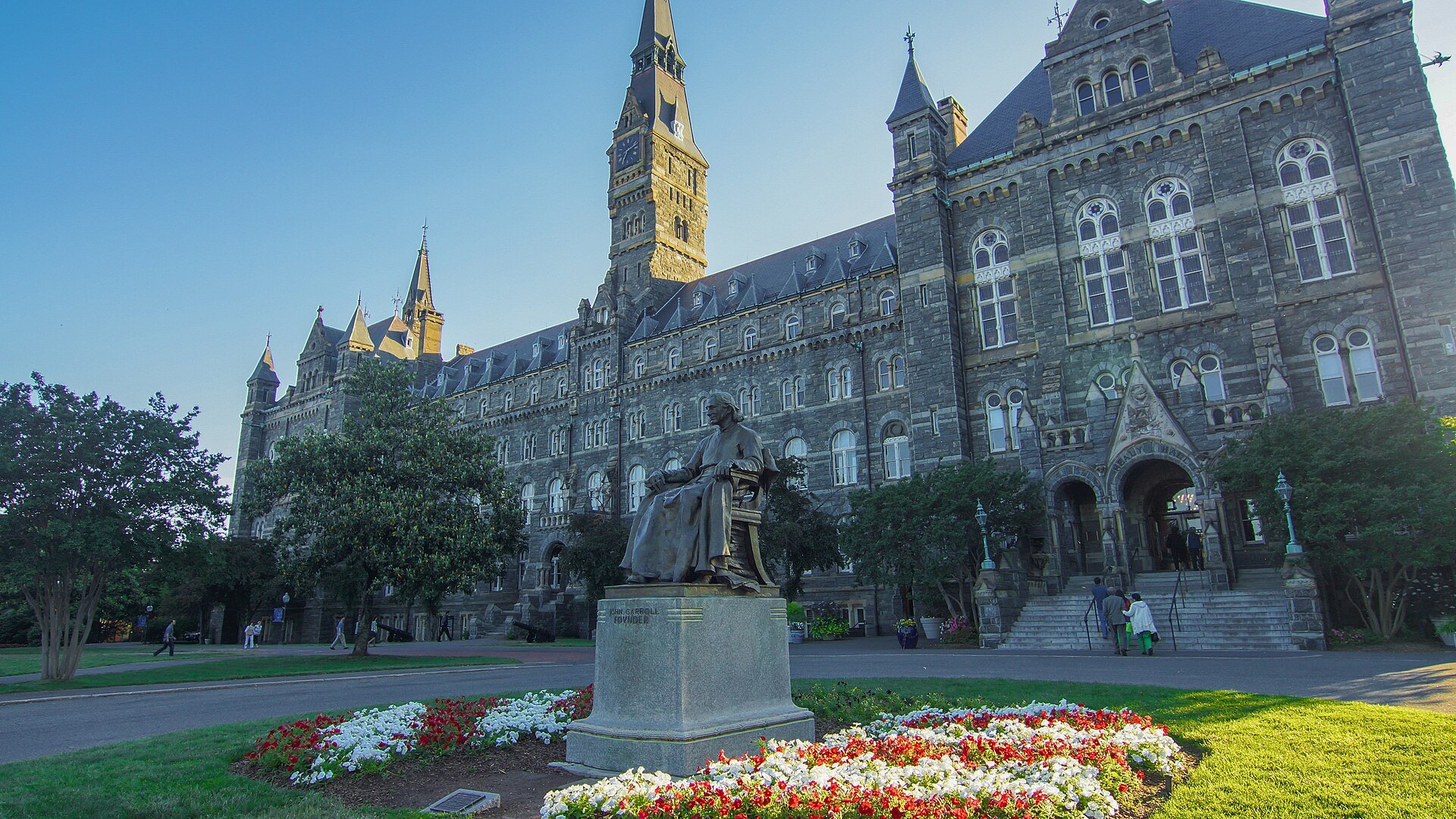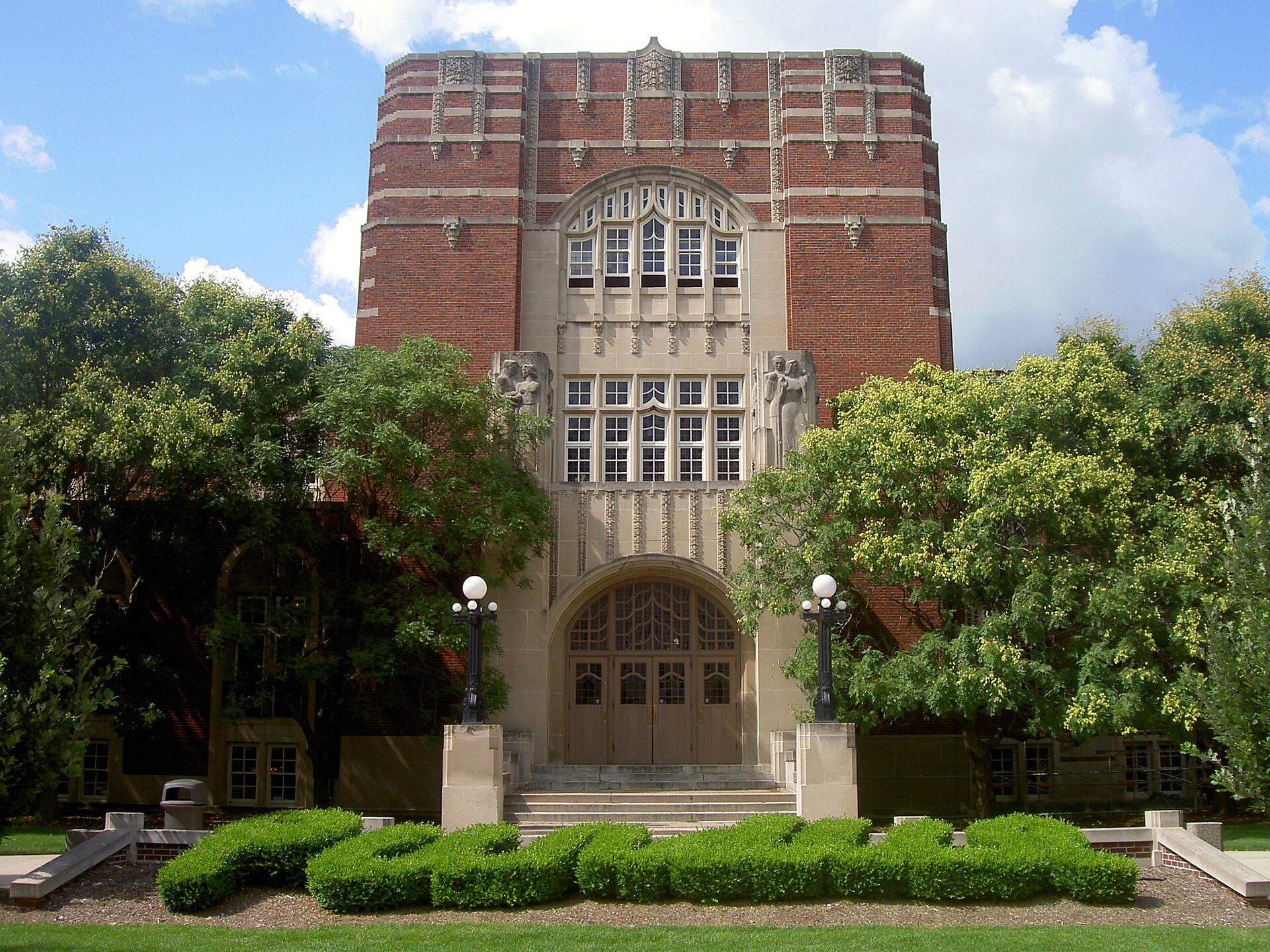
How did we choose these 14 engineering schools?
These are the 14 universities and colleges covered by our school-by-school engineering admission guides. In the view of Oriel Admissions they are among the strongest undergraduate engineering programs in the United States, and they are the engineering schools families ask us about most. This guide does not rank them. The acceptance rate table is sorted by each school’s most recent published rate, and every figure comes from the university’s own pages or its Common Data Set (CDS).
What are the acceptance rates at the top engineering schools?
The overall rate is the number most schools publish. Where a university publishes a separate engineering figure, it appears in the third column.
| School | Latest overall acceptance rate | Official engineering figure | SAT or ACT, fall 2027 entry |
|---|---|---|---|
| Caltech | 3.8%, fall 2025 (428 of 11,285) | None: admits to the Institute | Required |
| Stanford | 3.8%, fall 2025 (2,302 of 60,646) | None: admits to the university | Required |
| MIT | 4.6%, fall 2025 (1,334 of 29,281) | None: admits to the Institute | Required |
| Cornell | 9.2%, fall 2026 (6,040 of 65,514) | Not published on the pages we reviewed | Required |
| UC Berkeley | 10.5%, fall 2026 (13,992 of 133,157; an enrollment estimate as of August 2026, printed as 11%) | Not published | Not required |
| Carnegie Mellon | 11.1%, fall 2025 (3,859 of 34,867) | Not published on the pages we reviewed | Scores required; AP, IB, A-Level or French Baccalaureate accepted in place of the SAT or ACT |
| Harvey Mudd | 12%, students entering 2025 | None: admits to the college | Optional; required again “for the Fall 2028 application cycle” |
| Georgia Tech | 13.3%, fall 2025 (8,921 of 66,881) | 11.5% College of Engineering, fall 2025 (3,795 of 32,934) | Required |
| Michigan | 16.1%, fall 2026 (17,495 of 108,774) | 14%, fall 2025 (28,740 applications) | Optional |
| UT Austin | 22.2%, fall 2025 (20,154 of 90,690) | Not published | Required |
| Illinois | 38.1%, fall 2026 (32,322 of 84,833) | 23.3% Grainger, first-choice applicants, fall 2026 | Optional |
| Purdue | 53.3%, 2026 class profile | 37.9% College of Engineering (no year label) | Expected (SAT, ACT or CLT) |
| Virginia Tech | Not published (more than 58,000 applications for fall 2026) | Not published | Optional through fall 2028 entry |
| Texas A&M | Not published on the official pages we reviewed | Not published | Optional |
All four published engineering figures sit below the matching overall rate, although applicant pools differ, so a lower rate does not by itself show that engineering is harder to enter. Georgia Tech’s Fact Book shows 11.5% for its College of Engineering against 12.2% for the Institute in the same fall 2025 table. Illinois admitted 23.3% of first-choice Grainger applicants against 32.8% of first-choice applicants campus-wide (Illinois admit rates). Georgia Tech’s Class of 2030 announcement adds that “The overall admit rate is 28% for Georgia residents, 9% for nonresidents” (Georgia Tech Enrollment Management, March 27, 2026). Michigan Engineering’s 14% compares with 16.1% for Michigan overall, and Purdue’s 37.9% with 53.3%; Purdue’s figure sits beside its 2026 figures but carries no year label, and Michigan prints its 14% without an admit count, so neither can be recomputed.
How do top engineering schools admit students to engineering?
In our view, the route into an engineering major matters as much as the acceptance rate, because it decides when a student’s major is fixed and how easy it is to change. The 14 schools fall into four groups.
- Admitted to the whole institution. MIT, Caltech, Stanford and Harvey Mudd do not admit to engineering at all. At MIT, all students enroll “undeclared” (MIT first year); at Caltech, “Differentiation into the various options begins in the second year” (Caltech catalog); at Harvey Mudd, “First-year students are not permitted to declare a major” (Harvey Mudd declared majors). Georgia Tech also admits to the Institute, but “consideration of your major is an important part of our application review process” (Georgia Tech major selection).
- Admitted to an engineering college, major chosen later. Michigan says “All first-year Michigan Engineering students begin as undeclared” and declare by the third term (Michigan Engineering). Cornell’s Duffield College says “you do not apply to a particular major; you apply to the college” and students select a major in the second semester of sophomore year (Duffield FAQ). Carnegie Mellon students in the College of Engineering “do not select a major until the end of the first year” (Carnegie Mellon catalog).
- Admitted directly to a major. At Illinois, “you apply directly to your engineering major of interest” (Grainger first-year admissions). Berkeley asks engineering applicants to apply “to a specific program” or to Undeclared (Berkeley Engineering admissions), and UT Austin lists the “Competitiveness of the major you applied to” among its review factors (UT Austin review process).
- A common first-year program, then entry to a major. Virginia Tech says its General Engineering major “is home to all first year engineering students” (Virginia Tech General Engineering). Purdue admits engineering students to First-Year Engineering, and its enrollment policy offers “Guaranteed first choice acceptance” to students who were directly admitted, took two full-time semesters and completed the program by May, with at least a 3.20 cumulative GPA and Engineering Admissions Index; “Beginning in Fall 2027”, the policy raises both to 3.30 (Purdue College of Engineering enrollment policy). Texas A&M students start in General Engineering; under its Entry to a Major rules for the Class of 2030, a 3.75 cumulative GPA or National Merit Scholar standing, with other conditions, brings automatic entry to a first-choice major (Texas A&M Entry to a Major, Class of 2030). Texas A&M had not posted the rules for students entering in fall 2027 when we checked.
In our view, the direct-admit schools reward applicants who are sure of their major, while the common first-year programs ask students to earn their major with college grades. Changing into engineering later can be hard: UT Austin says internal transfer into Cockrell “is competitive and based on space availability” (Cockrell internal transfer), and Carnegie Mellon says moves into engineering from its other colleges depend on “availability of space and the student’s academic performance” (Carnegie Mellon catalog).
Which engineering application deadlines remain for fall 2027 entry?
Three early deadlines at these schools passed on October 15, 2026. Most of the rest fall in the first half of November.
| School | Early plan and deadline | Regular deadline |
|---|---|---|
| MIT | Early Action, November 1 (not binding, not restrictive) | January 4 |
| Caltech | Restrictive Early Action, November 1 | January 4 |
| Stanford | Restrictive Early Action, November 1 (arts portfolio version October 15, passed) | January 5 |
| Cornell | Early Decision (binding), November 1 | January 2 |
| Michigan | Early Decision (binding) or Early Action, November 1 | February 1 |
| Purdue | Early Action, November 1 (also the engineering priority deadline) | January 15 |
| Illinois | Early Action, November 1 | January 5 |
| Carnegie Mellon | Early Decision (binding), November 2 | January 4 |
| Georgia Tech | Early Action 2 (non-Georgia), November 2; Early Action 1 (Georgia), October 15, passed | January 6 |
| Harvey Mudd | Early Decision I, November 15; Early Decision II, January 5 | January 5 |
| Virginia Tech | Early Action, November 15 | January 15 |
| UC Berkeley | None; filing period October 1 to November 30 | November 30 |
| UT Austin | Early Action, October 15, passed | December 1 |
| Texas A&M | None | December 1 |
How should you build an engineering school list?
The view of Oriel Admissions is that an engineering list should mix admission routes as well as selectivity. A student set on one discipline can aim at the direct-admit schools, where the major is fixed at admission; a student still choosing can weight the institution-wide and common first-year schools, where the choice comes later. Testing also needs planning: six of these schools require the SAT or ACT for fall 2027, Carnegie Mellon Engineering requires scores in some form, and Purdue expects them. Our guide to the best colleges for computer science covers the schools where computer science admission differs from engineering.
Frequently Asked Questions About the Best Colleges for Engineering
Four of the 14 in this guide, on the official pages we reviewed. The Georgia Tech Fact Book reports 11.5% for its College of Engineering for fall 2025, Michigan Engineering admitted 14% for fall 2025, the Grainger College of Engineering at Illinois admitted 23.3% of first-choice applicants for fall 2026, and Purdue reports 37.9% for its College of Engineering. The others publish only an overall rate or none.
No. MIT, Stanford, Caltech and Harvey Mudd admit students to the whole institution and students choose a major later. MIT students usually choose at the end of the first year, Caltech students declare at the end of the first year, and Stanford students can declare during the first or sophomore year. These schools publish no separate engineering rate, so the overall rate is the only official figure.
MIT, Caltech, Stanford, Georgia Tech, Cornell and UT Austin require the SAT or ACT. Carnegie Mellon requires scores for Engineering but accepts AP, IB, A-Level or French Baccalaureate results in place of the SAT or ACT. Purdue says it expects scores. Michigan, Illinois, Virginia Tech, Harvey Mudd and Texas A&M are test optional, and UC Berkeley does not require them.
Slightly, in the latest Fact Book. Georgia Tech accepted 3,795 of 32,934 College of Engineering applicants for fall 2025, or 11.5%, against 12.2% for the Institute in the same table. Georgia Tech does not admit to a college, and the Fact Book does not define the college count; by our reading it reflects applicants who chose an engineering major. Applicant pools differ, so the lower rate does not by itself show that engineering is harder to enter.
Direct admission places a student in an engineering major at the point of admission, as at Illinois, UC Berkeley and UT Austin. A first-year engineering program, as at Purdue, Virginia Tech and Texas A&M, admits students to a common curriculum and assigns majors after college grades. Purdue guarantees a first-choice major to eligible students who meet its course, timing and grade conditions; its policy raises the grade requirement from 3.20 to 3.30 beginning in fall 2027.
It depends on the school. UT Austin says internal transfer into its Cockrell School is competitive and based on space availability, and Carnegie Mellon says moves into engineering from other colleges depend on available space and academic performance. At MIT and Stanford students declare majors after admission, although the MIT catalog says MIT may limit enrollment in particular fields.
As of late October 2026, MIT, Caltech, Stanford, Cornell, Michigan, Purdue and Illinois have early deadlines on November 1, Carnegie Mellon and Georgia Tech (non-Georgia applicants) on November 2, and Harvey Mudd and Virginia Tech on November 15. Three deadlines passed on October 15: UT Austin Early Action, Georgia Tech Early Action for Georgia residents and the arts portfolio version of Stanford Restrictive Early Action.
Oriel Admissions suggests mixing admission routes as well as selectivity: direct-admit schools for students sure of a discipline, and institution-wide or common first-year schools for students still choosing. Each school in this guide has its own engineering admission guide on our site with deadlines, testing rules and essay requirements.
Sources: Georgia Tech Fact Book 2025, Georgia Tech Enrollment Management, March 27, 2026, MIT admissions statistics, Caltech CDS 2025-2026, Stanford testing policy, UC Berkeley student profile, Michigan Engineering facts and figures, Michigan application changes, Cornell University Factbook, Cornell testing policy, Carnegie Mellon CDS 2025-2026, UT Austin CDS 2025-2026, Harvey Mudd Facts and Figures, Purdue class profile, Purdue Transition to Major, Illinois admit rates, Virginia Tech freshman requirements, Texas A&M freshman admissions, Texas A&M Entry to a Major, Class of 2030, Stanford CDS 2025-2026, Georgia Tech CDS 2025-2026, Michigan first-year profile, Carnegie Mellon testing policy, Purdue College of Engineering enrollment policy, Purdue application guide, Cockrell School internal transfer, MIT catalog, majors, MIT deadlines, Georgia Tech deadlines, Carnegie Mellon application plans, Harvey Mudd application, Virginia Tech dates and deadlines. All read October 26 and 27, 2026.
About Oriel Admissions
Oriel Admissions is a college admissions consulting firm advising families nationwide on elite university admissions strategy, with offices in Princeton, New Jersey and New York. Our team pairs deep admissions expertise with a distinctive 360 approach spanning academic planning, extracurricular strategy, essays and application execution. To discuss your strategy, schedule a consultation.