Ocean County College Admissions Guide: What Families at Toms River, Lacey, and Jackson Need to Know
By Rona Aydin

What does the Ocean County selective high school landscape actually look like?
| School | District / Location | NJ Rank Tier (US News 2025-26) | Enrollment | Notable Strength |
|---|---|---|---|---|
| Marine Academy of Technology and Environmental Science (MATES) | OCVTS / Manahawkin | Top Ocean County selective | ~280 students 9-12 | Selective magnet, marine biology and environmental science focus, A+ Niche |
| Point Pleasant Borough HS | Point Pleasant Borough Public Schools / Point Pleasant | Top 150 NJ | ~900 students 9-12 | 97% graduation rate, top Ocean County comprehensive public, affluent shore community |
| Toms River HS North | Toms River Regional SD / Toms River | Top 200 NJ | ~1,962 students 9-12 | Largest Ocean County comprehensive, 14:1 ratio, B+ Niche, broad athletics |
| Toms River HS East | Toms River Regional SD / Toms River | Top 200 NJ | ~1,500 students 9-12 | Comprehensive curriculum, strong athletic and arts offerings |
| Toms River HS South | Toms River Regional SD / Toms River | Top 250 NJ | ~1,371 students 9-12 | Smaller TR Regional school, intimate community |
| Jackson Memorial HS | Jackson School District / Jackson | Top 200 NJ | ~1,400 students 9-12 | Suburban comprehensive, strong athletics, moderate AP catalog |
| Jackson Liberty HS | Jackson School District / Jackson | Top 250 NJ | ~1,000 students 9-12 | Newer Jackson sister school, comprehensive curriculum |
| Brick Township HS / Brick Memorial | Brick Township Public Schools / Brick | Top 250 NJ | Combined ~3,000 students 9-12 | Two large comprehensive schools, demographically mixed |
| Southern Regional HS | Southern Regional SD / Manahawkin | Top 200 NJ | ~1,800 students 9-12 | Six-town regional school, comprehensive curriculum |
| OCVTS Performing Arts Academy (Grunin) | OCVTS / Toms River | Top 250 NJ specialty | ~270 students 9-12 | Selective performing arts magnet, 11:1 ratio, B+ Niche |
Each Ocean County school has a distinctive admissions-office identity that admissions officers at Princeton, Penn, Yale, Cornell, Columbia, NYU, and other top-30 universities recognize. The strategic question for Ocean County families is rarely about absolute school quality but about understanding what each school’s institutional relationships and competitive density actually mean to admissions readers. For broader NJ context, see our NJ regional college admissions guide and our Monmouth County guide for the neighboring shore region with the strongest NJ vocational academies.
Why does the Marine Academy of Technology and Environmental Science dominate Ocean County selective admissions?
The Marine Academy of Technology and Environmental Science (MATES) in Manahawkin is the strongest selective public school in Ocean County and operates as part of the Ocean County Vocational Technical School District (OCVTS). The school’s specialty curriculum centers on marine biology, environmental science, oceanography, and applied technology – leveraging Ocean County’s coastal location for genuine fieldwork in local marine environments. MATES enrolls approximately 280 students 9-12 with selective admissions through OCVTS application, admissions testing, and interviews. The A+ Niche grade reflects strong academic outcomes and student satisfaction.
For college admissions, MATES produces stronger matriculation outcomes than Ocean County’s comprehensive public schools, particularly at top-30 environmental science, marine biology, and biology programs (Brown, Cornell, Princeton, Duke, JHU, Penn, NYU environmental and marine sciences pathways). The school’s small scale produces strong individual recognition at top-30 admissions offices, with Mid-Atlantic admissions officers recognizing each MATES graduating class personally. For families considering MATES specifically, the application begins in 8th grade with admissions testing in late winter and decisions in spring. For broader NJ vocational/magnet context, see our NJ magnet schools guide.
How do the Toms River Regional district schools compare to each other?
The Toms River Regional School District operates three comprehensive public high schools serving the largest population center in Ocean County: Toms River HS North (~1,962 students 9-12, the largest), Toms River HS East (~1,500 students), and Toms River HS South (~1,371 students). The three schools share district-level AP and Honors curriculum offerings, with each school’s local culture shaped by its specific neighborhood demographic and institutional history. Toms River North carries a B+ Niche grade with strong athletic and performing arts programs.
The strategic comparison: all three Toms River Regional schools produce comparable matriculation outcomes for top-decile students. North’s larger size produces broader extracurricular offerings and AP catalog depth. East balances size and intimacy. South’s smaller scale produces stronger individual college office attention. The choice is fundamentally about attendance zone (most families do not have a choice) and program preference rather than absolute admissions outcome. The Toms River Regional district has historically faced budget constraints that affect facility quality and program funding compared to wealthier NJ districts, but academic outcomes for motivated students remain competitive.
How do admissions officers actually read Ocean County applications?
Princeton, Penn, Yale, Cornell, Columbia, NYU, and other top-30 universities have Mid-Atlantic admissions officers who read Ocean County applications alongside other Jersey Shore and Central NJ applications. The implicit comparative context they bring varies substantially by school: a MATES applicant is recognized as having survived selective magnet admissions and a substantively rigorous specialized curriculum, while a Toms River Regional, Jackson, Brick, or Southern Regional applicant is read against the comprehensive public school reference distribution. Point Pleasant Borough is recognized as a stronger affluent comprehensive option. This pattern of school-specific institutional recognition is documented annually in the National Association for College Admission Counseling State of College Admission report.
The implication for Ocean County families is that the schools’ published rigor signals do not automatically produce admissions advantages at the most selective universities. Comprehensive public school applicants compete primarily against applicants from comparable suburban districts statewide rather than against the Ocean County average. The strategy for top-30 admissions emphasizes distinctive depth, sustained academic performance against the school’s competitive density, and out-of-classroom achievement that admissions officers can recognize regardless of school context.
What is Point Pleasant Borough’s strategic position in Ocean County?
Point Pleasant Borough High School (~900 students 9-12) is the strongest comprehensive Ocean County public high school by graduation rate (97%) and demographic profile. Point Pleasant Borough is one of the wealthiest Jersey Shore communities and produces sustained matriculation at top-30 universities. The school’s smaller scale than the Toms River Regional or Brick Township schools produces stronger individual college office attention and personalized recommendation letters.
The strategic comparison versus Toms River Regional: Point Pleasant Borough offers stronger demographic affluence, higher individual visibility, and slightly stronger institutional admissions-office relationships than the Toms River Regional schools. Toms River Regional offers larger AP catalog depth, broader extracurricular offerings, and the institutional name weight of a larger district. For top-decile students at any of these schools, the matriculation outcome difference is small relative to individual application strength. The choice is fundamentally about attendance zone and family preference.
What test scores should Ocean County applicants target?
| School Tier Target | Competitive Floor | Strong Likely Admit |
|---|---|---|
| HYPSM (Princeton, Yale, Harvard, Stanford, MIT) | 1530 SAT / 34 ACT / 3.95 GPA | 1560+ / 35-36 / 4.00 + spike |
| Other Ivies + Top 15 (Penn, Cornell, Duke, JHU, Columbia) | 1500 SAT / 33 ACT / 3.90 GPA | 1530+ / 34-35 / 3.95+ |
| Top 16-30 (NYU, Vanderbilt, WashU, Emory, Michigan) | 1450 SAT / 32 ACT / 3.85 GPA | 1500+ / 33-34 / 3.90+ |
| Top 31-50 (Boston University, Tulane, Northeastern, Rutgers Honors) | 1400 SAT / 31 ACT / 3.80 GPA | 1450+ / 32-33 / 3.85+ |
For benchmarking, see our Ivy League Academic Index calculator.
What are the most common Ocean County application mistakes?
Five mistakes recur. First, treating Ocean County’s distance from the New York and Philadelphia metros as automatic admissions disadvantage. Strong Ocean County applicants compete credibly at top-30 universities; the geographic context matters less than individual achievement. Second, comprehensive public school applicants assuming their grades alone will compete with MATES or Bergen County Academies applicants – they will not without distinctive achievement outside the classroom. Third, generic essays that fail to leverage Ocean County’s authentic Jersey Shore environmental and economic context. Fourth, score-chasing past the point of marginal return. Fifth, deferring outside admissions consulting until junior year when meaningful spike development requires sophomore-year start.
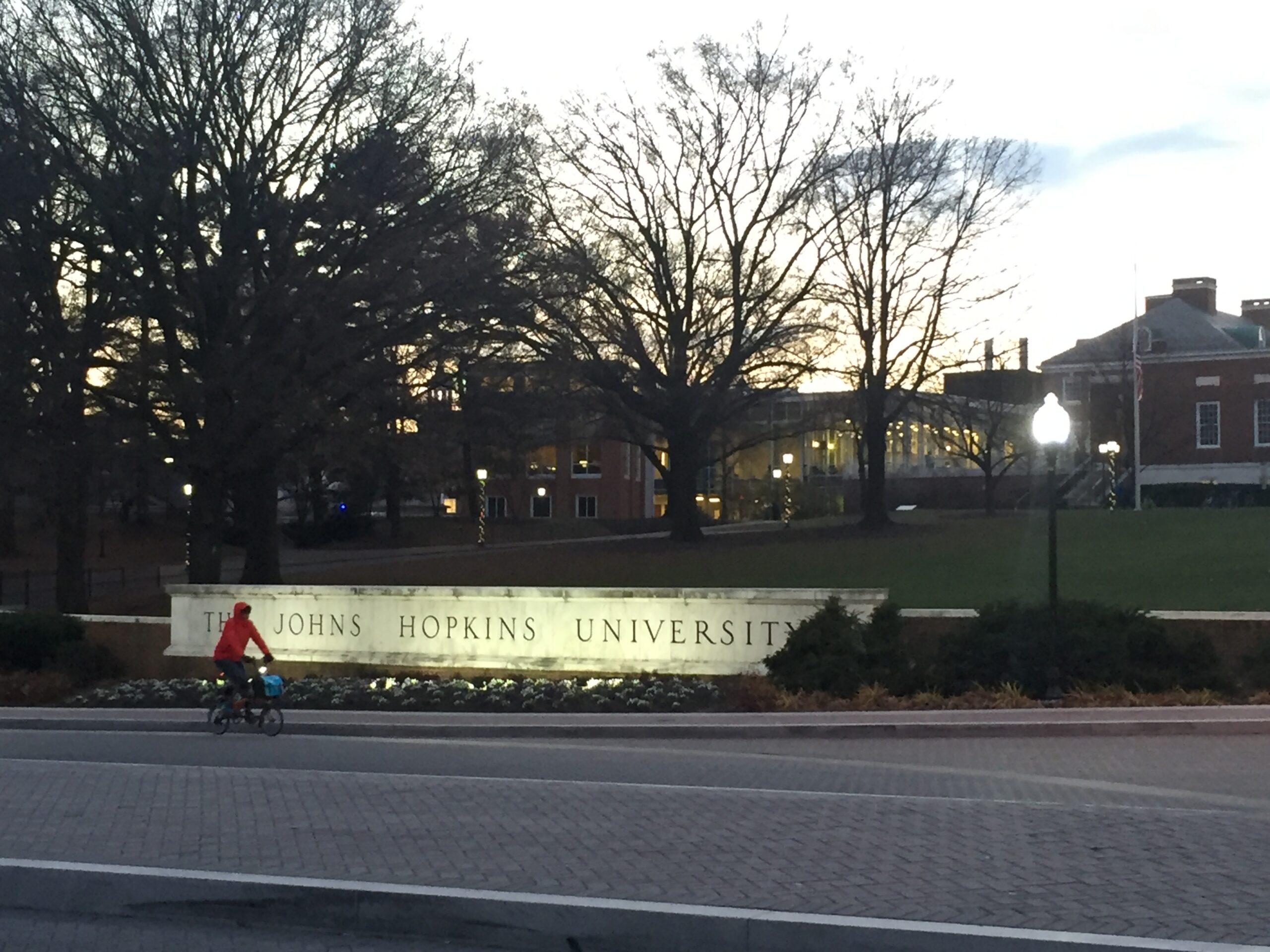
For deeper analysis of why high-stat applicants get rejected, see why valedictorians get rejected from Ivies. For ED decision frameworks, see our Early Decision strategy guide. For school-specific guidance, see our HTGI cluster: Princeton, Cornell, Penn, Johns Hopkins, and NYU.
Frequently Asked Questions About Ocean County College Admissions
Through context, yes; selective colleges read each applicant against their school and community, so an Ocean County student is assessed relative to the opportunities available locally. A well-resourced district is understood differently from a smaller or less-resourced one. Colleges do not admit by town, but where a student lives shapes how their record and achievements are interpreted within a holistic review, rather than granting any automatic advantage.
It can cut both ways. Colleges assess students within their school’s context, so excelling at a rigorous Ocean County school signals you thrived in a demanding environment, but strong internal competition can make capable students look average by class rank. Admissions officers review the school profile and available courses. Performing near the top of a competitive program is impressive, though the school’s reputation alone does not carry an applicant.
Somewhat, at the most selective national colleges; New Jersey is a high-volume feeder state, so applicants compete against many strong peers from the same region, which can make standing out harder. Colleges seeking geographic breadth may admit fewer from heavily represented states. This is not a strict quota, but Ocean County students benefit from genuinely distinctive profiles and should not assume in-state density works in their favor at national colleges.
Strong in-state choices include Rutgers University across its campuses, Stockton University in nearby Galloway, The College of New Jersey (TCNJ), the New Jersey Institute of Technology (NJIT), Rowan, and Montclair State, with Ocean County College serving as an affordable community-college starting point. These offer in-state value across many fields. Building a balanced list that pairs reach schools with affordable in-state public options is a sound strategy for Ocean County families.
Yes; New Jersey offers state aid such as the Tuition Aid Grant (TAG) and the Garden State Guarantee for eligible residents attending in-state public institutions, plus NJ STARS for high-achieving community college students. Local foundations and community organizations also provide regional awards. Because eligibility and amounts vary, families should research state programs and local scholarships early, since these can meaningfully reduce costs alongside any college-specific financial aid.
Often yes, as part of a balanced list; applying out of state widens opportunity, and at the wealthiest private colleges generous need-based aid can offset higher sticker prices. Out-of-state public universities, however, frequently charge high non-resident tuition with limited aid, so weigh cost carefully. A sound strategy mixes affordable New Jersey options with selective out-of-state schools chosen for fit, program strength, and realistic financial outcomes rather than prestige alone.
With attention to context; admissions officers use each school’s profile to understand the resources and rigor an applicant experienced, recognizing differences between larger regional districts, specialized academies, and smaller schools. They look for students who made the most of what was available. An applicant who achieved strongly within their specific Ocean County school can be compelling, since colleges value initiative and potential relative to circumstances, not just polish.
Through deliberate engagement: attending virtual information sessions and local college fairs, connecting with regional admissions representatives who cover New Jersey, taking optional interviews, and writing genuinely specific ‘why us’ essays. Visiting in person helps where feasible but is not required, and colleges that track interest understand distance. Thoughtful, authentic engagement signals seriousness, which can matter at schools that consider demonstrated interest in their decisions.
About Oriel Admissions
Oriel Admissions is a Princeton-based college admissions consulting firm advising families nationwide on elite university admissions strategy. Our team includes former admissions officers from Harvard, Princeton, and Columbia. To discuss your family’s admissions strategy, schedule a consultation.