What is the Oxford Saïd MBA interview format?
The Oxford Saïd MBA interview is application-based, meaning your interviewer has read your resume, essays, and recommendation letters before the conversation begins. The interview is conducted by Saïd MBA admissions team members or careers team staff (not faculty or alumni – distinct from the LBS alumni interviewer model). Interviews typically last 45-60 minutes and are conversational rather than highly structured. Approximately 30-40% of applicants are invited to interview after their written application is reviewed in each application stage, with admit rates from the interview stage typically 50-65%. Interviews are conducted virtually for international candidates and in-person at the Saïd Business School campus when geographically convenient. The interviewer takes notes during the conversation and submits a written report to the Admissions Committee, which is weighed alongside your written application in the final decision. Strong interview performance often lifts borderline written applications; weak interviews rarely save strong written applications. The interview is also designed to assess fit beyond just academic and professional credentials – the Saïd adcom is evaluating whether you will thrive in the Oxford collegiate experience and contribute meaningfully to the small-cohort MBA culture.
What are the four pillars of the Oxford MBA interview?
Every Oxford MBA interview is built around four implicit pillars. Pillar 1 – Career trajectory and goals: Expect deeper probing on the same topics your career goals essay addressed – short-term post-MBA goals, long-term vision, why the MBA now, and the specific industry/role/firm targets. Interviewers ask follow-up questions about specific firms you have researched, alumni you have spoken with, and your understanding of the recruiting landscape. Pillar 2 – Oxford fit specifically: Why Oxford rather than Cambridge Judge, LBS, INSEAD, or US programs you are also applying to? The strongest answers cite specific Oxford resources by name (GOTO project, Oxford Strategy Project, Skoll Centre, Smith School, the collegiate experience, named faculty, alumni you have spoken with). Generic claims about Oxford's prestige signal weak preparation. Pillar 3 – Behavioral self-awareness: Expect questions about weaknesses, challenges, conflicts, and growth – the same themes your essays addressed but with deeper probing. Interviewers test whether you have genuine self-awareness rather than constructed answers. Pillar 4 – Cohort contribution and culture fit: How will you contribute to the small Oxford MBA cohort experience? What will you bring beyond academic performance? The Saïd adcom values candidates who will actively contribute to clubs, projects, student initiatives, and the collegiate experience.
What questions should you expect in the Oxford MBA interview?
Common Oxford MBA interview questions cluster into six categories. Walk-through questions: “Walk me through your career so far”; “Tell me about your current role”; “What does a typical day look like for you?” Career goals questions: “What are your post-MBA goals?”; “Why an MBA now?”; “Why are you switching from consulting to technology?”; “What specific firms are you targeting?”; “Have you spoken with alumni in your target industry?” Why Oxford questions: “Why Oxford?”; “Why Oxford and not Cambridge Judge?”; “What specific Oxford resources will you use?”; “What will you contribute to the cohort?”; “How will you engage with Oxford's collegiate system?” Behavioral questions: “Tell me about a time you led a team through a challenge”; “Describe a failure and what you learned”; “How do you handle conflict with senior colleagues?”; “What feedback have you received that surprised you?”; “Tell me about a time you advocated for an unpopular position.” Self-awareness questions: “What is your greatest weakness?”; “Where do you struggle most professionally?”; “What gap do you need an MBA to address?” Open-ended questions: “What questions do you have for me?”; “Anything else you would like me to know?”; “What would you like to discuss that we have not covered?” Practice your responses to these categories aloud at least 10-15 times before the interview.
How does the Oxford interview differ from the Cambridge Judge interview?
Oxford Saïd and Cambridge Judge MBA interviews share substantial common ground – both are application-based, conducted by school staff (not alumni), conversational rather than highly structured, and approximately 45-60 minutes in length. However, the two interviews have meaningful differences. Difference 1 – Interview probe depth: Cambridge Judge interviews tend to go deeper on technical and analytical questions, particularly for candidates targeting finance, consulting, or tech roles. Oxford interviews tend to spread probe depth more evenly across career, fit, and behavioral questions. Difference 2 – Fit signals: Cambridge interviews emphasize fit with the Cambridge Cluster and Cambridge Network (the regional tech and biotech ecosystem). Oxford interviews emphasize fit with the broader Oxford collegiate experience, the Skoll/Smith School centers, and the multidisciplinary university connections. Difference 3 – Career goal scrutiny: Both schools scrutinize career goal feasibility, but Cambridge Judge places slightly more weight on whether your goals match the Cambridge Cluster ecosystem; Oxford places slightly more weight on whether your goals demonstrate the strategic thinking the program develops. Difference 4 – Interview style: Cambridge Judge interviewers sometimes use slightly more direct questioning; Oxford interviewers tend toward more conversational probing. Practical implication: If you are interviewing at both schools, prepare distinct answers for the “Why this school?” question that reflect each school's actual distinctive strengths rather than treating them as interchangeable.
How should you prepare for the Oxford MBA interview?
Effective preparation for the Oxford MBA interview involves six components. Component 1 – Re-read your written application: The interviewer has your resume, essays, and recommender letters in front of them. They will probe specific points – your Essay 1 career goals, the supporting statement themes, specific accomplishments in your CV. Re-read everything you submitted and prepare to discuss any point in greater depth. Component 2 – Develop 6-8 specific behavioral stories: Have ready stories about leading a team, navigating a setback, recovering from a failure, managing conflict, advocating for an unpopular position, learning from criticism, building consensus, and demonstrating ethical judgment. Practice each in 90-second spoken format. Component 3 – Research Oxford specifics deeply: Be ready to cite specific Oxford resources with substance – named courses, named faculty whose research interests you, specific clubs, specific Career Development Centre resources, specific alumni you have spoken with. Read recent Saïd Business School news, faculty research summaries, and MBA cohort updates. Component 4 – Practice with a mock interviewer: Conduct 2-3 mock interviews with a peer at similar career level or with a former MBA applicant who can replicate the interview tone. Avoid mock interviews with people who cannot give substantive feedback. Component 5 – Prepare your own questions: The interviewer will ask if you have questions. Prepare 2-3 substantive questions revealing genuine research – ask about specific aspects of the program, faculty, or alumni community beyond what the website states. Component 6 – Plan your logistics: For virtual interviews, test technology, ensure clean professional background and good lighting. For in-person interviews at Oxford, plan travel and arrive at least 30 minutes early.
What are common Oxford MBA interview mistakes?
Five common mistakes hurt Oxford MBA interview performance. Mistake 1 – Generic Oxford answers: Citing “Oxford's prestige,” “diverse cohort,” or “world-class faculty” without specifics. Replace with named courses, professors, alumni you have spoken with, specific Oxford resources you will use. Mistake 2 – Inconsistency with written application: Spoken responses that contradict your essays signal constructed narrative. Re-read your application before the interview and prepare to discuss specific points in depth without veering from your written story. Mistake 3 – Triple-jump career goals: Stating post-MBA goals that simultaneously change industry, function, and geography without bridging experience. Reduce to at most two changes and explain how Oxford specifically enables the pivot. Mistake 4 – Weak behavioral examples: Stock answers about your strengths without specific stories backing them up. Use concrete examples with named situations, dates, and outcomes. Mistake 5 – Not preparing your own questions: When asked “do you have any questions for me?”, weak candidates give generic questions or say they do not have any. Strong candidates ask substantive questions revealing genuine research about the program – specific faculty work, specific alumni outcomes you have seen, specific aspects of the curriculum that interest you. Bonus mistake – Being too rehearsed: Responses that sound recited rather than natural. Practice for fluency, not memorization. The interview should feel like a conversation, not a recitation.
What does Oxford evaluate in the MBA interview?
The Oxford Saïd interviewer evaluates four implicit criteria, which the written interview report addresses for the Admissions Committee. Criterion 1 – Authenticity and depth: Are your spoken responses consistent with your written application, and do they reveal additional depth beyond the essays? Constructed answers that diverge from your written application are easily detected and consistently weaken the interview report. Criterion 2 – Career feasibility: Does your stated post-MBA goal make sense given your background, and have you done the research to validate it? Vague goals or goals requiring dramatic pivots without bridging experience produce negative reports. Criterion 3 – Specific Oxford fit: Why Oxford rather than Cambridge Judge, LBS, INSEAD, or other peer programs? Generic answers signal weak research; specific reasoning tied to Oxford's distinctive strengths (collegiate experience, Skoll/Smith Schools, GOTO project, specific faculty) signals genuine alignment. Criterion 4 – Cohort contribution and culture fit: Will you actively contribute to the Saïd MBA cohort experience, or are you primarily a consumer of the MBA? The interviewer evaluates whether you will be a generative member who learns alongside peers and contributes substantively. The Oxford MBA cohort is approximately 320-340 students, with substantial small-group interaction through electives, projects, and college communities.
What is the Oxford MBA Class of 2026 profile?
The Oxford Saïd MBA Class of 2026 enrolls approximately 320-340 students with the following profile: average age 28, average work experience 6 years (range typically 3-10 years), median GMAT approximately 690 (range 660-720 for the middle 80%), median GPA equivalent approximately 3.5, and approximately 95% international representation across approximately 65 nationalities. Women represent approximately 40-45% of the cohort. The cohort spans diverse industries: technology (~25%), financial services (~22%), professional services and consulting (~18%), healthcare and biotech (~8%), public sector and NGO (~7%), and other industries (~20%). The program is a 12-month full-time MBA running from September through August, with classes ending in late June and the GOTO project plus electives in the final terms. The 2025 tuition is approximately £78,000 with total cost-of-attendance approximately £100,000-£115,000 (~$127,000-$146,000) including Oxford living expenses. The Oxford MBA acceptance rate is approximately 20-25% in aggregate, but effective acceptance rates differ significantly by nationality due to cohort balancing.
Frequently Asked Questions About the Oxford MBA Interview
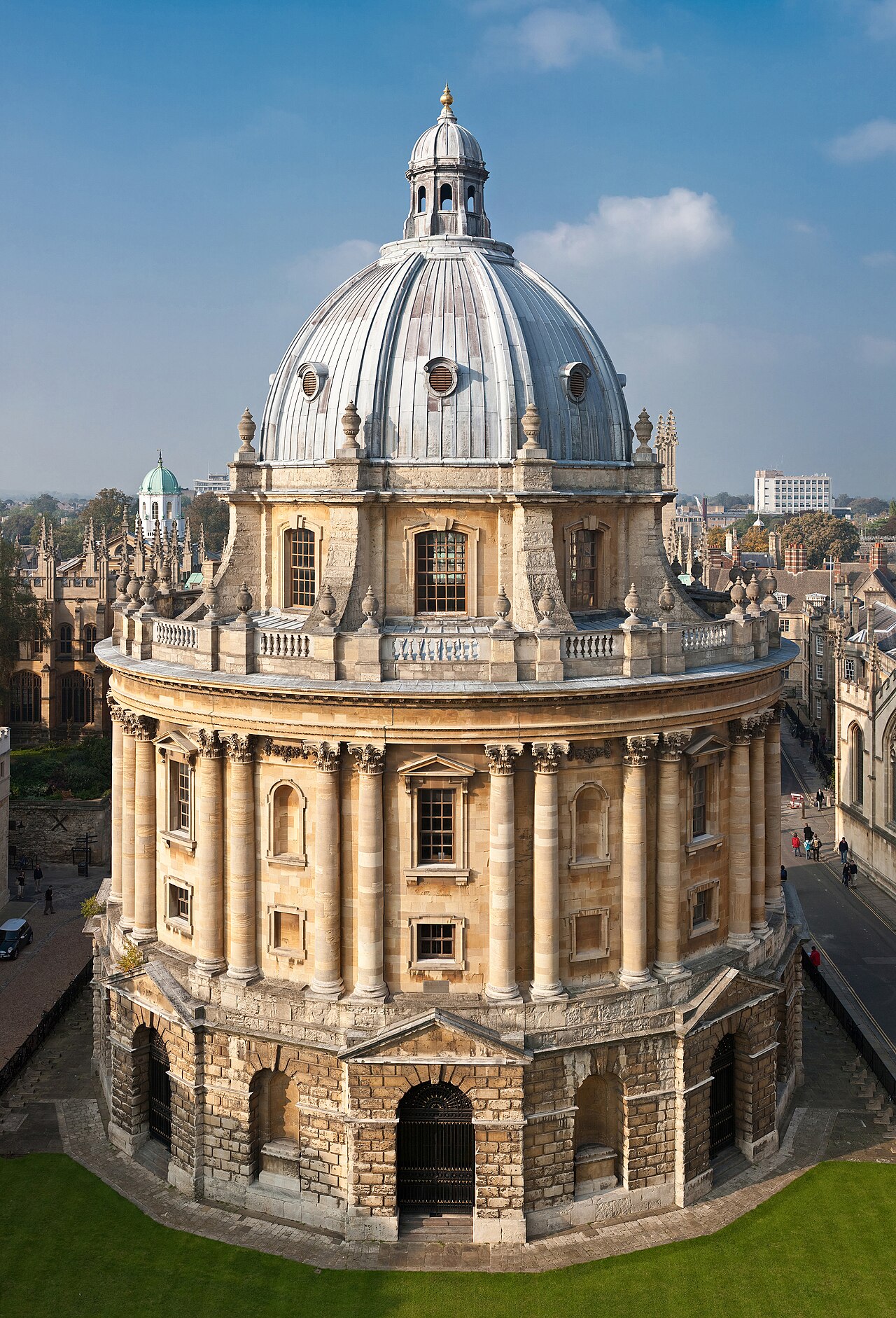
The MBA is offered by Saïd Business School, the business school of the University of Oxford in England. Students are based in the historic city of Oxford and are also full members of an Oxford college, integrating them into the wider university. The program combines a modern business school with one of the world’s oldest universities, giving candidates access to Oxford’s broader academic community, networks, and traditions alongside management study.
The Oxford MBA is a one-year, full-time program, typically running about 12 months across the academic year, in line with most leading European MBAs and shorter than the traditional two-year US format. The compressed structure lets candidates return to the workforce sooner with lower opportunity cost. Its intensive design suits experienced professionals seeking an efficient, immersive year rather than a longer multi-year commitment away from their careers.
Oxford MBA students typically have around five to six years of professional experience on average and tend to be in their late twenties to early thirties. The cohort is highly international, drawing students from many countries and a wide range of industries. This experienced, global profile shapes classroom discussion and peer learning, so the program suits candidates with several years of meaningful work history rather than recent graduates.
The Oxford MBA tuition is substantial, generally in the high tens of thousands of pounds, with living costs in Oxford on top, so candidates should budget carefully and confirm current figures on the school’s site. A range of scholarships is available, including merit and diversity awards and external funding, though they are competitive and often require separate application. Many students also use loans, so early financial planning is important.
Oxford’s MBA is consistently ranked among the top programs globally and among the leading European business schools by major outlets, though exact positions shift year to year across different ranking methodologies. Its strong brand, tied to the University of Oxford, contributes to its standing. Candidates should view rankings as one input among many and check the latest figures, since they vary by publication and change annually.
Oxford Saïd is known for its global outlook, emphasis on responsible and impact-driven business, entrepreneurship, and tackling ‘world-scale’ problems, alongside the prestige and networks of the University of Oxford. Its highly international cohort and integration with the wider university distinguish it. The program appeals to candidates drawn to leadership with a social and global dimension, combined with the brand and connections that an Oxford affiliation provides.
Both are prestigious one-year UK MBAs at ancient universities, but they differ in emphasis and scale. Oxford Saïd tends to stress global and impact-oriented leadership with a large, very international cohort, while Cambridge Judge is known for a smaller class and strong links to technology and entrepreneurship. Candidates often choose based on cohort size, culture, location, and specific career goals, since both carry strong global reputations and brands.
Oxford typically expects a strong GMAT or GRE score as part of the application, used to assess quantitative and analytical readiness, though specific expectations and any waiver options can change, so candidates should confirm current requirements. Competitive applicants generally present solid scores alongside strong professional and academic records. Because the program is selective, a strong test result can strengthen an application, and candidates should verify the latest policy before applying.
Sources: Oxford Said Full-Time MBA; Oxford Said MBA Admissions; Financial Times Global MBA Ranking 2025; GMAC.
About Oriel Admissions
Oriel Admissions is a Princeton-based admissions consulting firm advising candidates on elite MBA and graduate program admissions strategy worldwide. Our team brings deep expertise across every stage of the application, from target school selection and positioning through essays, recommendations, and interviews. To discuss your Oxford MBA interview preparation, schedule a complimentary 30-minute discovery call. Schedule your discovery call →