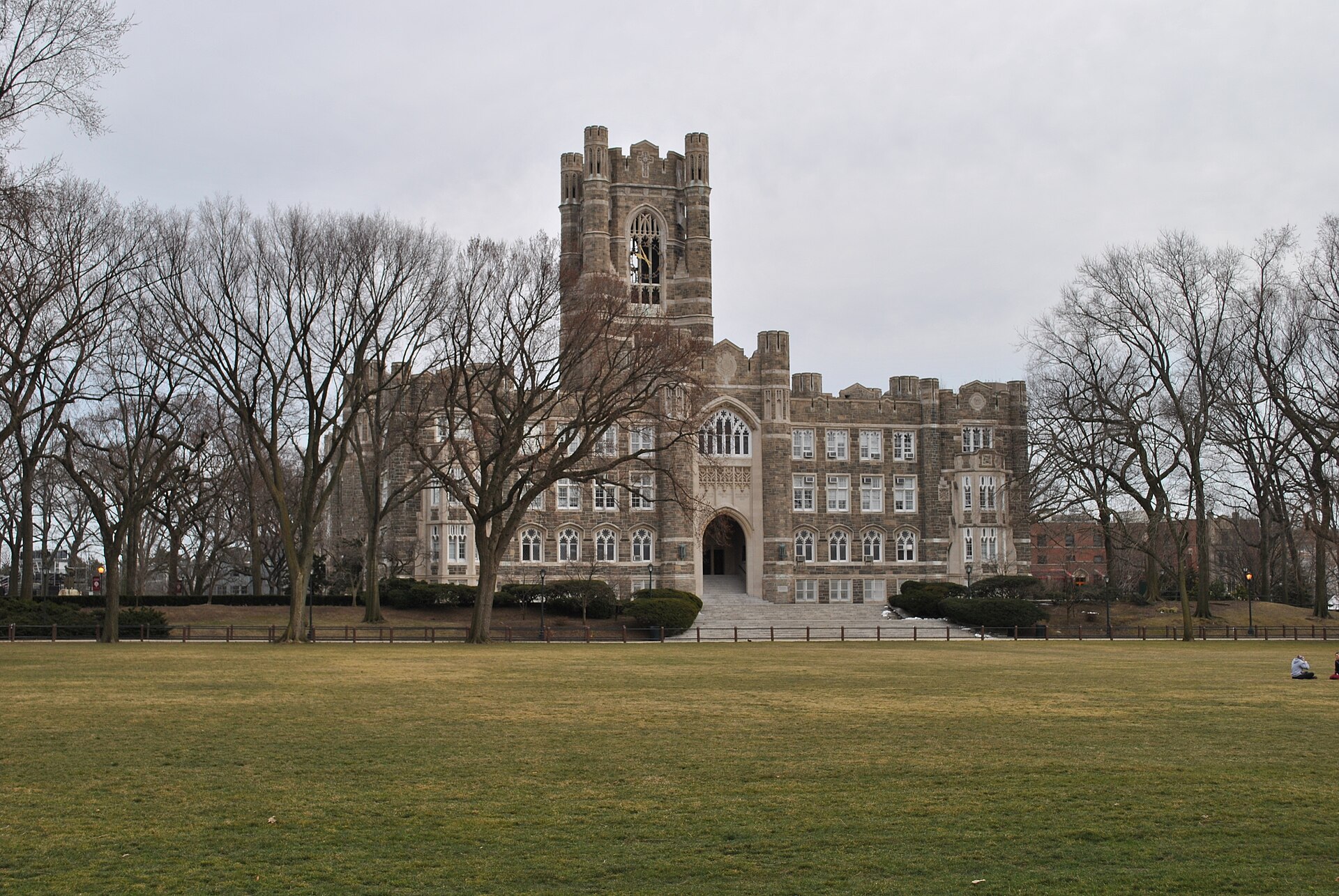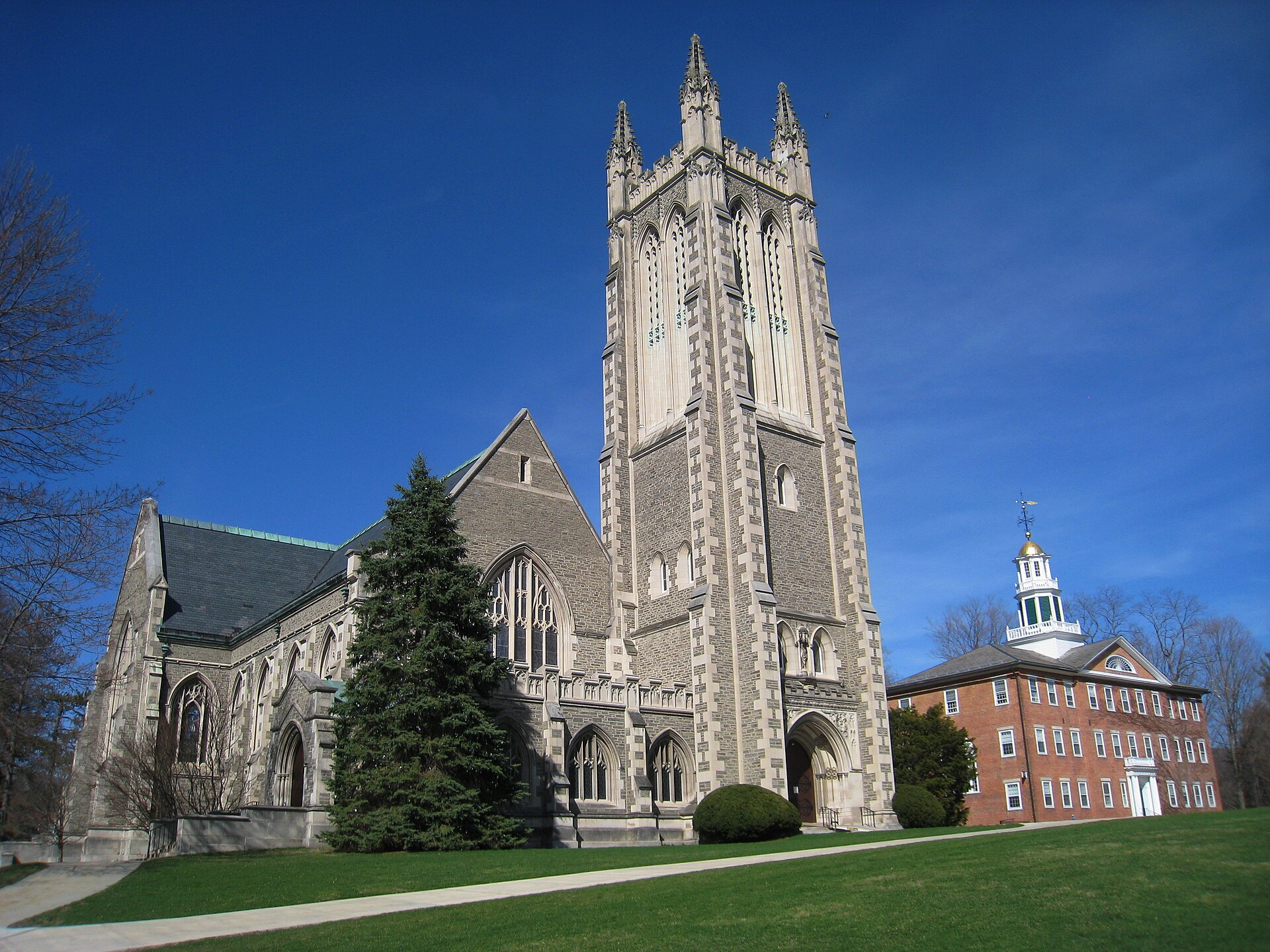
Williams College at a glance: Williams College is a private liberal arts college in Williamstown, Massachusetts, founded in 1793. It is best known for its top-ranked liberal arts education, distinctive Oxford-style tutorials, strengths in economics, art history, and the sciences, and a close-knit campus in the Berkshires. Families weighing Williams College against peer schools can schedule a consultation to build a targeted college list.
Source: Williams College (www.williams.edu).
What Is Williams College Known For?
Williams College is known, above all, as one of the finest liberal arts colleges in the country, consistently ranked at the very top. Founded in 1793 and set in the small town of Williamstown in the Berkshires of Massachusetts, Williams offers an intimate, undergraduate-focused education built around close work with faculty. It is especially known for its distinctive tutorial system, modeled on Oxford, and for strengths in economics, art history, English, and the sciences. For many families, the appeal of Williams lies in the combination of academic excellence, a small and close-knit community, and the personal attention that comes with a college devoted entirely to undergraduates.
What sets Williams apart is the depth of its commitment to teaching and mentorship. The college is known for its tutorials, in which one or two students meet regularly with a professor to debate ideas and defend their own work, an experience few institutions offer. Williams is also known for its beautiful rural setting, strong sense of community, and the resources of a well-funded college, including access to the nearby Clark Art Institute. Prospective students are often drawn by the promise of rigorous academics, genuine relationships with professors, and a residential experience where learning extends well beyond the classroom.
Which Academic Programs Is Williams College Best Known For?
Economics. Williams is known for a standout economics department, one of its most popular and respected programs, with strong outcomes in finance and graduate study.
Art History. The college is renowned for art history, supported by its own museum and the nearby Clark Art Institute, and is considered a leader in the field.
The Tutorial System. Williams is distinctive for its Oxford-style tutorials, in which small groups of students work closely with a professor to develop and defend their ideas.
The Sciences. Strong programs in biology, chemistry, physics, and mathematics offer rigorous preparation and abundant research opportunities for undergraduates.
English and the Humanities. Williams is known for excellent programs in English and the humanities, reflecting its strong liberal arts foundation.
Political Science. Williams offers a respected political science program that prepares students for careers in law, policy, and public service.
| Category | What Williams College Is Known For |
|---|---|
| Type | Private liberal arts college |
| Location | Williamstown, Massachusetts |
| Founded | 1793 |
| Best known for | Liberal arts, tutorials, economics, and art history |
| Signature strengths | Economics, art history, and the tutorial system |
| Distinction | Consistently ranked among the very top liberal arts colleges |
| Campus life | Small and close-knit, residential, in the rural Berkshires |
What Is Williams College Known For Beyond the Classroom?
Beyond the classroom, Williams is known for a vibrant residential community shaped by its small size and rural setting. Students take part in a wide range of activities, from a strong Division III athletic tradition to the arts, outdoor programs, and student organizations that make the most of the surrounding Berkshires. The college is known for traditions like Mountain Day, when classes are canceled for a fall hike, and for a culture in which students, faculty, and staff know one another well. The nearby Clark Art Institute and the college’s own museum enrich campus life. This blend of academics, athletics, the arts, and the outdoors gives Williams a distinctive character.
What Is Williams College’s Campus Culture Like?
Williams’s campus culture is known for being close-knit, collaborative, and grounded in a strong sense of community. With a small student body in a rural town, students form genuine relationships with peers and professors, and collaboration tends to outweigh competition. The college draws talented, engaged students who are serious about learning but also deeply involved in athletics, the arts, and outdoor life. The setting encourages a balanced, immersive experience where academic and social life are closely intertwined. For students who want personal attention, meaningful mentorship, and a supportive community in a beautiful setting, Williams offers a distinctive and rewarding college experience.
What Career Outcomes Is Williams College Known For?
Williams is known for exceptional outcomes despite its small size. Its graduates are highly successful in fields such as finance, consulting, law, medicine, academia, and the nonprofit sector, and the college has a strong record of placing students into top graduate and professional programs. The rigorous liberal arts training, close faculty mentorship, and a loyal, well-connected alumni network give graduates a powerful foundation. Williams is especially known for producing a high proportion of students who go on to earn doctorates and for strong outcomes in economics and finance. For families focused on long-term success and access to elite graduate programs, Williams offers outstanding results.
What Type of Student Thrives at Williams College?
The students who thrive at Williams tend to be intellectually curious, self-motivated, and drawn to close engagement with faculty and peers. They value small classes, the tutorial experience, and a tight-knit residential community rather than the anonymity of a large university. Strong candidates typically show excellence in a rigorous curriculum, genuine intellectual engagement, and meaningful involvement in activities such as athletics, the arts, or leadership. Williams looks for students who will contribute to and benefit from its collaborative community. Applicants who convey authentic curiosity, character, and a desire for mentorship tend to stand out in a highly selective pool.
If Williams College’s strengths line up with your goals, the next step is turning interest into a plan. Our college admissions timeline, along with Williams Supplemental Essays Strategy: Prompts, Approach, and Strategy for 2025-2026, and How to Ask for and Get a Strong Recommendation Letter for College, can help you map testing, activities, and essays around a Williams College application.
How Does Williams College Compare to Its Peers?
Compared to its peers, Williams stands out for its tutorial system and its consistent standing at the very top of liberal arts colleges. It competes for students with Amherst, Swarthmore, and other elite liberal arts colleges, as well as with top research universities, but it distinguishes itself through its Oxford-style tutorials, its rural residential setting, and its particular strengths in economics and art history. Where research universities offer greater scale and graduate programs, Williams is known for personal attention and an undergraduate-centered experience. For students weighing similar colleges, the deciding factor is often whether they want the intimacy, mentorship, and community that define Williams. See our Williams acceptance rate analysis for how that competition shows up in the numbers.
Related reading: As you weigh where Williams College fits among your options, see our guide on how to build a college list and use the College List Builder to sort your targets into reach, match, and safety schools.
Frequently Asked Questions About Williams College
Yes. Williams offers a top-ranked liberal arts education, close faculty mentorship, and outstanding outcomes in graduate study and fields like finance and consulting, making it an excellent choice for ambitious students.
Williams is best known for its distinctive tutorial system and for strong programs in economics, art history, English, and the sciences, all within a top-ranked liberal arts education.
In a Williams tutorial, one or two students meet regularly with a professor to present and defend their work. Modeled on Oxford, it offers a level of individualized, discussion-based learning few colleges provide.
Admission is highly competitive. Successful applicants show excellence in a rigorous curriculum, genuine intellectual engagement, and meaningful involvement in activities such as athletics, the arts, or leadership.
Yes. Economics is one of the most popular and respected programs at Williams, and the college has a strong record of placing graduates into finance, consulting, and top economics graduate programs.
Williams offers small classes, close faculty mentorship, and a tight-knit residential community, while research universities offer greater scale and graduate programs. The better fit depends on whether a student values intimacy and personal attention.
Williams fits intellectually curious, self-motivated students who want close engagement with faculty and a close-knit community. The strongest candidates value mentorship, small classes, and involvement beyond academics.
A strong application shows academic excellence, authentic intellectual curiosity, and genuine character, along with meaningful involvement. Williams values students who will thrive in and contribute to its collaborative, residential community.
Sources: Williams College, NCES College Navigator, College Board BigFuture, College Scorecard, NACAC.
About Oriel Admissions
Oriel Admissions is a Princeton-based college admissions consulting firm advising families nationwide on elite university admissions strategy. Our strength is a deeply experienced team and a distinctive 360 approach that treats every part of the application – academics, testing, activities, essays, and interviews – as one connected strategy. To discuss your strategy, schedule a consultation.