College AI Policies: Which Schools Ban, Allow, or Ask You to Reflect on AI in Applications
By Rona Aydin
TL;DR: College AI policies for application essays now split into four camps. Yale, Cornell, Brown, Columbia, and Georgetown prohibit AI generated content in application materials, with Brown permitting AI only for spelling and grammar checks. Duke invites reflection, adding an optional supplemental prompt for the 2025-2026 cycle asking when applicants would or would not choose to use AI. A verification camp is growing, with Brown, UChicago, and Caltech adding short video introductions so admissions officers can hear the applicant directly. And a large group, including Stanford and MIT, publishes no AI specific rule, while Harvard now folds AI output by name into its application fraud standard and Northwestern publishes official guidance permitting brainstorming and proofreading but barring AI written text, leaving generative use elsewhere governed by academic integrity codes that already prohibit misrepresentation. Above them all sits the Common App, whose fraud policy treats submitting AI generated work as your own as application fraud at every member college.
Sources: university admissions guidance and application prompts, 2025-2026 cycle; Common App fraud policy; university statements as reported.
The Question Every Family Is Asking, and the Non Answer Most Colleges Give
Whether applicants may use AI on college essays has become the defining process question of this admissions era, and the policy landscape answering it is genuinely uneven. A minority of selective colleges have written explicit rules. A few have redesigned parts of the application itself in response. Most have said little, which does not mean permission: every application already runs through certification statements and integrity codes that predate ChatGPT and cover it completely. This page tracks what the most selective universities have actually published, prompt by prompt and policy by policy, so families are working from text rather than rumor.
One structural fact anchors everything below. The Common App, through which nearly every school on this page accepts applications, defines submitting work that is not your own as application fraud, and its enforcement is complaint driven rather than automated: reporting indicates it investigates when fraud is alleged rather than scanning every essay. That baseline applies at every member college regardless of whether the college has written an AI paragraph of its own.
College AI Policies at a Glance: The Table
Stances below reflect published admissions guidance, application prompts, and public statements for the 2025-2026 cycle. Policies are moving fast; the school’s own admissions page is the final word in the season you apply.
| School | Stance | What the Policy Says | Basis |
|---|---|---|---|
| Yale | Prohibits AI generated content | Essays and materials must be the applicant’s own work; grammar checking tools acknowledged as acceptable | Admissions guidance |
| Cornell | Prohibits AI generated content | AI generated material may not be submitted in application materials | Admissions guidance |
| Brown | Prohibits generation; allows proofreading | AI permitted only for spelling and grammar review; content must be the applicant’s own | Admissions guidance |
| Duke | Reflection invited | Added an optional 2025-2026 prompt asking when applicants would or would not use AI | Application prompt |
| UChicago | Verification layer | Short video introduction component so readers hear the applicant directly | Application components |
| Caltech | Verification layer; limited use | Video or personal explanation component; guidance treats AI like human help, not a ghostwriter | Admissions guidance |
| Johns Hopkins | No formal AI rule; guidance published | FAQ advises using AI as you would a person, never pasting AI text; disabled AI detection tools institutionally | Admissions FAQ and public statements |
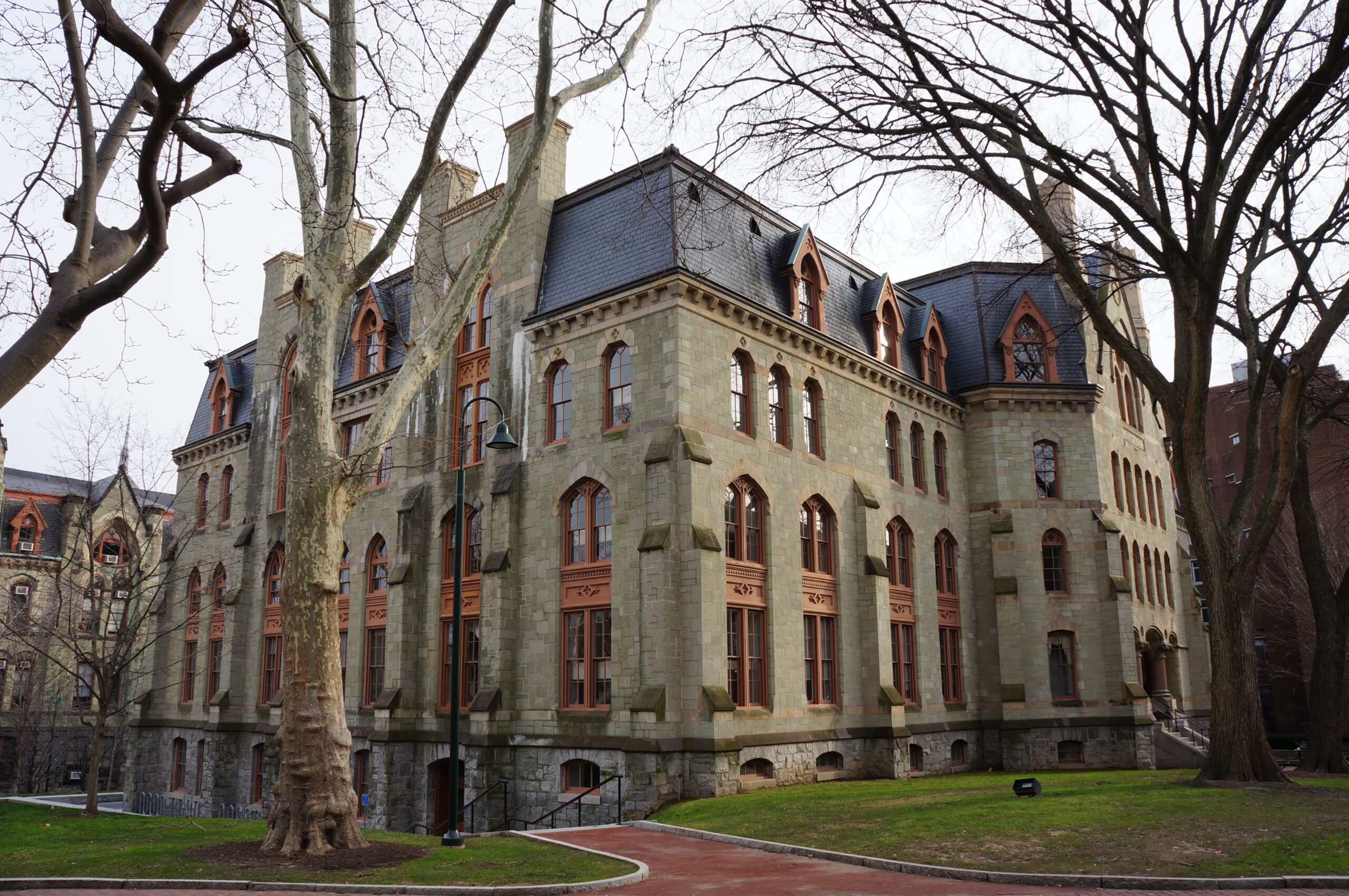
| Penn | No applicant AI rule stated | Has stated publicly that it does not use AI to read applications | Public statements |
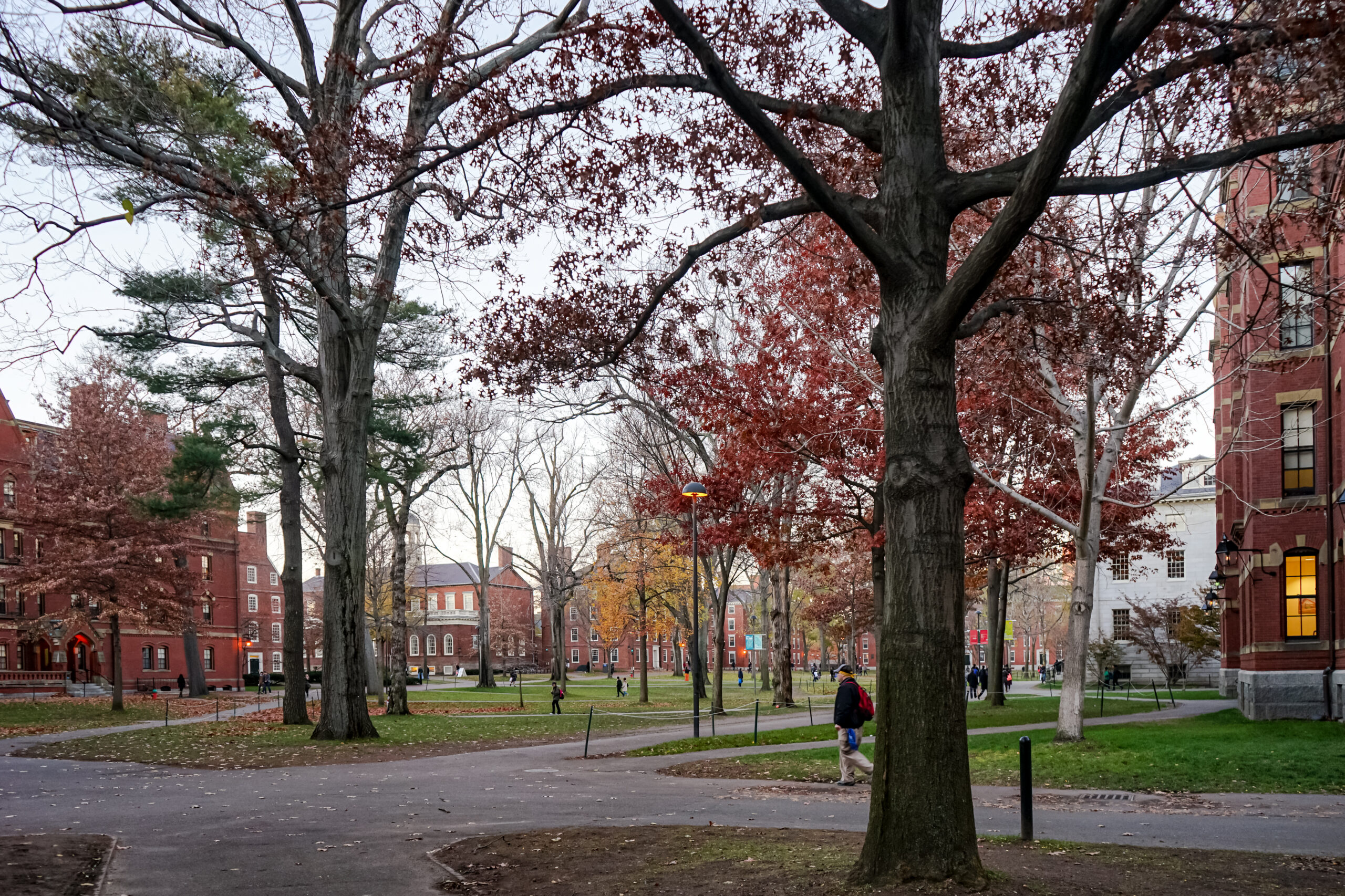
| Harvard | AI named inside the fraud standard | Admissions FAQ equates substantive AI output with application fraud and an Honor Code violation | Admissions FAQ and certification |
| Stanford | No AI specific admissions rule | Certification of authorship covers generative use | Conduct and certification framework |
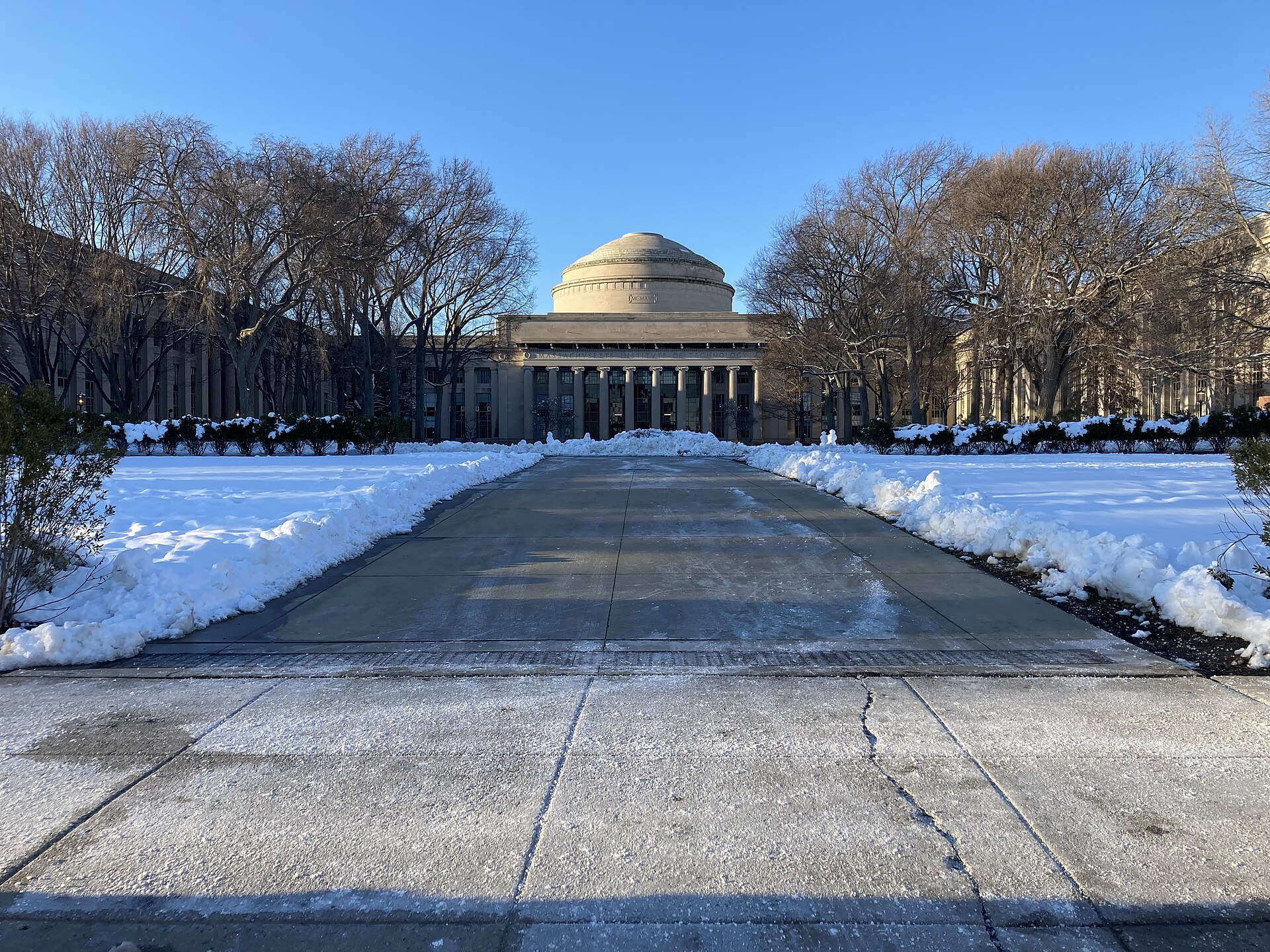
| MIT | No AI specific admissions rule | Authenticity expectations governed by existing integrity standards | Conduct and certification framework |
| Northwestern | Official guidance page | Undergraduate guidance permits brainstorming and grammar review but prohibits AI generated writing, translation, or reworking of essays | Admissions guidance page |
| University of California | Screens for it | Applications screened for plagiarism; unattributed AI generated content can be grounds for disqualification | System policy |
| BYU | Prohibits all generative AI use | Violations can lead to rescinded admission | Admissions policy |
| Common App (all member colleges) | Fraud rule | Submitting AI generated work as your own constitutes application fraud; investigations are report driven | Common App fraud policy |
| Columbia | Prohibited | States that AI programs may not be used to produce any application materials or responses; screening tools reported | Admissions policy |
| Dartmouth | Think partner only | Guidance permits AI for brainstorming and organization, but essays must be written by the applicant; readers watch for authentic voice | Dean guidance |
| Georgetown | Prohibited | Bars AI use in any portion of the application | Admissions policy |
The Four Camps, Read Strategically
The prohibition camp writes the clearest line: at Yale, Cornell, Brown, Columbia, and Georgetown, generative drafting is off the table by rule; Brown’s carve out for spelling and grammar names the only sanctioned use, and Columbia pairs its rule with reported screening tools. The reflection camp is subtler and arguably more revealing. Duke’s prompt does not ban the tool; it asks applicants to think in public about how they use it, converting AI literacy into essay material and honesty into a graded quality. The verification camp changes the medium instead of the rule: video introductions at Brown, UChicago, and Caltech exist because a two minute unscripted recording is difficult to outsource, giving readers one artifact no language model produced. And the silent majority is not permissive; it is procedural. When Harvard, Stanford, and MIT accept a certification that the work is the applicant’s own, an AI written essay violates the application without the letters A and I appearing anywhere in policy.
Detection deserves its own honesty. No top university has announced routine automated AI screening of essays, Johns Hopkins went the other direction and disabled AI detectors institutionally, and the UC system’s stated screening targets plagiarism with AI content as a disqualification ground rather than a scanning program. What readers do instead is compare: the essay against the graded writing sample where required, against short answer voice, against interview and video where those exist. Homogenized, polished, placeless prose fails that comparison even when no detector ever runs, which is the practical enforcement mechanism families should actually plan around.
What This Means for How Students Should Work
The safe harbor that survives every policy on the table is narrow and consistent: thinking assistance and mechanical review are broadly tolerated, generated language is not. A student can defensibly use AI the way they would use a librarian or a proofreader at most schools, and cannot defensibly paste generated sentences anywhere, at any school, under any policy above. The strategic layer sits on top: at Duke the smart move is having a genuine AI practice worth describing; at video schools it is treating the recording as the authenticity anchor the essay gets compared against; and at prohibition schools it is keeping a clean drafting trail, because brainstorm notes and dated drafts are the evidence that settles an authorship question in the applicant’s favor. Our guides to acceptable AI use in college essays and how colleges use AI on their side of the desk cover the two halves of that story in depth.
One forecast worth planning around: the reflection and verification camps are growing, not shrinking. A student entering the 2026-2027 cycle should assume more schools will ask what they did with AI and more will want to see and hear them unscripted, which makes an honest, articulate relationship with these tools an application asset rather than a liability to hide. The glimpse into that future already exists in the video introduction components spreading across selective admissions.
Frequently Asked Questions About College AI Policies
A minority publish explicit rules: Yale, Cornell, Brown, Columbia, and Georgetown prohibit AI generated content, with Brown allowing spelling and grammar checks only, while Duke invites applicants to reflect on their AI use in an optional dedicated prompt. Most others publish no AI specific rule, leaving generative use governed by certification statements and integrity codes that prohibit submitting work that is not your own.
Yale, Cornell, Brown, Columbia, and Georgetown prohibit AI generated content in application materials, BYU prohibits all generative AI use with rescission as a stated consequence, and the University of California treats unattributed AI generated content as grounds for disqualification. The Common App fraud rule extends a baseline prohibition to every member college.
Brown, UChicago, and Caltech have added short video introduction or personal explanation components, giving admissions readers an unscripted artifact to compare against the written application. The verification approach is spreading as more schools respond to AI polished essays.
For the 2025-2026 cycle Duke added an optional supplemental prompt asking when applicants would or would not choose to use AI. The prompt does not prohibit the tools; it evaluates the quality and honesty of the applicant’s thinking about them, which rewards students with a genuine, articulate AI practice.
No top university has announced routine automated AI detection of essays, and Johns Hopkins has stated it disabled AI detection tools. Readers rely instead on comparison: essay voice against graded writing samples, short answers, interviews, and video components, which catches outsourced prose more reliably than any detector.
Yes, essentially everywhere. Mechanical review for spelling and grammar is the one use explicitly sanctioned even inside prohibition policies, with Brown naming it as the sole permitted AI function and Yale and Caltech acknowledging grammar checking as acceptable. Generated sentences are where every policy draws the line.
Consequences run from a denied application to a rescinded offer, since the Common App classifies submitting work that is not your own as application fraud and schools like BYU state rescission explicitly. Because investigations are typically triggered by inconsistency or reports rather than scans, the practical protection is a clean drafting trail proving authorship.
Sources: Yale Admissions, Brown Admission, Duke Admissions, Caltech Admissions, Common App, University of California Admissions, NACAC.
About Oriel Admissions
Oriel Admissions is a Princeton-based college admissions consulting firm advising families nationwide on elite university admissions strategy. Our strength is a deeply experienced team and a distinctive 360 approach that treats every part of the application – academics, testing, activities, essays, and interviews – as one connected strategy. To discuss your strategy, schedule a consultation.