NYC Specialized High Schools and College Admissions: The Complete Guide for Stuyvesant, Bronx Science, Brooklyn Tech, and Beyond
By Rona Aydin

What does the NYC Specialized High School landscape actually look like?
| School | Enrollment | SHSAT Cutoff (2025) | Annual Seats | Notable Strength |
|---|---|---|---|---|
| Stuyvesant HS (Manhattan) | ~3,300 | ~533 | ~781 | Strongest Ivy placement, 30 APs, math/science excellence |
| Staten Island Tech | ~1,300 | 527 | 328 | Highest absolute cutoff, smallest selective pool |
| HSMSE @ CCNY (Manhattan) | ~440 | 526 | 140 | Pre-college rigor, CCNY partnership |
| Bronx Science | 2,600-2,800 | 518 | ~738 | Most STS finalists nationally, 9 Nobel alumni, Manne Institute |
| Queens HS for the Sciences @ York | ~440 | 518 | 116 | STEM-focused, small-school visibility |
| Brooklyn Tech | ~5,500 | 505 | ~1,490 | Largest single-campus HS in nation, broadest electives |
| HSAS @ Lehman (Bronx) | ~400 | 504 | 104 | Smallest specialized HS, intimate research environment |
| Brooklyn Latin | ~700 | 496 | 215 | Classical curriculum, Latin requirement, AP-heavy |
| LaGuardia HS (audition only) | ~2,800 | n/a (audition) | n/a | Performing/visual arts, separate admission |
The most common mistake families make is treating the specialized HS pool as monolithic. It is not. Stuyvesant produces roughly 4-5x the absolute Ivy admissions of Brooklyn Latin per year, but the per-capita Ivy ratio at Staten Island Tech is comparable to Stuyvesant’s despite Staten Island Tech’s lower national name recognition. The strategic question for any specialized HS family is not just “which school admits us” but “which school’s competitive density and academic culture match our specific student profile.”
How does Stuyvesant’s selective placement actually compare to elite NYC privates?
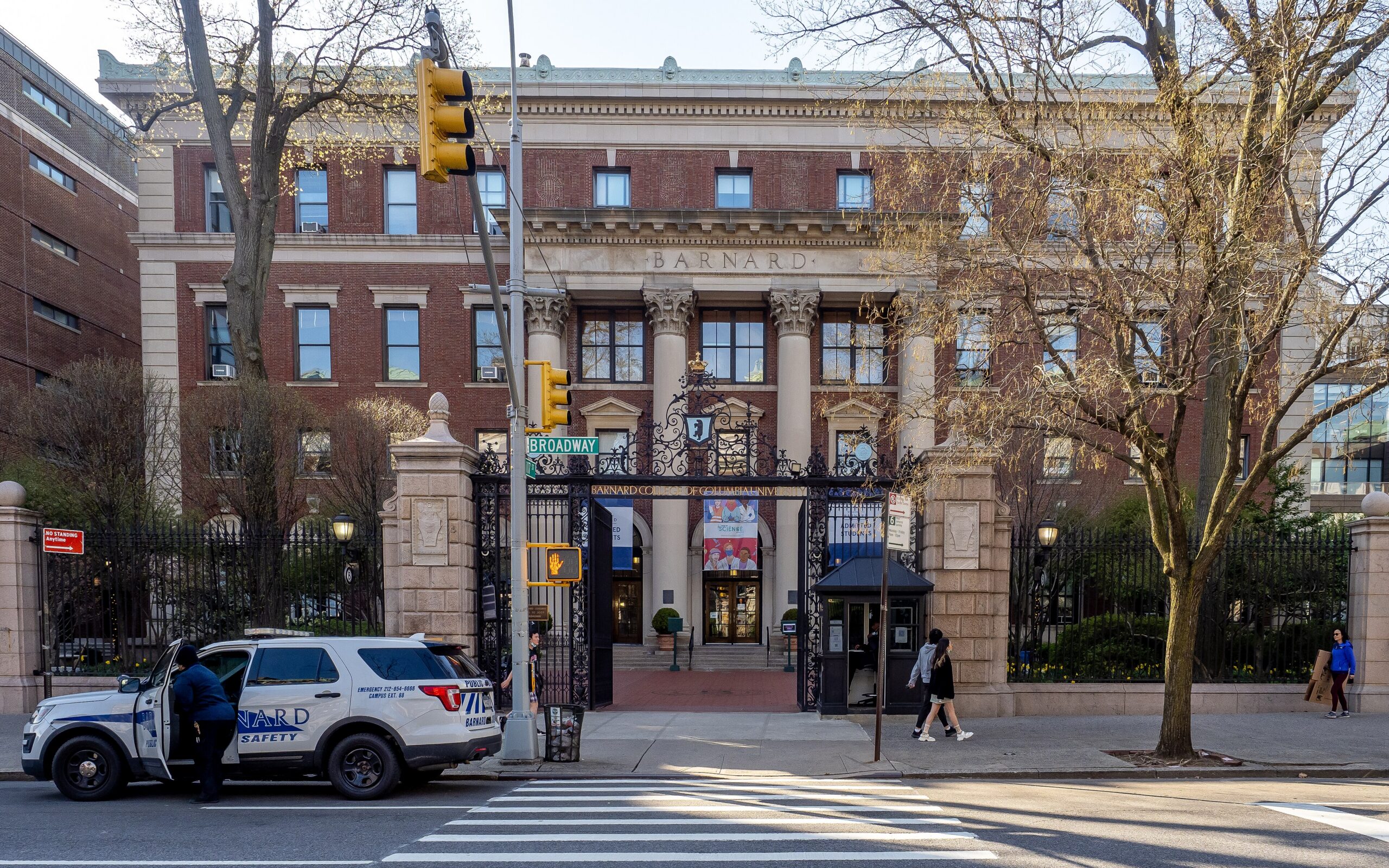
This is the question that drives most strategic Stuyvesant family conversations, and the data is concrete. Stuyvesant’s Class of 2025 SAT mid-50% range is 1480-1550 (788 students tested), with ACT mid-50% of 32-35. The school produced approximately 145 Ivy admits in 2020 and 133 in 2021 across a graduating class of ~870 students – roughly 15-17% of the class to Ivy League universities directly. Add Stanford, MIT, Duke, Chicago, Northwestern, and other top-15 universities, and Stuyvesant places approximately 30-35% of each class at top-15 universities.
The comparison with elite NYC privates is nuanced. Trinity, Brearley, Spence, and Collegiate place approximately 35-42% of their graduates at Ivy+ schools, slightly higher than Stuyvesant’s per-capita rate. The trade-offs are concrete: Stuyvesant has zero tuition versus $66,800-$69,000 at top NYC privates, but Stuyvesant lacks the institutional college-counseling depth and admissions-office relationship density of the elite privates. Stuyvesant’s grading is unweighted on a numerical 100-point scale with no class rank reported, which is generally favorable for top students who would otherwise be compared against a deep Stuy class rank. For deeper analysis of the elite NYC private alternative, see our Manhattan UES/UWS private school guide and Trinity/Riverdale/Chapin guide.
Why does Bronx Science compete differently from Stuyvesant for STEM admissions?
Bronx Science occupies a distinctive position in NYC specialized HS strategy. The school produces more Regeneron Science Talent Search semi-finalists and finalists than any other high school in the country, has 9 Nobel Prize laureate alumni, and opened the Manne Institute (a state-of-the-art science research facility) in 2023. The school’s four-year research program starts in 9th grade and produces sustained research output that admissions officers at MIT, Stanford, Caltech, and other STEM-heavy schools recognize directly. While Stuyvesant produces strong individual STEM applicants, Bronx Science produces them at higher concentration with more institutional research infrastructure.
The strategic implication for STEM-focused families: a Bronx Science applicant with research output through the Manne Institute or the school’s research program competes credibly with Stuyvesant peers on identical statistics, often with stronger STEM-specific recommendation letters. Bronx Science’s smaller size (2,600-2,800 vs Stuyvesant’s 3,300) also means top-decile students gain stronger individual visibility within the college office. For Stanford, MIT, and Caltech specifically, see our HTGI guides: MIT, Stanford.
What is the competitive density problem at Brooklyn Tech?
Brooklyn Tech enrolls approximately 5,500 students – the largest single-campus high school in the United States – and graduates approximately 1,300-1,400 per year. The school produces strong absolute Ivy volume (typically 60-90 Ivy admits per year across all eight Ivies), but the absolute volume conceals an intense competitive density problem. With approximately 200-300 students per class targeting top-30 universities, Brooklyn Tech applicants compete primarily against their own classmates for limited Cornell, Columbia, NYU, and Penn slots.
The strategic implication is that Brooklyn Tech’s eight specialized “majors” matter substantially for admissions positioning – students in the more selective majors (Mathematics, Physical Science, Software Engineering) compete in distinguishable internal pools that admissions officers recognize. The standard Brooklyn Tech profile – good GPA, 1450+ SAT, multiple APs – does not differentiate among 200 similar Brooklyn Tech applicants. The differentiator is distinctive depth: original research, national competitive recognition, sustained creative output, or measurable community impact projects.
How do admissions officers read specialized HS applications?
Princeton, Penn, Yale, Cornell, Columbia, and other top-30 universities have NYC admissions officers who read every NYC application each cycle. These officers know Stuyvesant, Bronx Science, and Brooklyn Tech intimately, including each school’s grading scale, course rigor variations, and competitive density. They bring implicit context (the kind of school-specific calibration documented annually in the NACAC State of College Admission report) that NJ or out-of-state files do not receive: the Stuyvesant AP Calculus BC student is read against the Stuy AP Calculus BC reference distribution, not the national reference. This is generally favorable for top-decile students at the top specialized schools, where high grades signal genuine excellence rather than possible grade inflation.
The flip side: a 92 average at Stuyvesant reads to admissions officers as roughly equivalent to a 95-96 at a less competitive NYC school. Admissions officers do not penalize specialized HS students for absolute grade differences relative to easier schools, but they also do not over-weight grades earned in the specialized HS environment relative to demonstrated excellence elsewhere in the application. The strongest specialized HS applications combine school-context-aware grades with distinctive achievement that any admissions reader would recognize regardless of school context.
What test scores should specialized HS applicants target?
| School Tier Target | Competitive Floor | Strong Likely Admit |
|---|---|---|
| HYPSM (Princeton, Yale, Harvard, Stanford, MIT) | 1530 SAT / 34 ACT / 92+ Stuy avg | 1560+ / 35-36 / 95+ Stuy avg + spike |
| Other Ivies + Top 15 (Penn, Cornell, Duke, JHU, Columbia) | 1500 SAT / 33 ACT / 90+ Stuy avg | 1530+ / 34-35 / 93+ Stuy avg |
| Top 16-30 (NYU, Vanderbilt, WashU, Emory, Michigan) | 1450 SAT / 32 ACT / 88+ Stuy avg | 1500+ / 33-34 / 91+ Stuy avg |
For benchmarking, see our Ivy League Academic Index calculator. Stuyvesant’s published mid-50% SAT range of 1480-1550 spans the entire applicant pool; Ivy-bound Stuy students cluster at 1530-1580.
How should specialized HS freshman and sophomore families prepare?
For 9th and 10th grade specialized HS families, four priorities matter most. First, sustain academic performance against the school’s competitive density – a top-quartile Stuyvesant or Bronx Science position by junior year requires consistent freshman-sophomore performance, not last-minute junior-year acceleration. Second, identify 2-3 substantive activity commitments that can run all four years, with at least one offering measurable output by junior year. Third, plan substantive summer activities (research programs, university summer courses, internships) starting summer after freshman year. For Bronx Science specifically, the school’s research program structure makes summer research extension natural; for Stuyvesant, families need to source research opportunities independently through Columbia, NYU, Mount Sinai, or Weill Cornell.
Fourth, start the academic spike conversation early. The strongest specialized HS applications have a clear thematic identity by junior year – the math student building toward USAMO and Regeneron, the writer placing in national competitions, the researcher with a published paper. Spike development requires 2-4 years and cannot be manufactured in senior fall. For year-by-year guidance, see our summer planning guide for rising juniors and our best summer programs for NYC and NJ students.
What are the most common specialized HS application mistakes?
Five mistakes recur. First, treating Cornell, NYU, and Columbia as automatic safeties because of geographic proximity – these schools admit at low single-digit rates and read thousands of strong NYC files annually. Second, generic essays that recycle prose any specialized HS student could have written. Third, manufactured spikes invented in summer before senior year that admissions officers see through immediately. Fourth, score-chasing past the point of marginal return – retaking the SAT from 1540 to 1570 produces less value than spending those weekends on spike development. Fifth, under-leveraging the school’s institutional research infrastructure (especially at Bronx Science, where the Manne Institute and four-year research program create natural pipelines that students must actively engage to benefit from).
For deeper analysis of why high-stat applicants get rejected, see why valedictorians get rejected from Ivies. For ED decision frameworks, see our Early Decision strategy guide.
Where do specialized HS graduates typically apply?
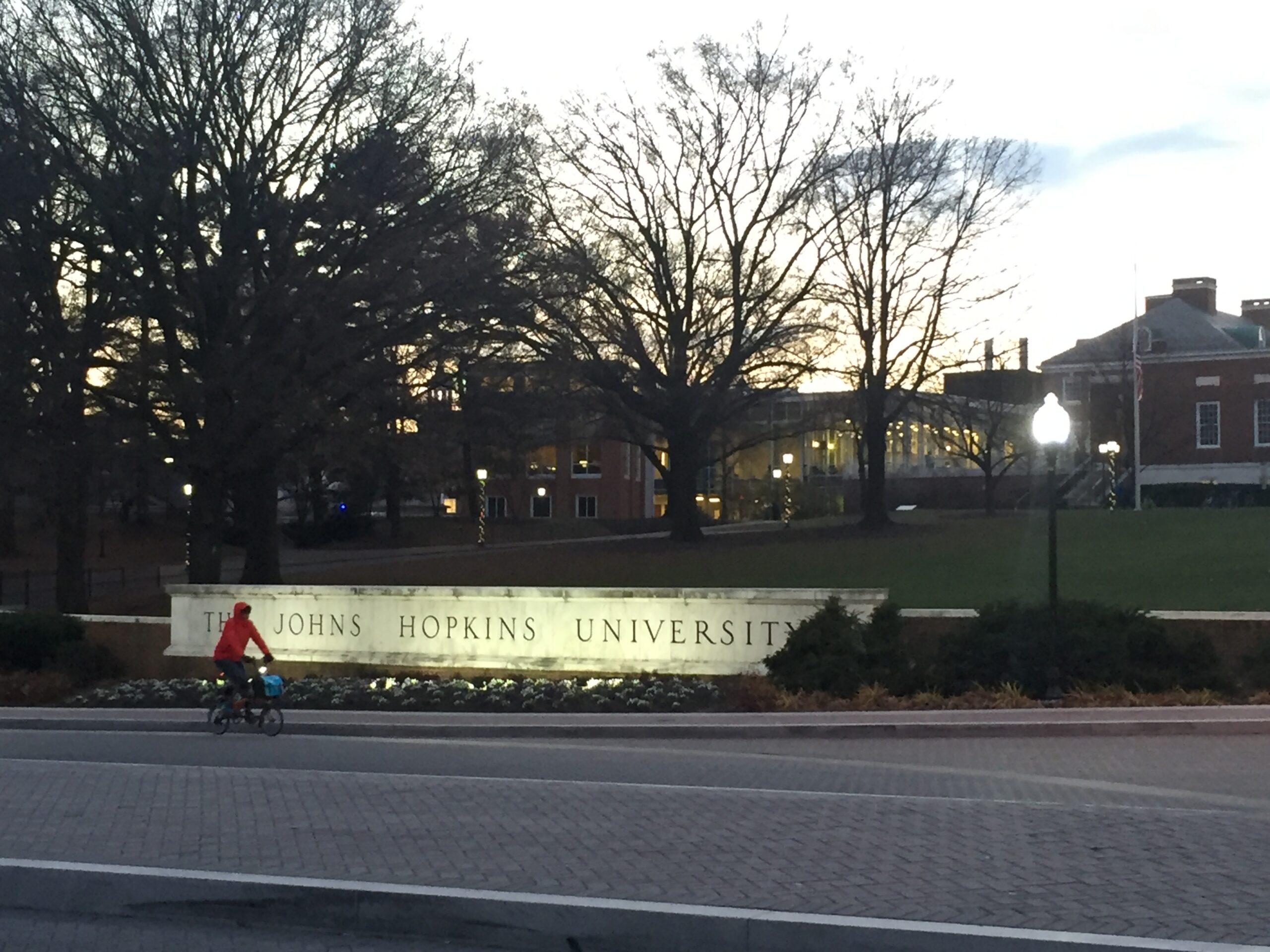
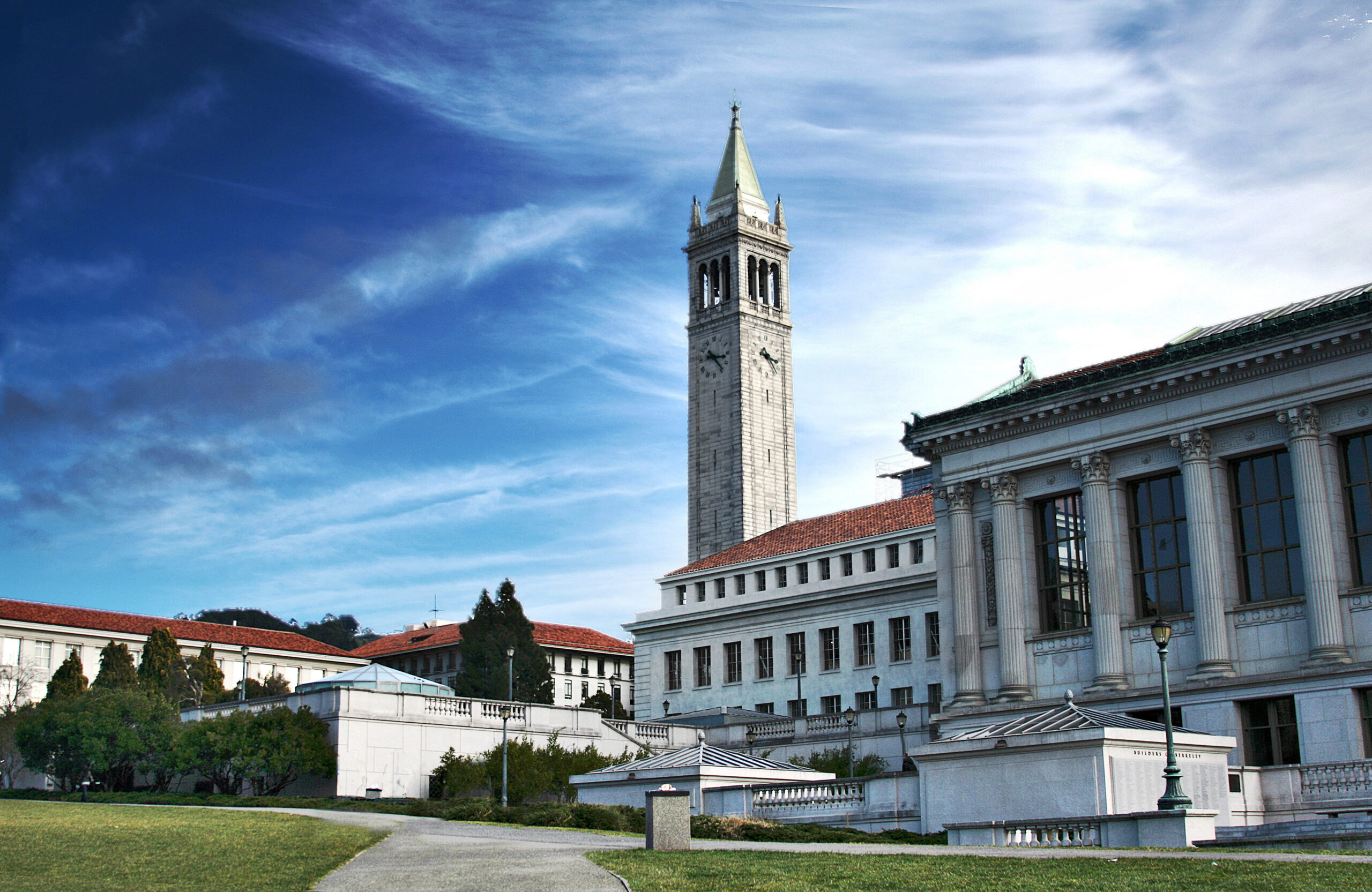
Across Stuyvesant, Bronx Science, Brooklyn Tech, and the smaller specialized HS, the most frequent application targets cluster around Cornell, Columbia, NYU, MIT, Stanford, Carnegie Mellon, Caltech, Penn, Princeton, Yale, and the UC system (especially Berkeley and UCLA). NYU is unusually popular due to geographic proximity, but the Stuy/Bronx Sci/Brooklyn Tech NYU admit rate is competitive with the national average rather than elevated. Cornell is similarly popular due to broad academic offerings matching diverse specialized HS student interests. For school-specific guidance, see our HTGI cluster: Cornell, Columbia, NYU, MIT, Johns Hopkins, and Princeton.
Frequently Asked Questions About NYC Specialized High School College Admissions
New York City has nine specialized high schools, among them Brooklyn Tech, Stuyvesant, and Bronx Science, that admit students based almost entirely on the Specialized High Schools Admissions Test (SHSAT), a competitive entrance exam. One school, LaGuardia, admits by audition for the arts instead. Admission is purely score-based for the eight test schools, so students compete for limited seats through the SHSAT rather than through grades, essays, or interviews.
It can do both. A rigorous specialized school signals you thrived in a demanding environment, but intense internal competition means many strong students cluster near the middle of the class. Colleges read each applicant in the context of the school, so excelling at a specialized high school is impressive, yet the school’s reputation alone does not carry an applicant. Standing out within a high-powered cohort is the real challenge.
Yes; admissions officers at selective colleges are familiar with these exam schools, including Brooklyn Tech, Bronx Science, and Stuyvesant, and they understand such schools are highly competitive and academically demanding. They use the school profile to interpret grades and rigor in context. This recognition means strong performance at a specialized school is valued, though it also raises expectations, since officers know the caliber of the student body at these institutions.
Many specialized high schools do not officially rank students, partly because the student body is so uniformly strong that small grade differences would create misleading rankings. Colleges instead rely on the school profile, grade distributions, and rigor to assess where an applicant stands. The absence of formal rank can help students who might otherwise look average by number, but officers still gauge relative strength within these competitive cohorts.
Specialized high schools are tuition-free public schools admitting students by exam, while elite NYC private schools charge high tuition and admit through a holistic process including applications, interviews, and testing. Private schools often offer extensive college counseling and smaller classes, whereas specialized schools are larger and exam-driven. Both send students to top colleges, but they differ in cost, size, admissions, and the level of individualized support available.
Somewhat, at the most selective national colleges; New York City, and these high-profile schools in particular, send many strong applicants to elite universities, so students compete against well-prepared peers from the same place. Colleges seeking geographic breadth may admit a limited number from any one school or region. This is not a strict quota, but NYC specialized-school students benefit from distinctive profiles rather than relying on their school’s name.
Admissions officers use each school’s profile, which shows grade distributions and curriculum rigor, to interpret a transcript fairly, recognizing that a given GPA at a demanding specialized school reflects a tougher environment than the same number elsewhere. They do not simply compare raw grades across schools. A solid record at a rigorous magnet is read in context, so students are not penalized for the school’s competitiveness, though expectations remain high.
Yes; selective colleges evaluate applicants against the opportunities available at their school, so a standout student from a less famous NYC high school can be highly competitive. Officers look for students who maximized what their school offered, pursued rigor, and excelled. Attending a specialized school is not required for top-college admission, and a compelling profile from any strong NYC school can succeed, since context and individual achievement drive decisions.
About Oriel Admissions
Oriel Admissions is a Princeton-based college admissions consulting firm advising families nationwide on elite university admissions strategy. Our team includes former admissions officers from Harvard, Princeton, and Columbia. To discuss your family’s admissions strategy, schedule a consultation.