Queens is home to some of New York City’s most academically rigorous specialized and magnet high schools, institutions that consistently send graduates to the nation’s top colleges and universities. For families navigating the college admissions process from these schools, the advantages are real but so are the challenges. A strong school name on your transcript opens doors, but when dozens of your classmates are applying to the same selective colleges with similarly impressive profiles, standing out requires a deliberate and well-informed strategy.
This guide is designed specifically for students and families at Queens specialized and magnet schools. Whether your student attends Townsend Harris High School, Queens High School for the Sciences at York College, the Baccalaureate School for Global Education, or one of the other elite public high schools profiled below, you will find actionable guidance on how admissions officers evaluate applicants from these schools, how to differentiate your candidacy, and how to build a college list that reflects both your ambitions and your realistic options.
Understanding the Queens Specialized and Magnet School Landscape
The specialized and magnet school system in Queens operates differently from other New York City boroughs. While Brooklyn and Manhattan have their own competitive exam schools, Queens has carved out a distinctive niche that combines rigorous academic preparation with diverse student populations drawn from one of the most ethnically varied counties in the United States. This diversity is a genuine asset in the college admissions process, but it also creates a competitive internal environment that families must understand.
Queens specialized high schools admit students through a combination of the Specialized High Schools Admissions Test (SHSAT), auditions, and portfolio-based admissions processes, depending on the school. Magnet schools in the borough typically use academic performance criteria, interviews, and geographic considerations for their admissions. Once enrolled, students encounter accelerated curricula that emphasize college-level coursework, independent research, and community engagement — all elements that form the backbone of a competitive college application.
Queens Specialized and Magnet School Profiles
Each school in Queens carries its own reputation among college admissions officers, its own counseling resources, and its own patterns of college matriculation. Understanding your specific school’s profile is the first step toward building a strong application strategy.
Townsend Harris High School
Located on the campus of Queens College in Flushing, Townsend Harris is widely considered one of the top public high schools in New York City and the nation. The school offers a rigorous humanities-centered curriculum with strong Advanced Placement and college-level course offerings through its partnership with Queens College. Students can earn college credits before graduating, giving them a tangible academic edge. Townsend Harris graduates consistently matriculate to Ivy League schools, top liberal arts colleges, and elite public universities including the Macaulay Honors College at CUNY. The school’s college counseling office is well-regarded and maintains strong relationships with admissions offices at selective institutions. However, the sheer number of high-achieving applicants from Townsend Harris means students must find ways to distinguish themselves beyond strong grades and test scores.
Queens High School for the Sciences at York College
Admitted through the SHSAT, Queens High School for the Sciences (QHSS) is one of New York City’s nine specialized high schools. Located on the York College campus in Jamaica, the school has a strong STEM focus and provides students with access to college-level laboratory facilities and research opportunities. QHSS students frequently participate in prestigious science competitions including the Regeneron Science Talent Search, Science Olympiad, and various math competitions. The school’s relatively small size — typically graduating classes of around 130 students — means that college counselors can provide more individualized attention than at the larger specialized high schools like Stuyvesant or Bronx Science. QHSS graduates routinely attend top engineering and science programs across the country, including MIT, Carnegie Mellon, Georgia Tech, and the Ivy League.
Baccalaureate School for Global Education
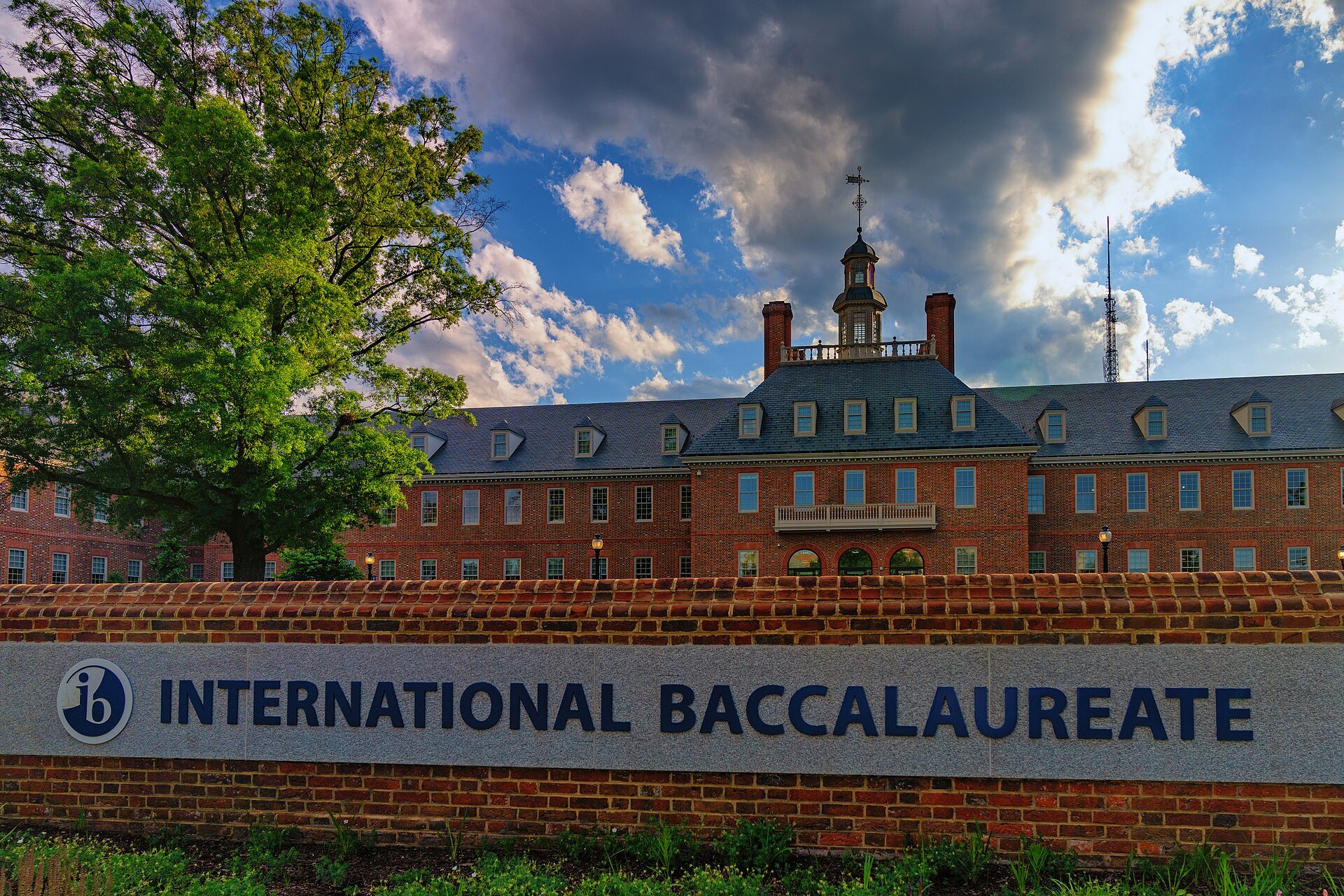
The Baccalaureate School for Global Education in Astoria is one of a small number of public schools in New York City authorized to offer the International Baccalaureate (IB) Diploma Programme. The IB curriculum is recognized worldwide and is particularly valued by admissions officers at selective colleges for its breadth, rigor, and emphasis on critical thinking. Students at Baccalaureate complete the full IB diploma, including the extended essay, Theory of Knowledge course, and Creativity, Activity, Service (CAS) requirements. This holistic framework naturally develops the kind of well-rounded applicant profile that selective colleges seek. The school’s global perspective and emphasis on international-mindedness can be a powerful differentiator in college applications, particularly for students interested in international relations, policy, or global studies programs.
Robert F. Kennedy Community High School
Located in Flushing, Robert F. Kennedy Community High School operates as a magnet school with a focus on community engagement and social justice. While not as widely known nationally as Townsend Harris or QHSS, the school has developed a solid track record of preparing students for competitive college admissions. Its smaller learning community model allows for closer student-counselor relationships, which can be especially valuable during the college application process.
East-West School of International Studies
Located in Flushing, the East-West School of International Studies offers a globally oriented curriculum with strong language programs, particularly in Mandarin Chinese, Japanese, and Korean. The school’s emphasis on cross-cultural understanding and language proficiency can be a meaningful differentiator for college-bound students, especially those applying to institutions that value international perspectives and multilingual abilities. Students have access to exchange programs and international partnerships that add depth to their extracurricular profiles.
Benjamin N. Cardozo High School
Cardozo is a large comprehensive high school in Bayside that offers several specialized programs, including a Law and Humanities Academy, a Business Academy, and a STEM Research program. While not a specialized high school by the SHSAT definition, Cardozo’s magnet programs attract high-achieving students from across Queens and provide pathways that can strengthen college applications. The school’s law program is particularly noteworthy and has sent graduates to top pre-law programs and universities with strong political science and government departments.
School-by-School Comparison Table
| School | Location | Admission Method | Academic Focus | Approx. Graduating Class Size | Notable College Outcomes |
|---|---|---|---|---|---|
| Townsend Harris High School | Flushing (Queens College Campus) | Application, grades, attendance, test scores | Humanities, AP, College-Level Courses | 250–270 | Ivy League, Macaulay Honors, Top LACs |
| Queens HS for the Sciences at York College | Jamaica (York College Campus) | SHSAT | STEM, Research | 120–140 | MIT, Carnegie Mellon, Ivy League, Top STEM Programs |
| Baccalaureate School for Global Education | Astoria | Application, interview, grades | IB Diploma Programme, Global Studies | 80–100 | NYU, Columbia, Georgetown, Top International Programs |
| East-West School of International Studies | Flushing | Application, grades | International Studies, Languages | 100–120 | CUNY Honors, SUNY Flagships, Liberal Arts Colleges |
| Benjamin N. Cardozo High School | Bayside | Zoned + Academy Applications | Law, STEM, Business Academies | 800–1,000 | CUNY, SUNY, Selective Private Universities |
| Robert F. Kennedy Community HS | Flushing | Application, interview | Community Engagement, Social Justice | 100–130 | CUNY, SUNY, Selective Private Colleges |
How College Admissions Officers Evaluate Queens Specialized School Students
Admissions officers at selective colleges are well aware of the Queens specialized and magnet school ecosystem. Schools like Townsend Harris and QHSS have established reputations, and their school profiles — the documents counselors send to colleges alongside transcripts — provide admissions readers with the context they need to evaluate grades, course rigor, and class rank within your specific academic environment.
One of the most important things for Queens families to understand is that admissions officers evaluate your student within the context of their school. A 93 average at Townsend Harris or QHSS carries different weight than the same average at a less rigorous school. However, this contextual evaluation cuts both ways: if your school is known for producing strong applicants, admissions officers will expect more. They are looking for students who have not just survived the rigor but thrived within it — and who have contributed meaningfully to their school and community beyond the classroom.
At SHSAT-based schools like QHSS, admissions officers understand the selective admissions process students went through just to enroll. This baseline is acknowledged, but it does not grant automatic advantages. What matters most is what the student has done with the opportunities their school provides — whether that means independent research, leadership in student organizations, meaningful community service, or creative pursuits that reveal depth of character and intellectual curiosity.
College Counseling Resources at Queens Specialized Schools
College counseling quality varies significantly across Queens specialized and magnet schools, and families should have realistic expectations about the support their student will receive. Even at the best-resourced schools, counselors typically manage large caseloads that limit the amount of individualized attention available to each student.
| School | Estimated Counselor-to-Student Ratio | Counseling Strengths | Key Considerations |
|---|---|---|---|
| Townsend Harris HS | ~1:80 | Strong college advising office, established college relationships, active alumni network | High volume of competitive applicants means generic advice is common |
| Queens HS for the Sciences | ~1:60 | Small school allows for more personalized guidance, strong STEM application support | Less extensive network with non-STEM colleges |
| Baccalaureate School | ~1:50 | IB coordinator doubles as college advisor, strong support for international applications | Smaller staff means limited bandwidth during peak season |
| East-West School | ~1:70 | Good support for CUNY/SUNY applications, language program partnerships | Less experience with highly selective private college applications |
| Cardozo HS | ~1:300+ | Academy-specific counselors provide better support than general counseling | Very large school; proactive families benefit most |
Regardless of your school’s counseling resources, families at Queens specialized schools should consider supplementing school-based counseling with independent college advising. An experienced independent counselor can provide the individualized strategic guidance that even the best school-based counselors may not have the bandwidth to deliver — from refining your college list to crafting compelling essays and developing a cohesive application narrative.
Building a Strong College Application from a Queens Specialized School
Students at Queens specialized and magnet schools have access to extraordinary academic resources, but the college application process requires more than a strong transcript. Admissions officers are building a class, not just admitting individuals with the highest GPAs. Here is how to make the most of your Queens specialized school experience in your college applications.
Leverage Your School’s Unique Offerings
Each Queens specialized school offers distinctive opportunities that can set you apart. At QHSS, that might mean conducting original research in a York College laboratory. At Townsend Harris, it could mean taking college-level courses at Queens College that demonstrate intellectual maturity. At Baccalaureate, your IB extended essay can showcase deep academic engagement with a topic you are passionate about. The key is to take full advantage of these opportunities and then articulate clearly in your applications how they have shaped your intellectual development and future goals.
Develop a Distinctive Extracurricular Profile
One of the biggest challenges for students at competitive Queens schools is that extracurricular profiles can start to look alike. Science competition participation, student government, National Honor Society, community service clubs — these are all valuable but common among your peers. To stand out, focus on depth over breadth. Admissions officers would rather see sustained, meaningful commitment to two or three activities where you have made a genuine impact than a long list of superficial involvements. If you have a passion that is genuinely unique — whether that is starting a community organization in your Queens neighborhood, creating a podcast about the immigrant experience, or building a tech project that addresses a local need — lean into it. Authenticity and impact matter more than prestige.
Standardized Testing Strategy
Students at Queens specialized schools generally perform well on standardized tests, but high scores alone will not distinguish you in a pool of similarly high-scoring peers. The strategic question is not whether to take the SAT or ACT — most students at these schools should take one or both — but how to optimize your score relative to the applicant pools at your target colleges. For STEM-focused students at QHSS, strong SAT Math or ACT Science scores reinforce your academic profile, while strong verbal scores demonstrate breadth. At Townsend Harris or Baccalaureate, strong scores across the board are expected. If your test scores do not align with your classroom performance, consider whether a test-optional application might be strategically sound for certain schools on your list.
Recommended College List Strategy for Queens Specialized School Students
Building the right college list is one of the most consequential steps in the admissions process. Students at Queens specialized schools often focus heavily on brand-name institutions and overlook excellent schools that could be ideal academic, social, and financial fits. A well-balanced college list should include reach, target, and likely schools across several categories.
| Category | Description | Example Schools for Queens Students |
|---|---|---|
| Reach Schools | Highly selective (under 15% acceptance rate), strong match but admission is uncertain | Harvard, MIT, Columbia, Stanford, Princeton, Yale, UPenn |
| Competitive Targets | Selective (15–30% acceptance rate), strong academic fit with good admission odds | NYU, Boston University, Northeastern, University of Michigan, Georgia Tech, Carnegie Mellon |
| Solid Targets | Moderate selectivity (30–50% acceptance rate), high probability of admission | Stony Brook University, Binghamton University, Fordham University, RPI, University of Connecticut |
| Likely Schools | High admission probability (50%+ acceptance rate), strong academic and financial fit | Macaulay Honors College (CUNY), SUNY Honors Programs, Queens College, Hunter College |
A common mistake among Queens specialized school families is undervaluing the CUNY Macaulay Honors College, which offers a full-tuition scholarship, a laptop, a cultural passport, and access to exceptional academic programming. For many Queens families, Macaulay is not merely a safety option but an outstanding opportunity in its own right. Similarly, SUNY flagship campuses like Binghamton and Stony Brook offer strong academics at a fraction of the cost of private alternatives and should be seriously considered rather than treated as fallbacks.
Common College Destinations for Queens Specialized School Graduates
| College Category | Frequently Attended Schools | Typical Student Profile |
|---|---|---|
| Ivy League and Ivy-Plus | Columbia, Cornell, UPenn, Princeton, Yale, MIT, Stanford | Top 10% of class, strong test scores, standout extracurriculars, compelling personal narrative |
| Top Private Universities | NYU, Boston University, Northeastern, Carnegie Mellon, Georgetown | Strong academics, focused interests, good application execution |
| Top Public Universities | University of Michigan, Georgia Tech, UVA, UC Berkeley, UCLA | High GPA, competitive test scores, value-conscious families |
| CUNY and SUNY Honors | Macaulay Honors (CUNY), Binghamton, Stony Brook, Buffalo Honors | Strong academics, seeking affordability and proximity |
| Liberal Arts Colleges | Swarthmore, Williams, Amherst, Vassar, Colby | Intellectually curious, values small class sizes, strong writers |
The Financial Aid Landscape for Queens Families
Financial considerations play a major role in college decision-making for many Queens families. The borough’s socioeconomic diversity means that some families will be full-pay applicants while others will need substantial financial aid. Understanding how financial aid works at different types of institutions is essential for building a smart college list.
Need-blind admissions policies at the most selective colleges mean that your family’s ability to pay will not affect admissions decisions at schools like Harvard, Yale, Princeton, MIT, and Amherst. These institutions also tend to offer the most generous need-based financial aid packages, often meeting 100% of demonstrated financial need without loans. For Queens families with significant financial need, these schools can sometimes be more affordable than SUNY or CUNY once financial aid is factored in.
For families applying to schools in the middle selectivity range, financial aid packages can vary significantly. Merit scholarships at schools like Fordham, RPI, or Rochester can substantially reduce costs, and strong Queens specialized school students are well-positioned to compete for these awards. Running the net price calculator on each college’s website during the list-building phase — not after acceptances arrive — is one of the smartest things a family can do.
Timeline for College Preparation at Queens Specialized Schools
| Grade Level | Key Actions | Focus Areas |
|---|---|---|
| 9th Grade | Build strong academic foundation, explore extracurricular interests, begin community involvement | GPA building, activity exploration, reading widely |
| 10th Grade | Deepen extracurricular commitments, take PSAT, begin research or passion projects, visit local college campuses | Leadership development, academic deepening, preliminary college research |
| 11th Grade | Take SAT/ACT, begin college list research, take AP/IB exams, pursue summer programs, develop teacher relationships for recommendations | Test preparation, college visits, essay brainstorming, recommendation letters |
| 12th Grade — Fall | Finalize college list, complete applications, write and refine essays, submit Early Decision/Early Action applications by November deadlines | Application execution, essay polishing, interview preparation |
| 12th Grade — Spring | Complete Regular Decision applications, compare financial aid offers, make final enrollment decision by May 1 | Decision-making, financial aid comparison, enrollment deposits |
Writing the College Essay as a Queens Specialized School Student
Your personal essay is one of the most powerful tools you have for distinguishing yourself from the other high-achieving students at your school. Admissions officers read hundreds of essays from New York City specialized school students, and the ones that stand out are not necessarily about extraordinary experiences — they are about authentic reflection, clear voice, and meaningful insight.
Queens itself can be a rich source of essay material. Growing up in the most ethnically diverse urban area in the world shapes your worldview in ways that admissions officers find compelling. Whether it is navigating multiple cultural identities, commuting across the borough to attend your specialized school, or finding community in a neighborhood that is itself a microcosm of the globe, your Queens experience is part of what makes you unique. Do not underestimate the power of your everyday life as essay material.
Avoid common essay pitfalls that plague specialized school students: the “I did research in a lab and discovered my passion for science” essay, the “I studied for the SHSAT and learned the value of hard work” essay, or the “my immigrant parents sacrificed everything” essay are not inherently bad topics, but they are so common among your peers that they require exceptionally original execution to stand out. The best essays reveal something about how you think, what you value, and who you are becoming — not just what you have accomplished.
Letters of Recommendation Strategy
Strong letters of recommendation from teachers who know you well can make a decisive difference in competitive admissions decisions. At Queens specialized schools, where many students have similar academic profiles, a teacher’s detailed and enthusiastic endorsement can tip the balance in your favor.
Begin building relationships with potential recommenders early — ideally in 10th or 11th grade. Choose teachers in whose classes you have been genuinely engaged, not necessarily the classes where you earned the highest grade. Admissions officers value recommendations that speak to your intellectual curiosity, your contributions to class discussions, your resilience in the face of academic challenges, and your character. A recommendation from a teacher who can write a vivid, detailed letter about you as a thinker and a person is far more valuable than a generic letter from a teacher in a prestigious course.
At schools like QHSS and Townsend Harris, competition for the best recommenders can be intense. Ask early — by the end of your junior year — and provide your teachers with a detailed resume and personal statement so they have the material they need to write a compelling letter. Follow up with a thank-you note regardless of where you are admitted.
Common Mistakes Queens Specialized School Families Make in College Admissions
Even the most accomplished students and well-intentioned families make avoidable errors during the college admissions process. Here are the most common mistakes we see among Queens specialized school families, along with guidance on how to avoid them.
The first and most pervasive mistake is building a top-heavy college list. Many Queens families focus disproportionately on a handful of hyper-selective schools — the Ivy League, MIT, Stanford — without building a balanced list that includes schools where the student is likely to be admitted and to thrive. The reality is that admissions rates at these institutions are in the single digits, and even the strongest students from the best schools get denied. A college list with ten reaches and two safeties is a recipe for disappointment.
A second common mistake is failing to demonstrate genuine interest in schools that track it. Many colleges — especially those in the 15–40% acceptance range — monitor whether applicants attend information sessions, open their emails, visit campus, or connect with admissions representatives. Students who treat these schools as afterthoughts in their applications may find themselves waitlisted or denied despite strong credentials.
Third, many Queens families wait too long to engage with the financial aid process. Understanding your expected family contribution, running net price calculators, and identifying schools where your student is competitive for merit aid should happen during junior year, not after acceptances arrive in the spring of senior year. Families who plan proactively have more options and experience less financial stress.
Finally, many students underestimate the importance of fit. Prestige is not a substitute for the right academic environment, campus culture, geographic setting, and support systems. A student who thrives at a mid-sized research university in a college town may struggle at a large urban campus, or vice versa. Visit campuses when possible, talk to current students, and choose the school where you can imagine yourself growing — not just the school with the most recognizable name.
How Oriel Admissions Supports Queens Specialized School Families
At Oriel Admissions, we have extensive experience working with students from Queens specialized and magnet schools. We understand the unique dynamics of each school’s academic environment, counseling resources, and college placement patterns. Our approach is tailored to help Queens students identify and articulate what makes them distinctive — not just as products of their schools, but as individuals with unique perspectives, passions, and goals.
Our services include comprehensive college list development, essay strategy and editing, interview preparation, financial aid guidance, and ongoing strategic support throughout the application process. We work closely with families to complement — not replace — school-based counseling, ensuring that every aspect of the application reflects the student’s best self.
If your student attends a Queens specialized or magnet school and you want expert guidance to navigate the college admissions process, we invite you to schedule a consultation. The earlier you begin planning, the more strategic options you will have — and the better positioned your student will be to earn admission to the colleges and universities where they will thrive.
Frequently Asked Questions
Does attending a Queens specialized school give my student an advantage in college admissions?
Yes, in the sense that admissions officers recognize the rigor of these schools and evaluate your student’s performance in that demanding context. However, it also means your student is competing against classmates with similarly strong profiles, so differentiation through extracurriculars, essays, and demonstrated interest becomes especially important.
How important is class rank at Queens specialized schools?
Most Queens specialized schools do not formally report class rank, but admissions officers can infer a student’s standing from their GPA and the school profile. At highly competitive schools like Townsend Harris and QHSS, being in the top 10–15% of your class is a strong signal, but students outside that range can still be competitive at selective colleges with strong applications in other areas.
Should my student apply Early Decision to maximize their chances?
Early Decision can provide a meaningful admissions advantage at many selective schools, but it is a binding commitment that limits your ability to compare financial aid offers. For Queens families where financial aid is a critical factor, Early Action — which is non-binding — may be a better strategy. We recommend discussing Early Decision strategy carefully with your college counselor or an independent advisor before committing.
What summer programs are recommended for Queens specialized school students?
Selective summer programs can strengthen a college application, but they are not required for admission to top schools. Research programs like RSI, MOSTEC, or university-sponsored research internships are highly regarded. Free programs carry more weight with admissions officers than expensive pay-to-play programs, which are generally viewed as resume padding rather than genuine academic enrichment. Local opportunities in Queens — including research with Queens College or York College faculty — can be just as impactful and more accessible.
Yes. Queens specialized and magnet school students are well-represented at Ivy League and top-20 universities. Schools like Townsend Harris and Queens High School for the Sciences at York College have strong track records of placing students at elite colleges.
Admissions officers are familiar with NYC specialized high schools and understand the rigor of their curricula. Attending a specialized school signals academic strength, but you still need strong essays, extracurriculars, and test scores to differentiate yourself from thousands of similarly qualified applicants.
If you have a clear first-choice school, Early Decision can significantly boost your chances. ED acceptance rates are often double the Regular Decision rate at many selective colleges. Work with your school counselor or an admissions consultant to determine whether ED makes strategic sense for your profile.
NYC public school students have access to guidance counselors, college readiness programs, and organizations like QuestBridge for high-achieving, low-income students. However, counselor caseloads in NYC public schools are often very high, making private admissions consulting a valuable supplement for families targeting the most competitive schools.