Skip to content

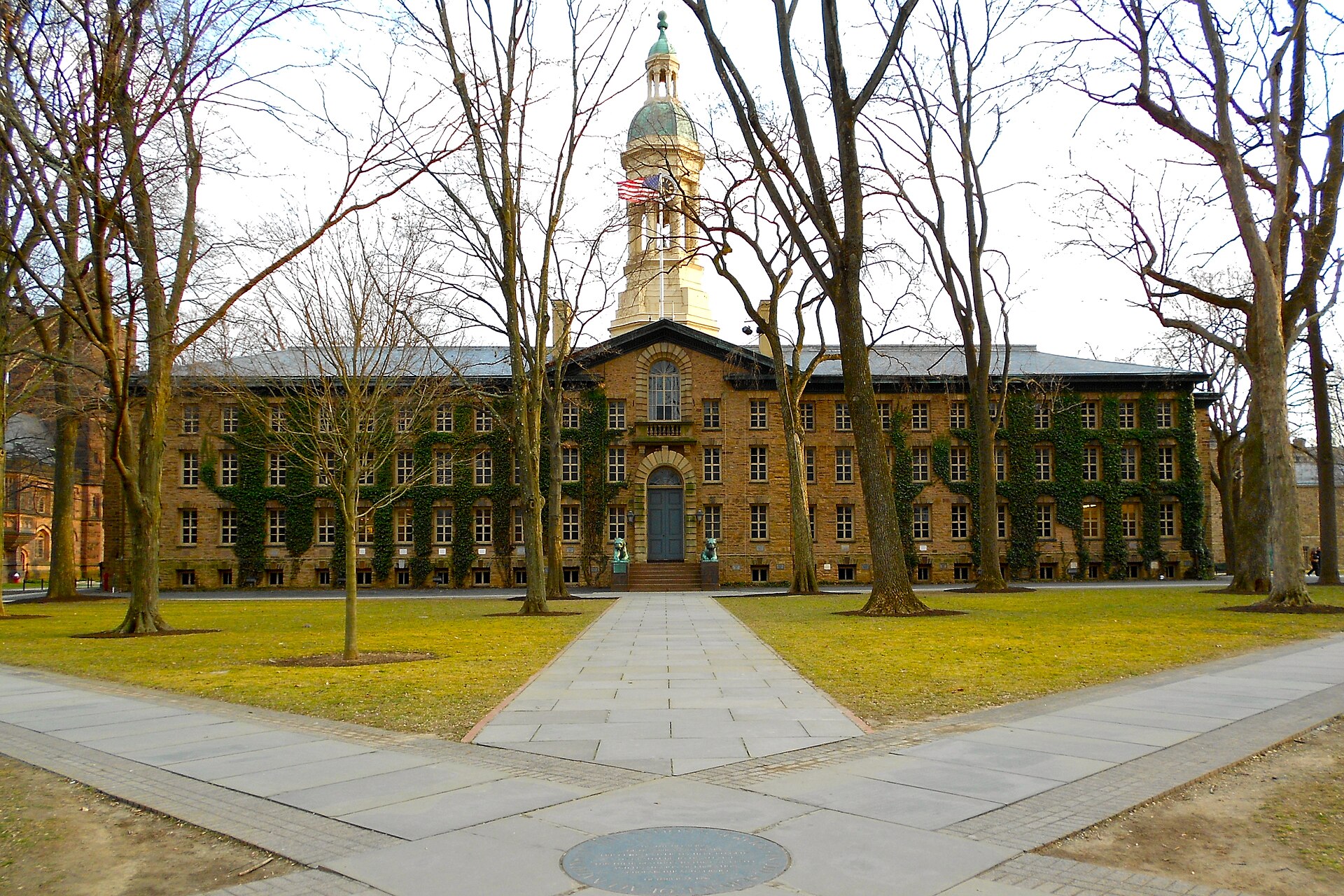
Princeton vs Cornell: Admissions, Aid, and Fit Compared

Princeton's most recent official rate was 4.42% (Class of 2029) versus Cornell's 8.38%, but Cornell admits by college and its top divisions run far lower. The decisive differences are focus and money: Princeton's undergraduate focus and free tuition to $250,000 versus the largest Ivy's specialized-college breadth.

Yale University campus

Yale vs Dartmouth: Admissions, Aid, and Fit Compared

Yale admitted 4.24% (Class of 2030) versus Dartmouth's 5.8%, and both prize undergraduate teaching and residential community. The choice turns on scale and aid: Yale's elite humanities and full tuition free under $200,000 versus the smallest, most undergraduate-focused Ivy in a rural setting.

Cornell University campus

Cornell vs Dartmouth: Which Ivy Is the Better Fit?

Dartmouth admitted 5.8% (Class of 2030) versus Cornell's 8.38% (Class of 2029), but Cornell admits by college and its top divisions run far lower. The defining contrast is scale: the largest Ivy and its specialized colleges versus the smallest and most undergraduate-focused. A comparison of selectivity, academics, aid, and fit.

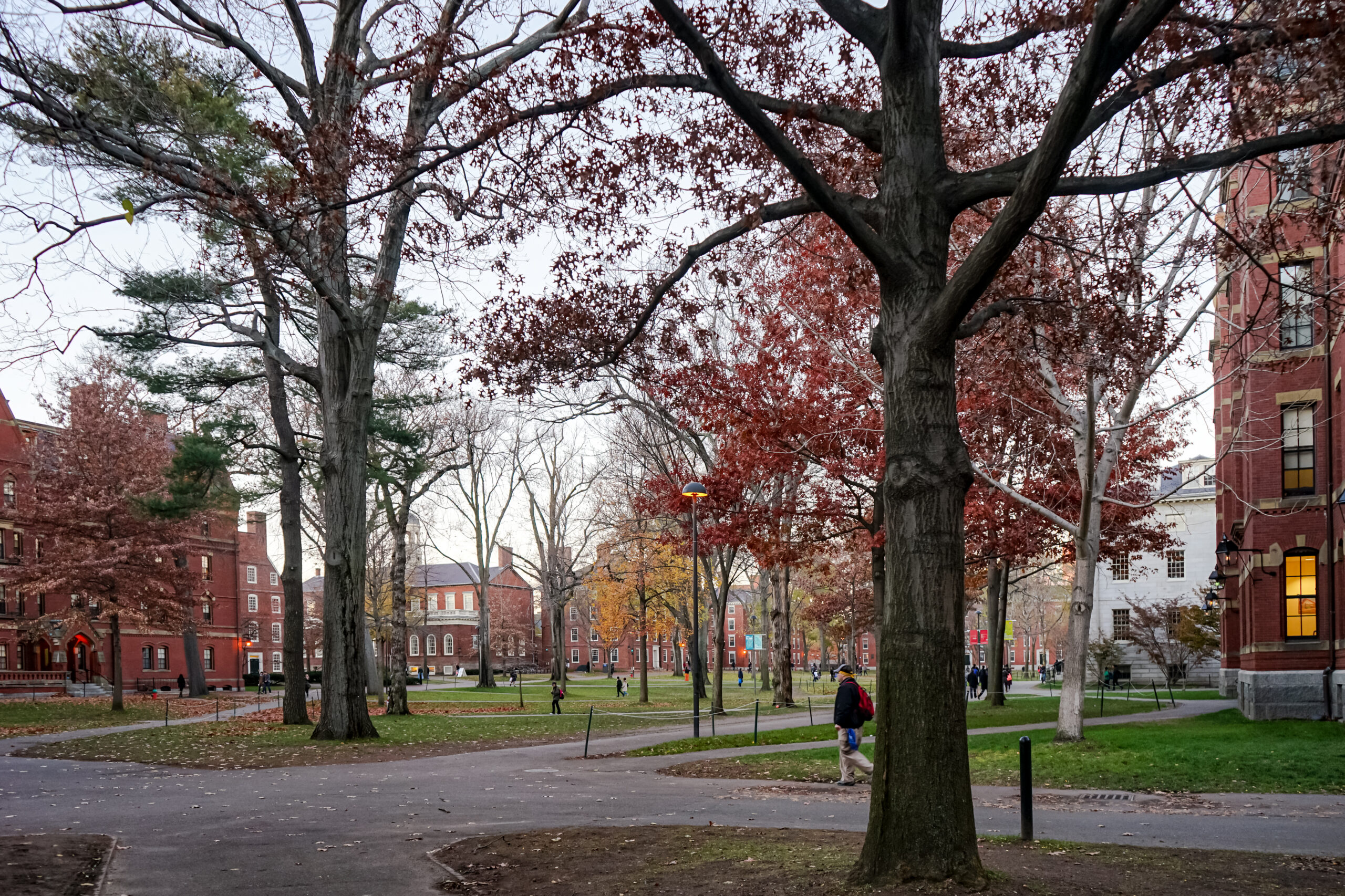
Harvard University campus

Harvard vs Columbia: Admissions, Aid, and Fit Compared

Columbia admitted 4.23% (Class of 2030) and Harvard 4.2% (Class of 2029), nearly identical odds. The real differences are curriculum, setting, and aid: Harvard's open flexibility near Boston with full tuition under $200,000 versus Columbia's required Core Curriculum in the heart of New York City.

Brown University campus

Brown vs Dartmouth: Admissions, Curriculum, and Fit

Brown admitted 5.35% and Dartmouth 5.8% for the Class of 2030, nearly identical odds. Both are mid-to-small Ivies that meet full need with no loans, so the choice turns on setting and academic model: Brown's open curriculum in a small city versus Dartmouth's D-Plan and outdoorsy, rural campus.

Brown University campus

Brown vs Cornell: Admissions, Curriculum, and Fit

Brown admitted 5.35% (Class of 2030) versus Cornell's 8.38% (Class of 2029), but Cornell admits by college and its top divisions run lower. The defining contrast is curriculum and scale: Brown's fully open curriculum with no requirements versus the largest Ivy's specialized colleges and applied programs.

Harvard University campus

Harvard vs Dartmouth: Admissions, Aid, and Fit Compared

Harvard's most recent official rate was 4.2% (Class of 2029) versus Dartmouth's 5.8% (Class of 2030). The defining contrast is scale: a large global research university with full tuition free under $200,000 versus the smallest, most undergraduate-focused Ivy in a rural, outdoorsy setting.

University campus in autumn

Early Action vs Regular Decision: Which Is Right for You?

Early Action means applying by November and hearing in December; Regular Decision means applying in January and hearing in spring. Both are non-binding, so you keep full flexibility to compare offers. Early Action offers a modest edge, but only if your application is genuinely ready early.

University campus in autumn

Early Action vs Early Decision: Which Should You Choose?

Early Action is non-binding and lets you compare offers; Early Decision is binding and obligates you to enroll. ED usually carries the larger admissions advantage, while EA and restrictive early action are friendlier for comparing financial aid. A complete guide to the differences, the advantage, and how to choose.

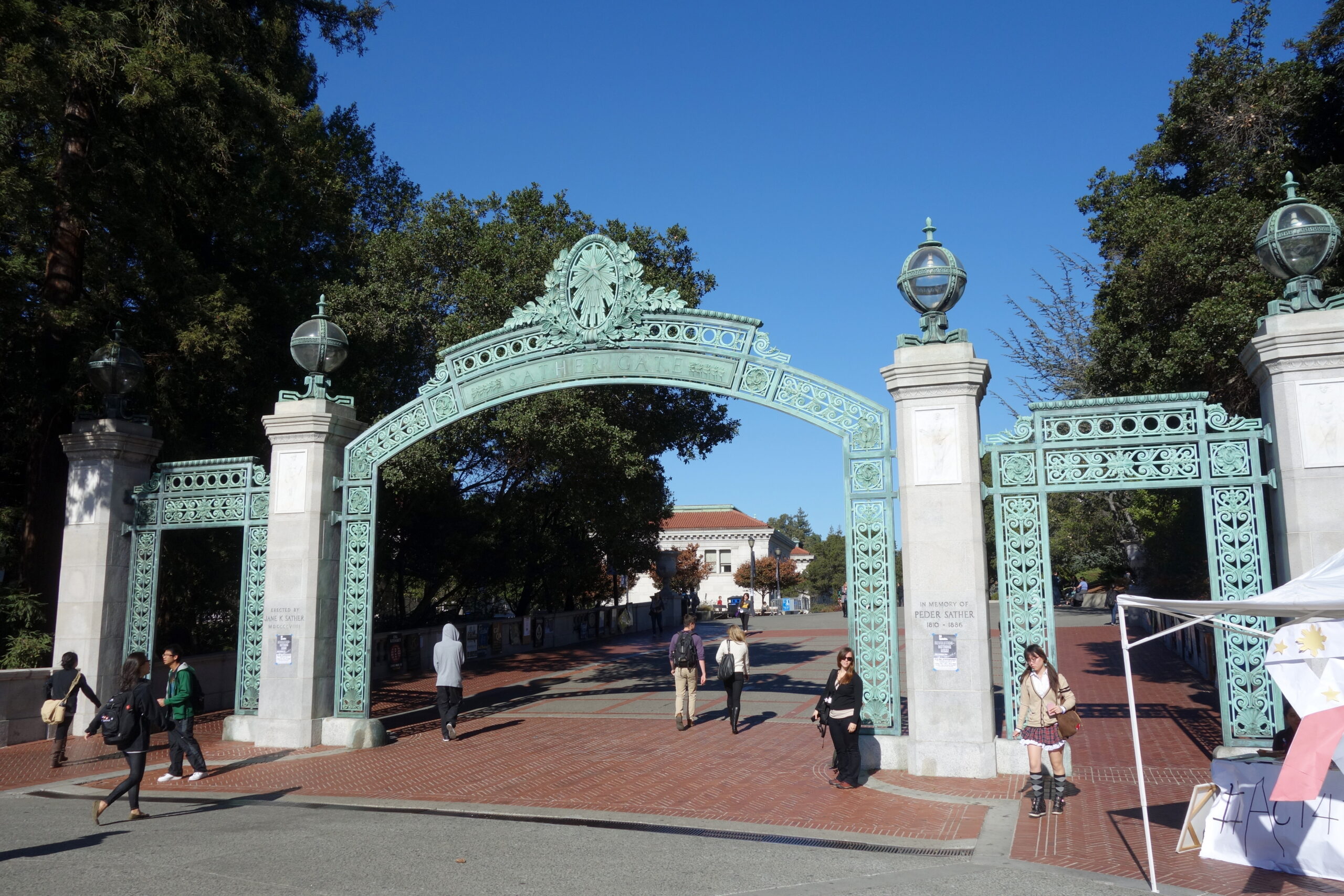
UC Berkeley and the Campanile

How to Get Into UC Berkeley for Engineering

UC Berkeley engineering admissions are direct-admit by major, and the major is binding: EECS admits under 5% against an 11.43% overall rate, with out-of-state applicants near 7 to 8%. A guide to odds, the direct-admit structure, GPA, and strategy.

MIT campus and the Great Dome

How to Get Into MIT for Engineering

MIT engineering admissions are defined by a 4.6% overall rate for the Class of 2029 and a distinctive structure: MIT admits to the Institute, not by major. A guide to acceptance odds, the admissions structure, GPA and testing, early action, and essays.

Caltech campus

How to Get Into Caltech for Engineering

Caltech engineering admissions reflect the most selective acceptance rate in the country, 3.78% for the Class of 2029. As a STEM-only institute, all students complete a rigorous common core before declaring an option. A guide to odds, structure, GPA, and strategy.

Stanford University and Hoover Tower

How to Get Into Stanford for Engineering

Stanford engineering admissions are shaped by a 3.61% overall rate and a structure where Stanford admits to the university, not by major. A guide to acceptance odds, the admissions structure, GPA, restrictive early action, essays, and comparisons.

Tech Tower at the Georgia Institute of Technology

How to Get Into Georgia Tech for Engineering

Georgia Tech engineering admissions are shaped by its admit-by-major system: you apply directly into a College of Engineering major. For the Class of 2030 the rate was 28% in-state and just 9% out-of-state. A guide to odds, the admit-by-major process, GPA, Early Action, and strategy.

Cornell University campus

How to Get Into Cornell for Engineering

Cornell engineering admissions are by college, with an estimated 7 to 8% overall rate; Cornell admitted 5,776 students to the Class of 2030. A guide to acceptance odds, the admit-by-college structure, GPA and testing, early decision, and comparisons.

Sign up for our newsletter