What is Bowdoin College’s overall acceptance rate, and how selective is it?
Bowdoin College admitted 957 students for the Class of 2029 from a pool of 14,045 applicants, producing an overall acceptance rate of 7%, per Bowdoin’s official Class of 2029 profile. The class enrolled 515 students. Bowdoin’s selectivity has tightened substantially over the past decade: the college now sits firmly in the top tier of liberal arts college selectivity alongside Williams (8.5%), Amherst (7.4%), Pomona (~7%), and Swarthmore (7.4%) for the Class of 2029.
The strategic implication for affluent families is that Bowdoin is functionally as selective as the most selective East Coast liberal arts colleges. Families who treat Bowdoin as a “safety” relative to Williams or Amherst are misreading the current admissions landscape. For a head-to-head comparison of the top East Coast LACs, see our Williams vs. Amherst vs. Swarthmore guide. For other top LACs, see our Williams HTGI, Amherst HTGI, and Pomona HTGI.
What is Bowdoin’s Early Decision strategy, and how does it shape admissions?
Bowdoin’s Early Decision program is one of the most consequential among elite liberal arts colleges. For the Class of 2029, Bowdoin received 2,301 ED applications across ED I (November) and ED II (January) rounds combined, and admitted approximately 296-301 students through ED, producing an ED acceptance rate of 14.8% (per Bowdoin’s Office of Admissions and the Bowdoin Orient, February 13, 2026). The 14.8% ED rate is roughly twice the overall 7% acceptance rate, meaning ED applicants face approximately twice the admit probability of RD applicants.
Bowdoin offers both ED I (deadline November 15) and ED II (deadline January 5), both binding. The university fills approximately half of its incoming class through ED I and ED II combined, similar to peer NESCAC and elite-LAC institutions. The strategic implication is that ED carries a real statistical advantage, but the choice should be driven by genuine first-choice fit with Bowdoin’s culture (Common Good ethos, intellectual seriousness, NESCAC athletics, no Greek life) rather than perceived statistical advantage. Bowdoin admissions readers detect strategic ED applications without authentic engagement with the college’s specific culture.
For broader analysis of ED versus RD strategy, see our ED vs. RD Advantage Calculator. For ED II strategy specifically, see our Early Decision II strategy guide.
What does the Class of 2029 student profile look like?
| Metric | Bowdoin Class of 2029 |
|---|---|
| Total applications received | 14,045 |
| Total admits | 957 |
| Total enrolled (Class of 2029) | 515 students |
| Overall acceptance rate | 7% |
| ED applications received (ED I + ED II combined) | 2,301 |
| ED admits (combined rounds) | ~296-301 |
| ED acceptance rate | 14.8% |
| Total undergraduate enrollment | ~1,900 |
| Setting | Brunswick, Maine (small coastal town, 30 min from Portland) |
| Athletics conference | NESCAC (Division III) |
| Greek life | None (banned in 1997, first elite college to do so) |
| 2025-26 direct cost of attendance | $91,300 (tuition $71,070, fees $670, housing $9,678, food $9,882) |
What is Bowdoin’s “Common Good” ethos, and how does it shape the institutional culture?
Bowdoin’s defining institutional ethos is the Common Good, articulated in the famous Offer of the College, written by William DeWitt Hyde in 1906 and still recited at Bowdoin admissions events. The Offer asks students “To lose yourself in generous enthusiasms and cooperate with others for common ends.” This is not marketing language: the Common Good ethos shapes admissions, curriculum, residential life, and post-graduation expectations in ways that are genuinely distinctive among elite LACs.
The practical implications are substantive. Bowdoin admissions readers explicitly screen for character and service orientation alongside intellectual ability. The McKeen Center for the Common Good supports civic engagement, service-learning, and post-graduation public service pathways. The Bowdoin Outing Club is one of the most active outdoor programs in elite higher education, reflecting the institutional emphasis on Maine setting and physical engagement. Students drawn to a campus where service, character, and intellectual seriousness are normalized find Bowdoin a strong fit; students drawn to status-driven preprofessional cultures often find peer institutions more aligned.
The decision to ban fraternities and sororities in 1997, the first among elite colleges to do so, was rooted in this Common Good framing: the college concluded that Greek life produced exclusionary social hierarchies inconsistent with the institutional ethos. Bowdoin’s social life now centers on the College House system, athletic teams, the Outing Club, and student organizations rather than Greek chapters.
What is Brunswick, Maine like as a setting?
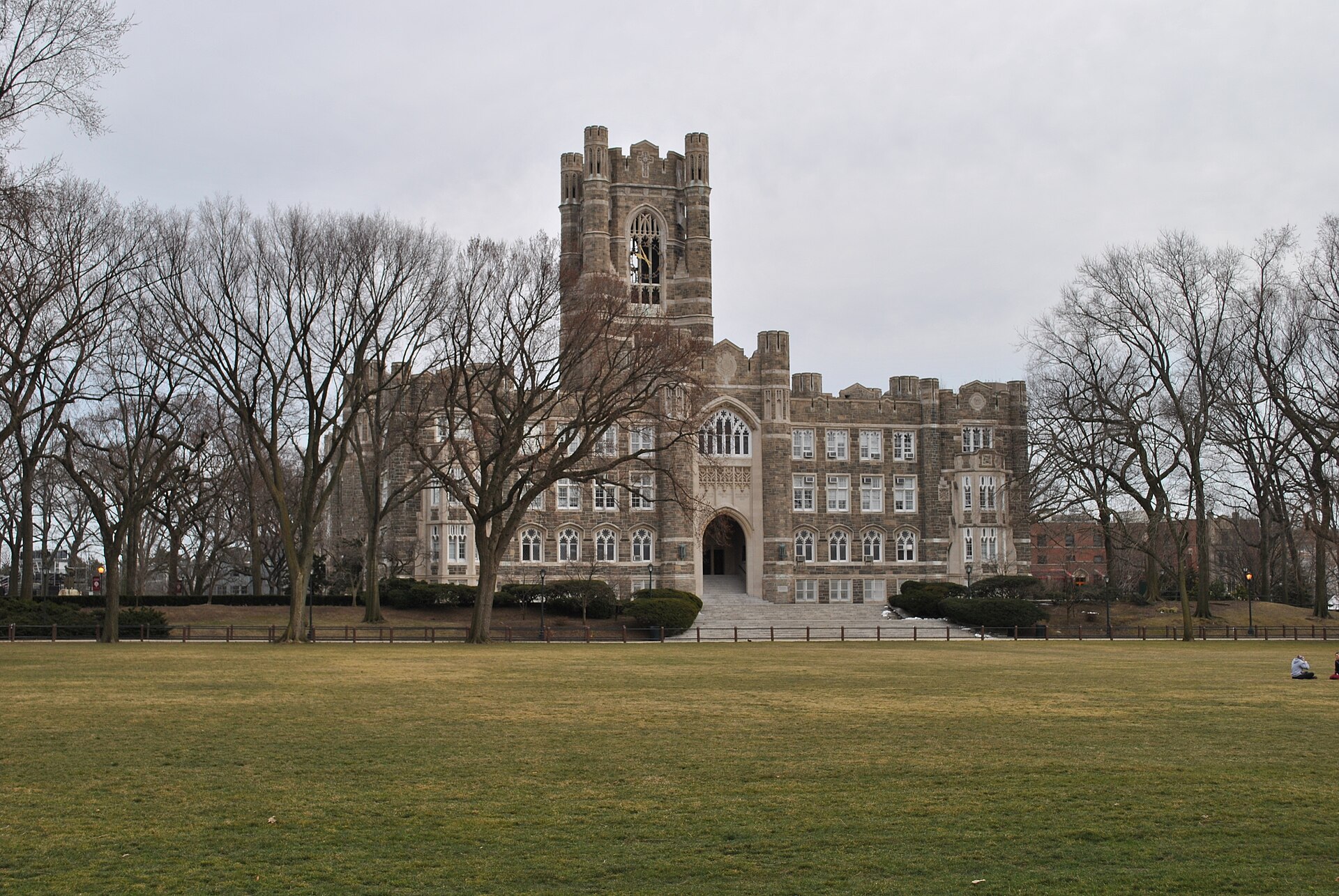
Bowdoin occupies a contiguous, traditional New England campus in Brunswick, Maine, a small coastal town of approximately 22,000 residents about 30 minutes north of Portland. The campus has classic brick architecture, traditional quads, and immediate access to the Maine coast (Casco Bay is roughly 15 minutes away by car). Brunswick is a genuine college town: the population center revolves around the college, and student life is contained within campus and the immediate downtown area.
For students drawn to a quiet, traditional New England college experience with year-round outdoor access (skiing within driving distance, hiking and sailing in summer and fall, Acadia National Park within 3 hours), Bowdoin is appealing. For students drawn to immediate urban access, Brunswick can feel limiting: Boston is 2.5 hours by car, New York is 6 hours, and the nearest major airport is Portland International Jetport (35 minutes). The contrast with Pomona’s Mediterranean climate and Williams’ rural Berkshires setting is real: Bowdoin offers a coastal Maine experience that no other elite LAC matches.
Maine winters are genuinely long and cold (snow from November through April is normal). Students who do not enjoy winter outdoor activities (skiing, snowshoeing, ice hockey) often find the climate isolating. Students who embrace it find the seasonal rhythm grounding.
What kind of applicant does Bowdoin actually admit?
Bowdoin admissions readers are explicitly looking for character alongside intellectual ability. The Common Good ethos is not decorative; admissions officers screen for applicants who demonstrate authentic service orientation, intellectual seriousness, and the kind of collaborative engagement that fits the institutional culture. Applicants who present primarily through individual achievement metrics (rankings, awards, scores) without demonstrating character or service often face deferral or denial.
The strongest Bowdoin applications demonstrate three things. First, intellectual depth in at least one substantive area, demonstrated through coursework, independent reading, original work, or research. Second, sustained engagement with character formation – service, leadership, community involvement, or civic engagement that shows genuine commitment beyond resume-building. Third, genuine fit with Bowdoin’s specific culture: the Maine setting, the absence of Greek life, the Common Good framing, and the NESCAC athletics tradition. Generic LAC applications that could apply to Williams or Amherst without modification fail to demonstrate authentic Bowdoin fit.
Bowdoin, like its NESCAC peers, also weighs personal qualities heavily in admissions calculus. The supplemental essays probe how applicants think, what they value, and how they engage with peers and community. Applicants who treat the supplements as opportunities to demonstrate character and intellectual personality, rather than as boxes to check, are the applicants who succeed.
How Should Applicants Approach Bowdoin Supplemental Essays?
Bowdoin’s supplemental essays carry significant weight in admissions decisions because they differentiate among academically qualified applicants. Strategy varies meaningfully by prompt, word limit, and the specific qualities Bowdoin looks for. For complete prompts, strategic approach for each prompt, common rejection patterns, and the timeline applicants should follow, see our deep-dive guide: Bowdoin Supplemental Essays Strategy.
How does Bowdoin compare on cost and financial aid for high-income families?
Bowdoin’s 2025-26 direct cost of attendance is $91,300, including tuition ($71,070), fees ($670), housing ($9,678), and food ($9,882). Total cost including books, transportation, and personal expenses is approximately $95,000. The cost is comparable to peer elite LACs (Williams, Amherst, Pomona, Swarthmore all in the $91,000-$96,000 range) and to elite research universities at this selectivity tier.
Bowdoin’s institutional financial position supports substantial financial aid generosity. The college is need-blind for U.S. applicants and meets 100% of demonstrated financial need without loans. Bowdoin’s no-loan policy applies across all admitted student income brackets, meaning grant aid replaces loans in financial aid packages. For families across most income brackets, actual costs after aid are substantially lower than sticker price. For broader analysis of how high-income families fare under elite financial aid policies, see our Harvard financial aid expansion guide.
What is the right academic profile for a Bowdoin applicant?
Bowdoin’s admitted student profile is comparable to Williams, Amherst, Pomona, and Swarthmore at the top of the academic profile. Successful applicants typically present unweighted GPAs in the 3.9-4.0 range with rigorous course loads (multiple AP, IB, or college-level courses, particularly in their area of intellectual focus). Bowdoin has been test-optional since 1969, the first elite college to adopt the policy. Admitted students who submit scores typically reported SAT scores in the 1450-1540 range or ACT scores of 33-35.
The strategic implication for testing is real but nuanced. Strong test scores help confirm academic readiness, particularly for applicants from less-known high schools. Applicants from rigorous high schools with strong unweighted GPAs and demanding course loads can compete successfully test-optional. Applicants whose scores meaningfully exceed their grade trajectory benefit from submitting; applicants whose scores are below the admitted-student range are usually better served by withholding. For testing benchmarks at the most selective LAC tier, see our Academic Index Calculator.
Beyond grades and scores, the academic profile that succeeds at Bowdoin demonstrates intellectual depth combined with character. Successful applicants often show evidence of independent reading beyond the curriculum, sustained civic engagement or service, and authentic engagement with a specific intellectual or character-formation question. The “spike plus character” profile that succeeds at NESCAC peers also succeeds at Bowdoin; applicants who present as well-rounded but without a clear intellectual identity or character narrative often face deferral or denial.
What are Bowdoin’s distinctive programs and post-graduation outcomes?
Bowdoin offers several distinctive programs that differentiate it from peer top-10 liberal arts colleges. The McKeen Center for the Common Good supports civic engagement, service-learning, and post-graduation public service pathways. The Bowdoin Outing Club is one of the most active outdoor programs in elite higher education, integrated into student life rather than treated as a recreational add-on. The Coastal Studies Center provides marine and environmental research access unavailable at inland LACs.
Bowdoin’s post-graduation outcomes are competitive with peer top-10 LACs. Medical school placement is strong, supported by the close-knit faculty mentorship and small class sizes. Law school placement is competitive, particularly for students focused on public-interest law (consistent with the Common Good ethos). Bowdoin produces strong pipelines to government, education, journalism, and the nonprofit sector at higher rates than preprofessional-focused peers; finance and consulting placement is meaningful but lower-volume than at Williams or Amherst, reflecting the institutional culture rather than career-services capacity. The Polar Bear alumni network is regionally concentrated in Maine, Boston, and New York but increasingly national.
What are the most common mistakes applicants make when applying to Bowdoin?
Five mistakes recur. First, treating Bowdoin as an East Coast LAC backup. Bowdoin’s 7% Class of 2029 acceptance rate is comparable to Amherst, Swarthmore, and Pomona. Applicants who treat Bowdoin as a “safety” relative to East Coast peers are misreading the selectivity landscape. Second, ignoring the Common Good ethos in supplements. The ethos is Bowdoin’s defining institutional feature, and applications that ignore it signal poor fit.
Third, applying ED based on perceived statistical advantage rather than authentic fit. Bowdoin’s ED admit rate (14.8%) is roughly twice the overall rate, but ED yields work because applications demonstrate real commitment to Bowdoin’s specific culture, not because of statistical strategy. Fourth, generic “why Bowdoin” essays that could apply to any small liberal arts college. Strong essays demonstrate specific engagement with the Common Good ethos, named programs like the McKeen Center, and the Maine setting. Fifth, presenting through individual achievement metrics without demonstrating character or service orientation. Bowdoin’s culture rewards students with authentic civic engagement.
For deeper analysis of why high-stat applicants get rejected from elite institutions, see why valedictorians get rejected from Ivies. For broader application strategy, see our college application spike strategy guide. Bowdoin’s pattern of admissions reader recognition is broadly consistent with NACAC-documented norms across the most selective LACs (see the National Association for College Admission Counseling State of College Admission report).
Best for which student?
Best for intellectually serious students seeking a small residential college experience with substantive character-formation framing: Bowdoin. Best for students drawn to coastal Maine setting, year-round outdoor access, and the seasonal rhythm of New England: Bowdoin over inland LACs. Best for students who explicitly do not want Greek life: Bowdoin’s 1997 ban remains genuinely unique among elite colleges. Best for students considering public service, education, government, or nonprofit pathways: Bowdoin’s Common Good ethos produces stronger pipelines than preprofessional peers. Best for students seeking the highest statistical Early Decision advantage: Bowdoin ED at 14.8% acceptance for the Class of 2029.
Frequently Asked Questions About Getting Into Bowdoin College
Bowdoin is in Brunswick, a coastal town in Maine roughly half an hour up the road from Portland and about two and a half hours from Boston. The name is pronounced ‘BOH-din’ (rhyming with ‘coding’), not ‘bow-doin.’ Its setting is a quintessential small New England college town near the Maine coast, giving students a close-knit residential campus with outdoor recreation and Portland’s amenities close at hand.
Very hard; Bowdoin’s acceptance rate sits in the high single digits, ranking it among the most selective liberal arts colleges anywhere. Admitted students typically present top grades and rigorous courses. Because Bowdoin uses holistic review and weighs fit, character, and its ‘Common Good’ ethos heavily, essays and demonstrated interest matter alongside academics in distinguishing within a deep pool of highly qualified applicants competing for limited seats.
Bowdoin is regarded as one of the nation’s premier liberal arts colleges, celebrated for strength in the sciences, government, economics, and environmental studies, a famous reputation for dining and residential life, and a strong ‘Common Good’ service ethos. It also boasts a striking coastal Maine campus. What sets it apart is academic excellence paired with a tight-knit, community-minded culture.
Yes; Bowdoin consistently ranks among the very top national liberal arts colleges, frequently in the top five, and is often grouped informally with the ‘Little Ivies’ and the elite NESCAC colleges alongside peers like Williams, Amherst, and Swarthmore. Rankings shift yearly and vary by methodology, but Bowdoin’s standing at or near the top of liberal arts college rankings is long established and widely recognized.
Yes, and notably so; Bowdoin was a pioneer of test-optional admissions, having made standardized tests optional decades ago, long before most peers. Applicants may choose whether to submit SAT or ACT scores, and those who do not are not disadvantaged. Because policies can still evolve, confirm the current requirement on Bowdoin’s admissions site, but its long-standing test-optional tradition is a defining feature of its holistic approach.
Yes, for applicants who choose to submit scores; Bowdoin considers the highest section results across multiple test dates, combining them into the best composite. A stronger Math from one sitting and stronger Reading and Writing from another count together, rewarding focused retakes. Because Bowdoin is test-optional, submitting scores is a choice, but those who do benefit from superscoring when their sections peaked on different dates.
No; Bowdoin awards only need-based financial aid and gives no merit, athletic, or academic scholarships. All aid follows demonstrated financial need, and Bowdoin meets full need for admitted students, often with loan-free packages, reflecting a strong commitment to access. A high-achieving applicant cannot earn a discount for grades or scores, but families with financial need frequently find Bowdoin far more affordable than its published sticker price.
Bowdoin competes in NCAA Division III as a member of the NESCAC (New England Small College Athletic Conference), so it offers no athletic scholarships, contrary to a common assumption that it might be Division I. Recruited athletes still meet Bowdoin’s rigorous admissions standards. Athletics are competitive but balanced with academics, suiting students who want to keep playing a sport while prioritizing a demanding liberal arts education.
About Oriel Admissions
Oriel Admissions is a Princeton-based college admissions consulting firm advising families nationwide on elite university admissions strategy. Our team brings deep expertise across every dimension of the application, and our distinctive 360 approach develops strategy, positioning, activities, essays, and interviews as one coherent whole. To discuss your family’s admissions strategy, schedule a consultation.